This is the first time we have ever arranged a holiday in the hope that it would rain everyday. But when it is 45 degrees in Abu Dhabi the thought of getting outside in a balmy 27 degrees has a certain appeal.
Salalah is at the southern tip of Oman and each year from the end of June to the beginning of September it experiences the Khareef or monsoon season. Moist air drawn in from the ocean rises over the coastal mountains, shrouding them in mist and producing months of light rain. As a result the hills that are barren for most of the year turn green for a few brief months.
Not really wanting to drive for 16 hours, nor too keen on camping in the rain, we opted to take the 1 hour 50 minute flight from Abu Dhabi, stay in a 5* hotel and hire a 4WD.
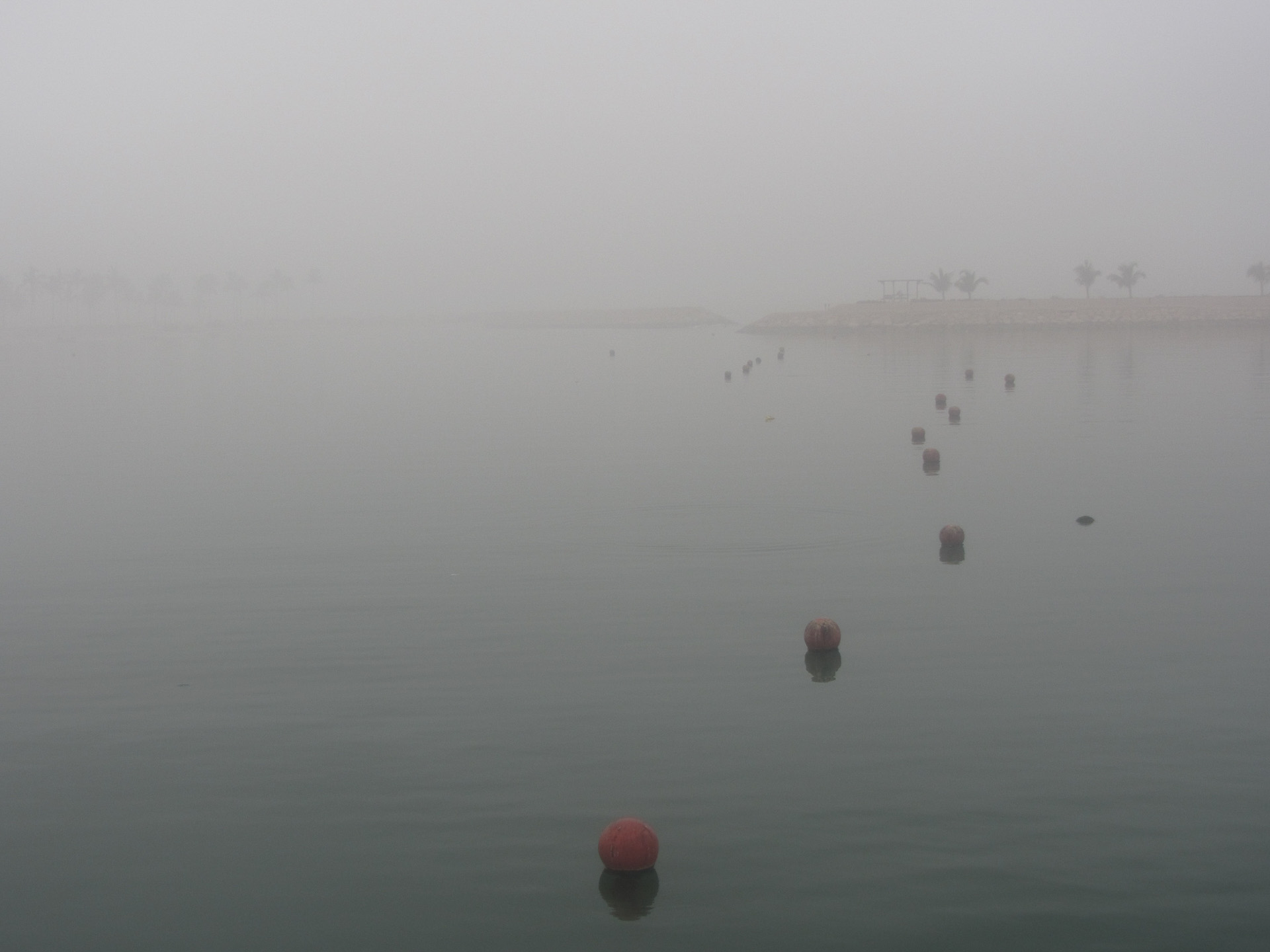
The hotel is clearly a beach resort outside of the Khareef season. While we were there it felt half empty with just a few children using the pool and obviously no one on the beach.



As usual we were not interested in hanging around in a hotel, however nice it was, and headed out to explore.
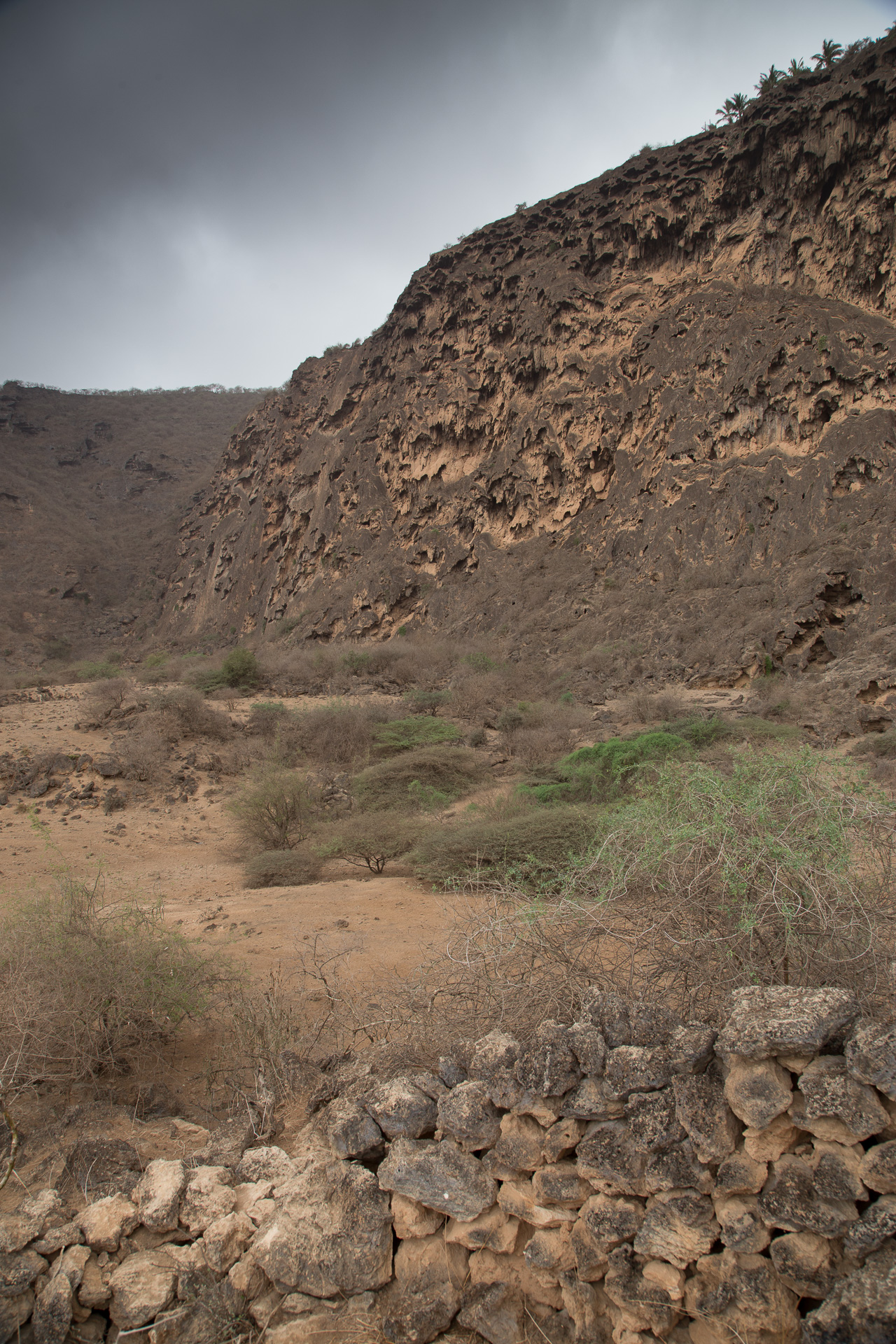
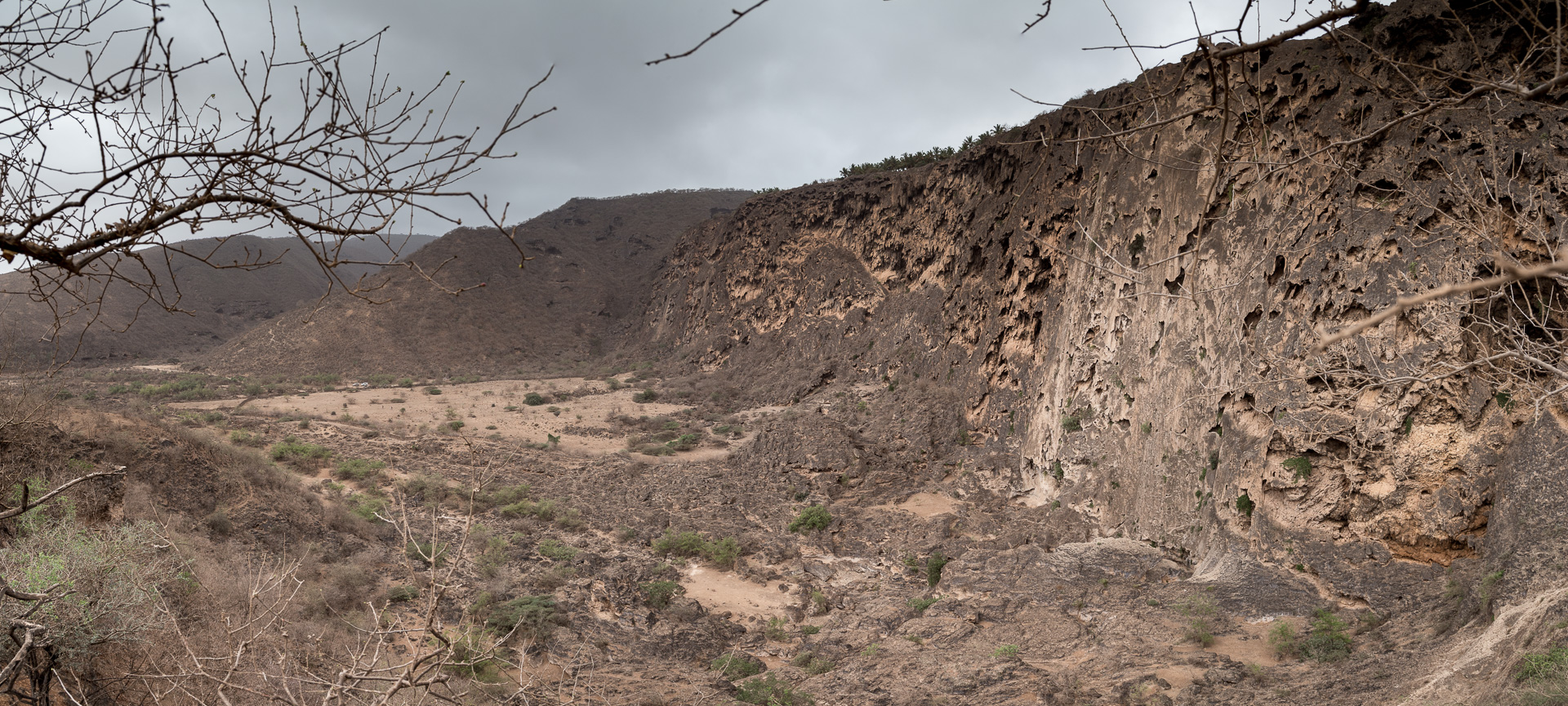
First stop was the to the Travertine Curtain at the entrance to Wadi Darbat. Our guide book described this as Oman’s answer to Niagara Falls. The spectacular cliff forms a huge waterfall as the Khareef rains run off the hills above.
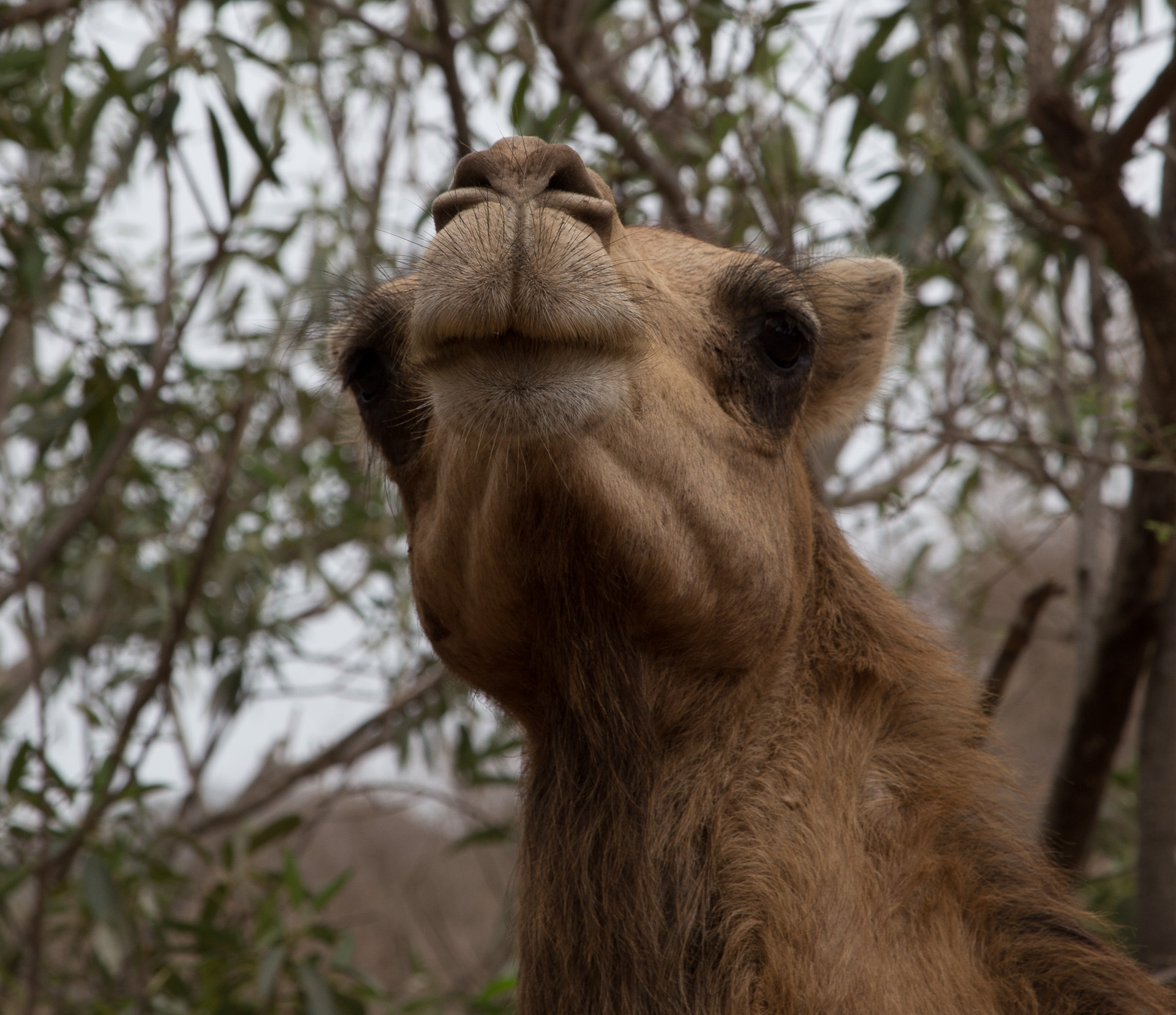
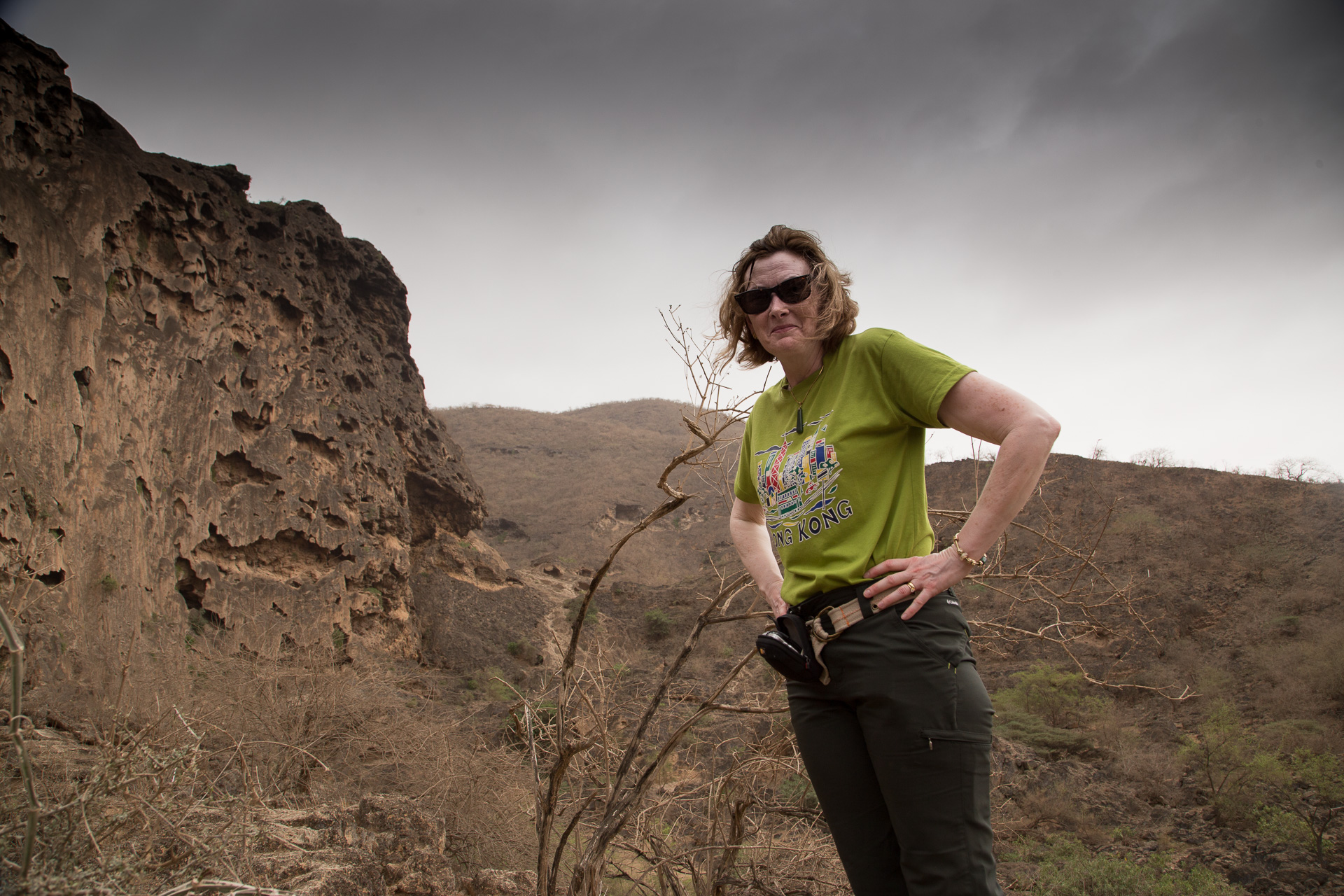
We arrived to get the first indication that perhaps we were a little early in the season. No sign of any water and the trees were just beginning to open their buds. At least there was enough greenery on the trees for the camels to find a meal.

A short off-road detour on the way back to the hotel took us to a beach where we discovered that not everyone stays out of the sea at this time of year. We still managed to resist.
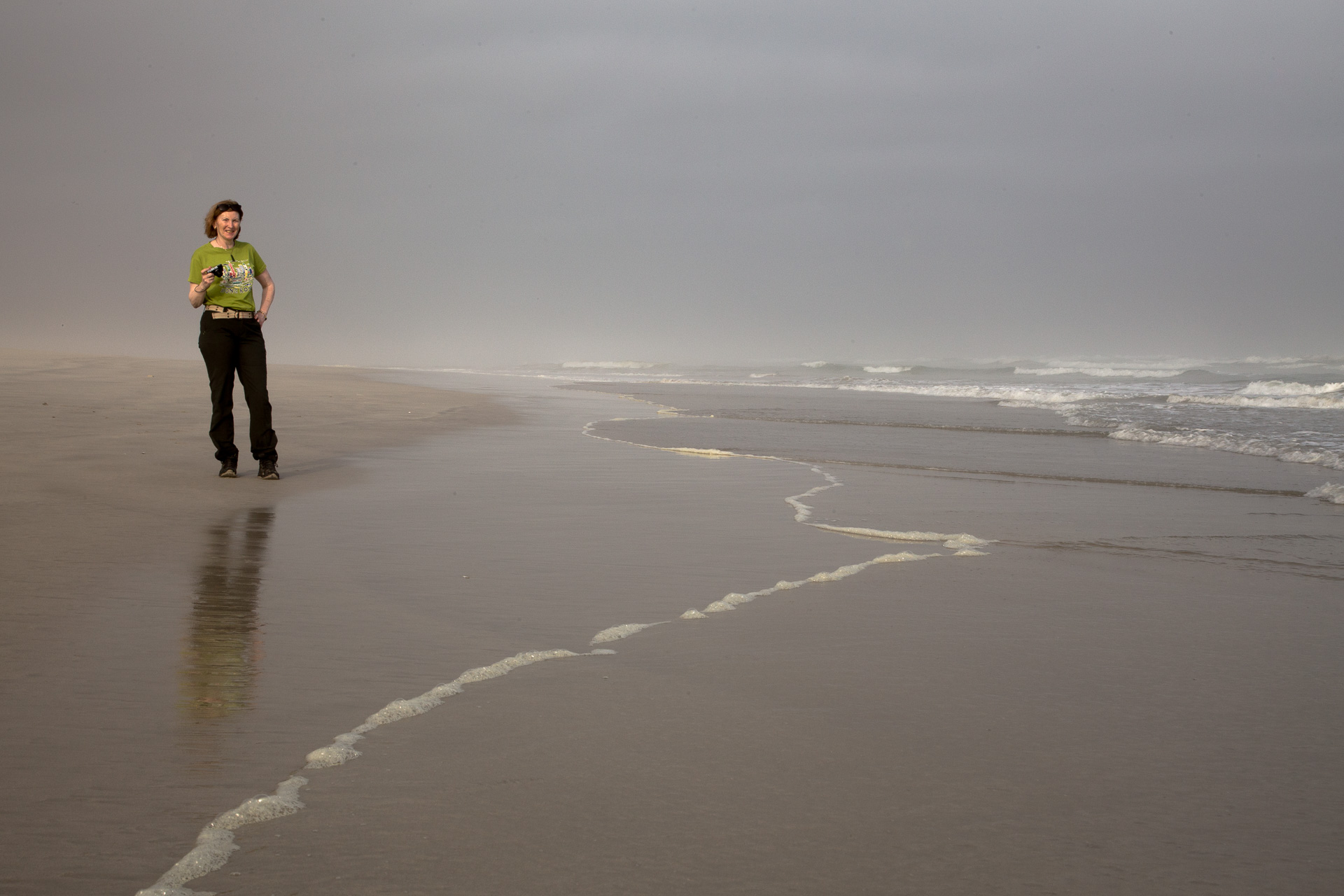
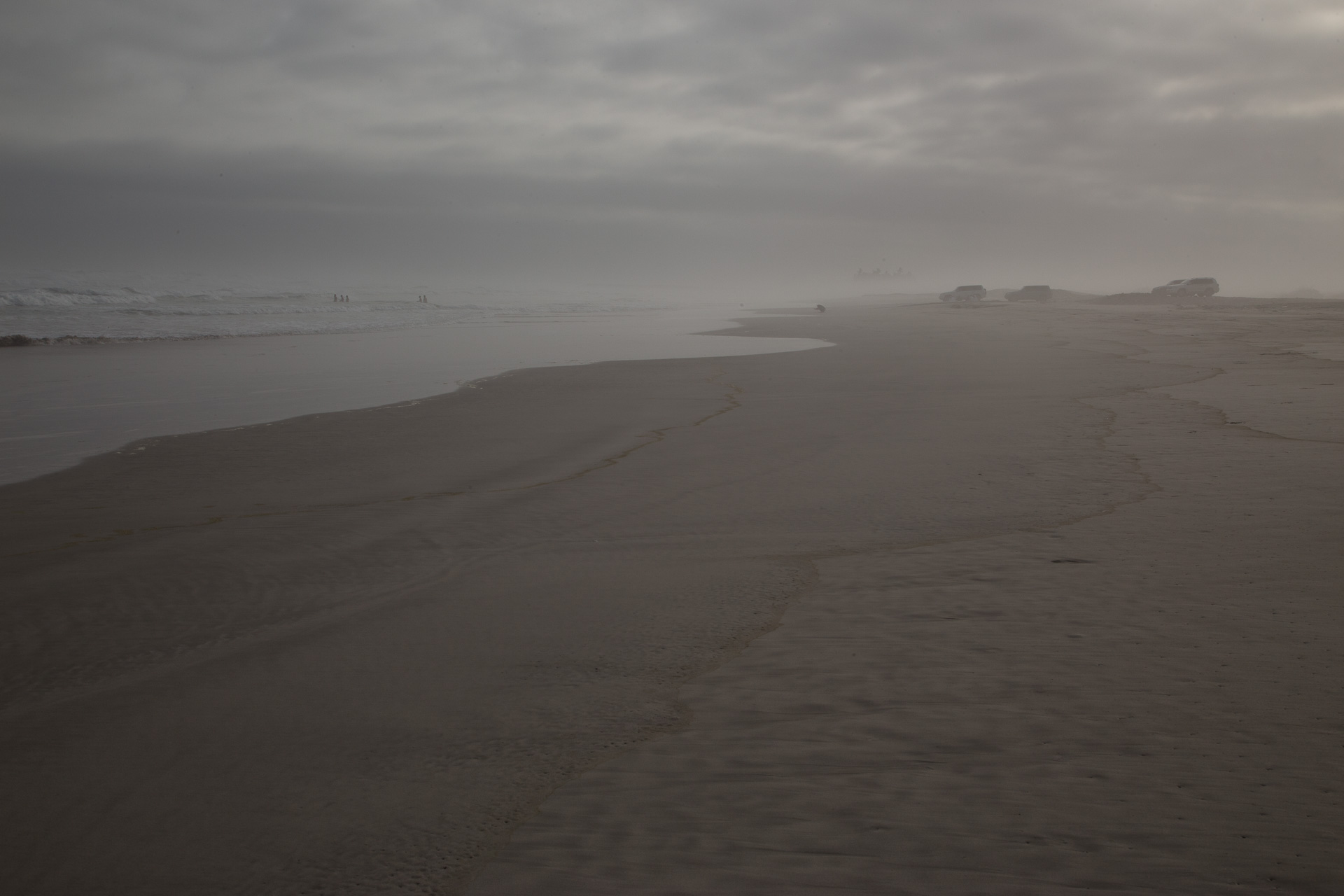
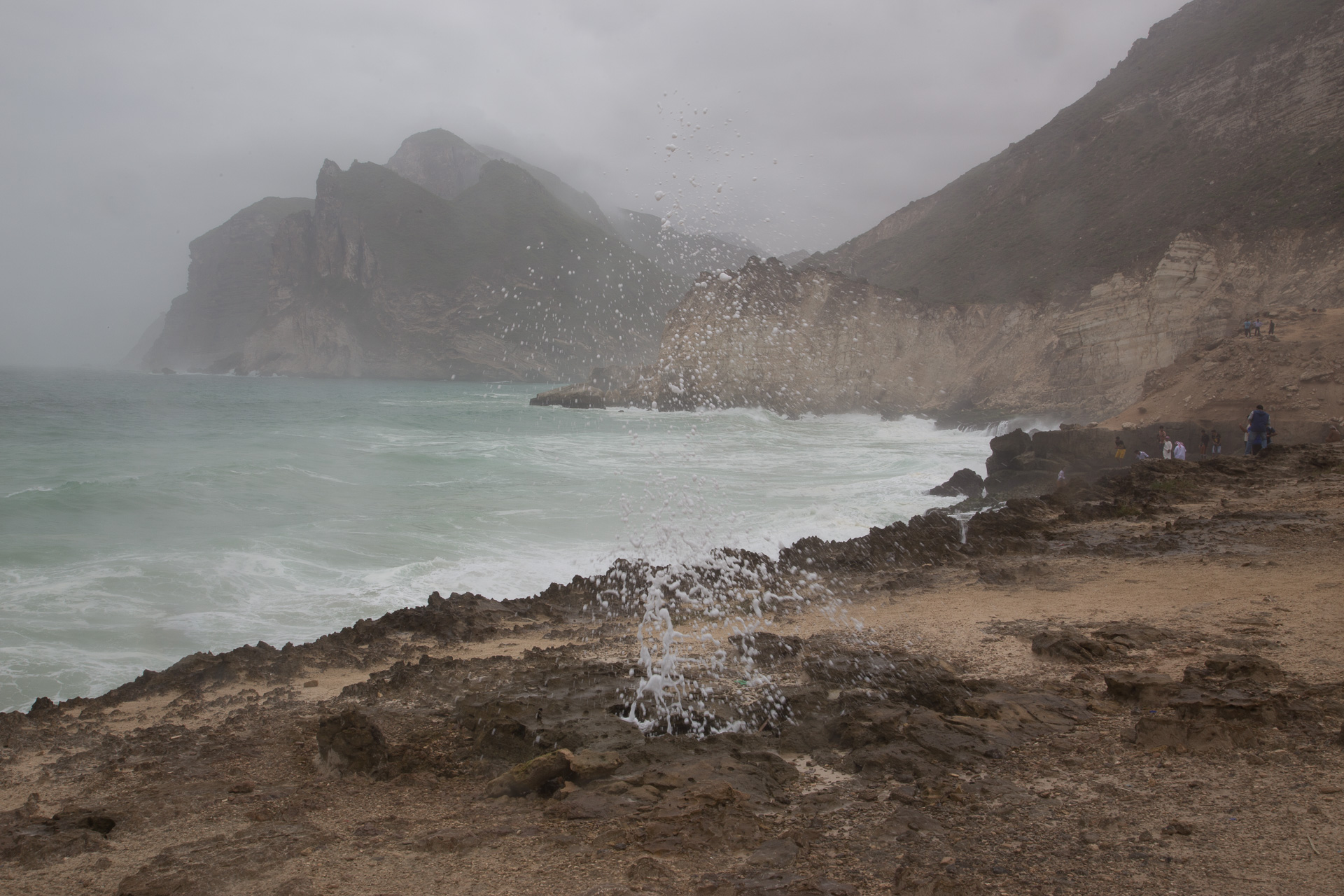
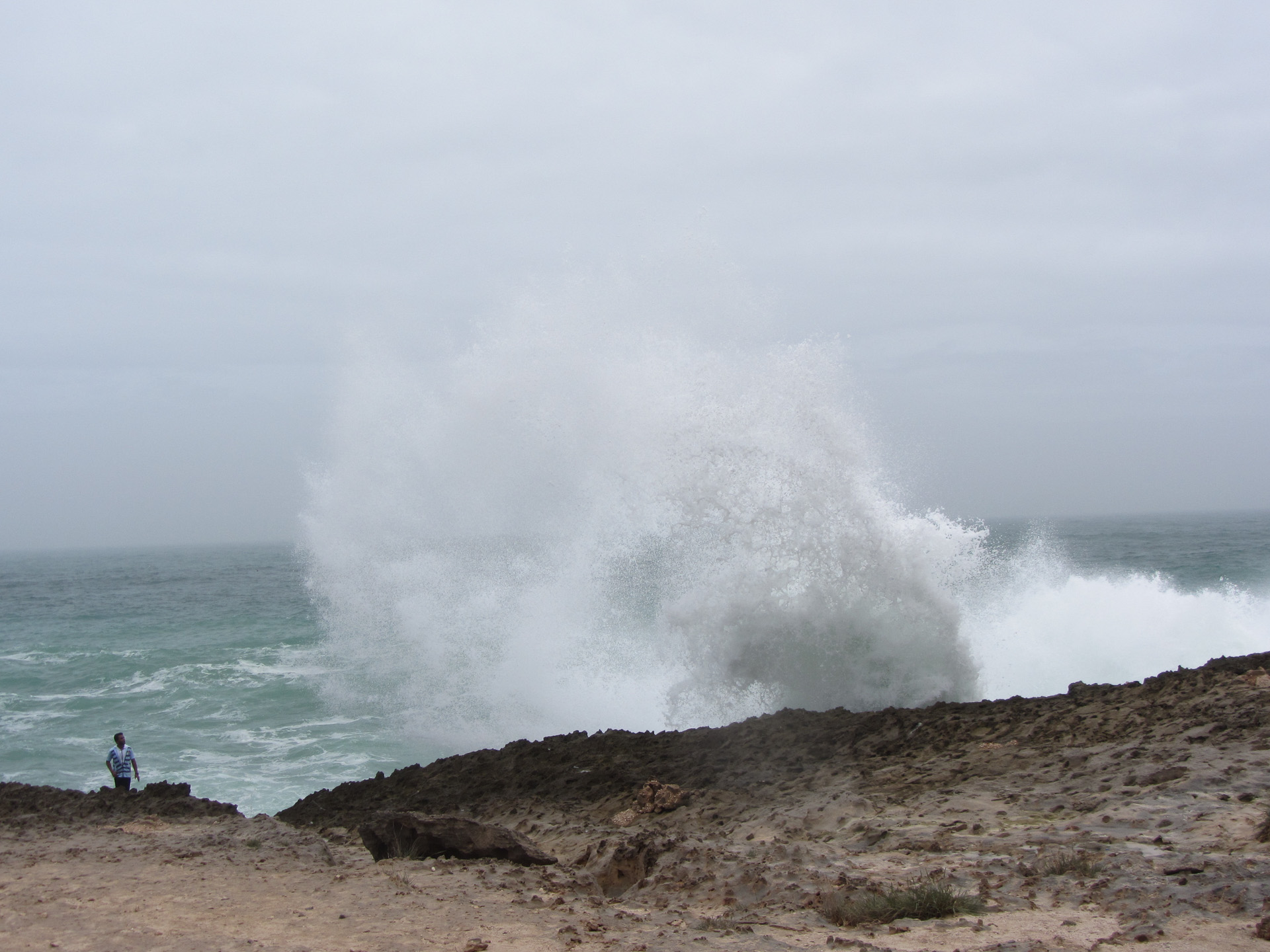
Enquiries back at the hotel revealed that yes the Khareef was late this year and there had not been as much rain as usual. So the next day’s plan was to drive along the coast where the second feature of the Khareef, the violent seas, were guaranteed to produce spectacular water spouts at the Al Mughsayl blow holes.
Heading in to Salalah city we realised that something unusual was going on, very heavy traffic that seemed to get worse as we headed to the coast.
At Mughsayl the carpark was overflowing and stalls were selling everything from candy floss to fruit and the strong winds meant that the people selling kites were doing a roaring trade. It turned out that this was a holiday weekend and today was ‘Renaissance Day’, a celebration of Sultan Qaboos’ takeover.
At least the blow holes were working. There were even safety officers to make sure that no one got hurt. One chased after us as we wandered off along a cliff trail to take photos. We could hear someone shouting and whistling as we headed along to a view point but deliberately avoided looking back. By the time the man had caught up with us I already had the photos I wanted. Even Sue was happy with the path so I can’t believe that it was unsafe.


Then we headed for the hills where the traffic jams took us into thick cloud through which we got glimpses of the greenery that we had come to see. The locals were loving it. It felt as though everyone who had not gone to the blow holes had come to picnic on the mountain in the fog.

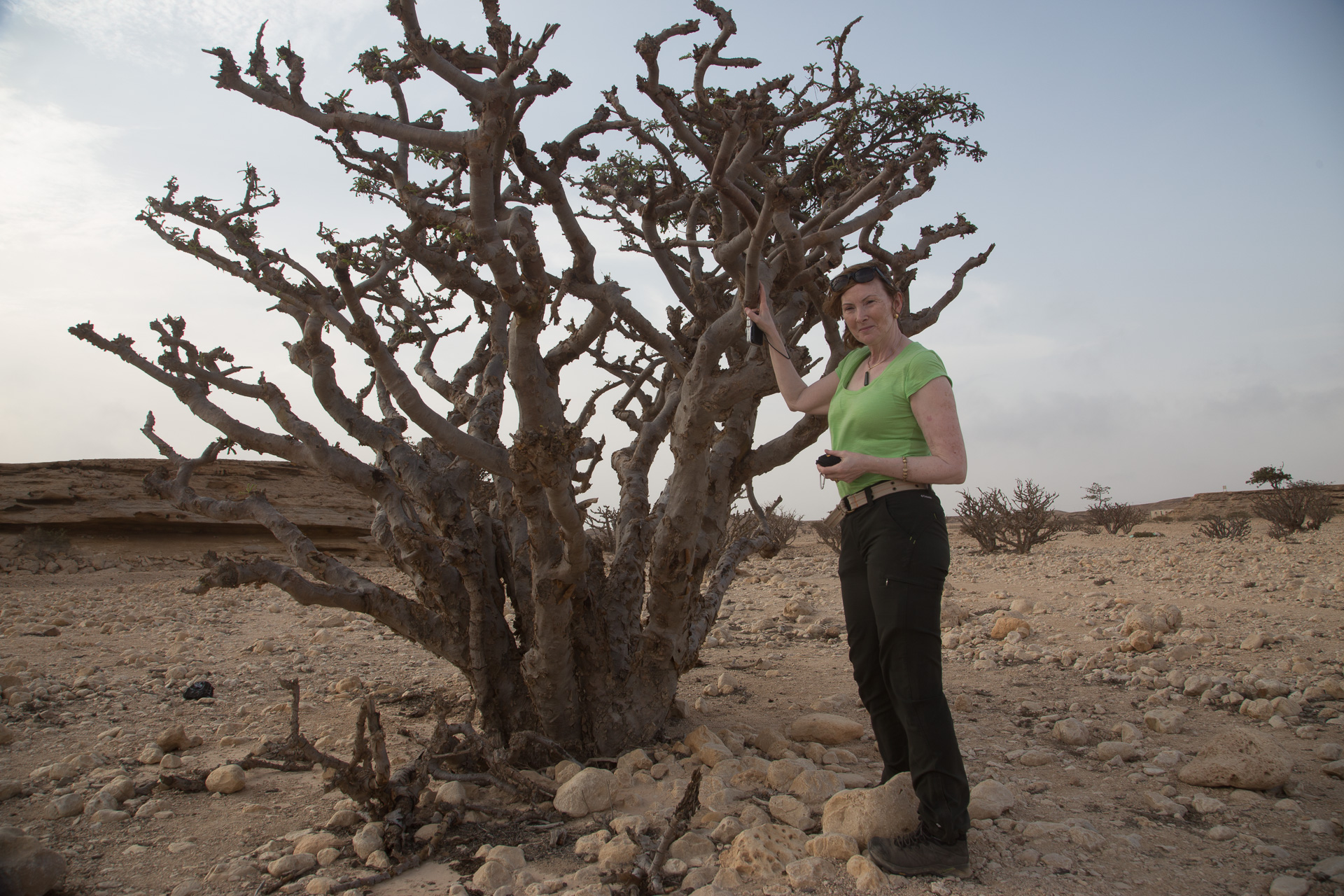
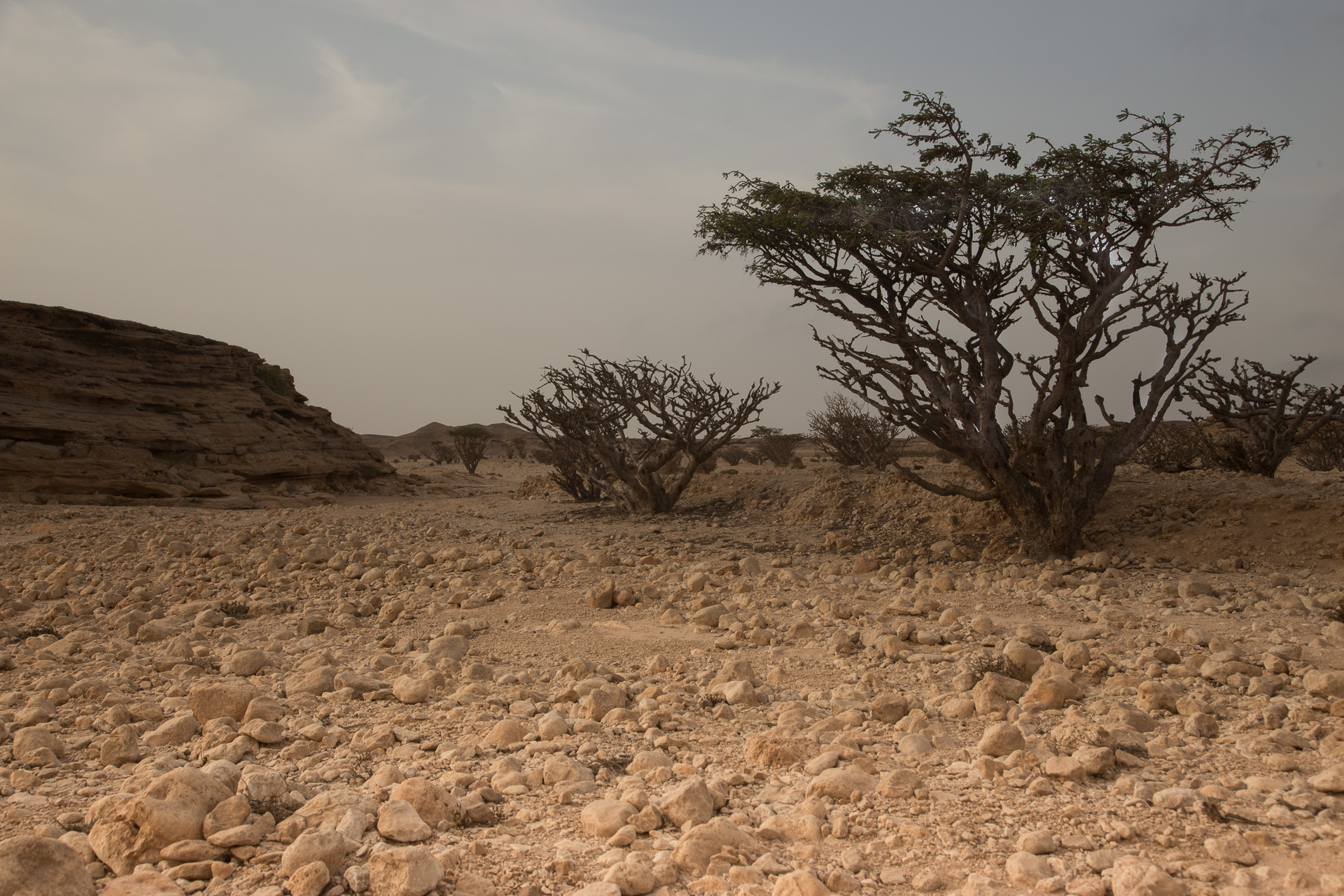
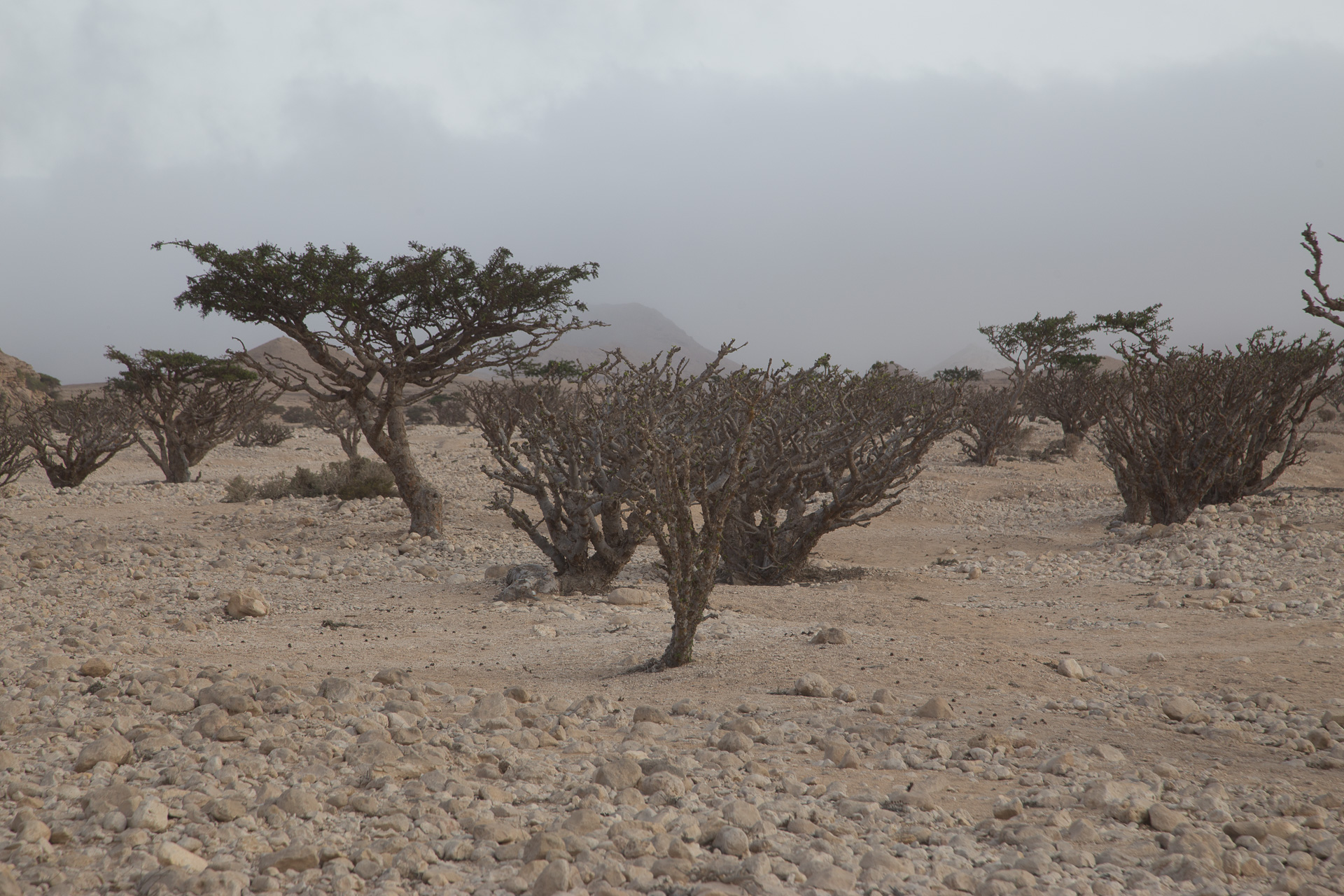
We kept driving determined to go on to a Unesco World Heritage site at Wadi Dawkah containing huge numbers of naturally occurring frankincense trees.
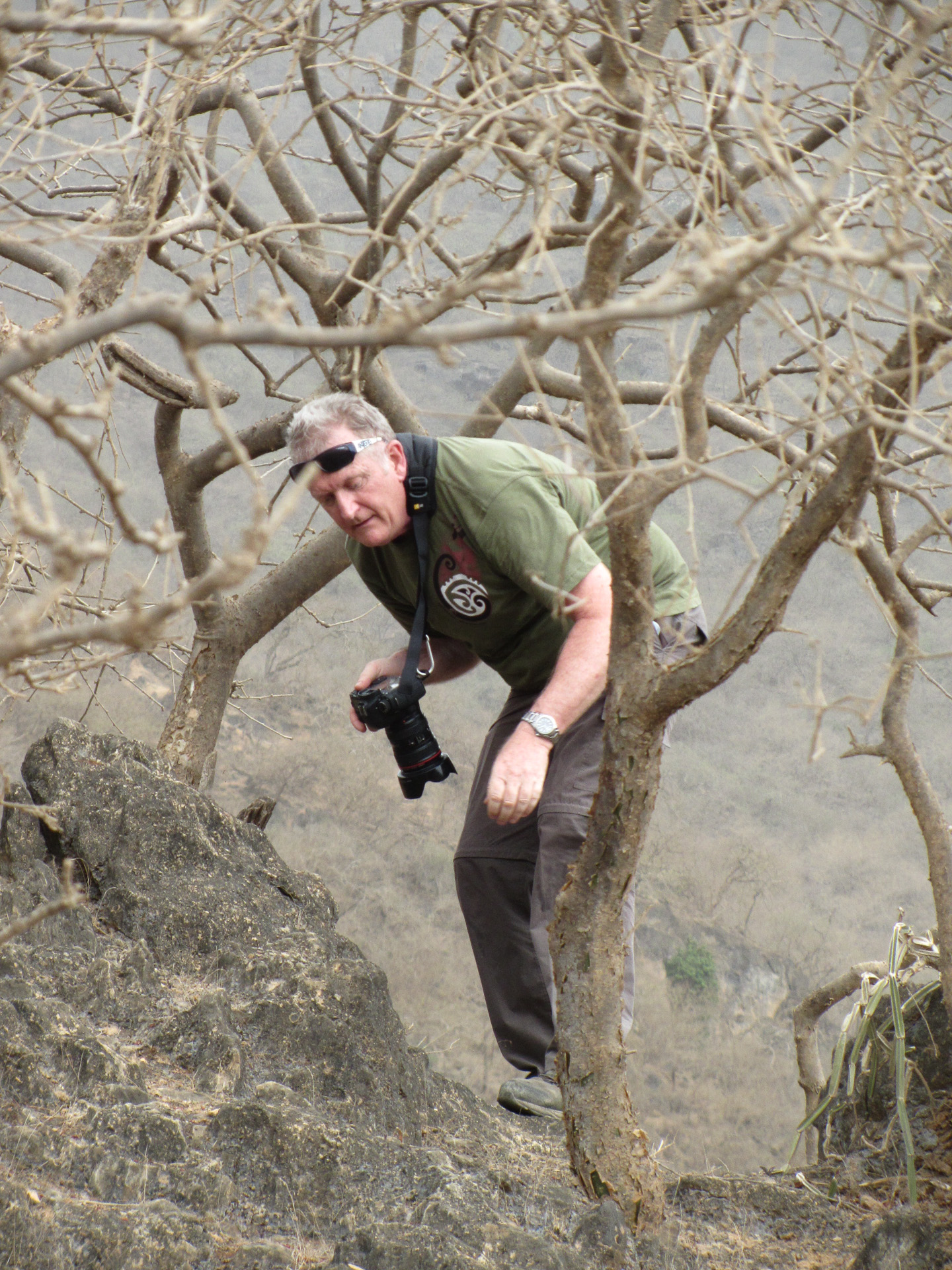
It proved to be a good move. We got away from both the crowds and the fog. At the site we ended up chatting to a gardener/guard/maintenance man who took us away from the tourist viewing area, through a locked gate and into the fenced off wadi with ancient, gnarled frankincense trees that are still harvested three times a year.
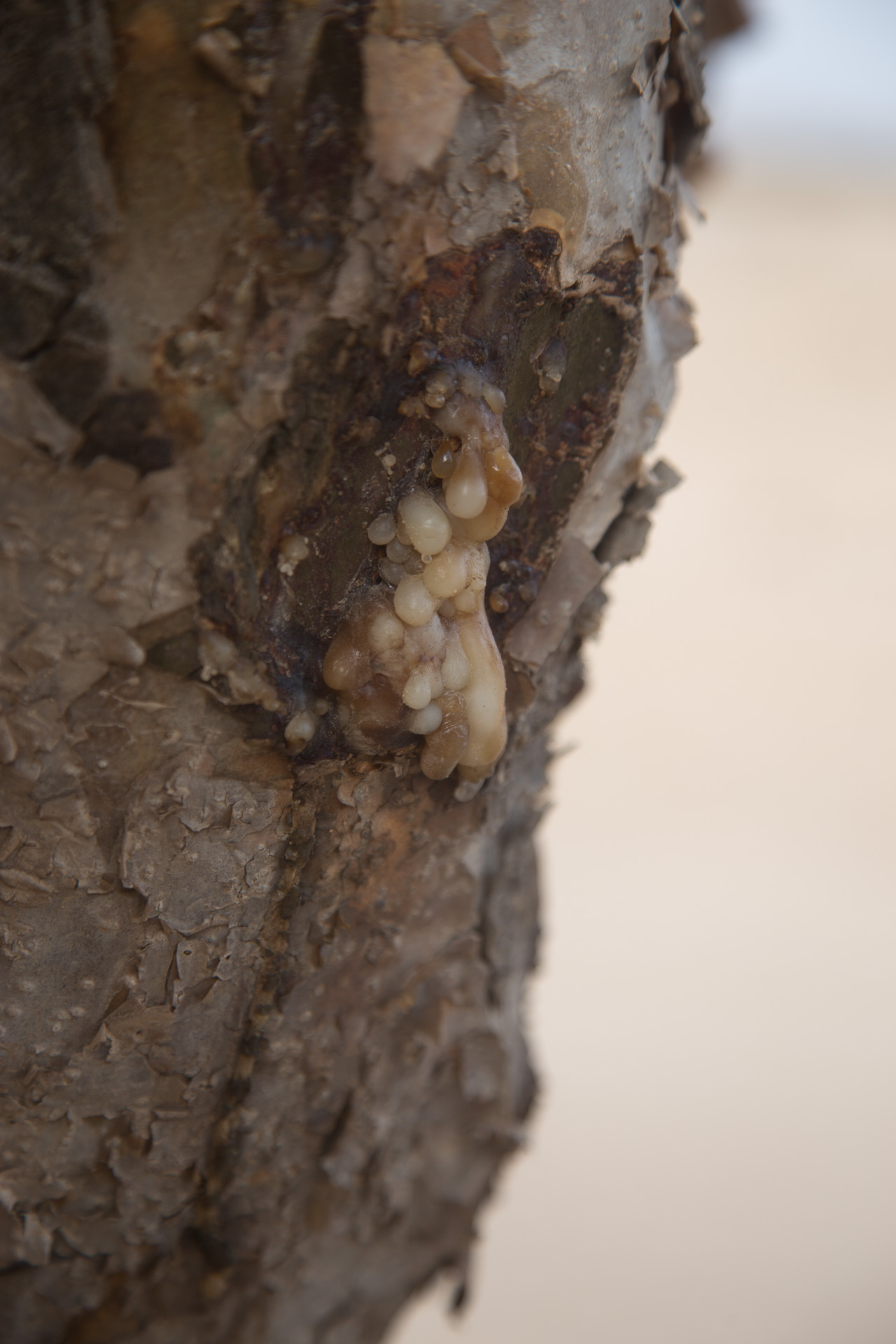
A fascinating walk ended with us taking away a plastic bag of wonderfully aromatic frankincense that had to be kept out of sight.

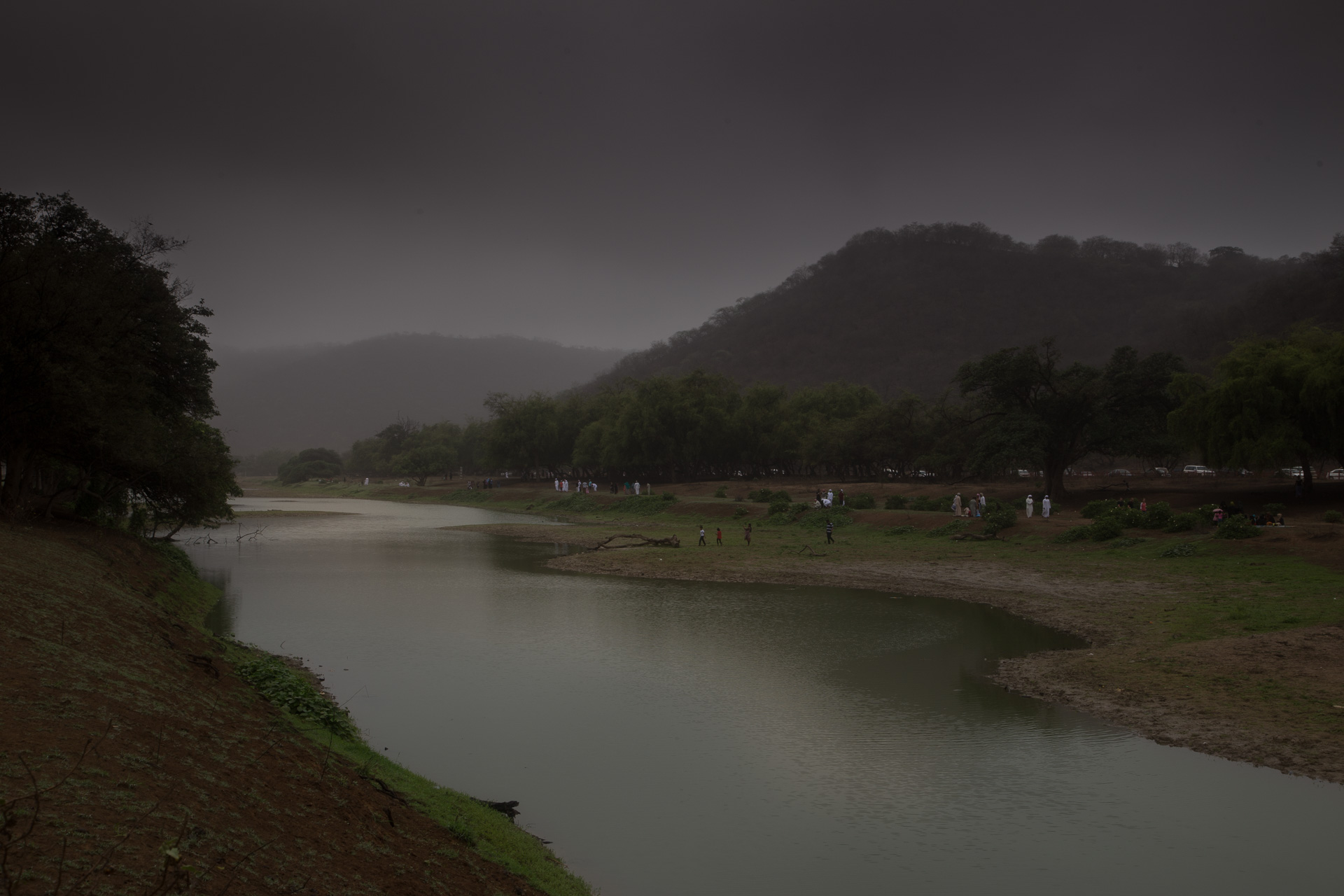
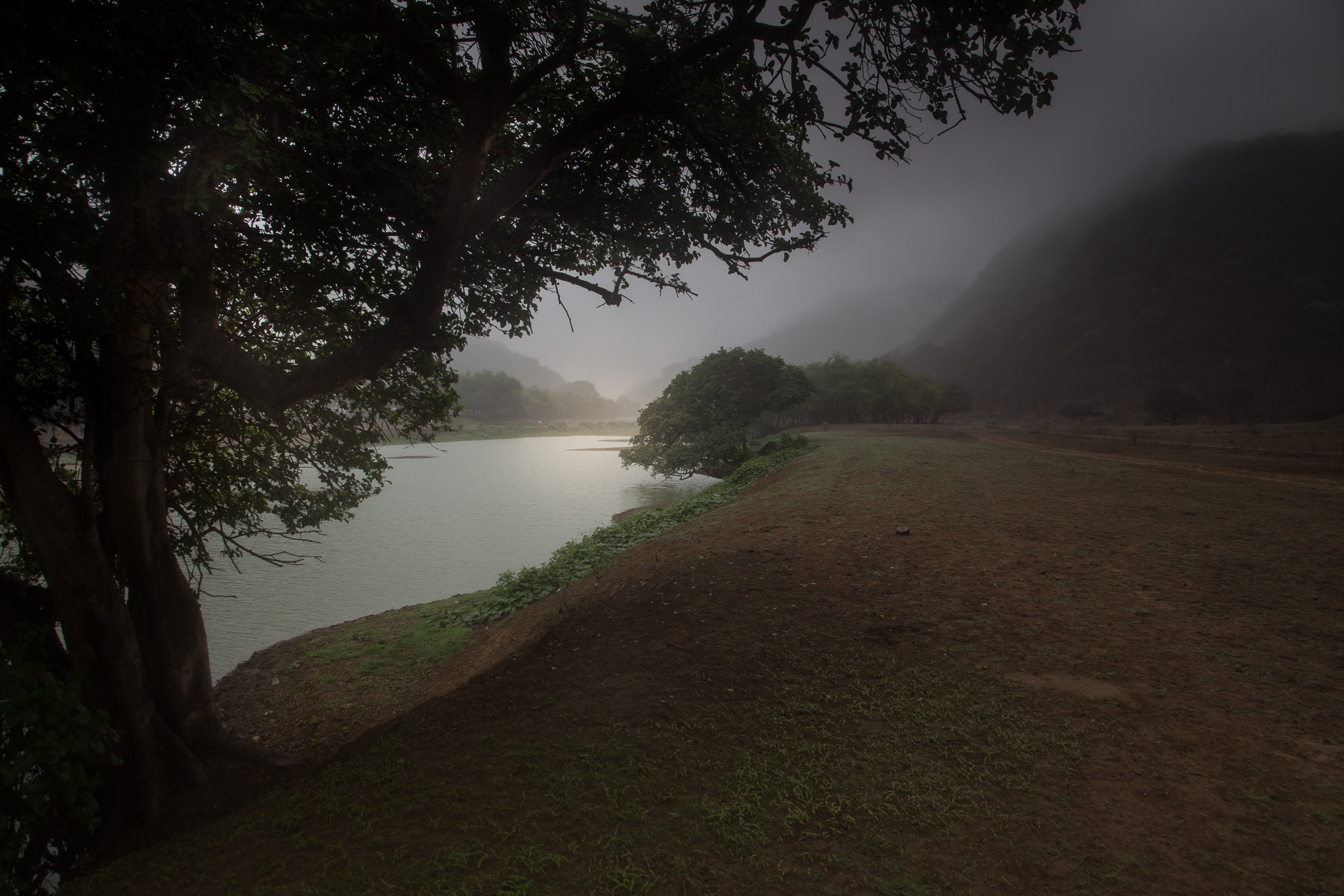
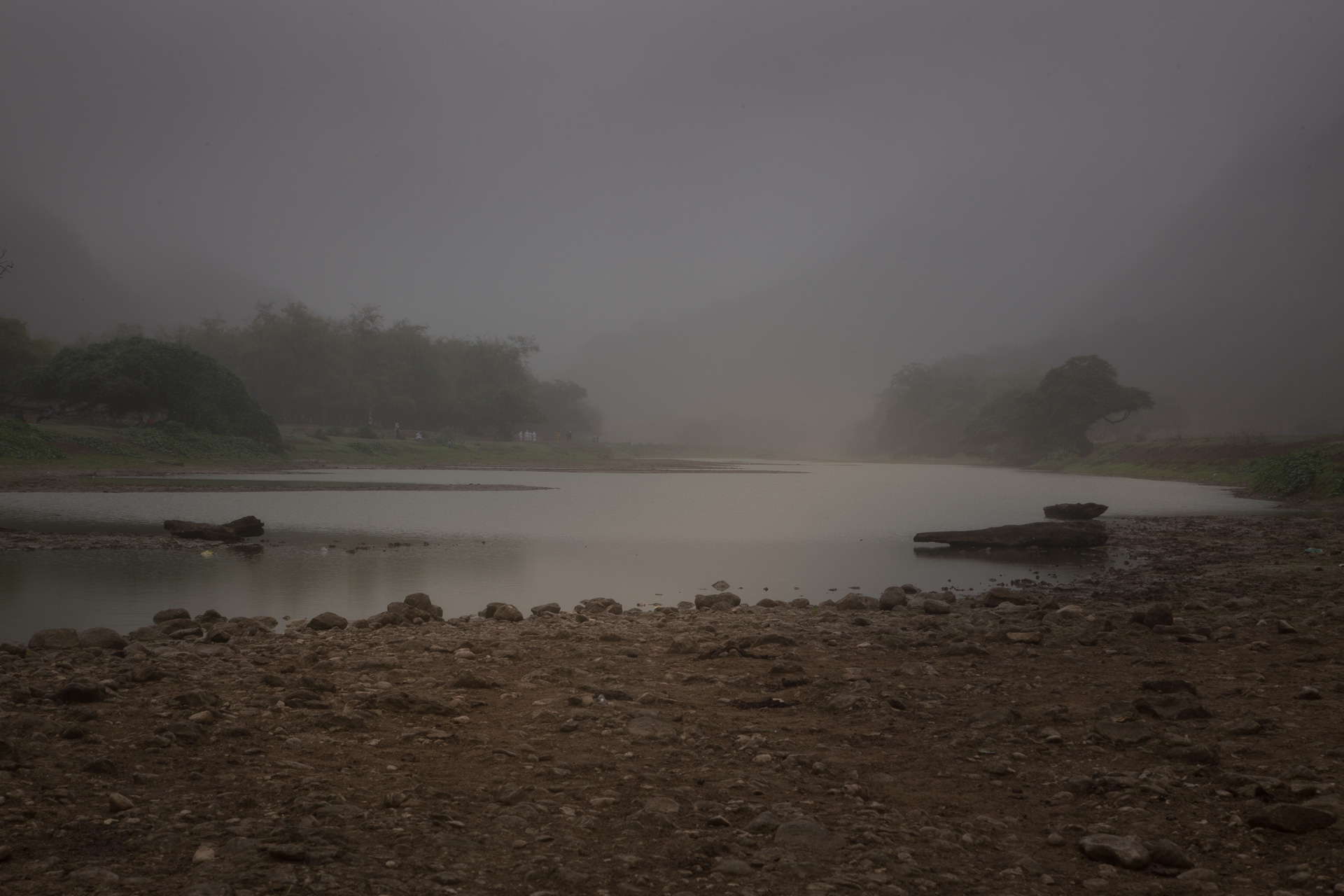
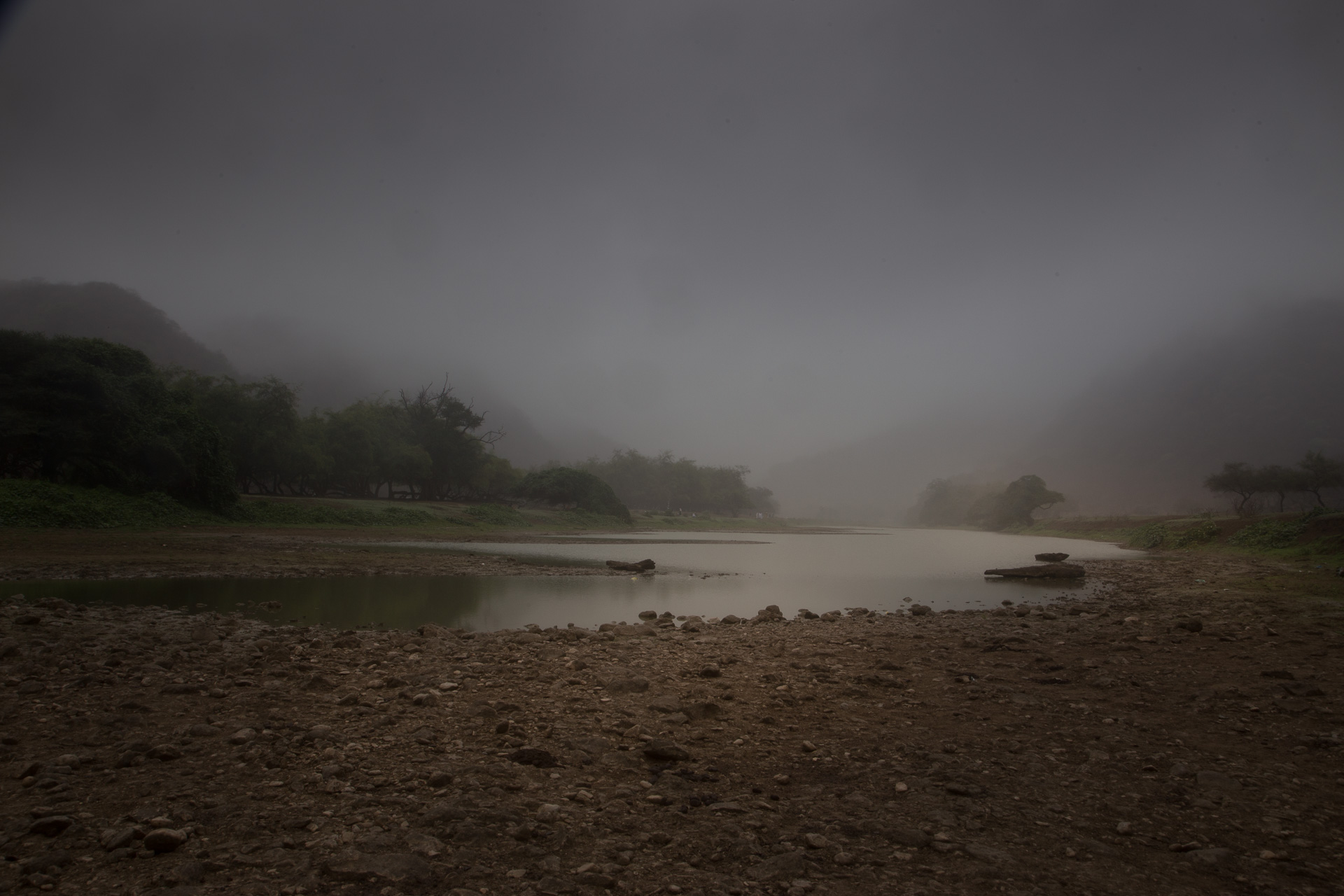
The next day saw us rejoin the crowds heading for another popular destination, the lake in Wadi Darbat. It really reminded me of August Bank Holiday in the Lake District. Queues of traffic with glimpses of the scenery through the drizzle.
We eventually parked and were able to enjoy a leisurely stroll through the light rain which eventually stopped altogether. I suspect that most of the locals would have been disappointed by this. Most seemed more than happy to set up their deck chairs while it was pouring down.
We were now feeling as though we had finally experienced the real Khareef and headed back into the mist once more in search of some baobab trees.
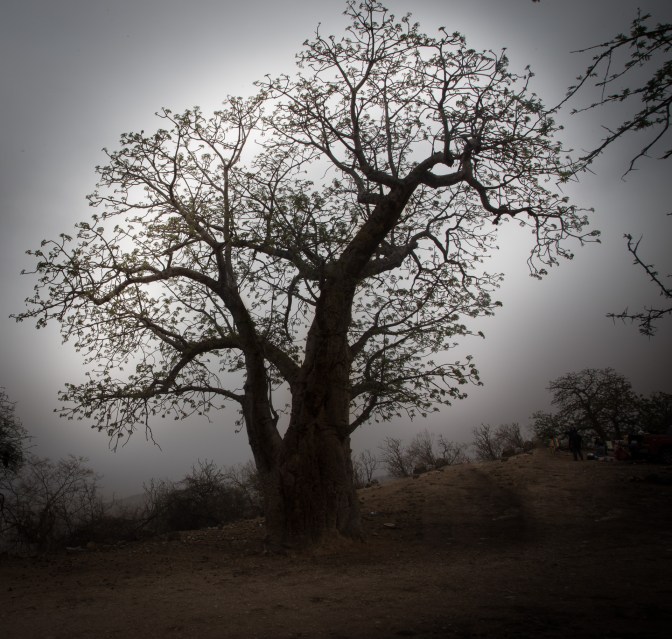
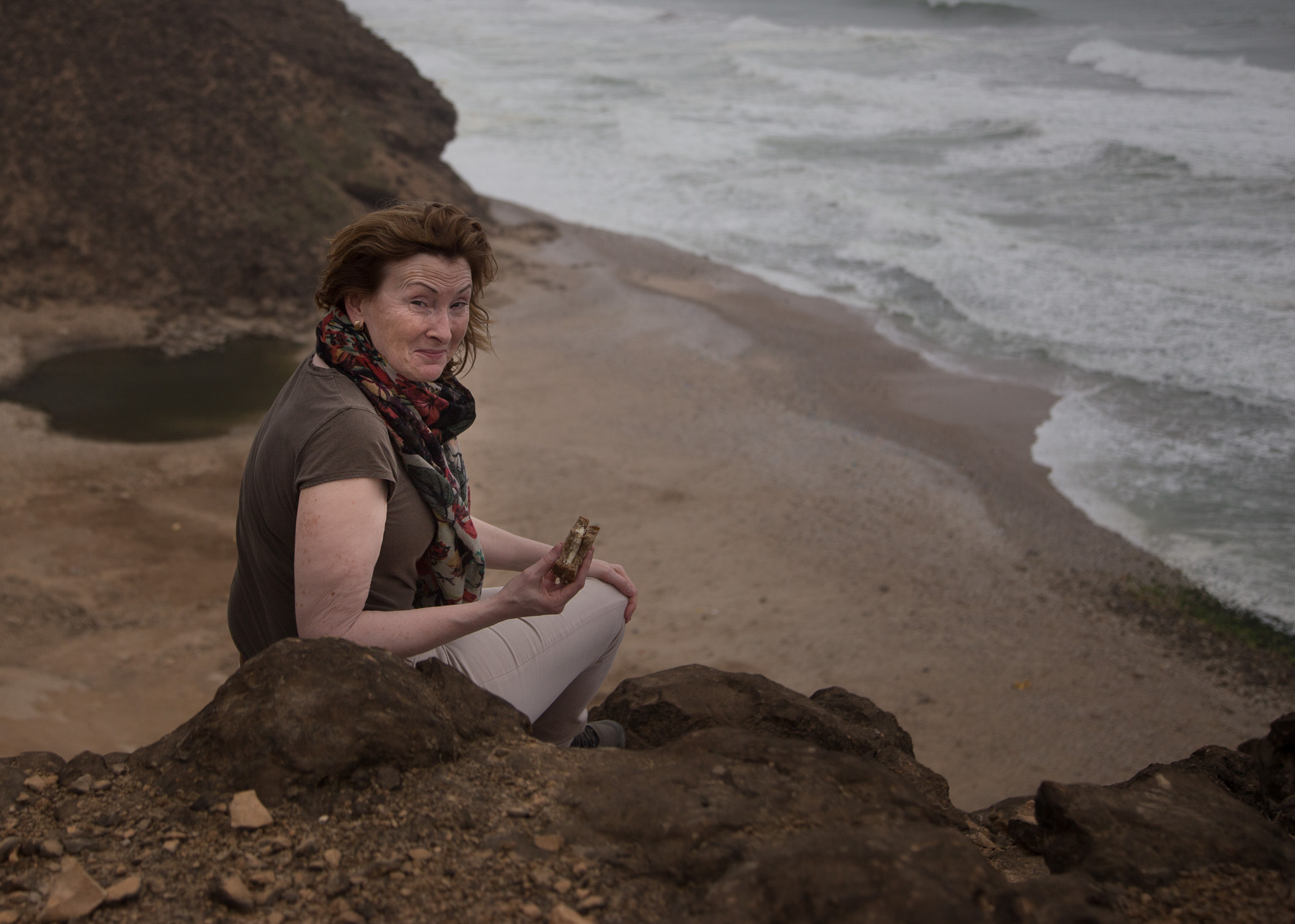
This fine specimen was perched on a hillside overlooking the ocean just on the edge of the mist. A perfect spot for lunch.
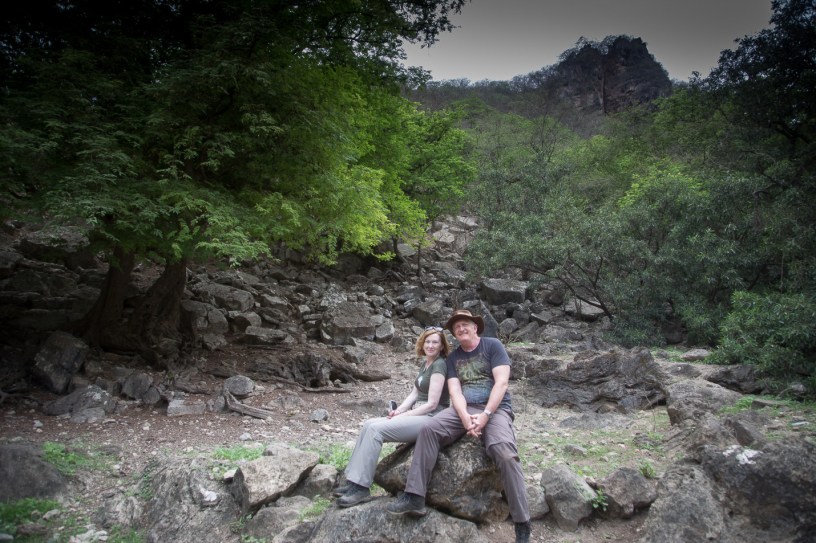
As usual the locals picnicked next to their cars. We chose to walk about 100m and were rewarded with a beautiful leafy glade all to ourselves. In New Zealand or England we probably wouldn’t have bothered taking a photo but here in a land that is usually so bare the place felt really special.


 Weather is lovely, wish you were here