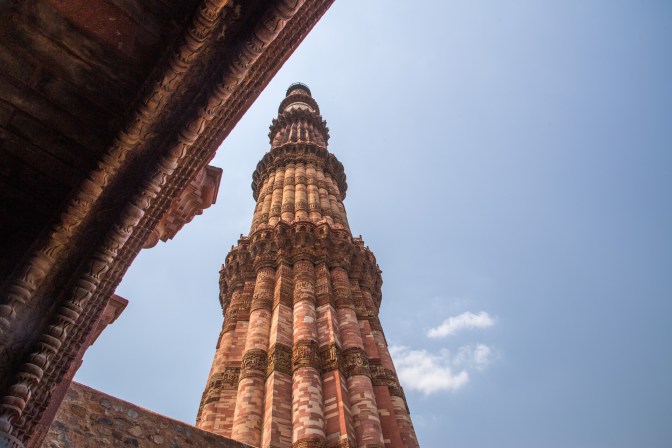
For our last day we are forced to restrict our sightseeing to just two sites. First stop is the Qutub (Qutb) Minar. At 73 metres it is the tallest brick minaret in the world and the whole complex is (of course) a World Heritage Site.
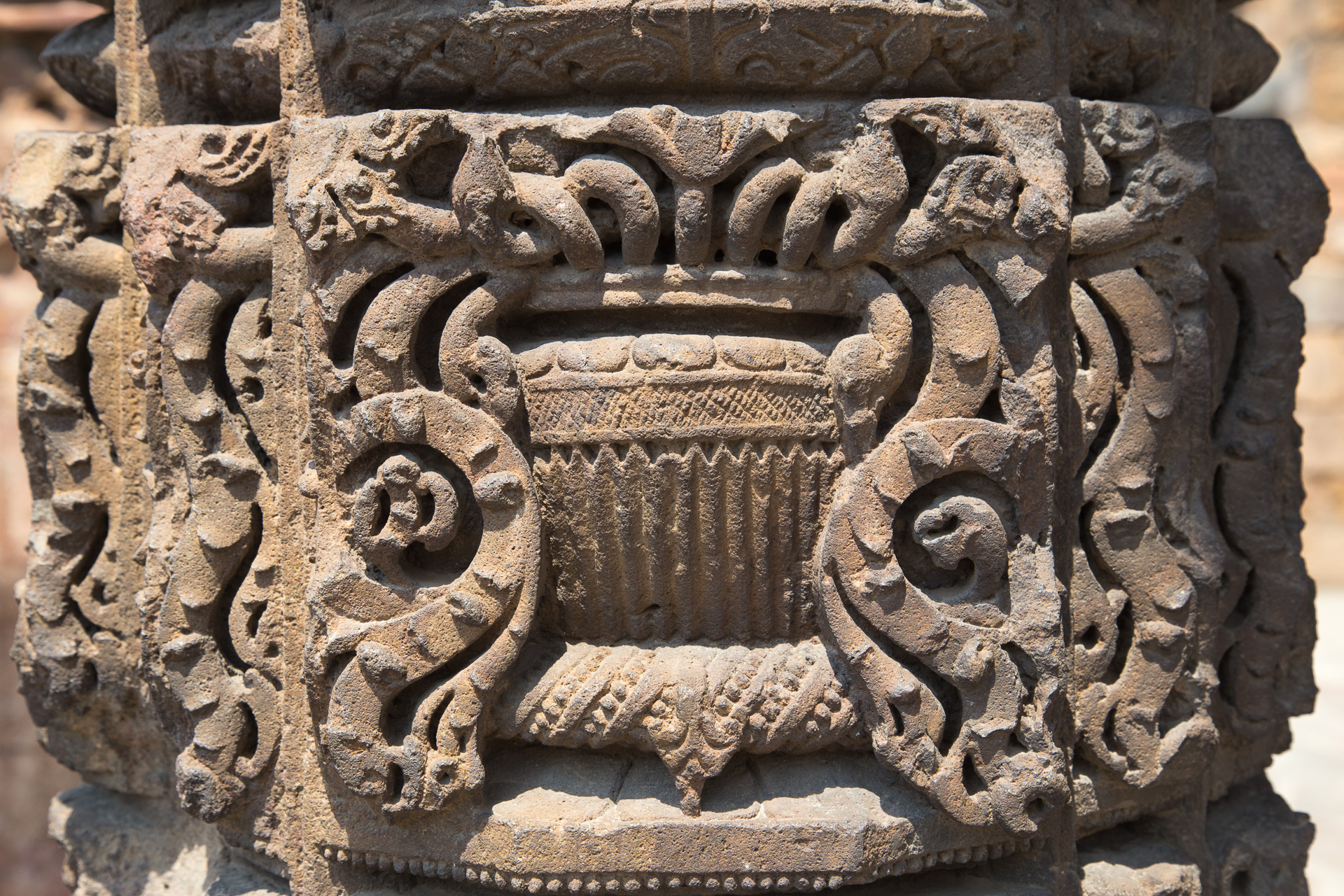
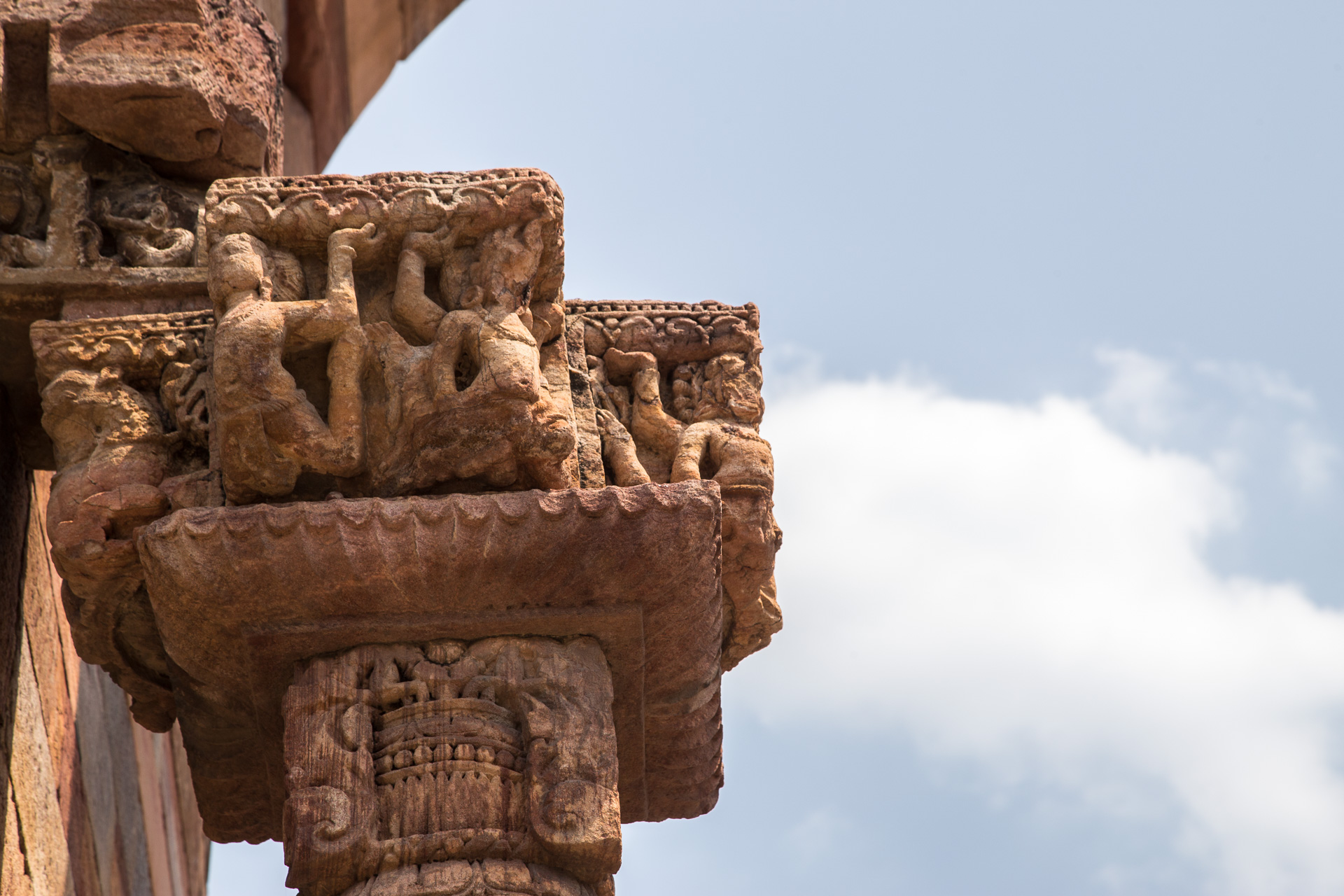

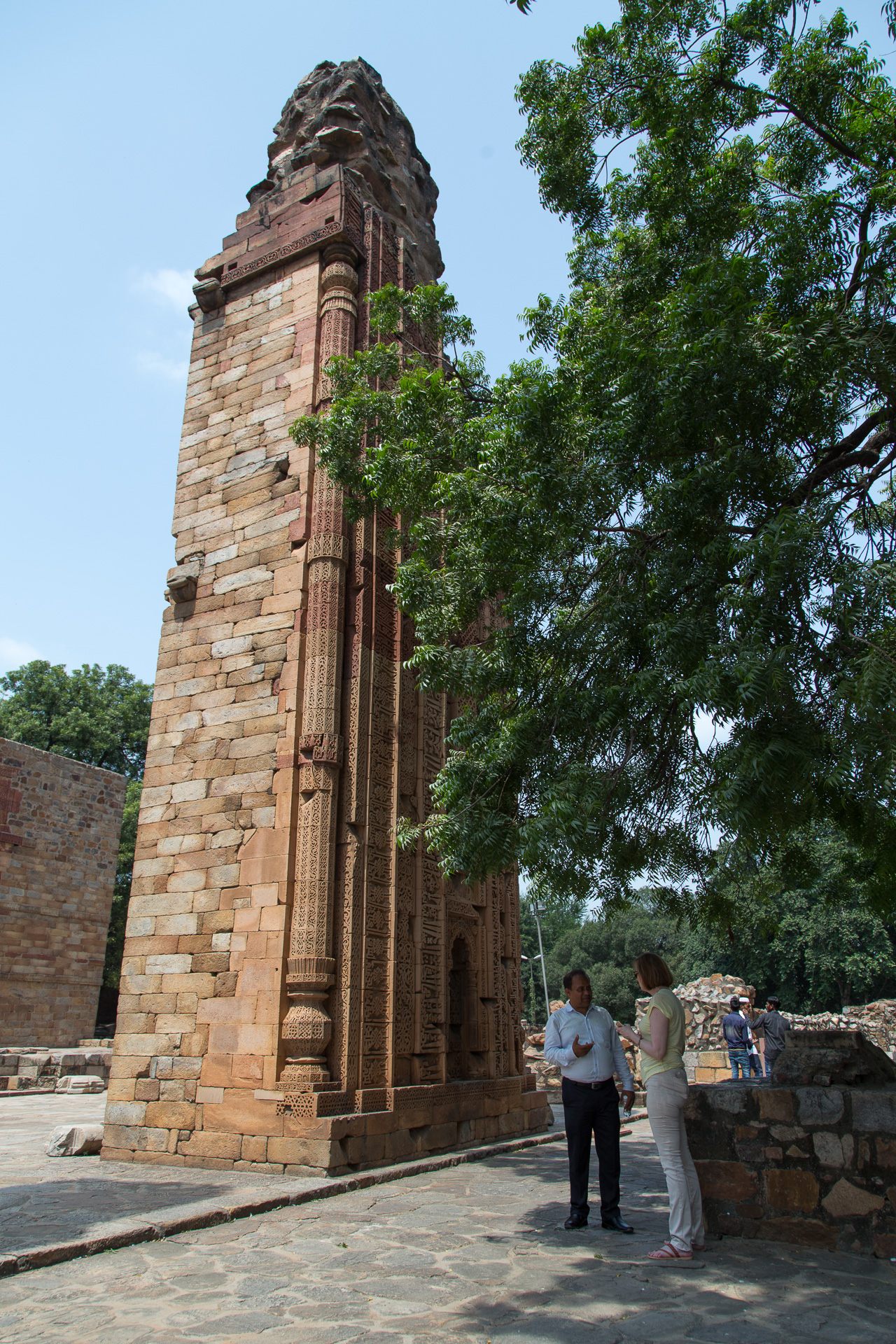
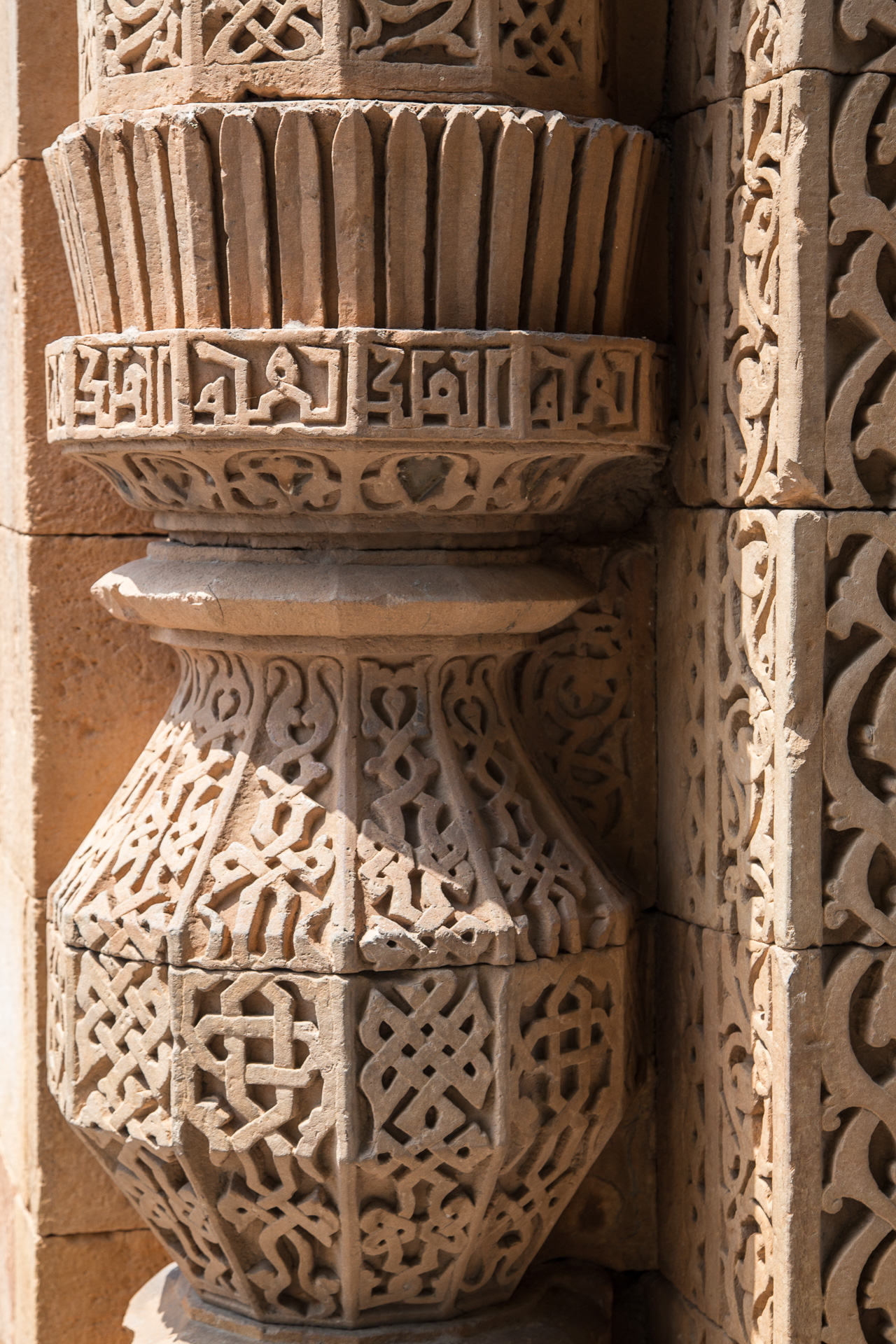
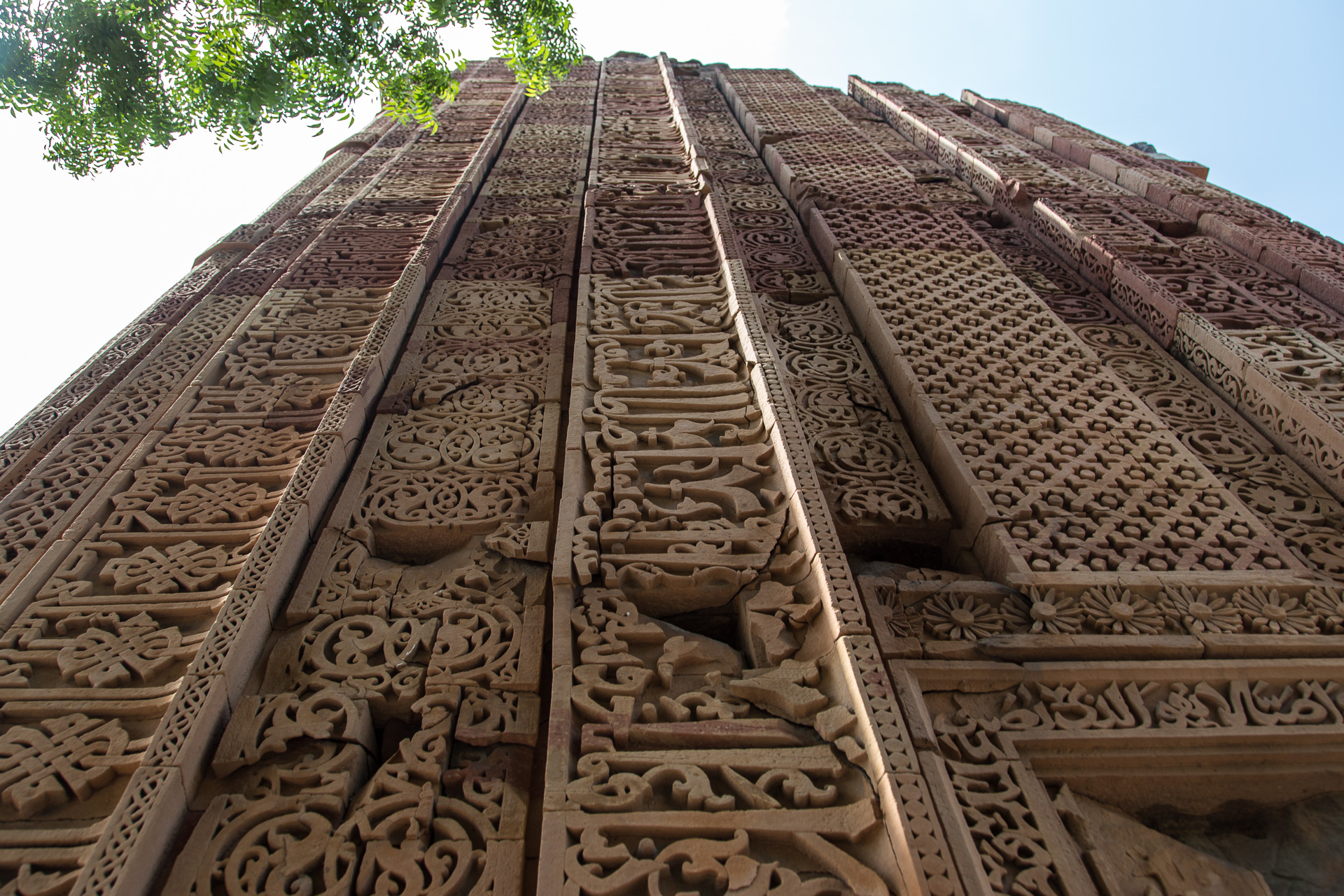
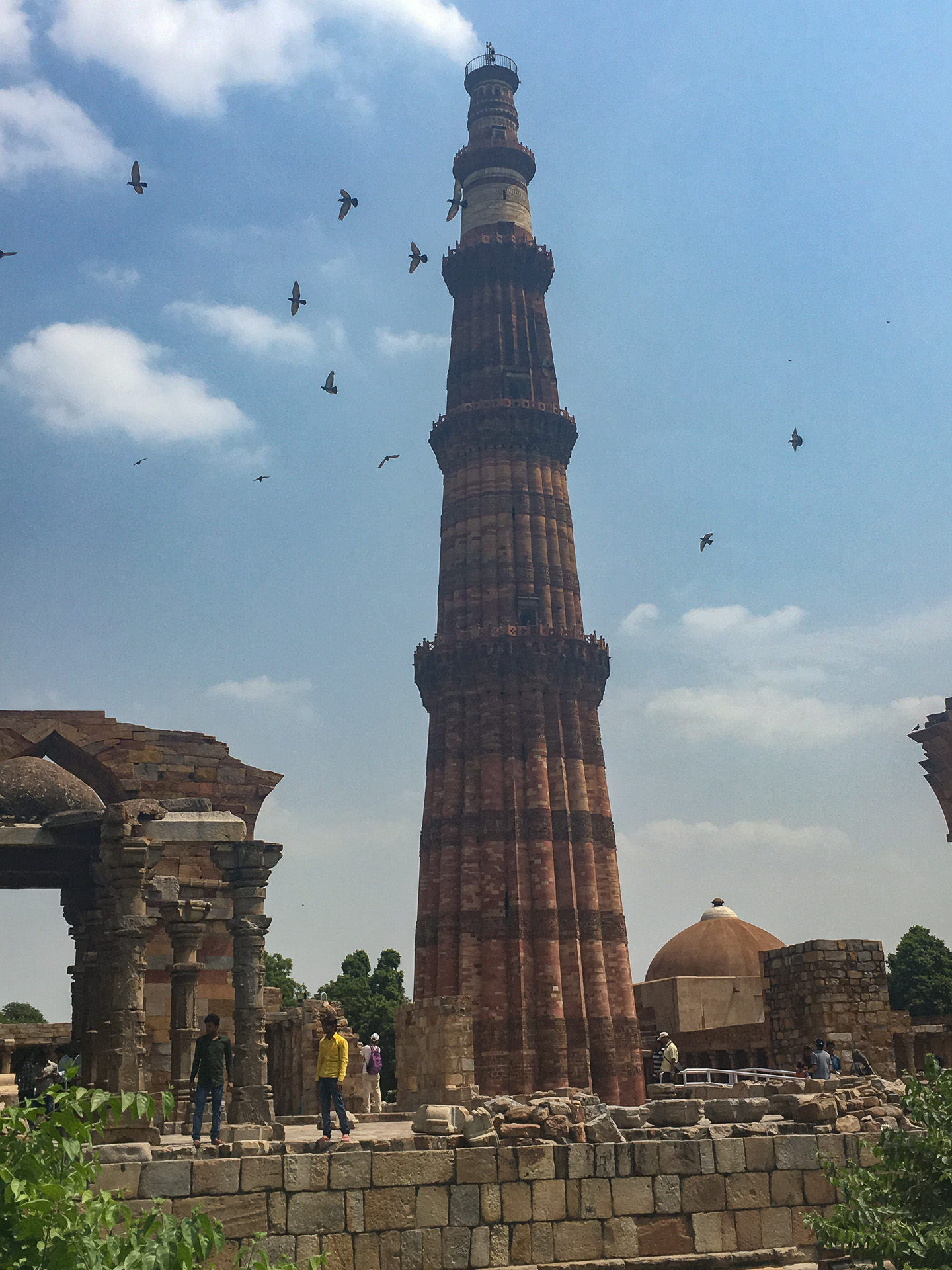
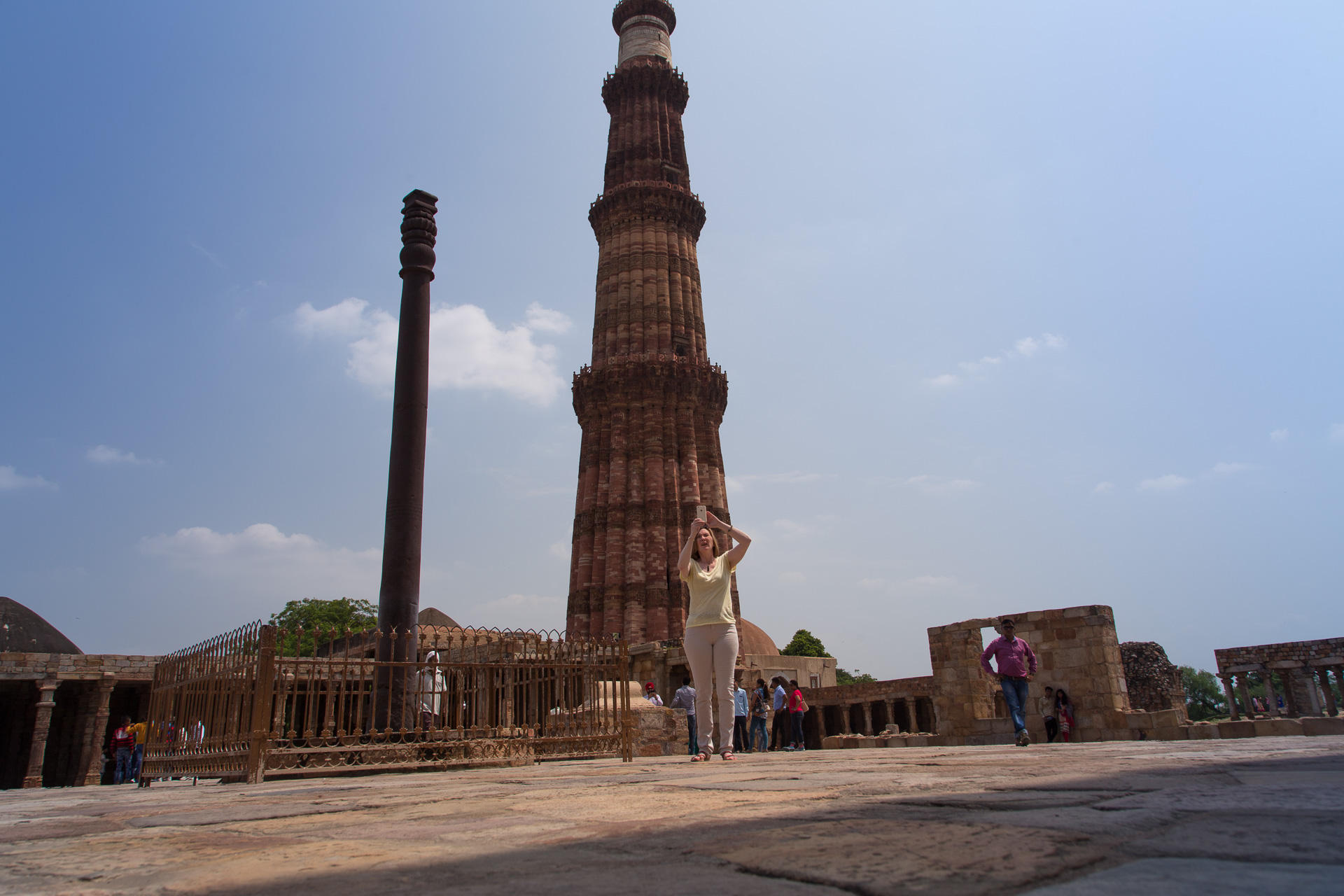
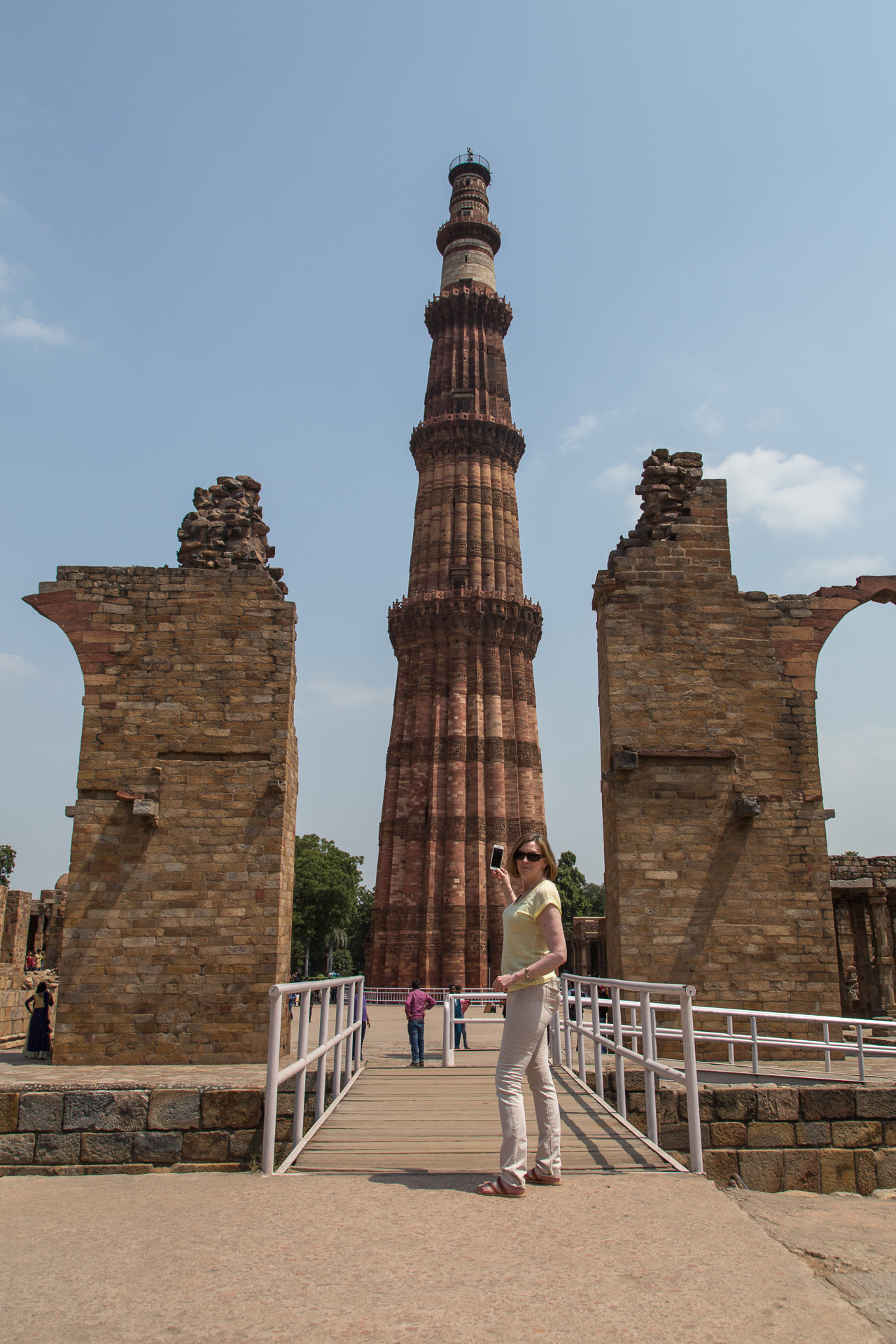
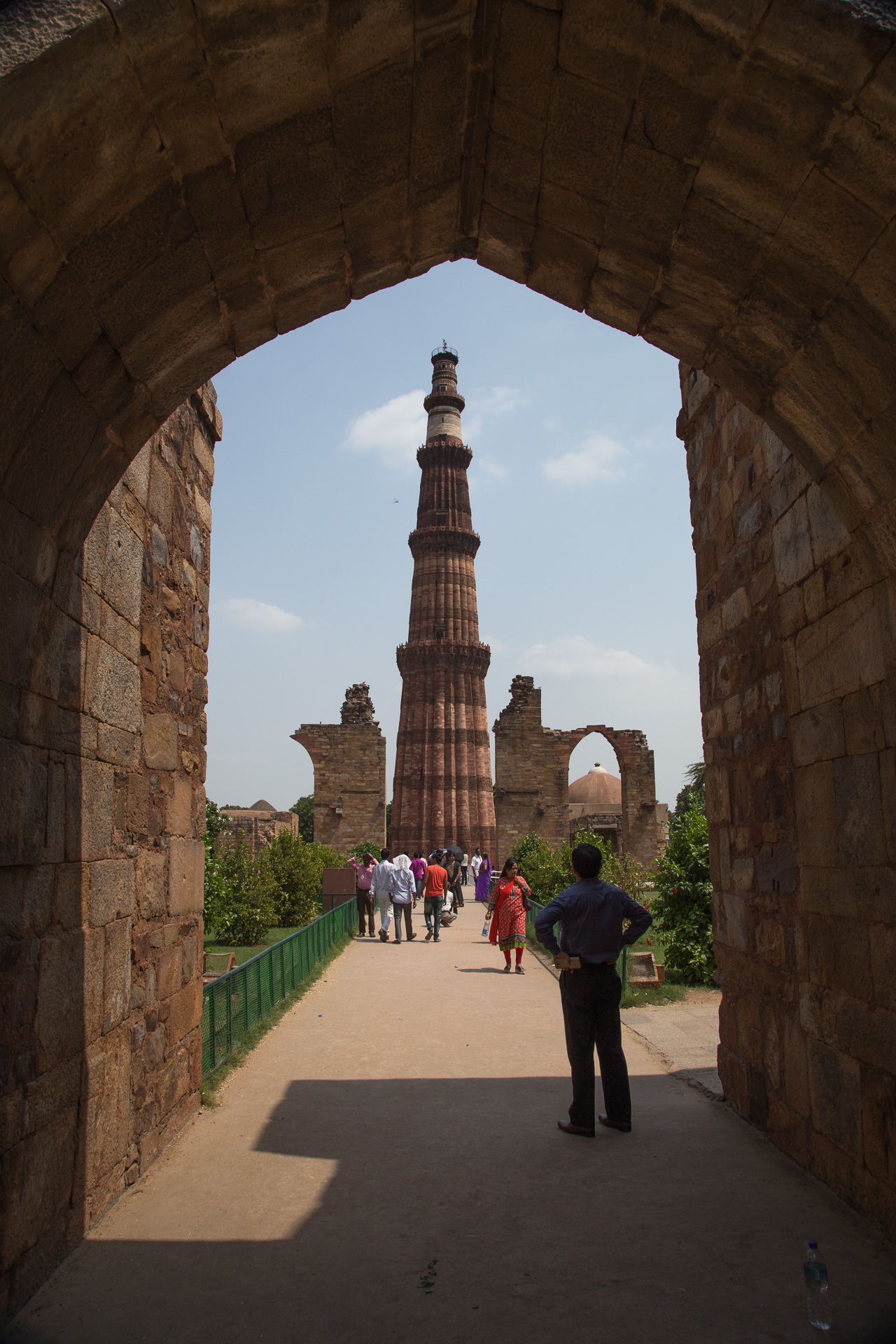
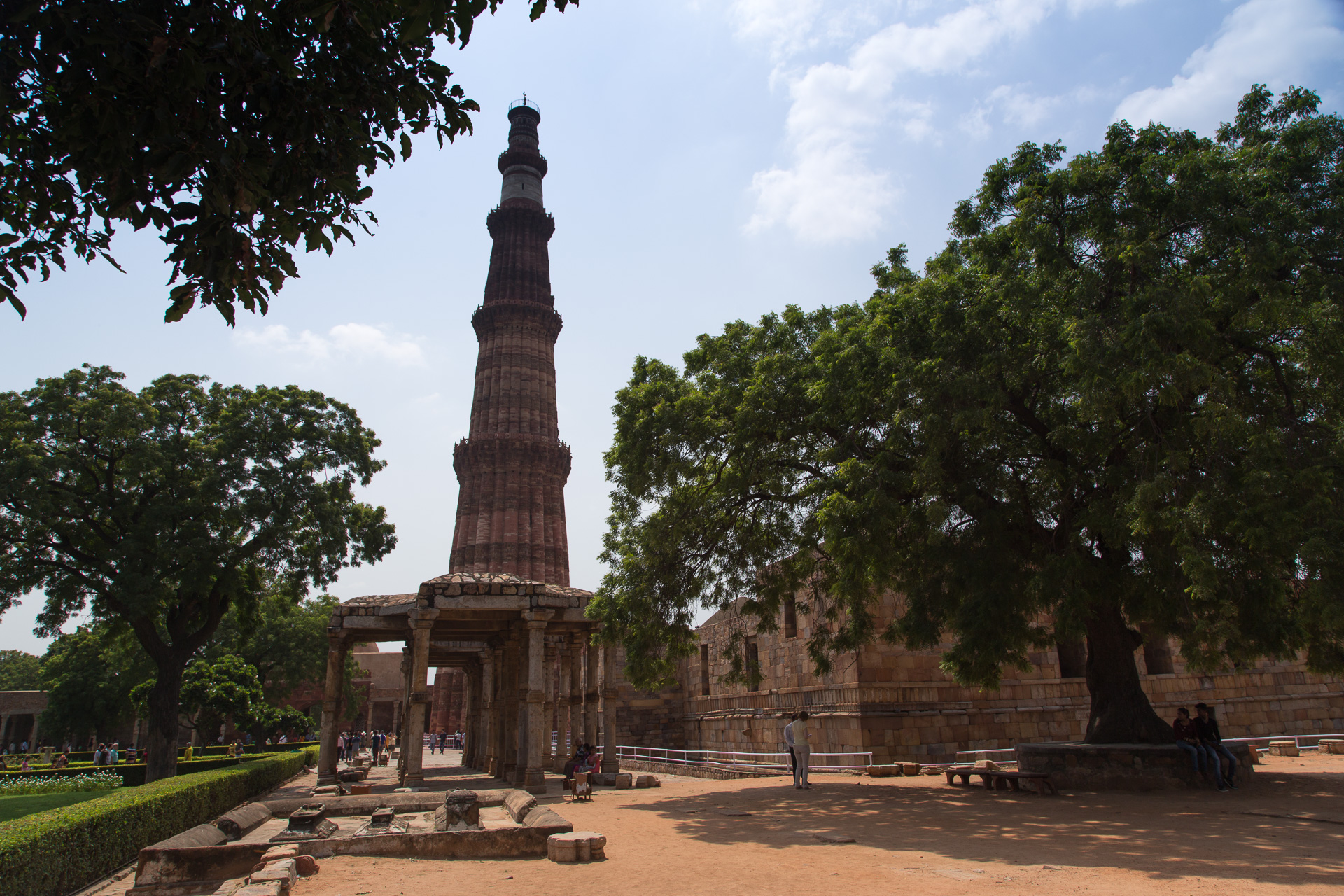
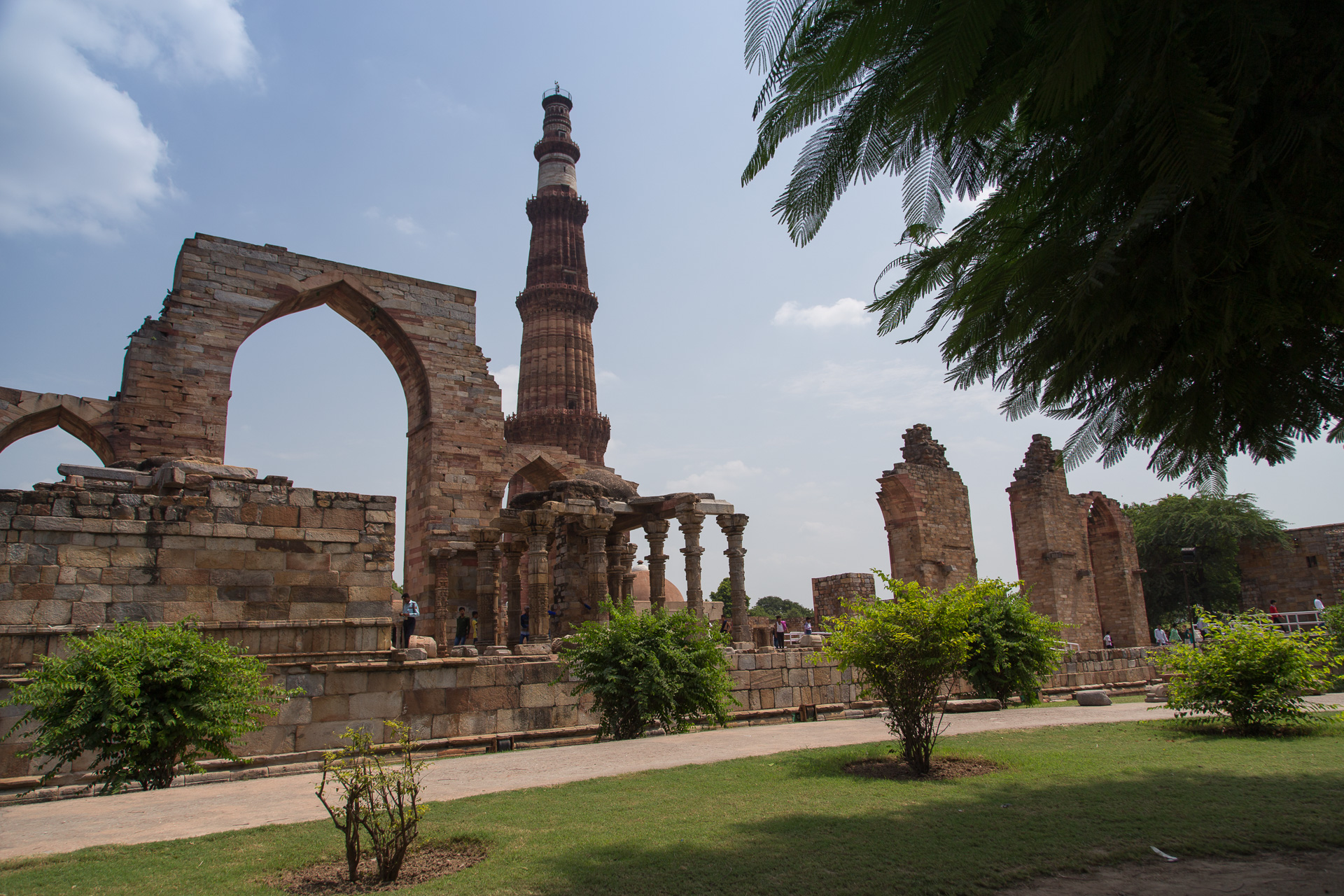
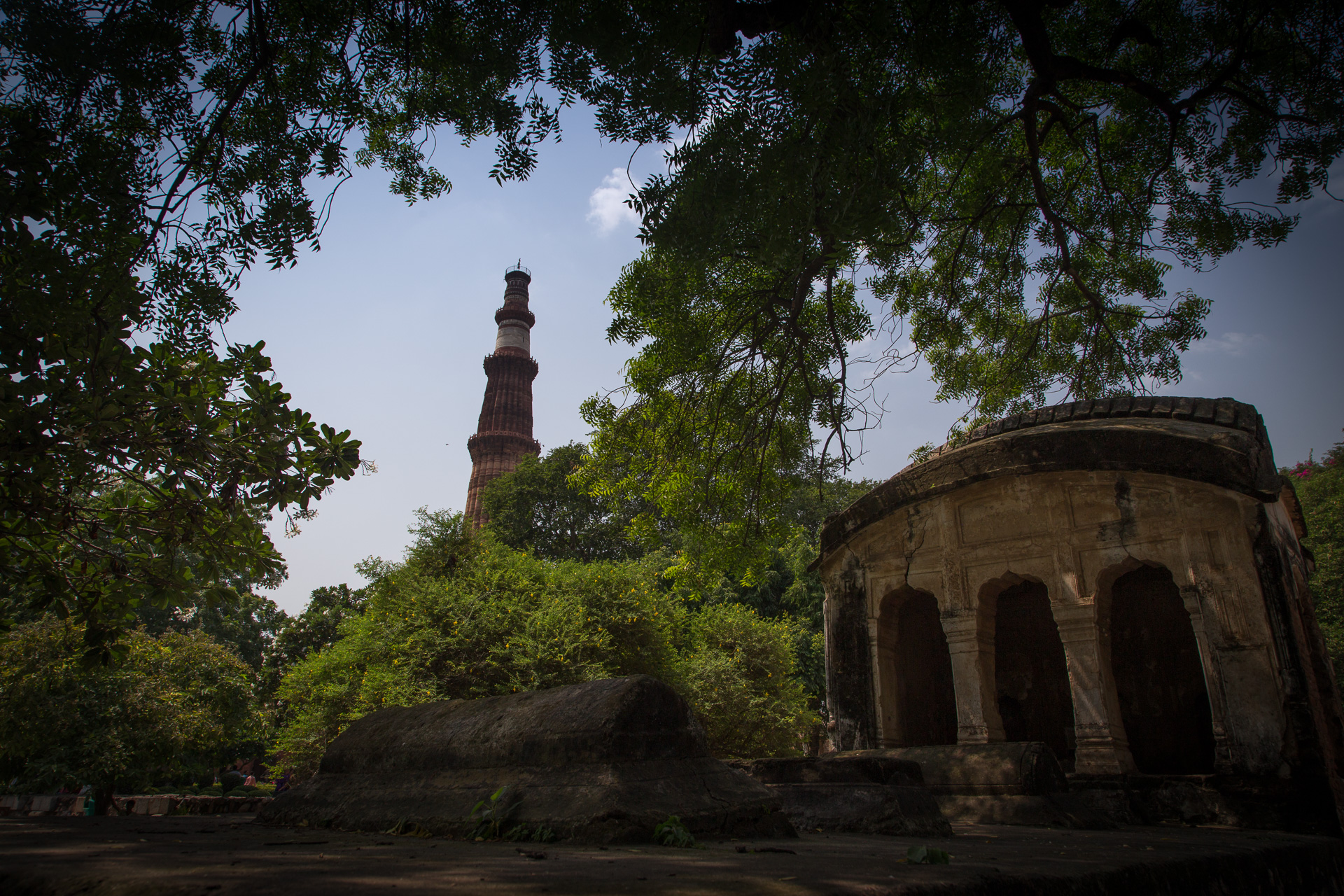
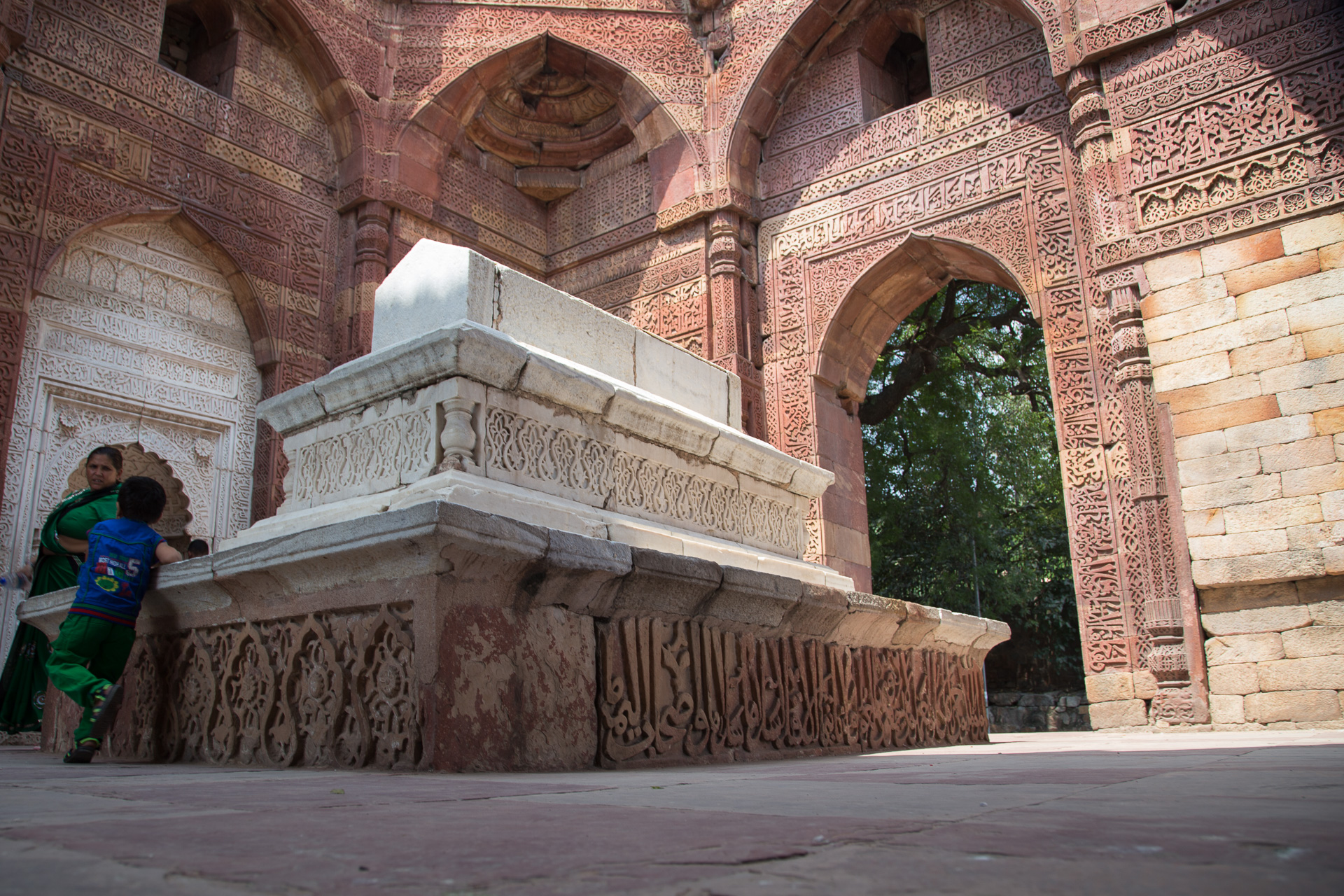
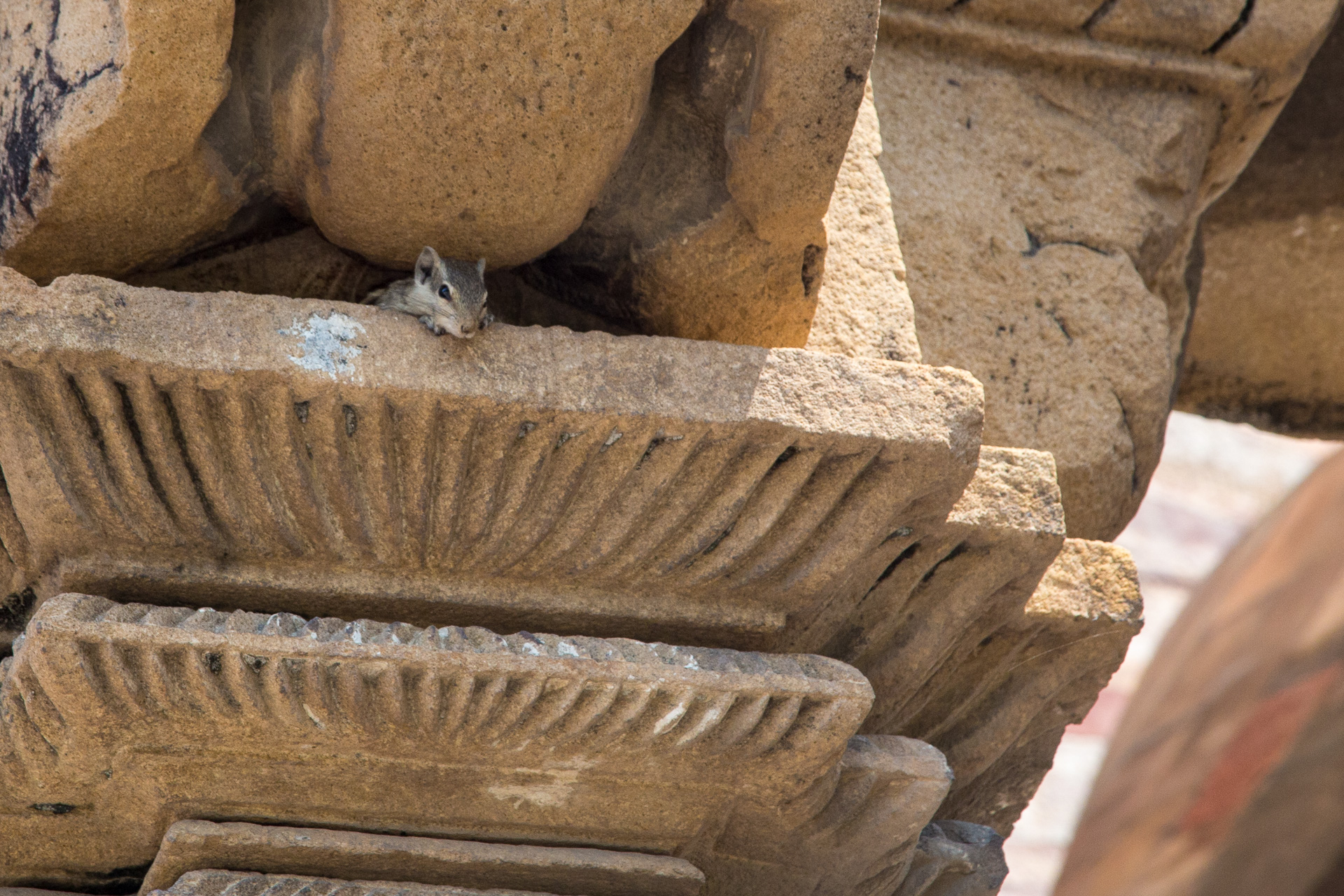

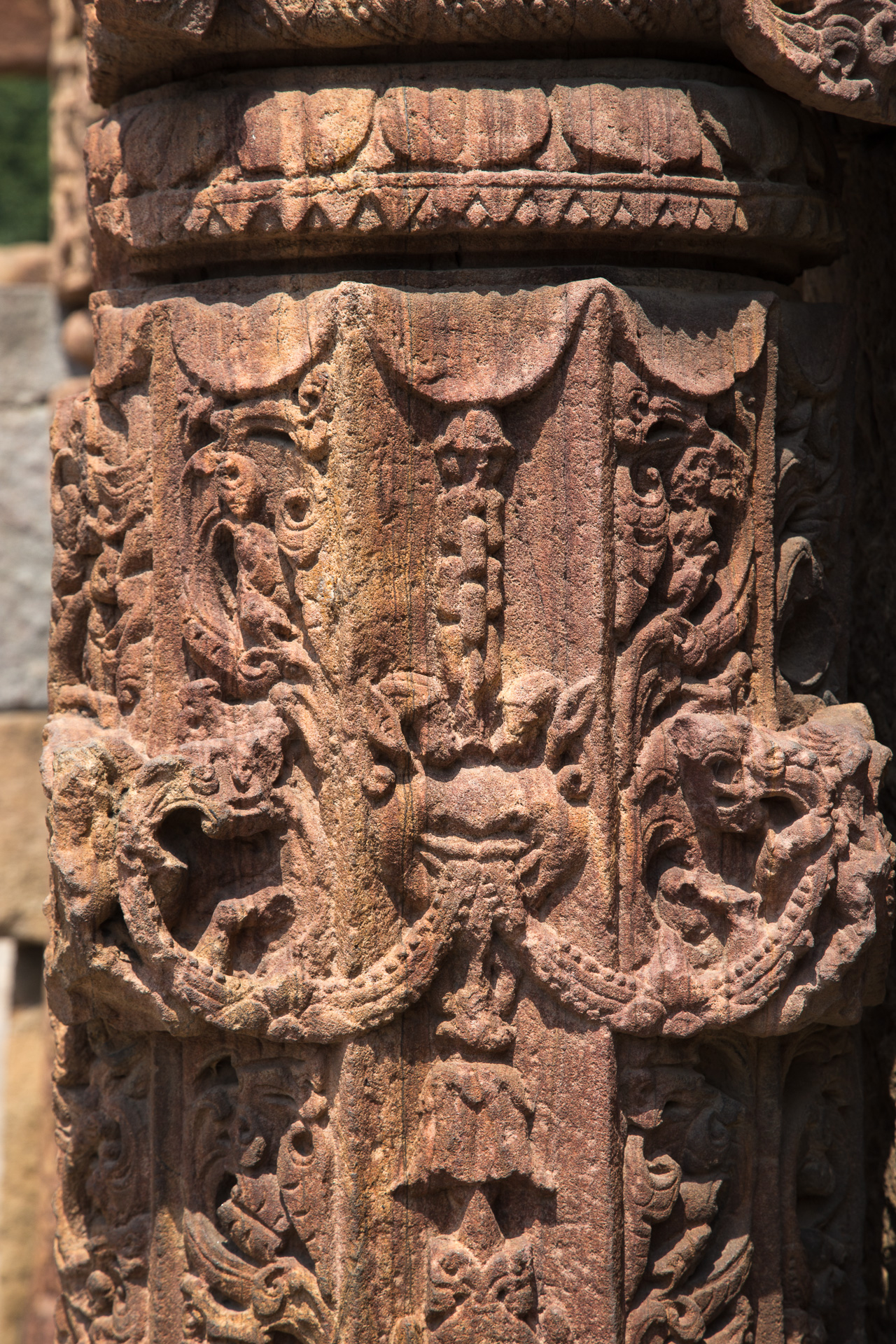
Much of the site was originally Hindu and Jain temples and the original carvings can still be seen in some of the columns.
The Jains (as the local artisans) were required to construct the new mosque and carve the inscriptions for the conquering Afghans, and in doing so were frequently subversive. There are features such as pots, swastikas, elephants and fish – all of which would have been forbidden by Islamic architecture, but they are subtly woven into apparently geometric designs
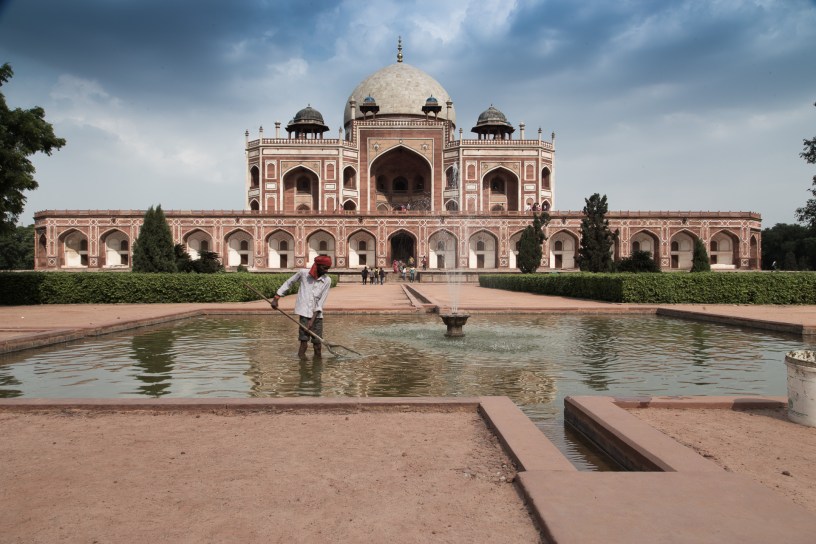
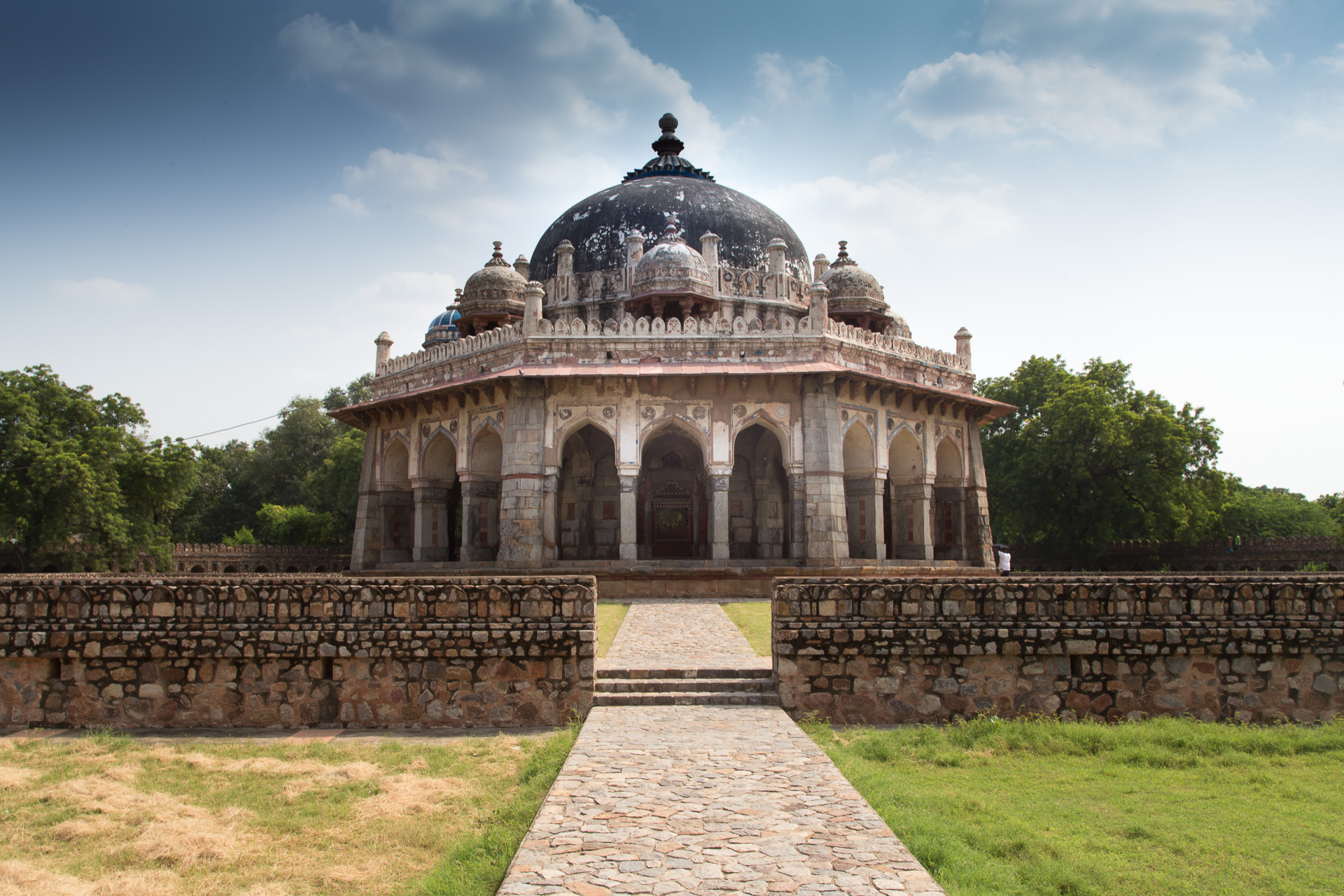
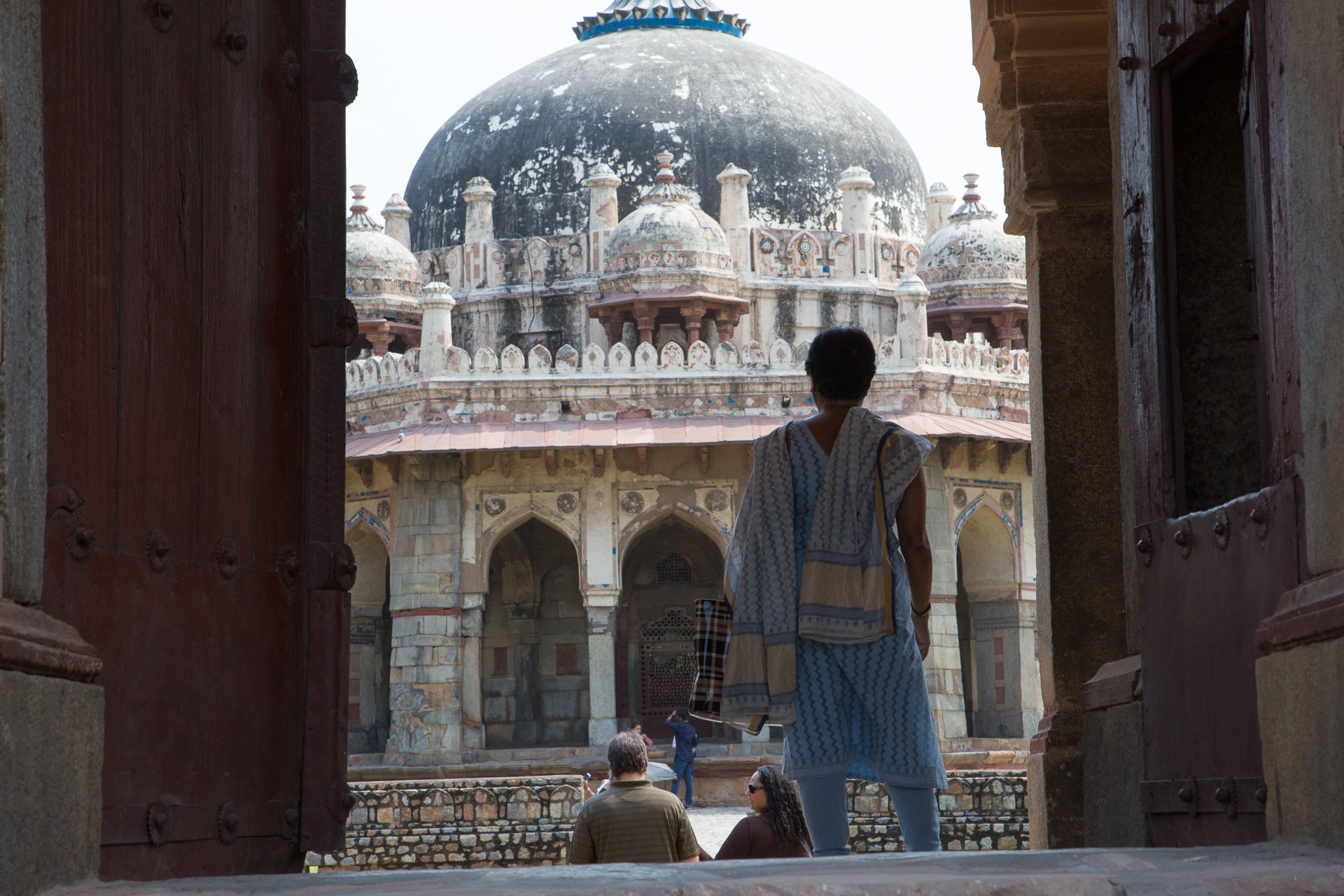
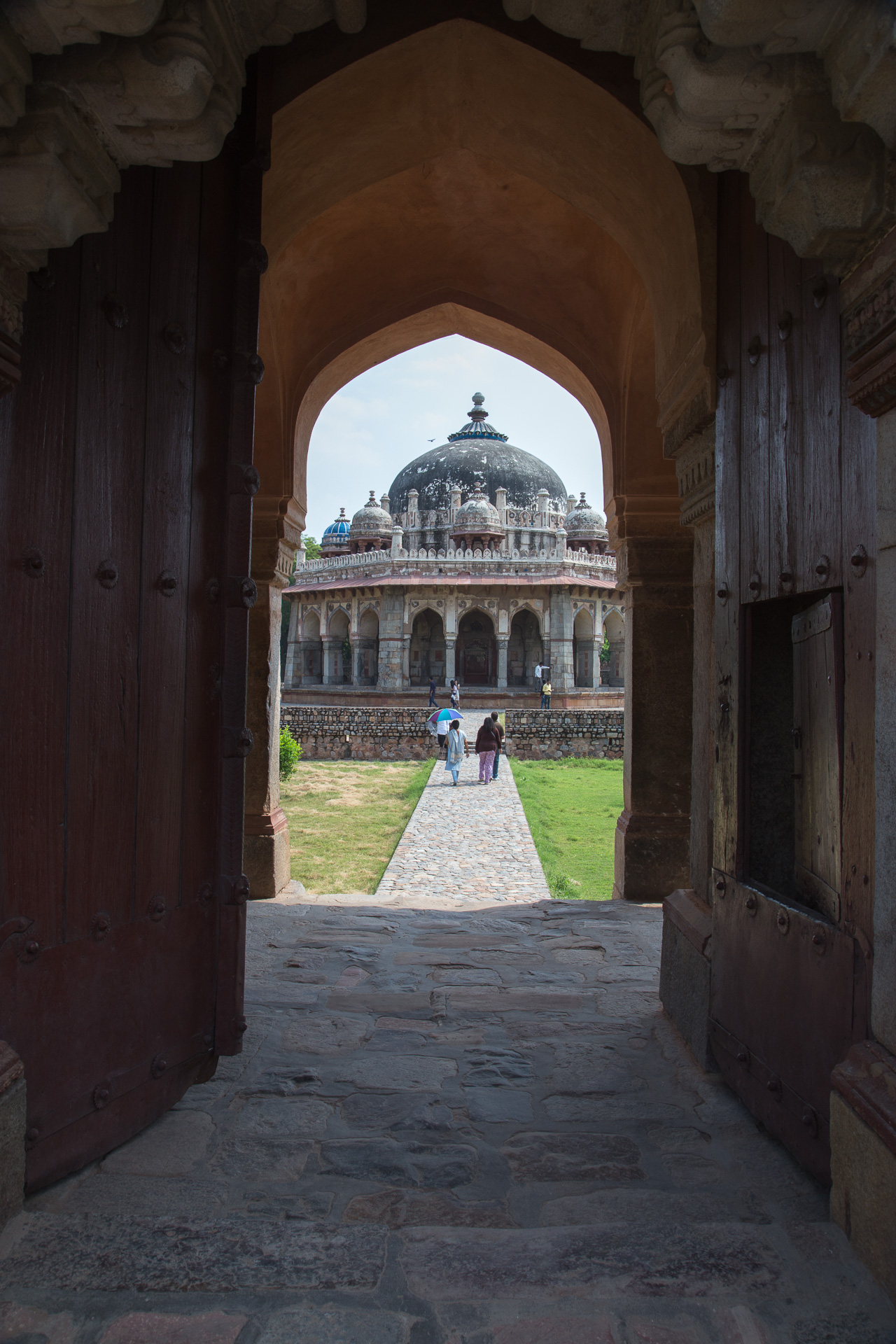
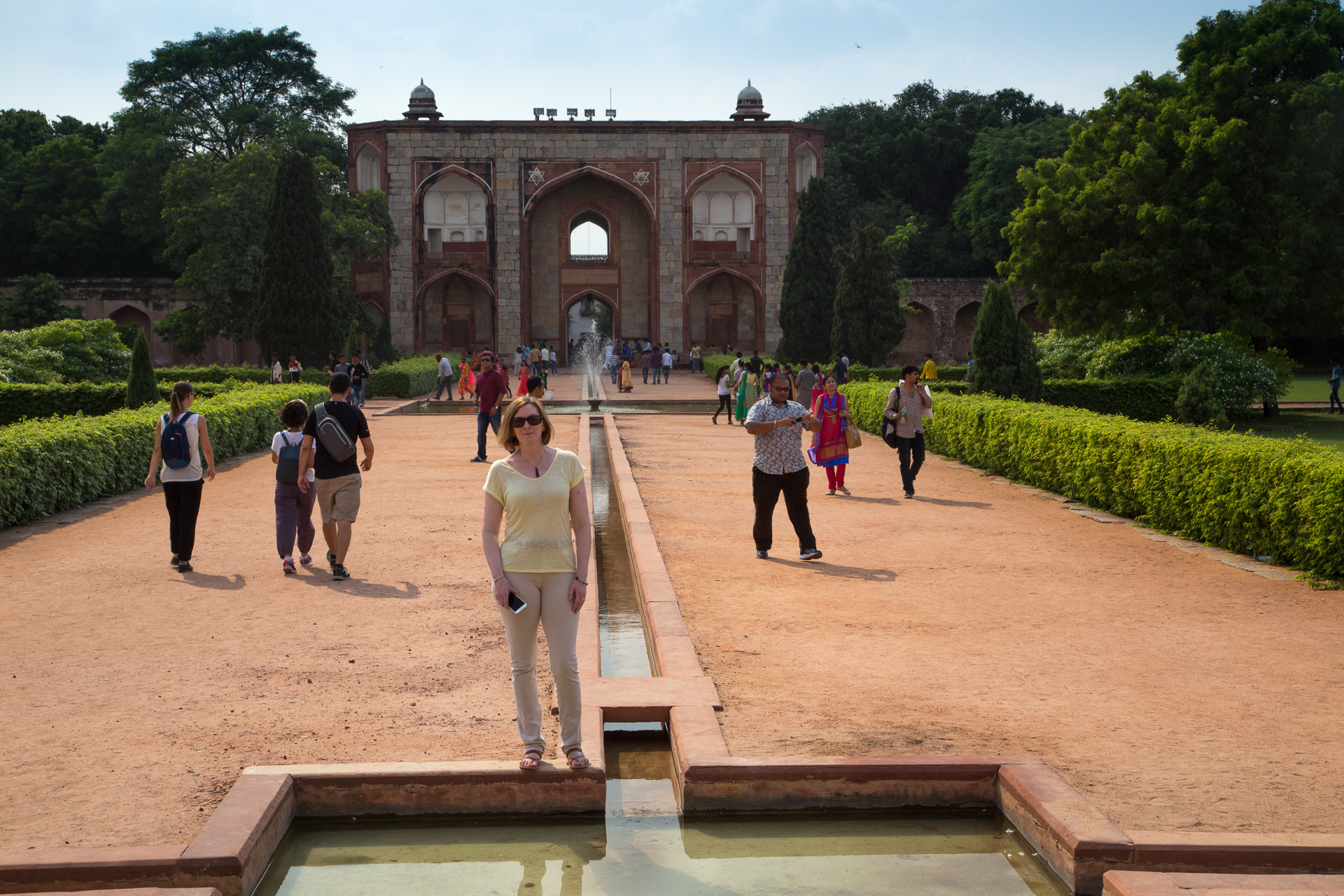
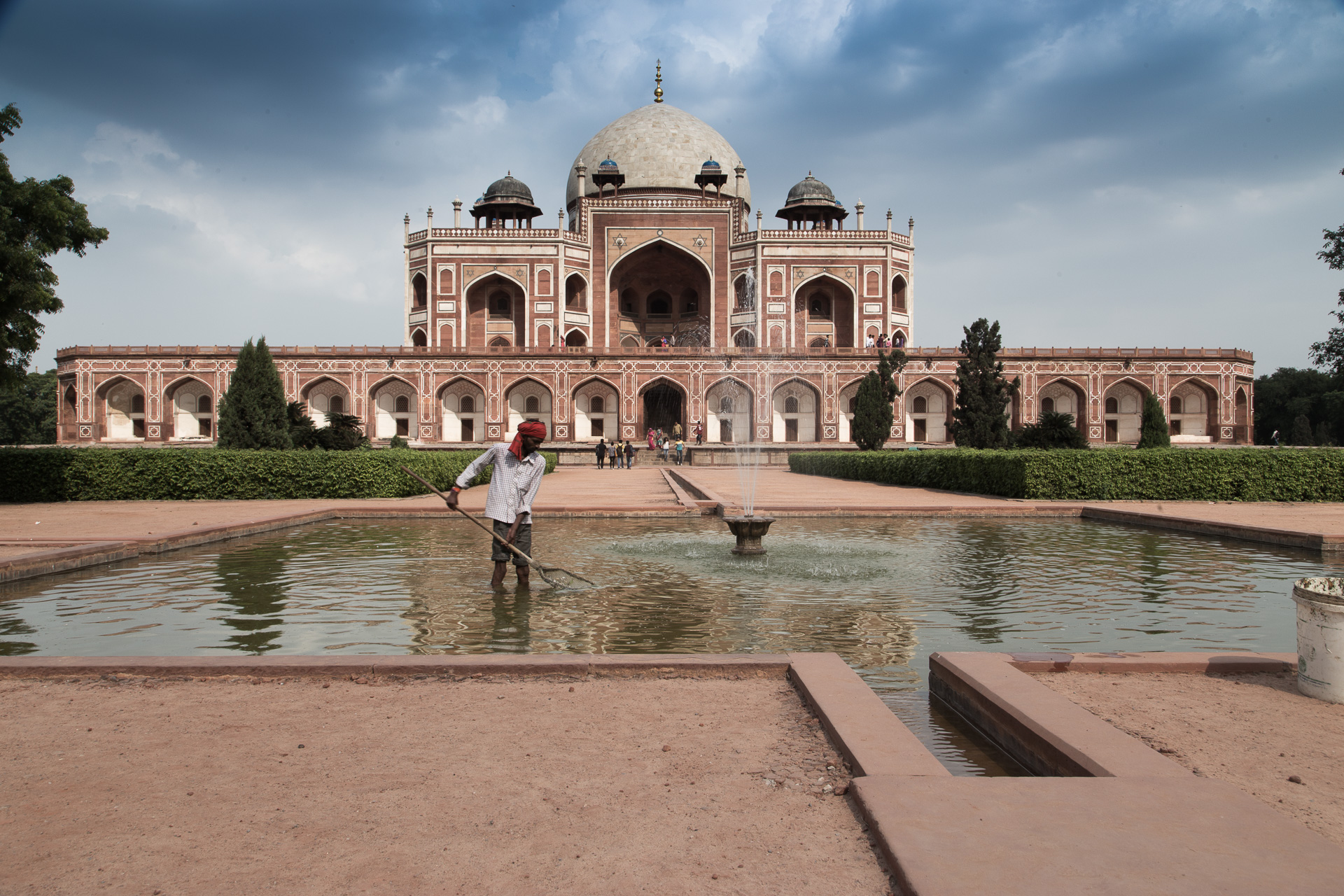
Next stop is Humayun’s Tomb but adjacent to it is the walled garden of Isa Khan’s Tomb which as recently as 2008 was completely overgrown.
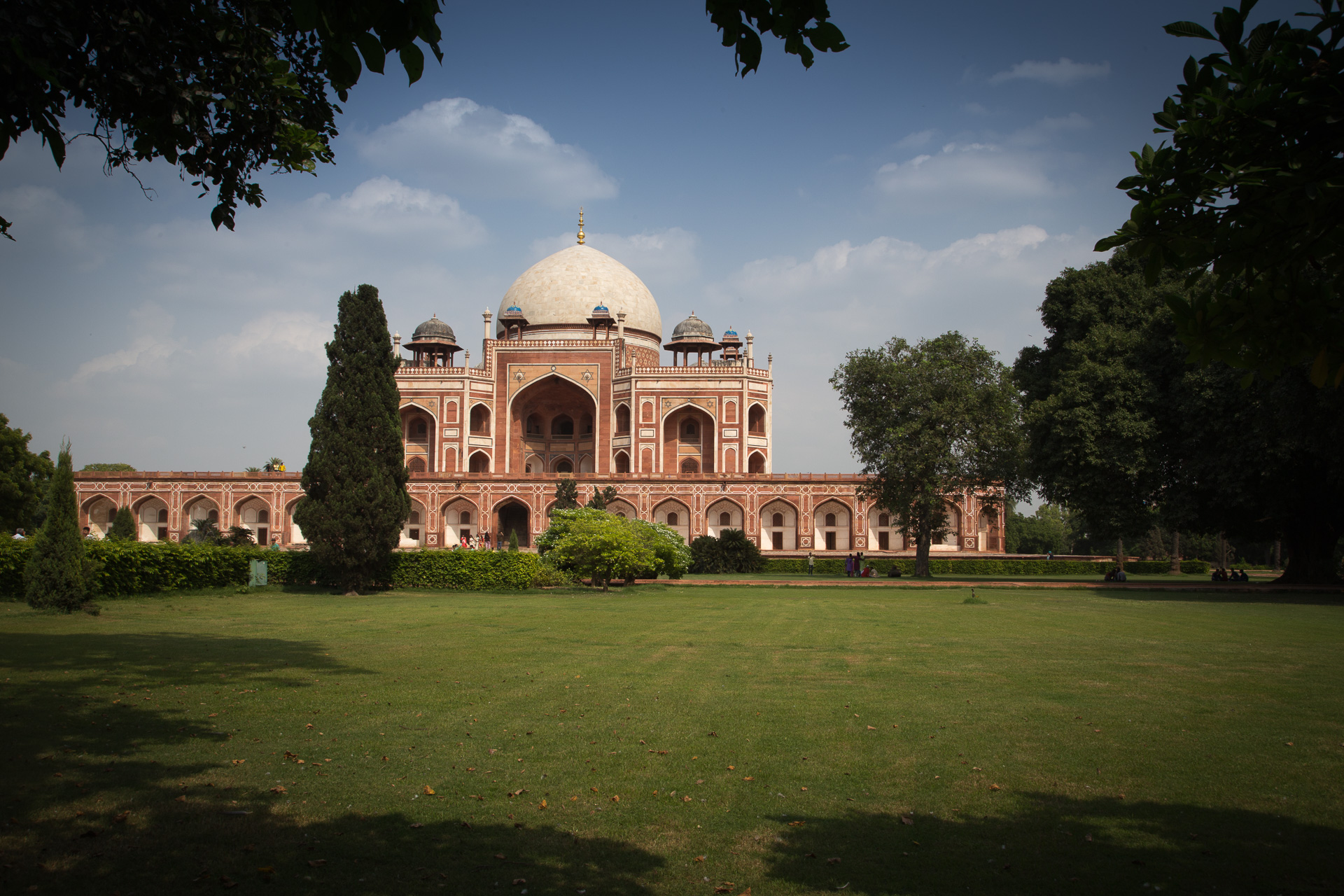
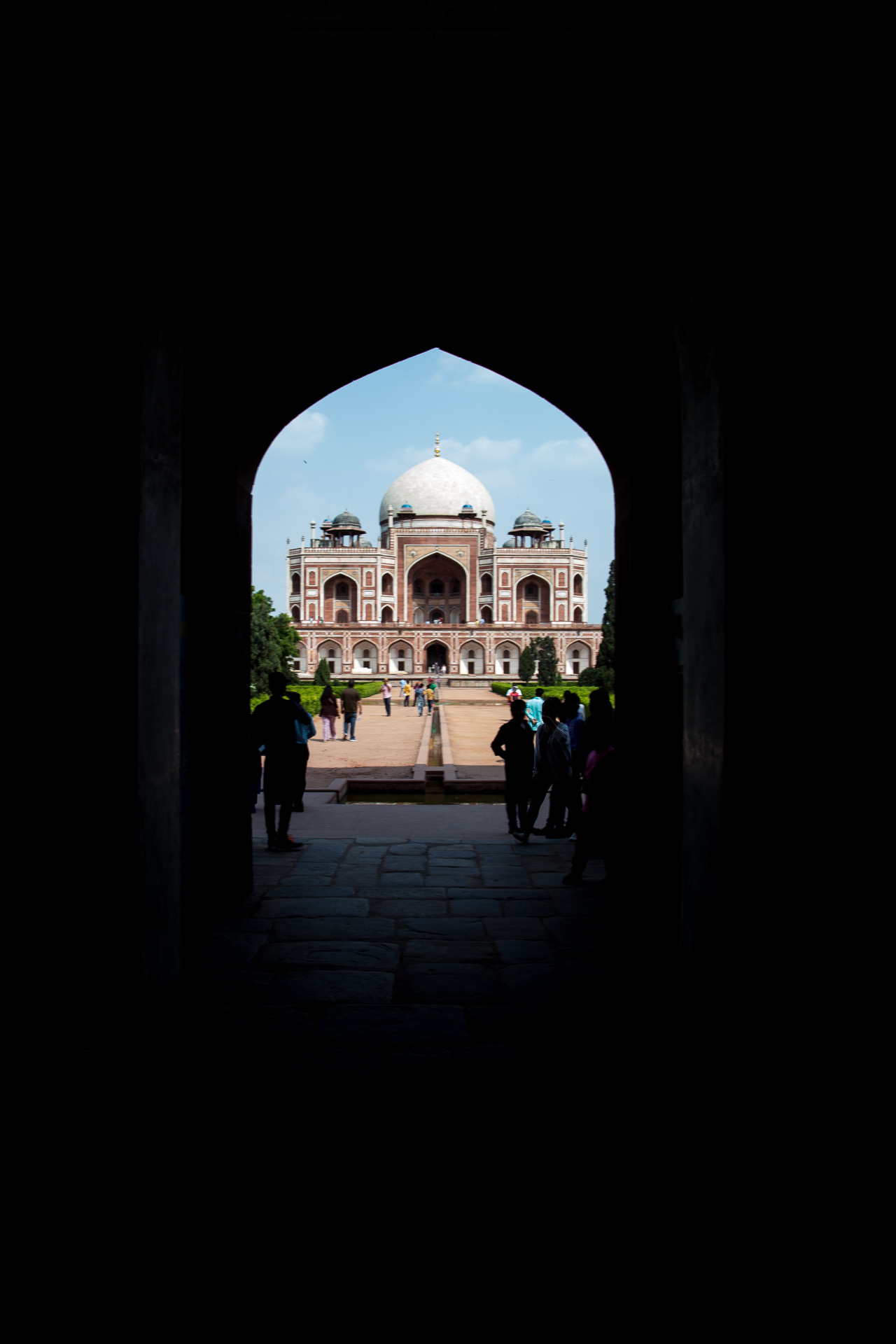
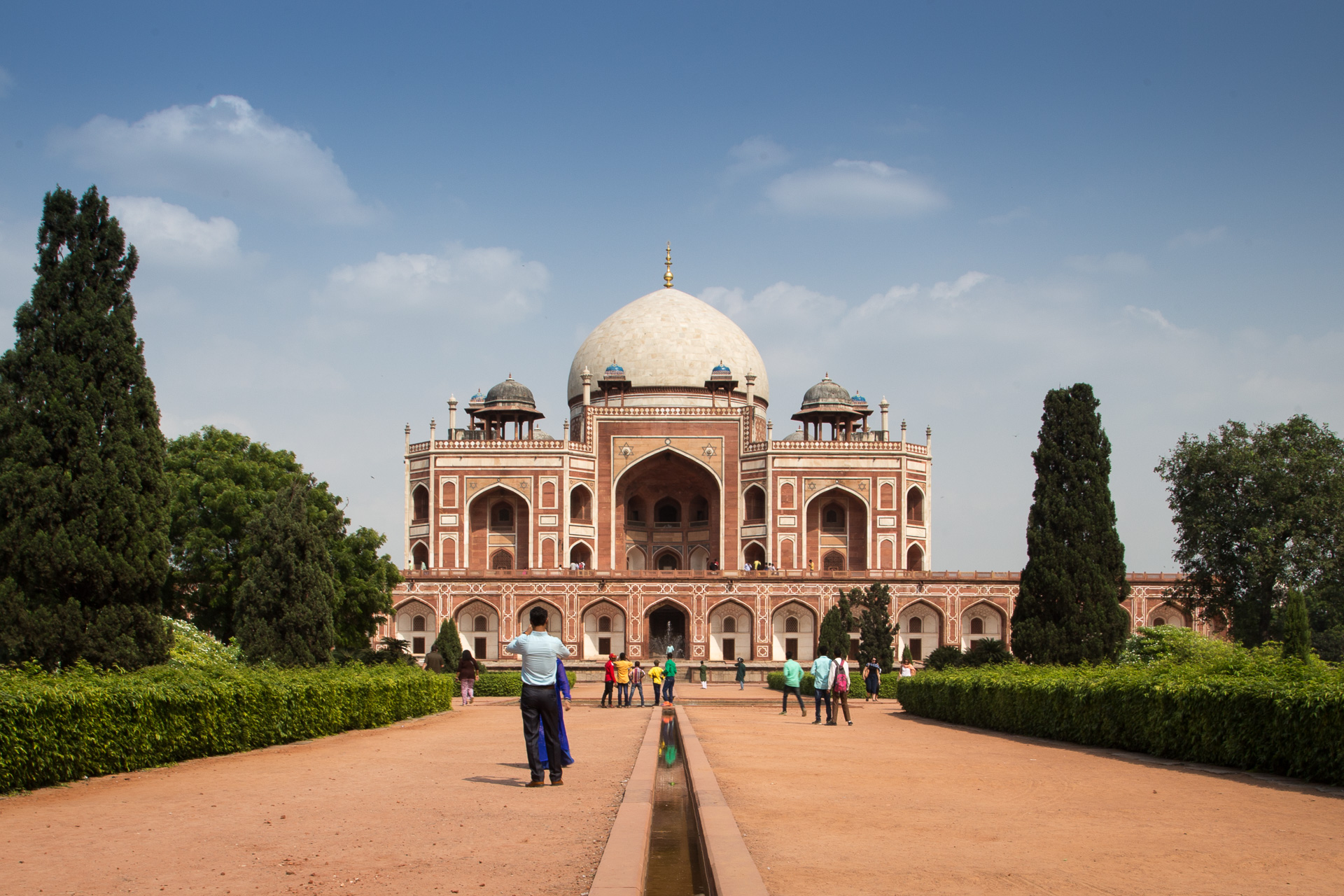
Humayun’s Tomb
The tomb of the Mughal Emperor Humayun was commissioned by his son Akbar (the founder of Fatehpur Sikri) in 1569-70.
Shah Jahan was Humayun’s great grandson and it is claimed that this tomb was part of the inspiration for the Taj Mahal.
We enjoyed the park like grounds and were not in the slightest bit surprised to discover that the tomb was declared a UNESCO World Heritage Site in 1993.

Last stop
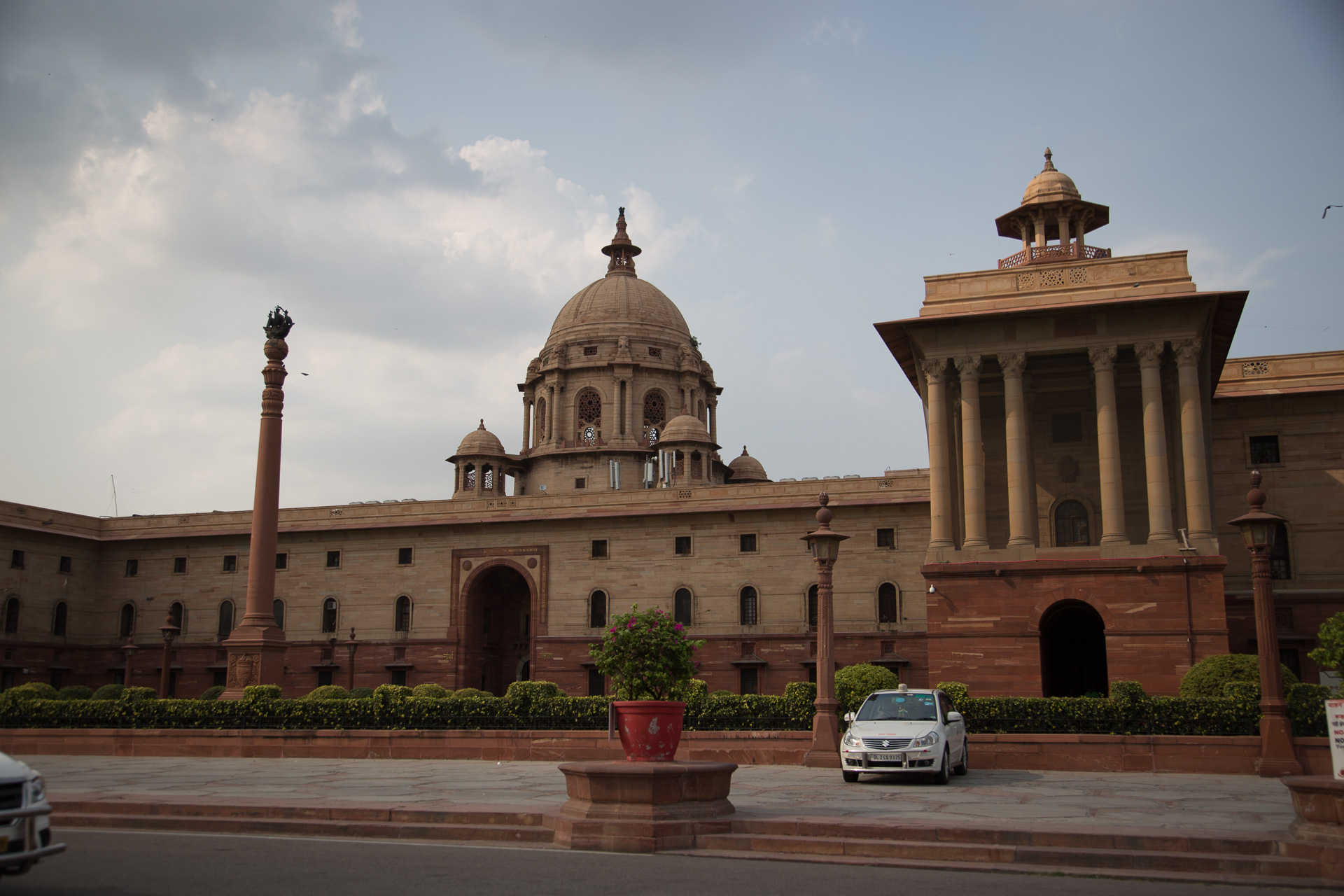
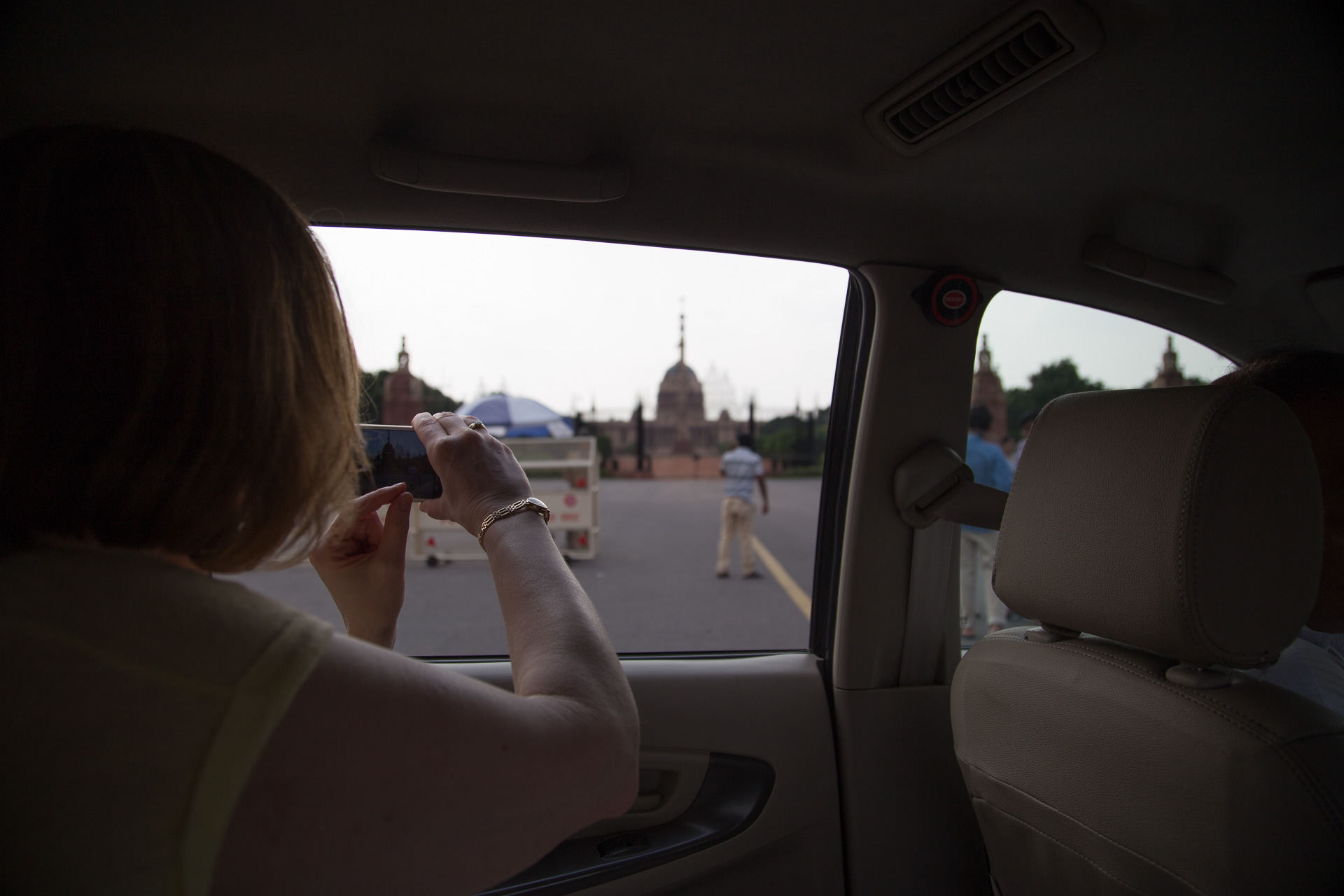
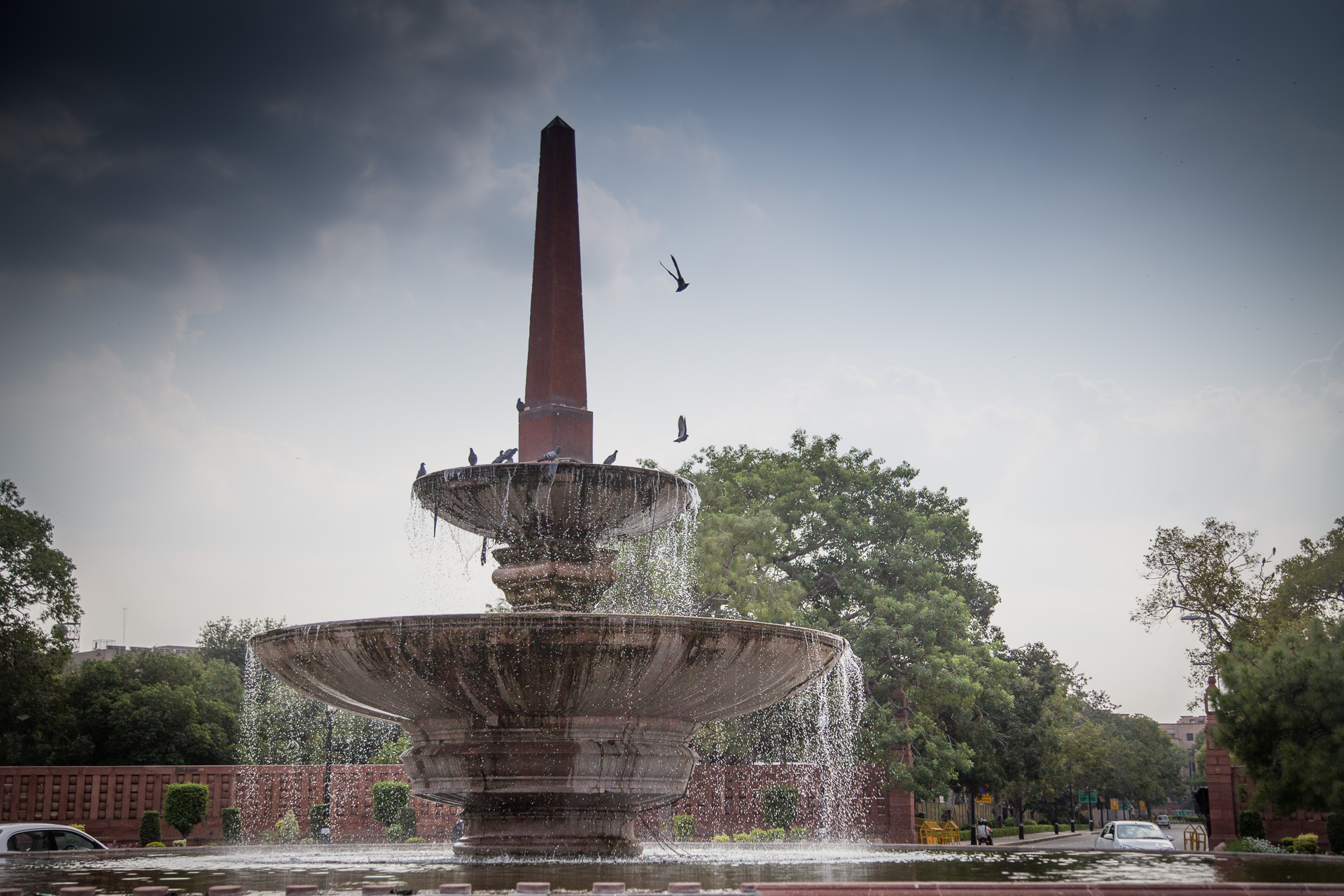
With a flight to catch we had just enough time for a quick drive-by viewing of Parliament House, the Ministry buildings and the long avenue leading to the impressive India Gate. All very reminiscent of the Arc de Triomphe and the Champs-Elysées.
So India done in six days. Perhaps there is just a little bit more to see. But at least we have made a start.
 Weather is lovely, wish you were here