
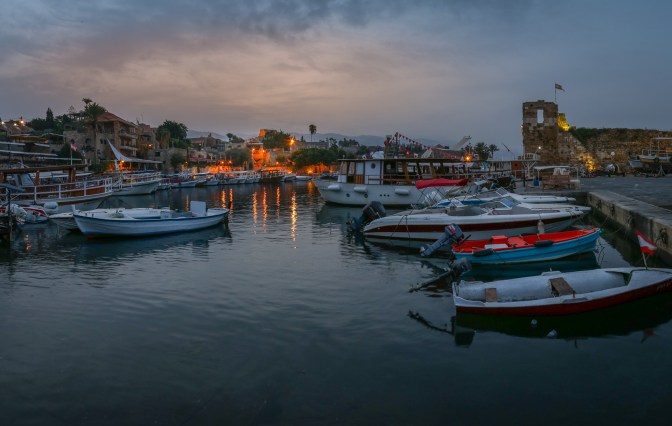
A mid-term break for Sue gave us the opportunity to book a four hour flight to Beirut. It would have been just three hours but Etihad chooses (is required?) not to fly over Syria – we were OK with that!
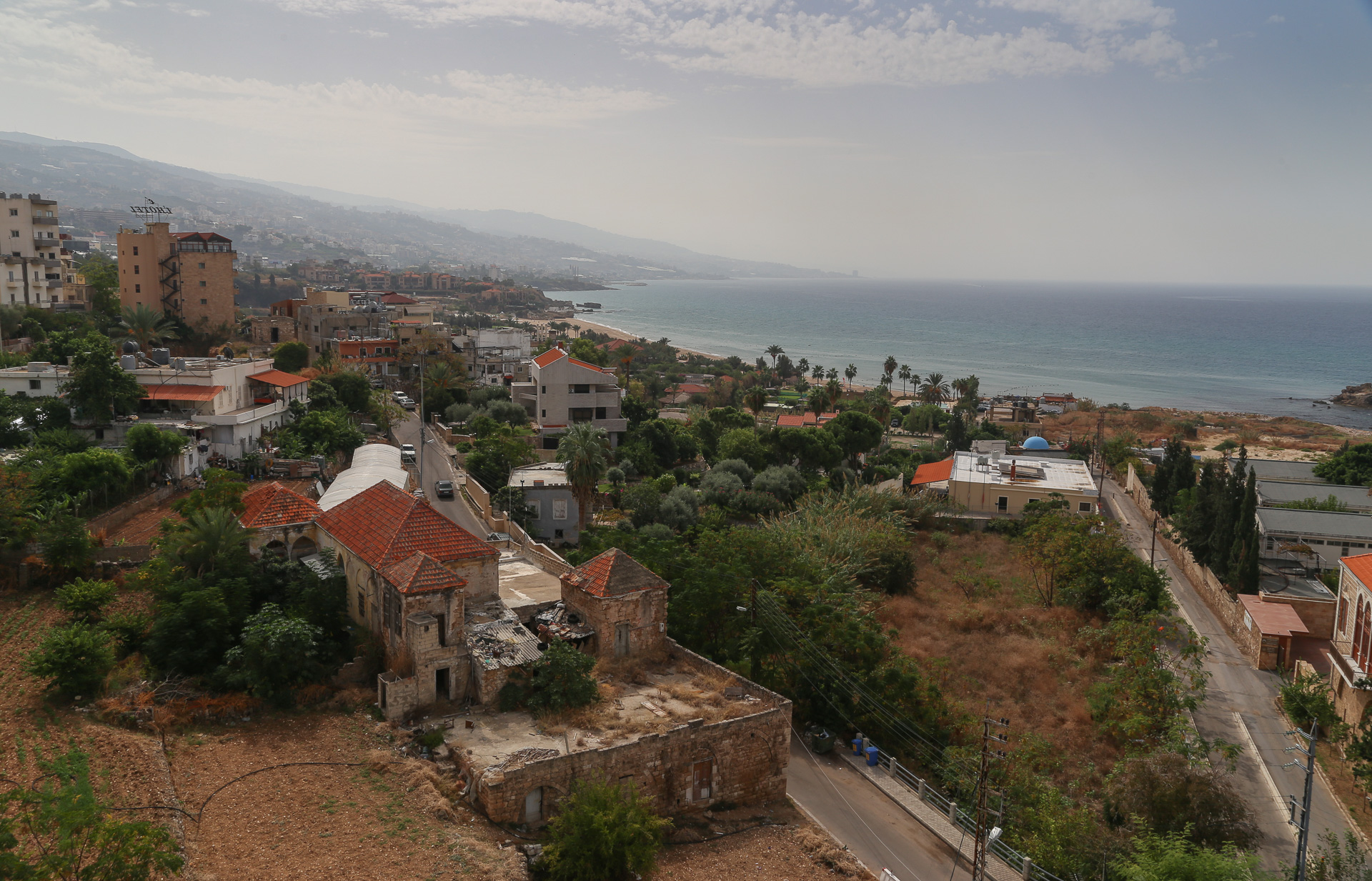
We had five nights away and opted to stay in the ancient port of Byblos (also known as Jibayl, which completely confused our GPS), about 40 km north of Beirut. As it turned out our some what cursory research had landed us in a perfect location.
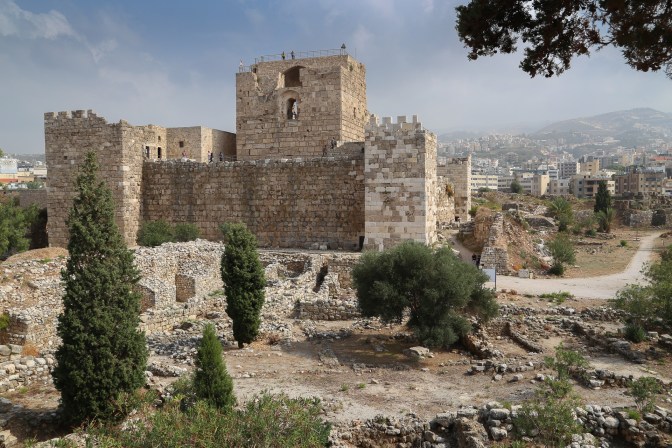
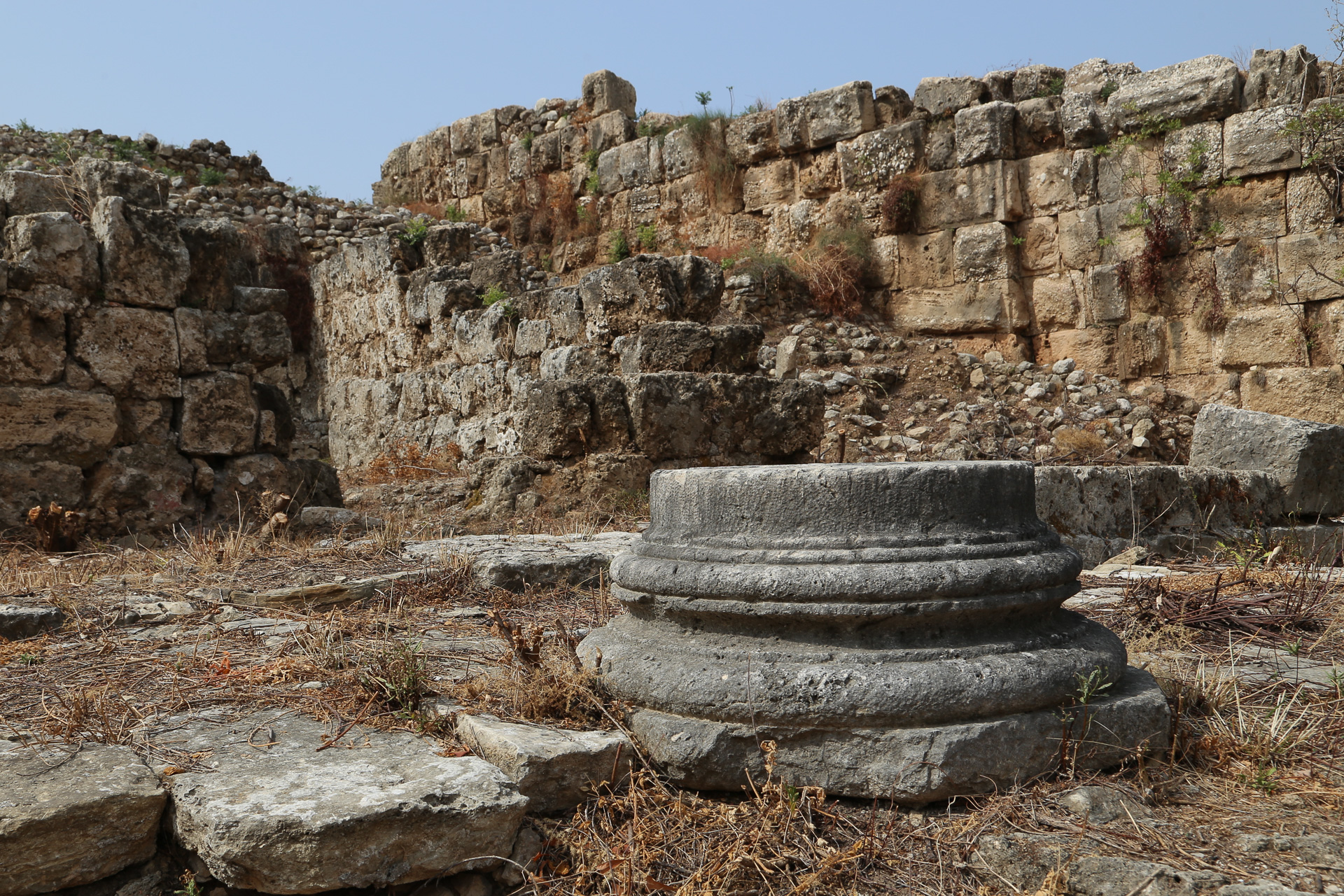
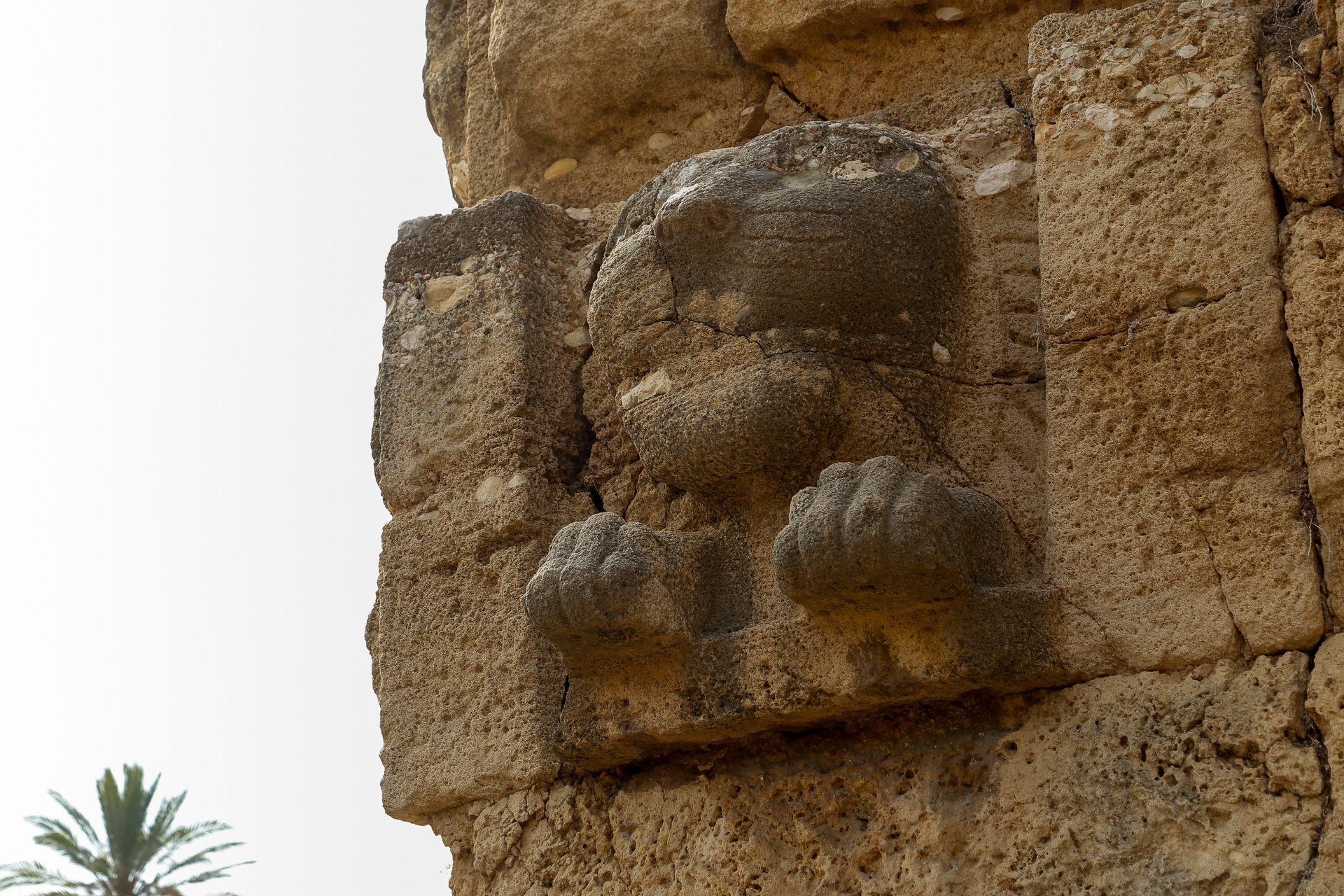
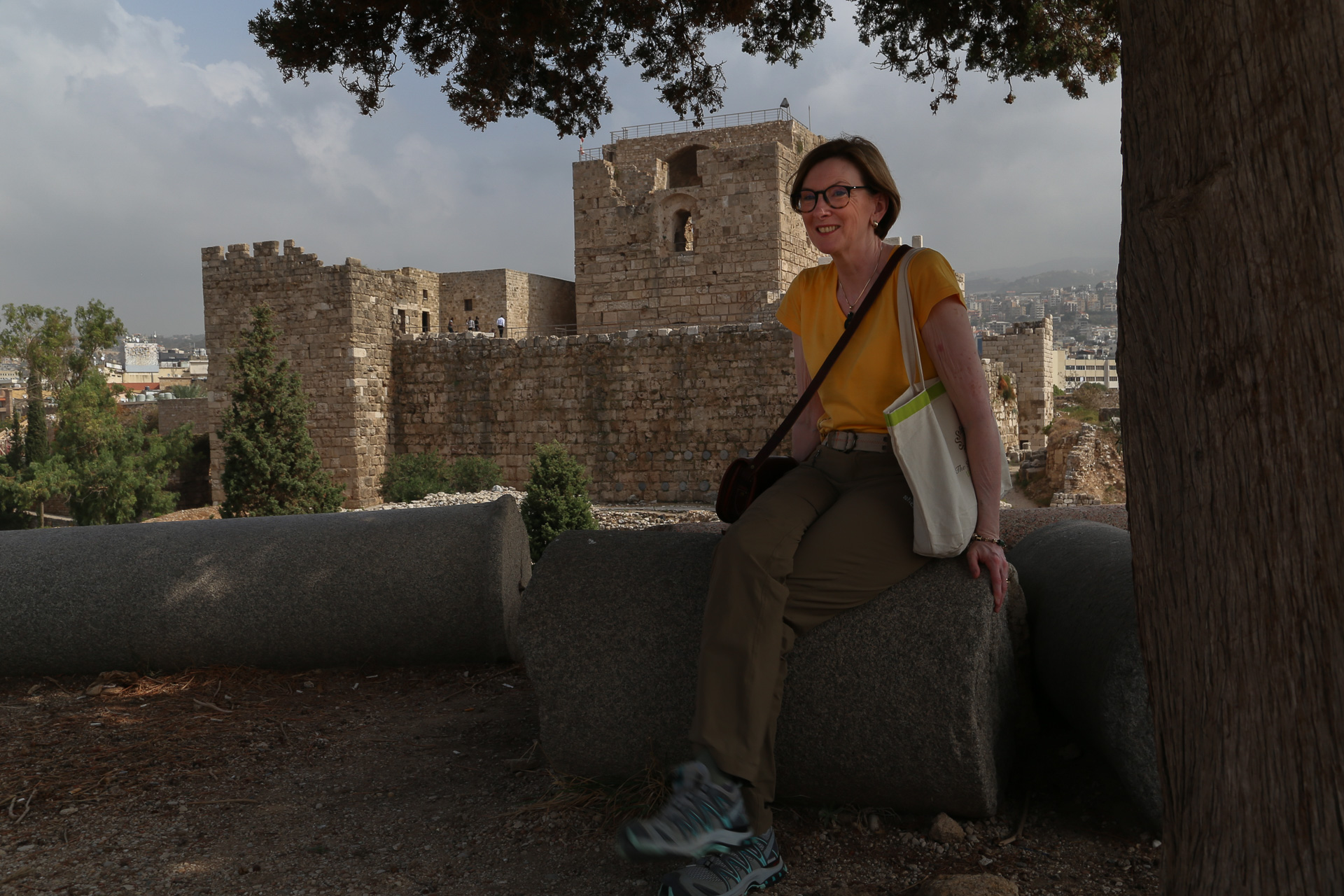
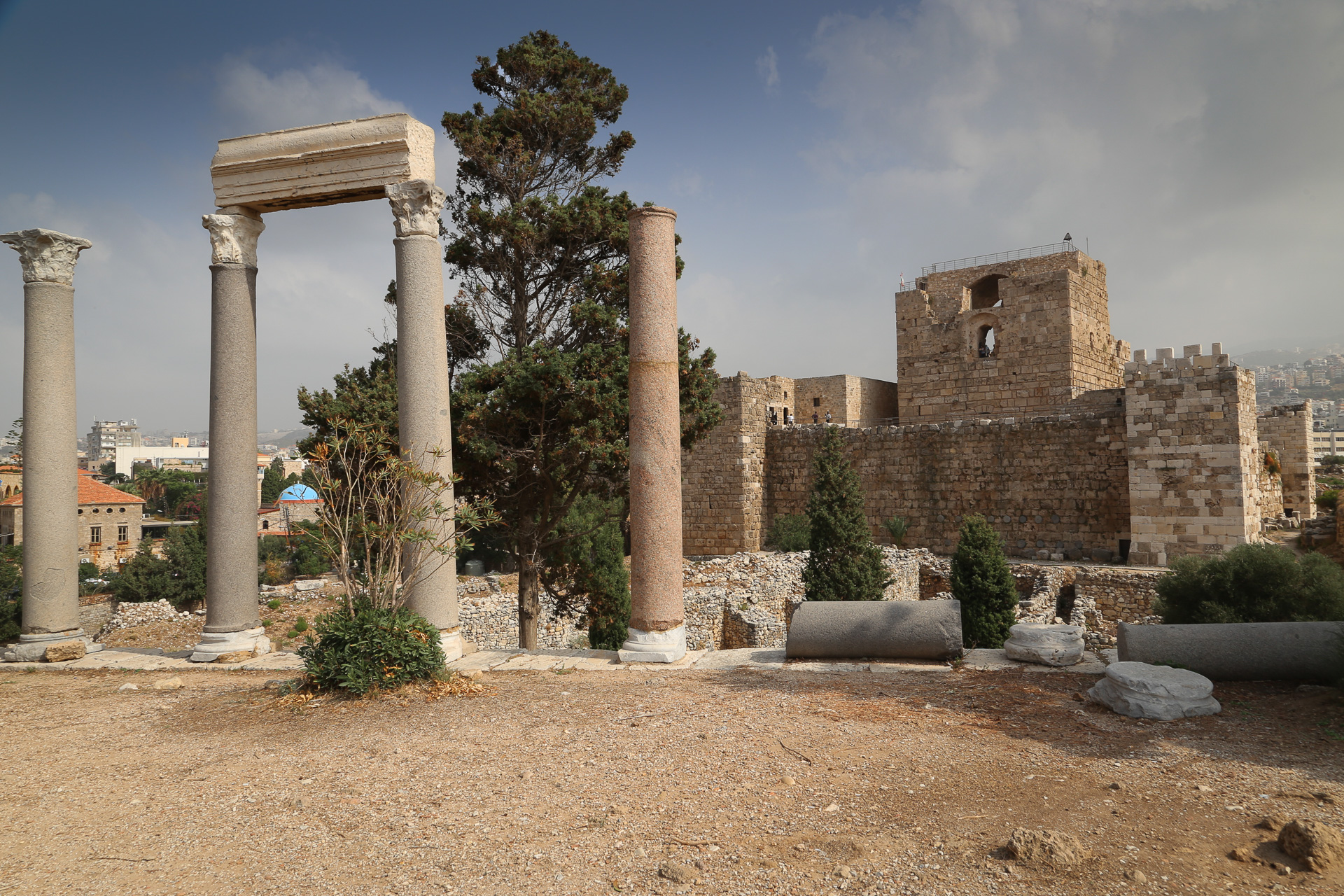
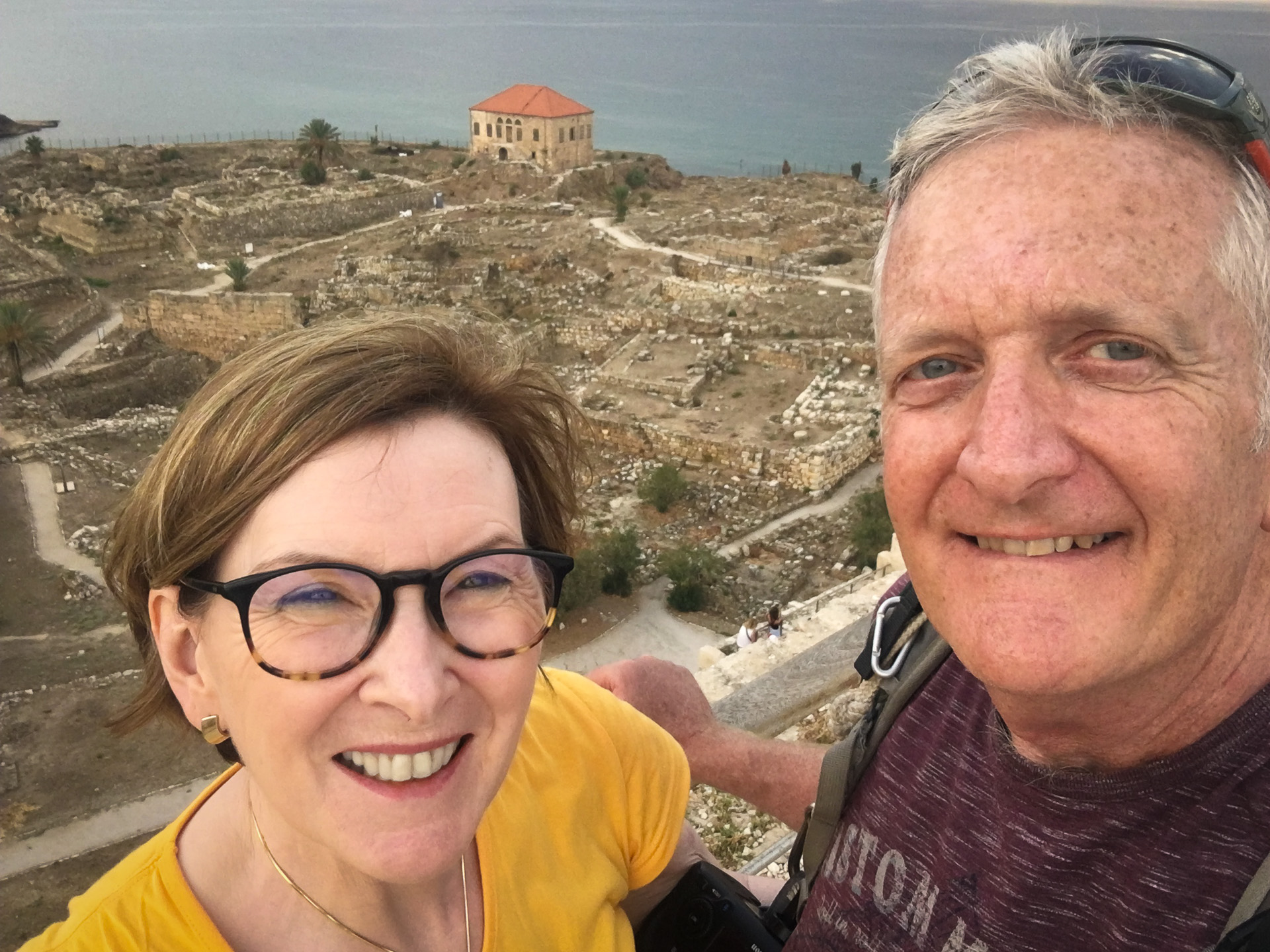
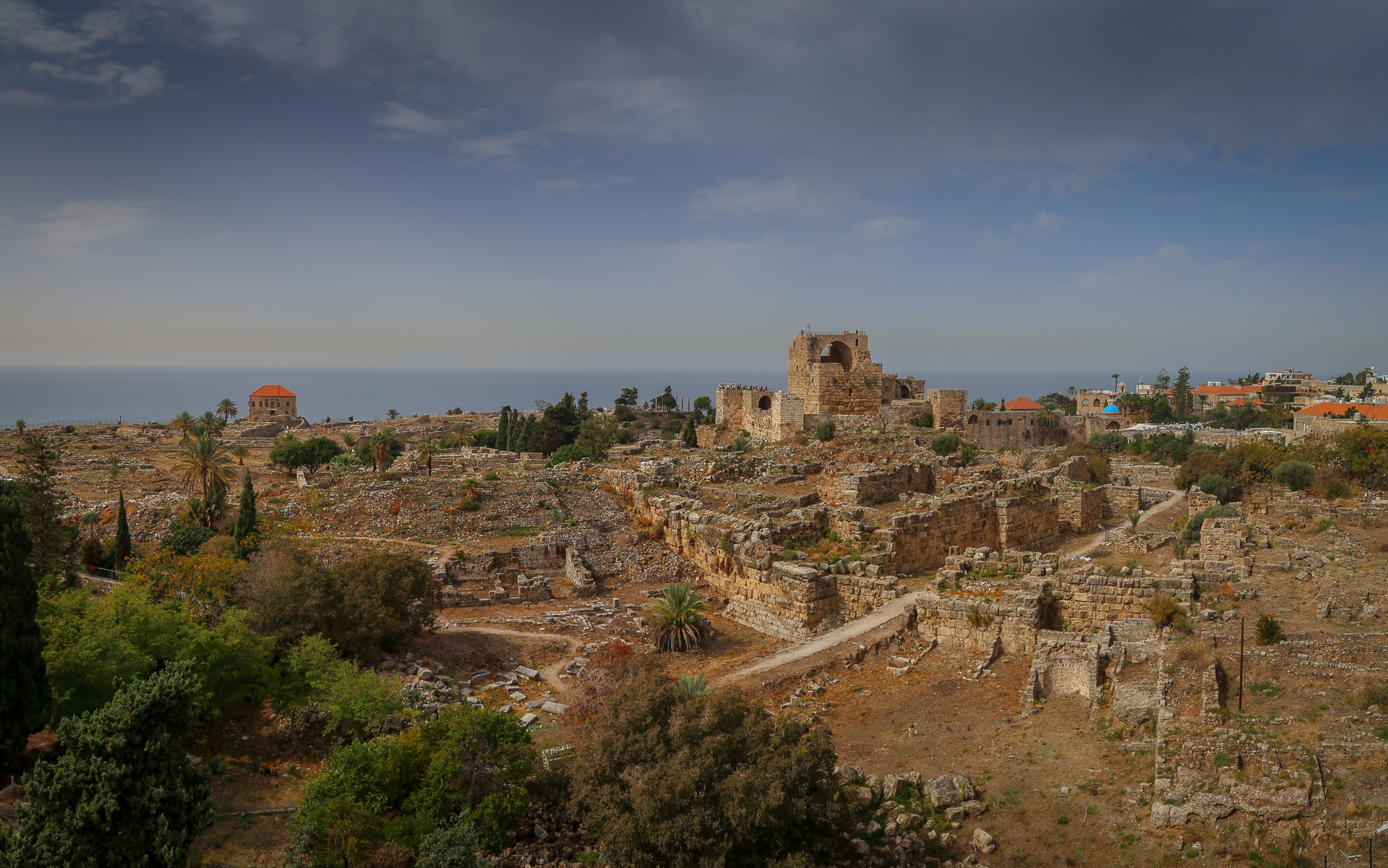
Byblos is a UNESCO World Heritage Site and is one of the oldest, continuously inhabited cities in the world. Continuously inhabited since 5000 BC with evidence of habitation going back to between 8800 and 7000 BC. It becomes real when you visit the archaeological site where a Crusader castle sits on top of Roman temples which were built over Phoenician fortifications.
The Crusader castle was built from material already on the site. Only a few of the original Roman granite columns remain standing. Most were cut up to reinforce the castle walls or left as seats for tourists. Our guide explained that they cut up the granite using rope, wood, sand and water. Not sure how all that worked, but it clearly did.
The site was excavated by French archaeologists in the 1920s and work still continues today. All the people living on the site were relocated and several metres of accumulated soil and debris were removed. Remains of the rails and carts used to transport debris are still on the site and one of the original houses still remains showing where the modern day ground level was before digging began.
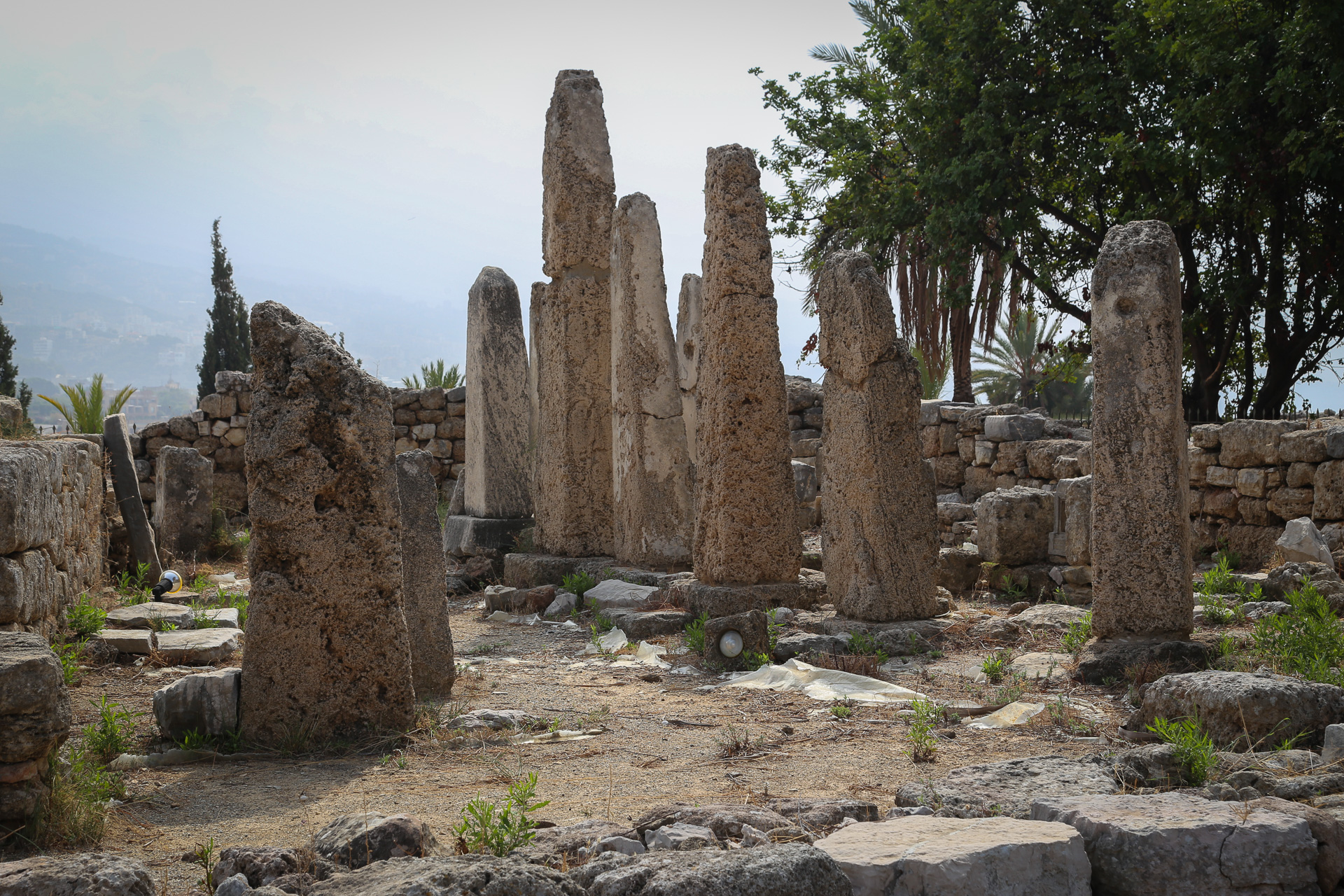
Every corner of the site revealed new treasures to us – the Temple of Obelisks, the Roman theatre, the L-shaped temple and the necropolis – sarcophagi seemed to have been dumped in numerous locations. The archeologists must have been in heaven.

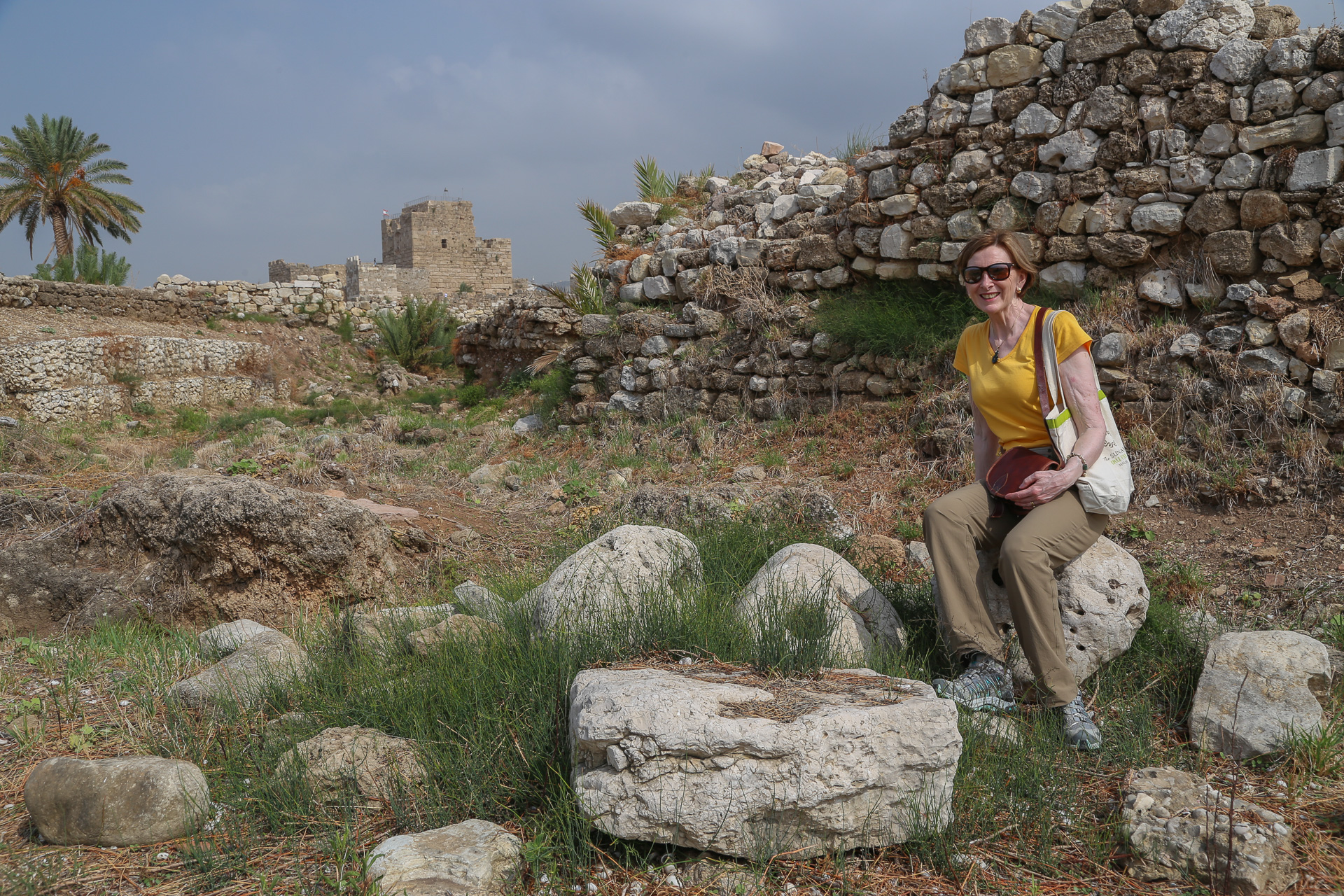
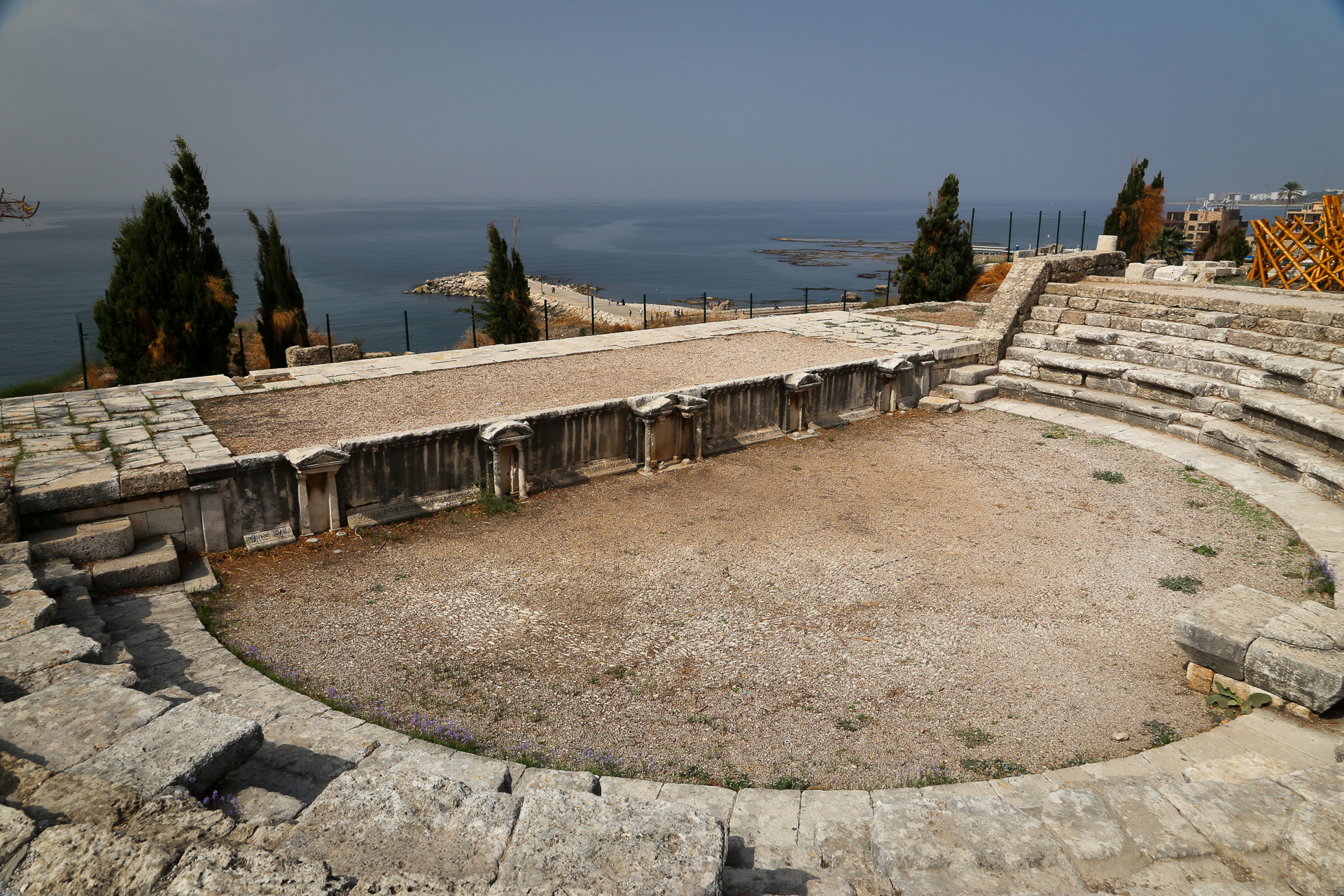

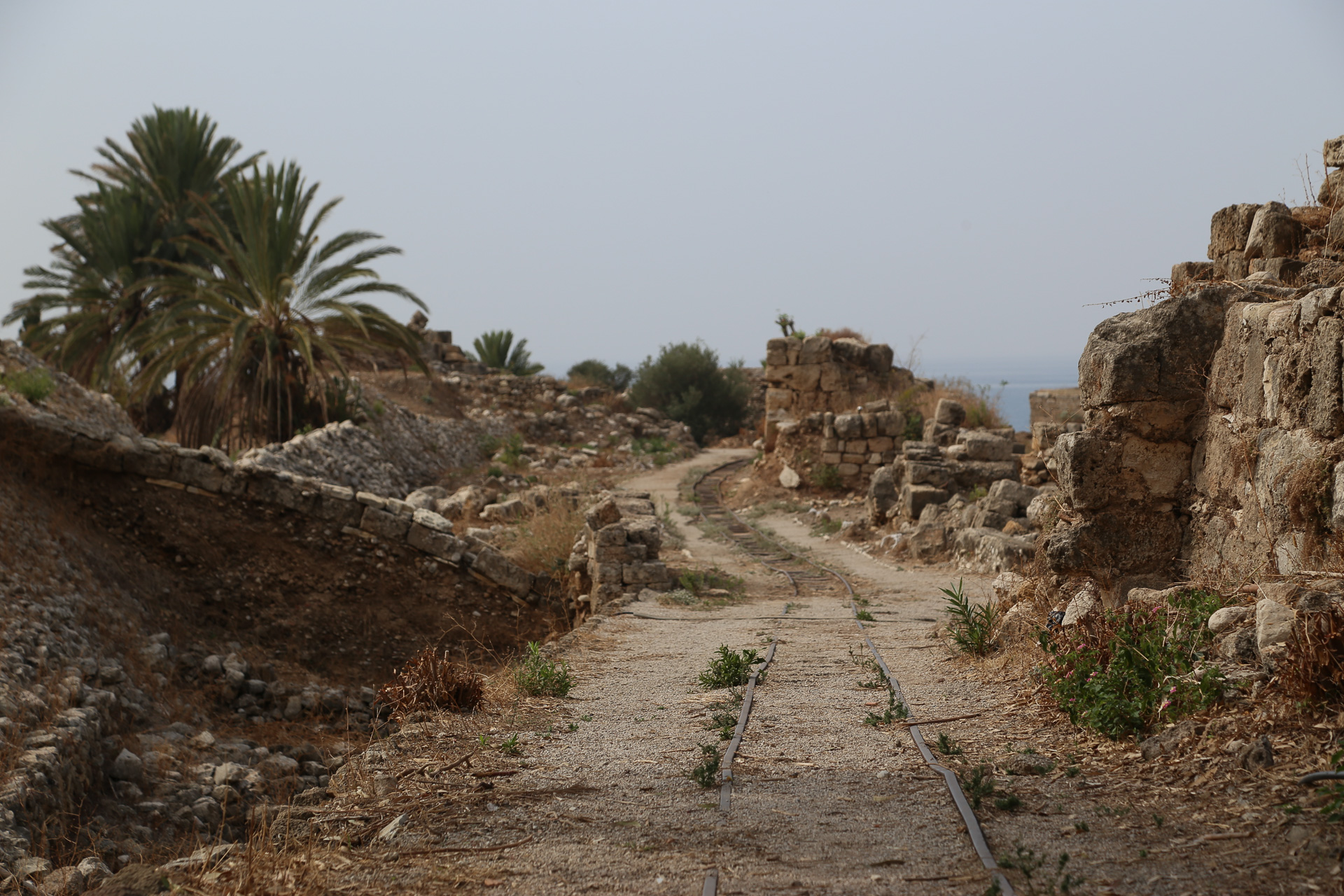
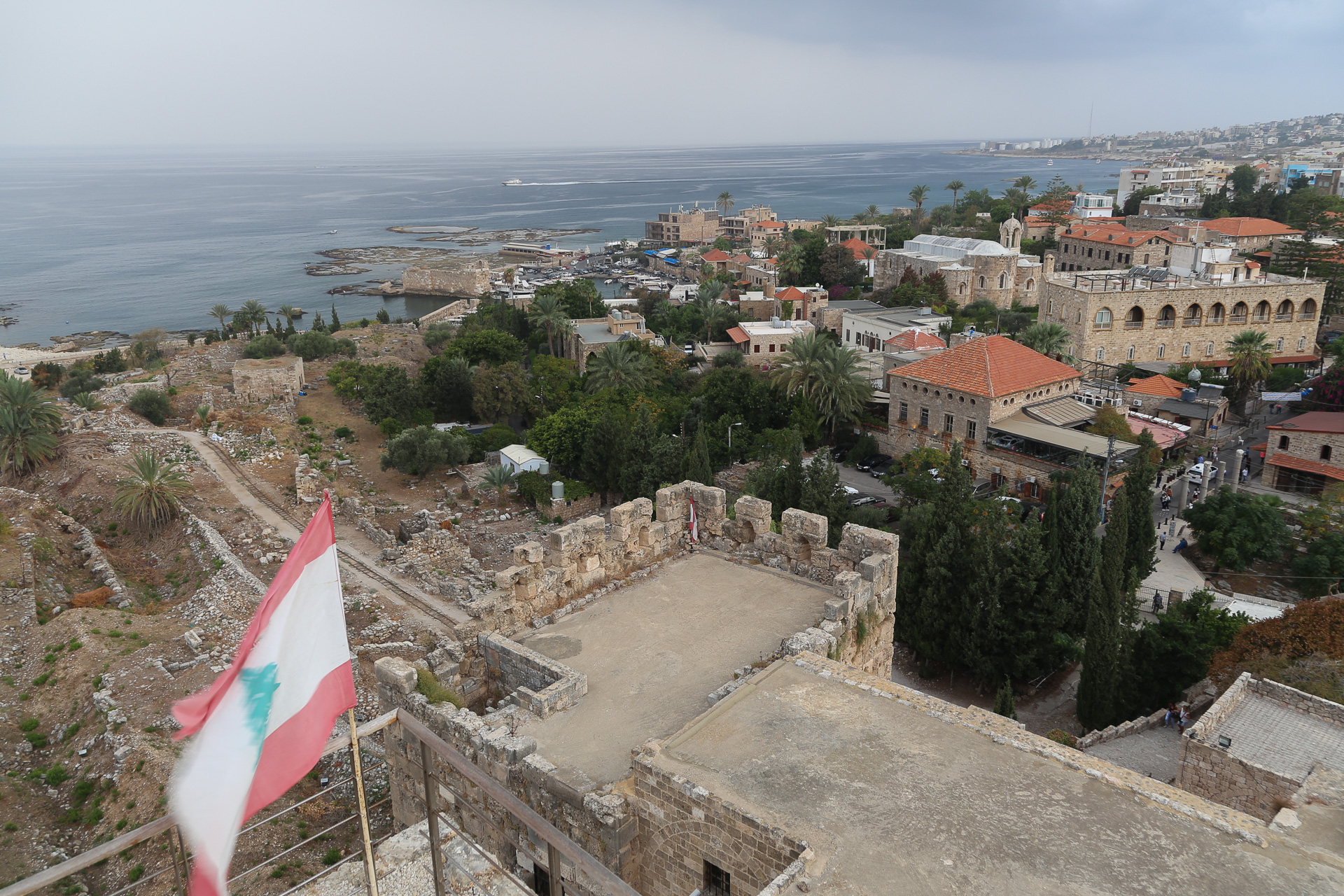
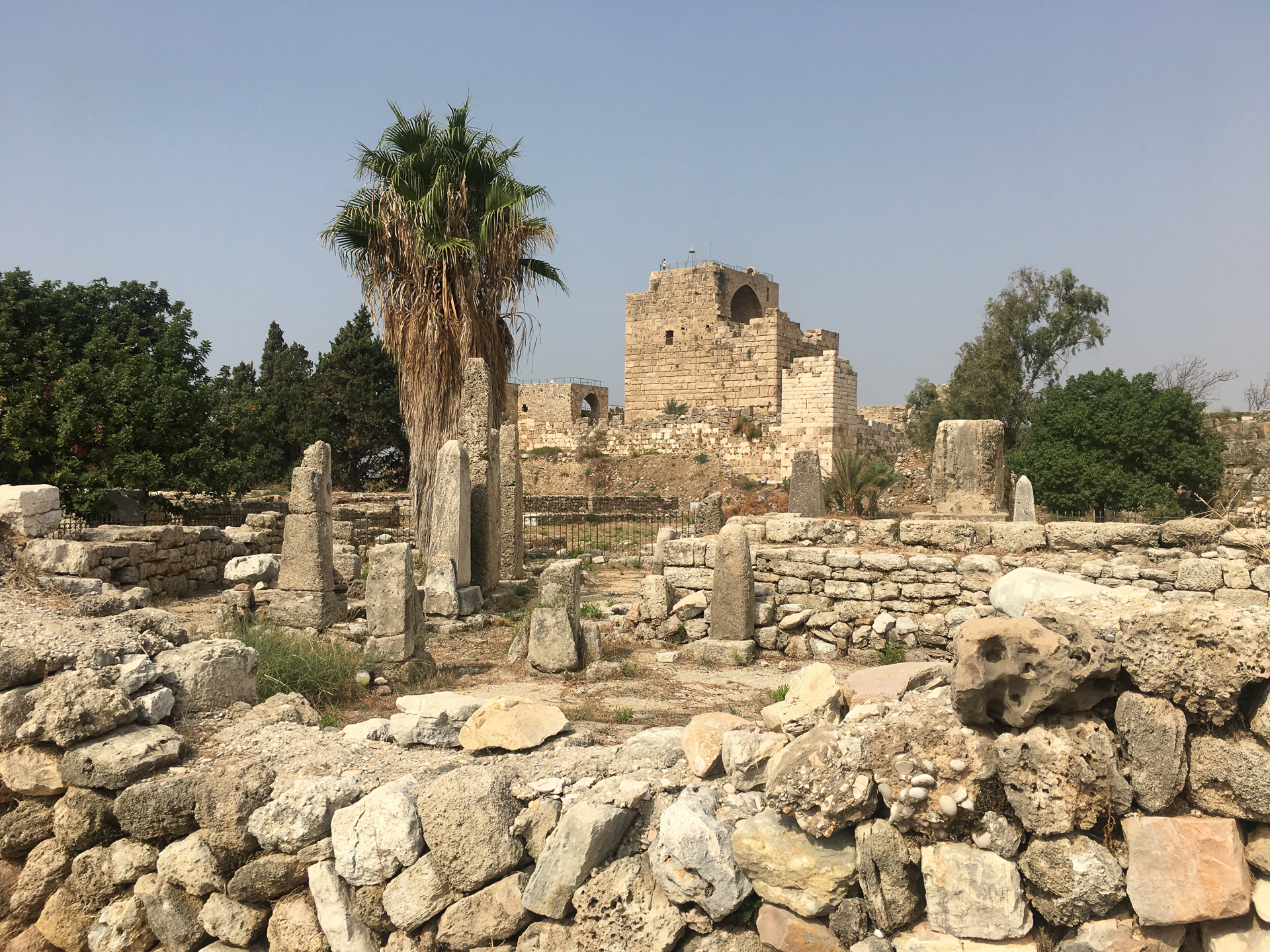
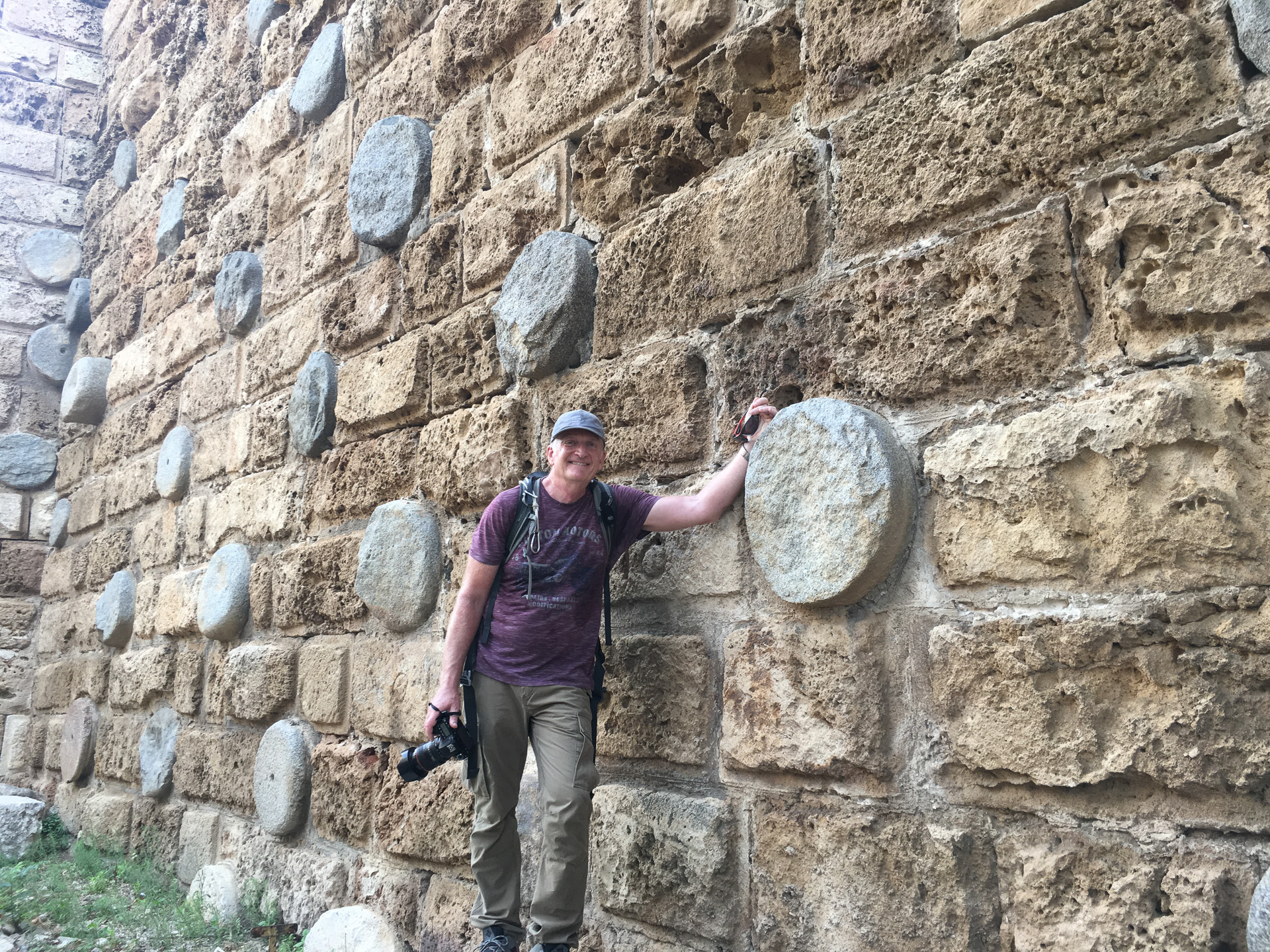
We were fascinated to see larger versions of the grinders we had seen being used to produce argan oil in Morocco. We discovered that these had been used to produce olive oil.

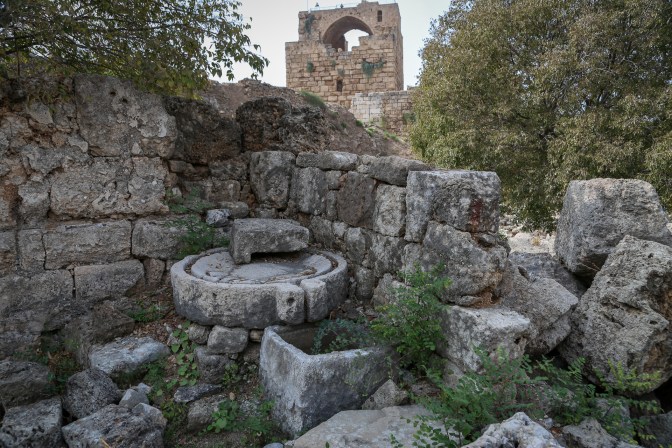
We spent our first day exploring the ruins but we able to take another look each evening from the rooftop bar of our hotel.
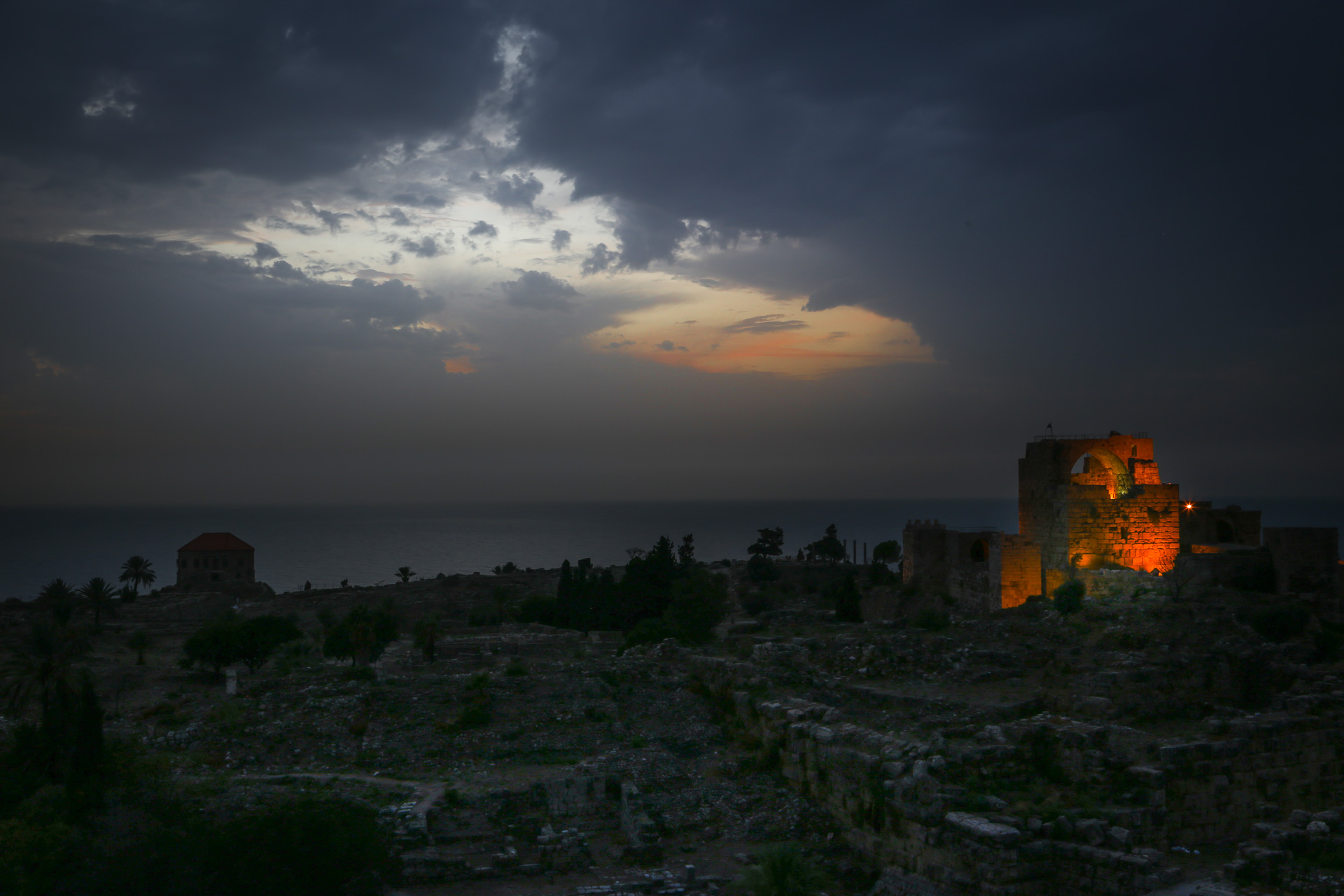
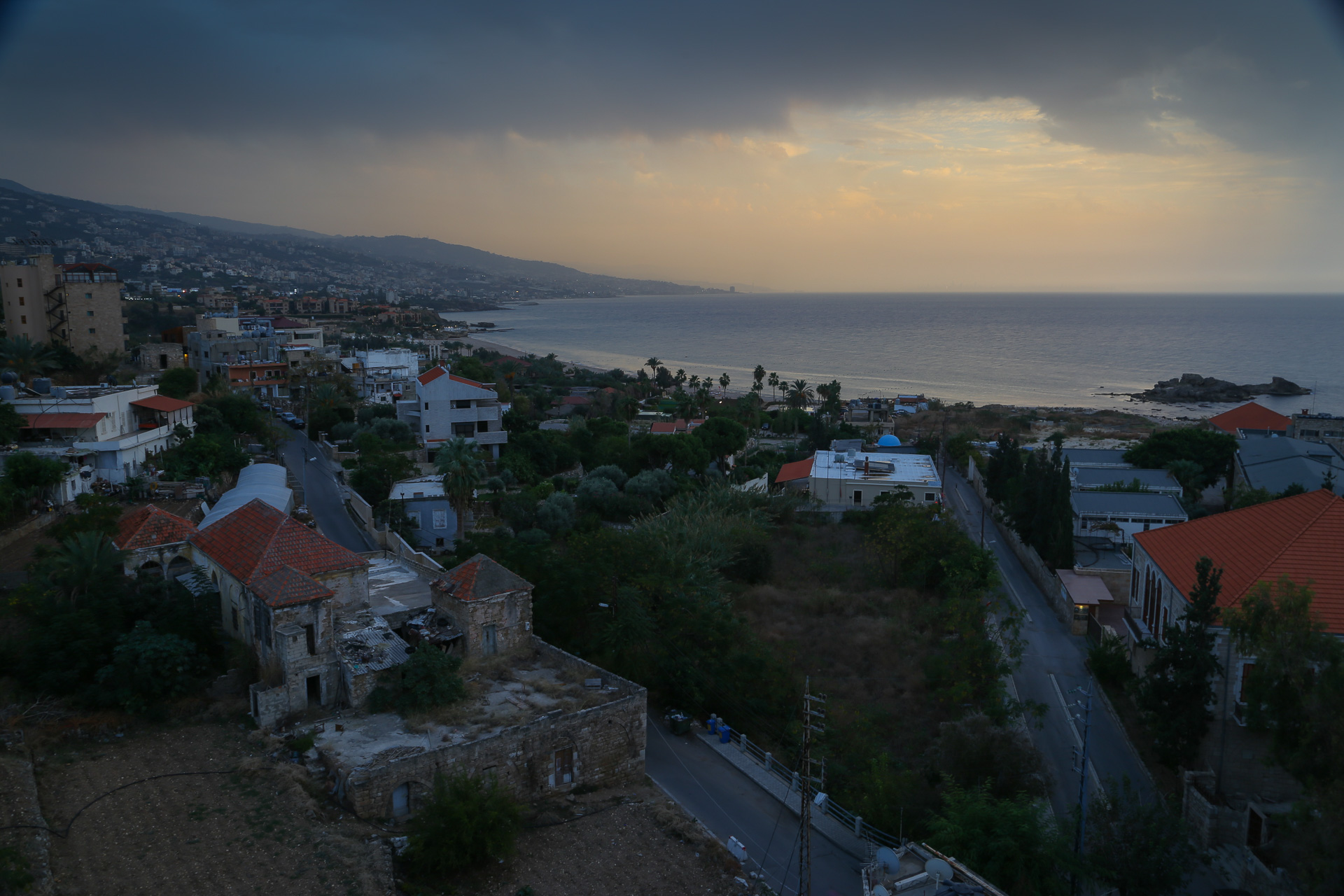
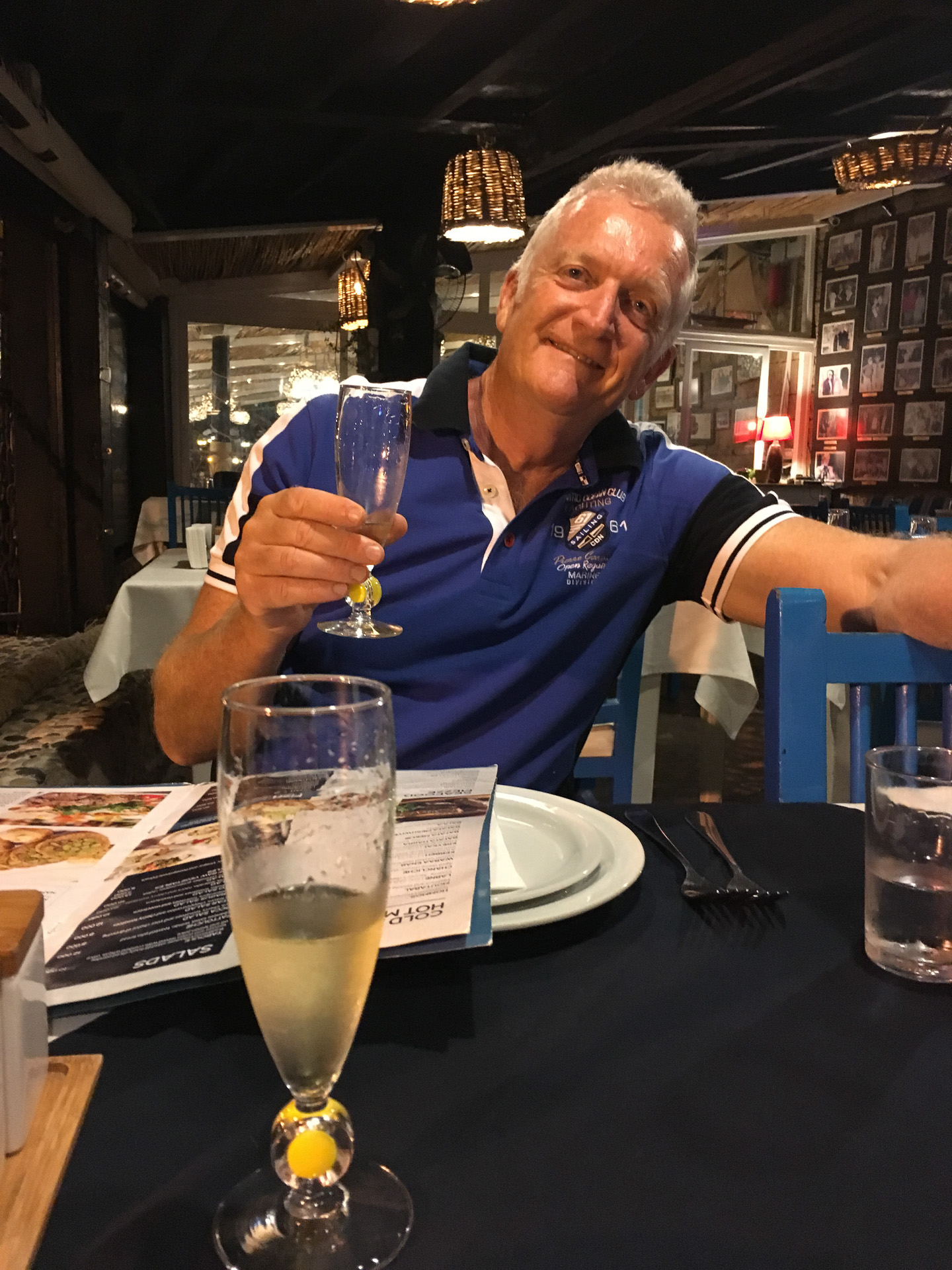
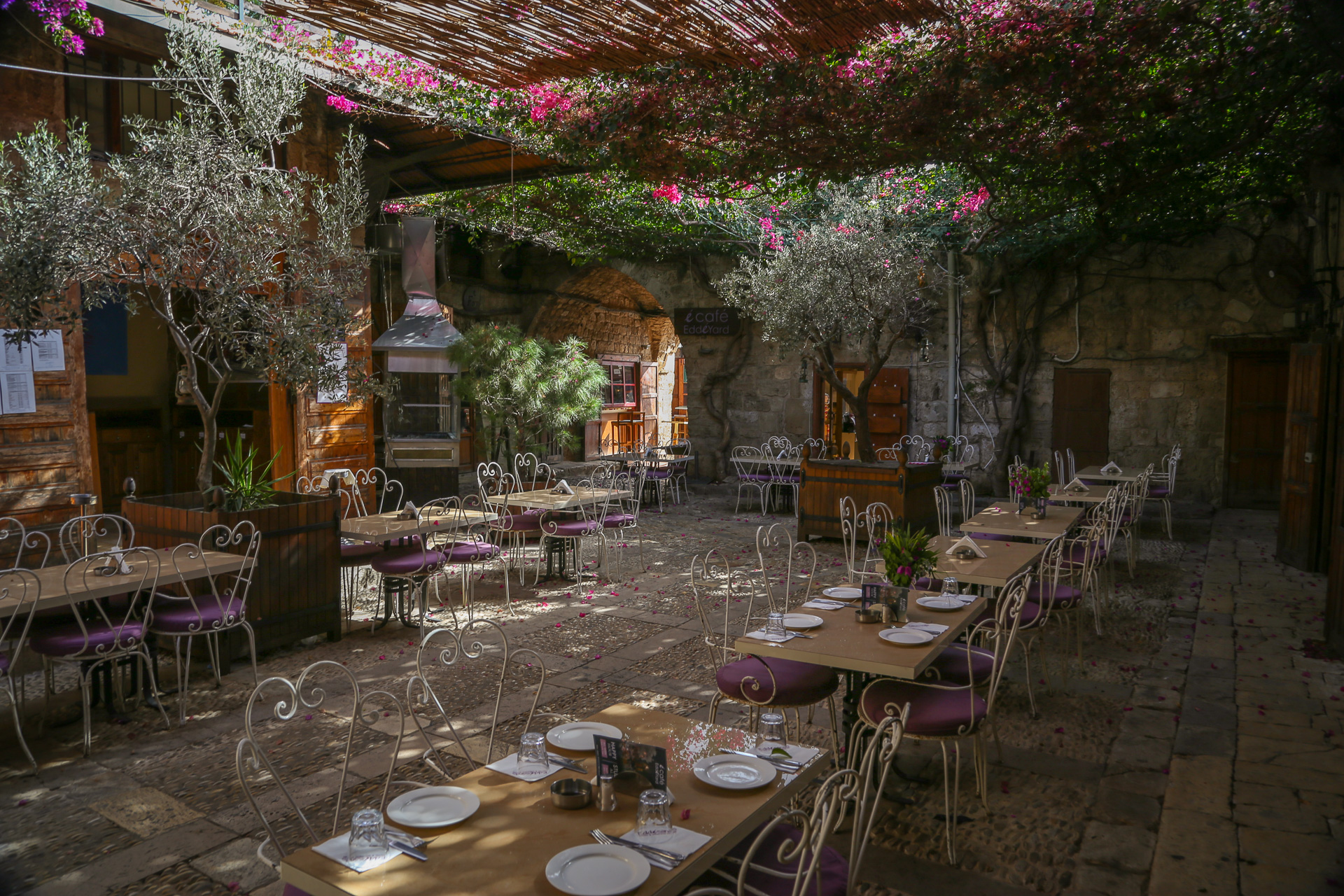
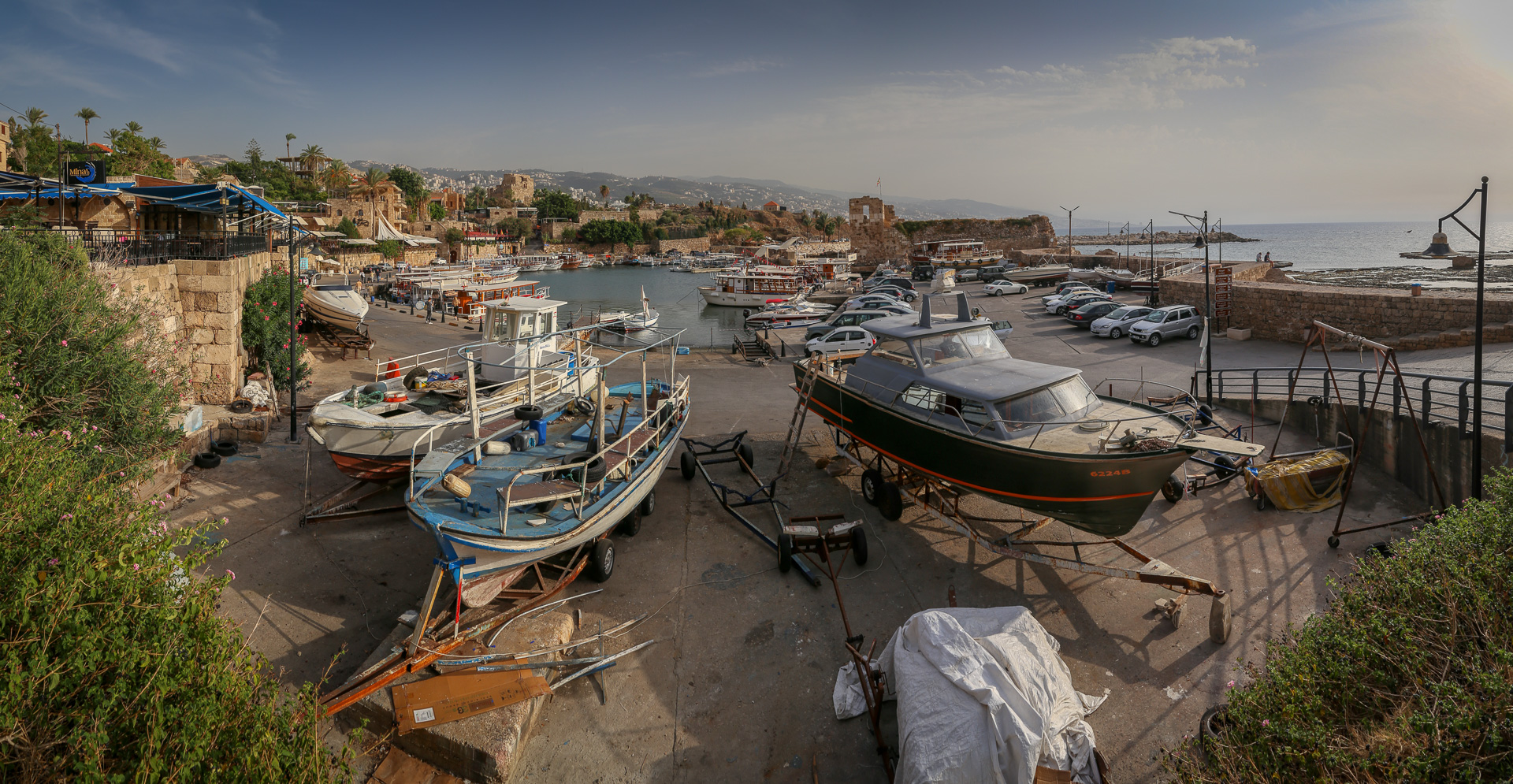
Our evenings became a little predictable. Drinks at the rooftop bar and then back to the same restaurant. Despite Nigel having a long list of restaurants recommended by friends at work we kept going back to Pepe’s Byblos Fishing Club. The food was delicious and the view over the tiny harbour just could not be beaten.
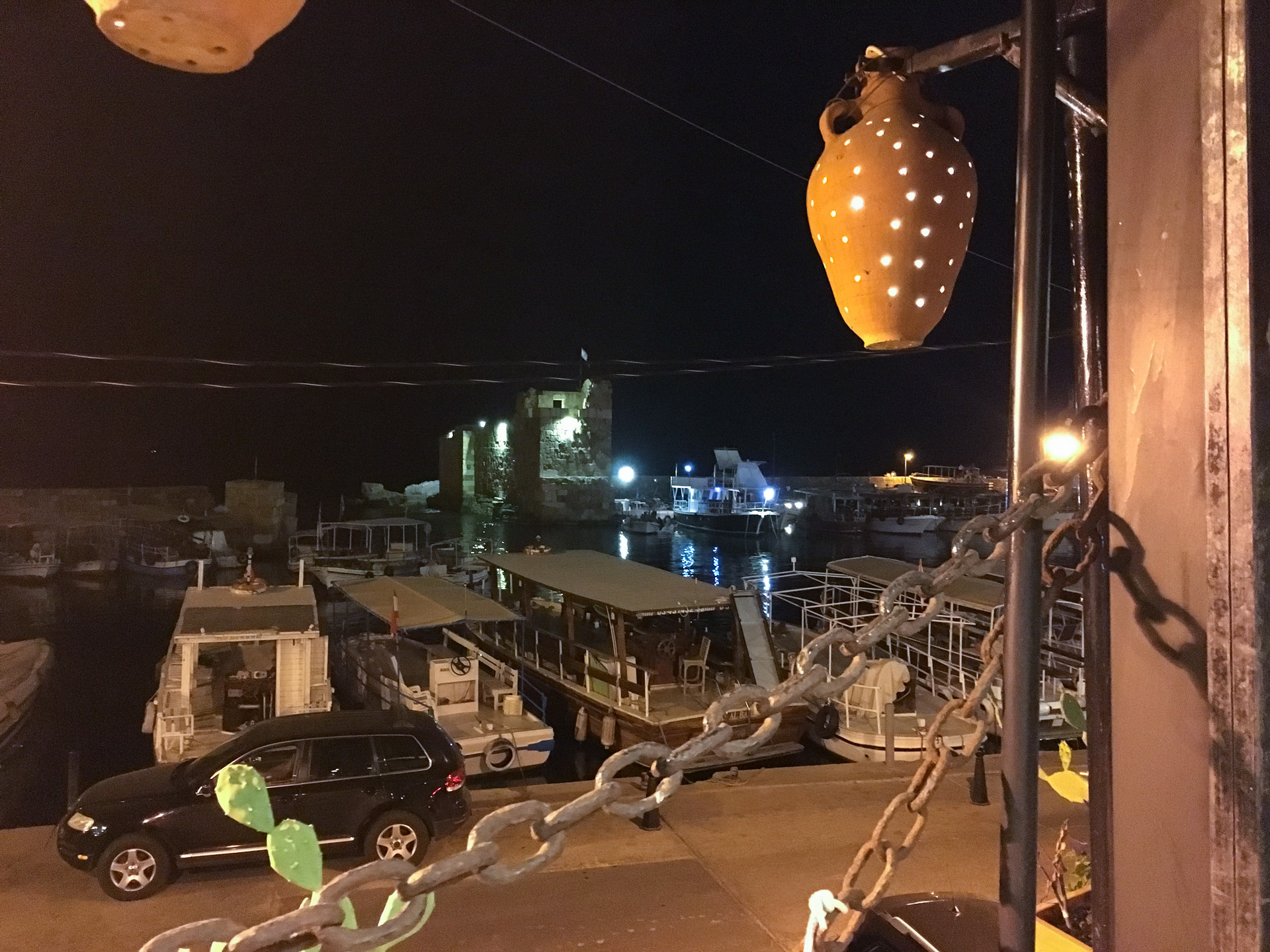
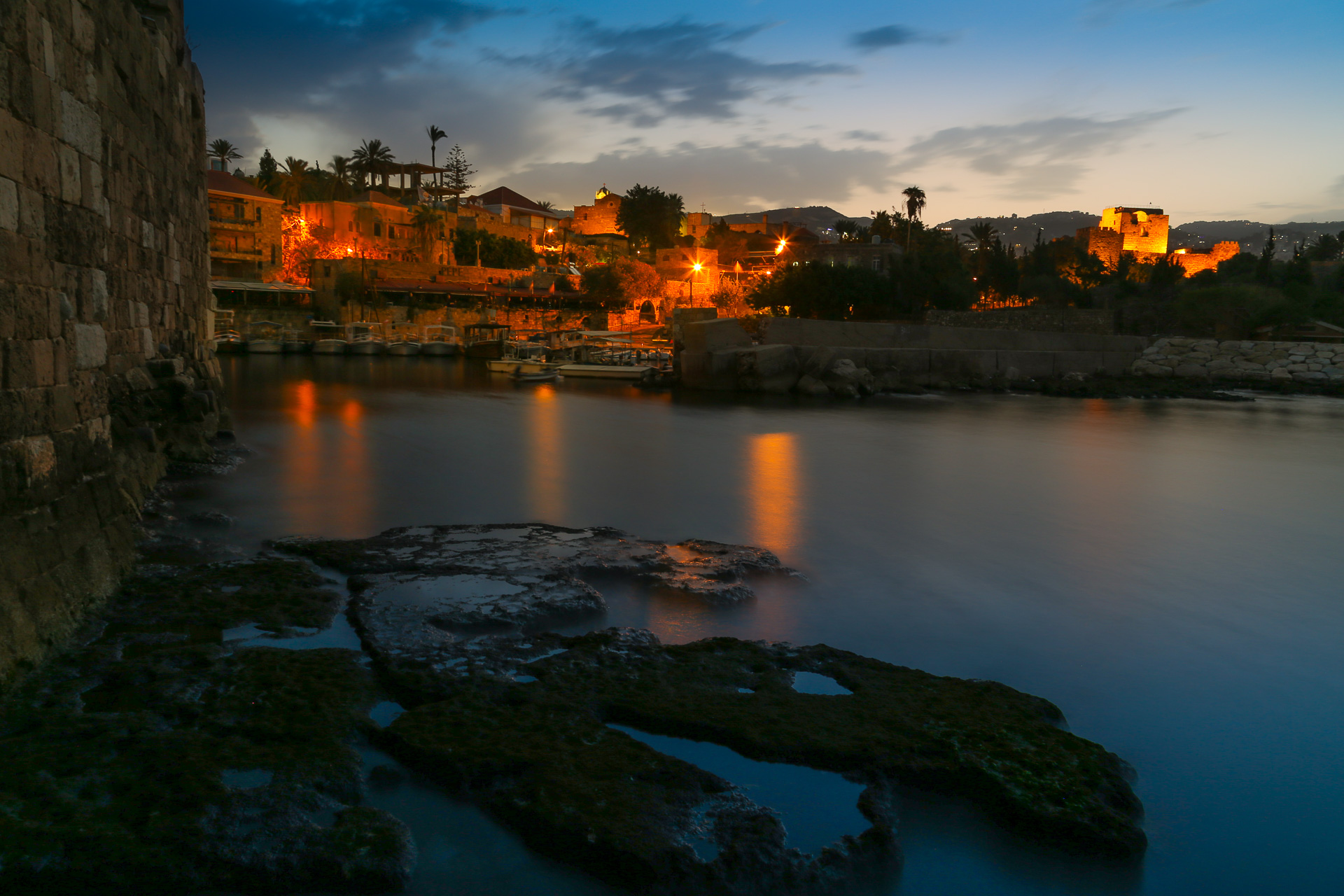
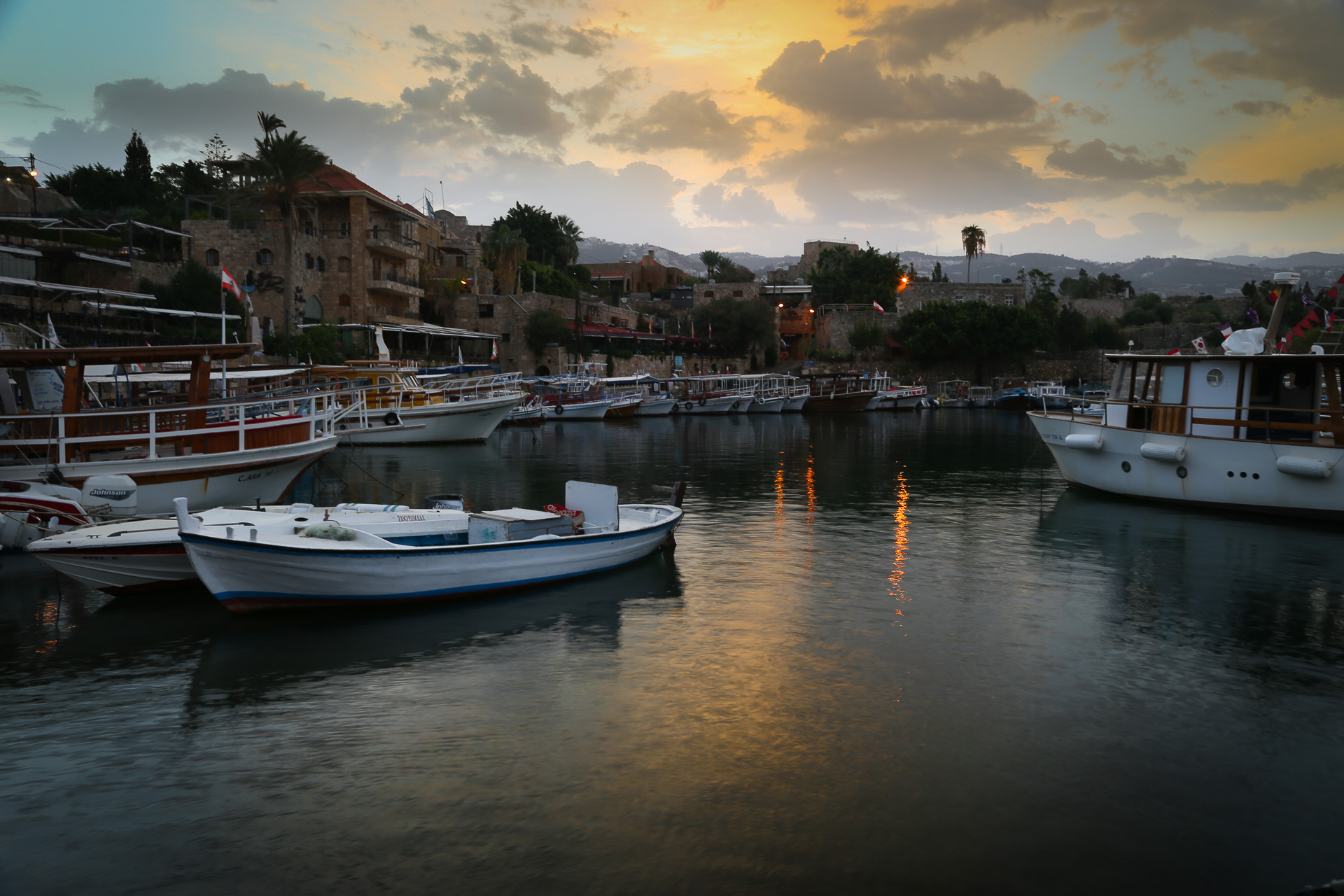
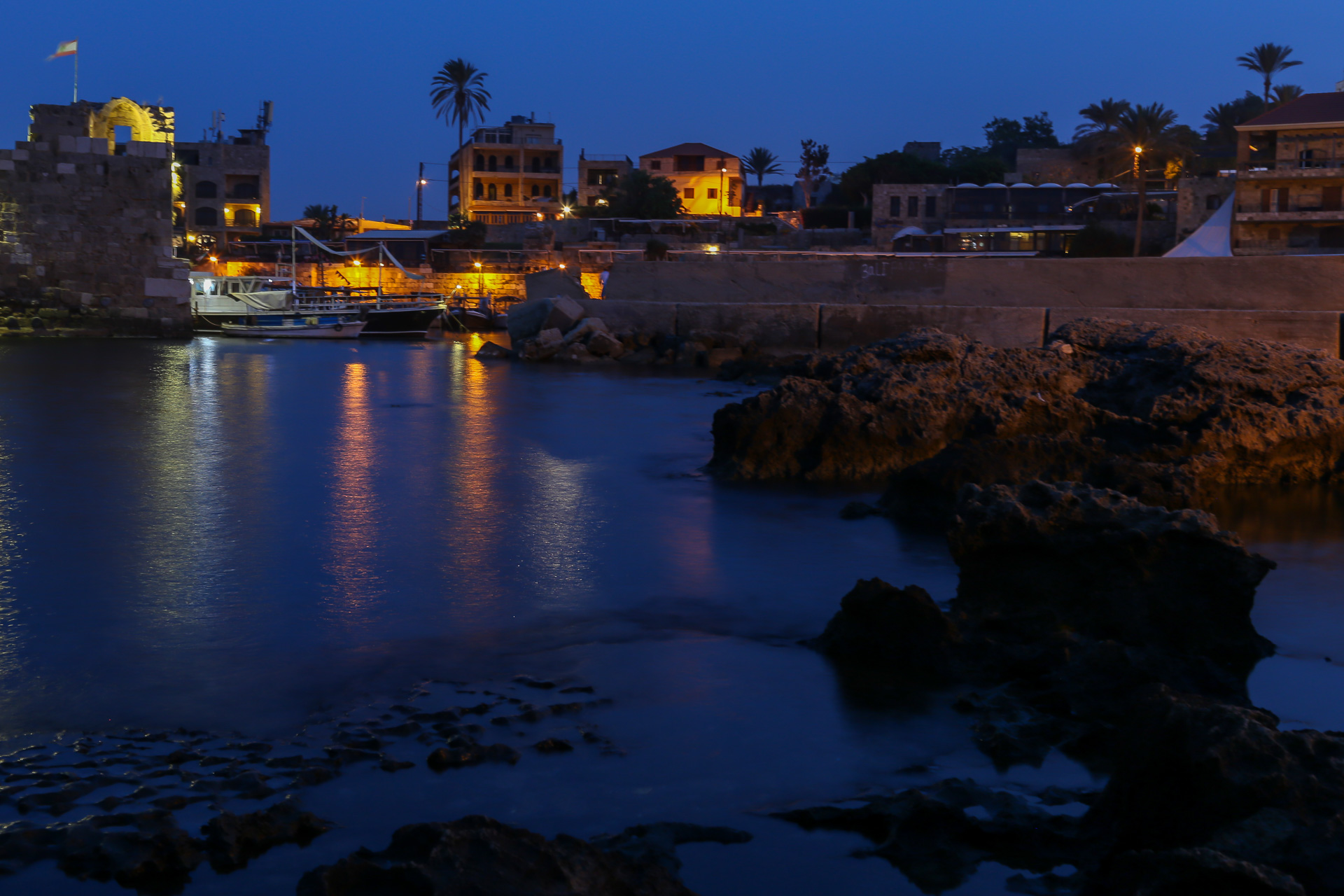
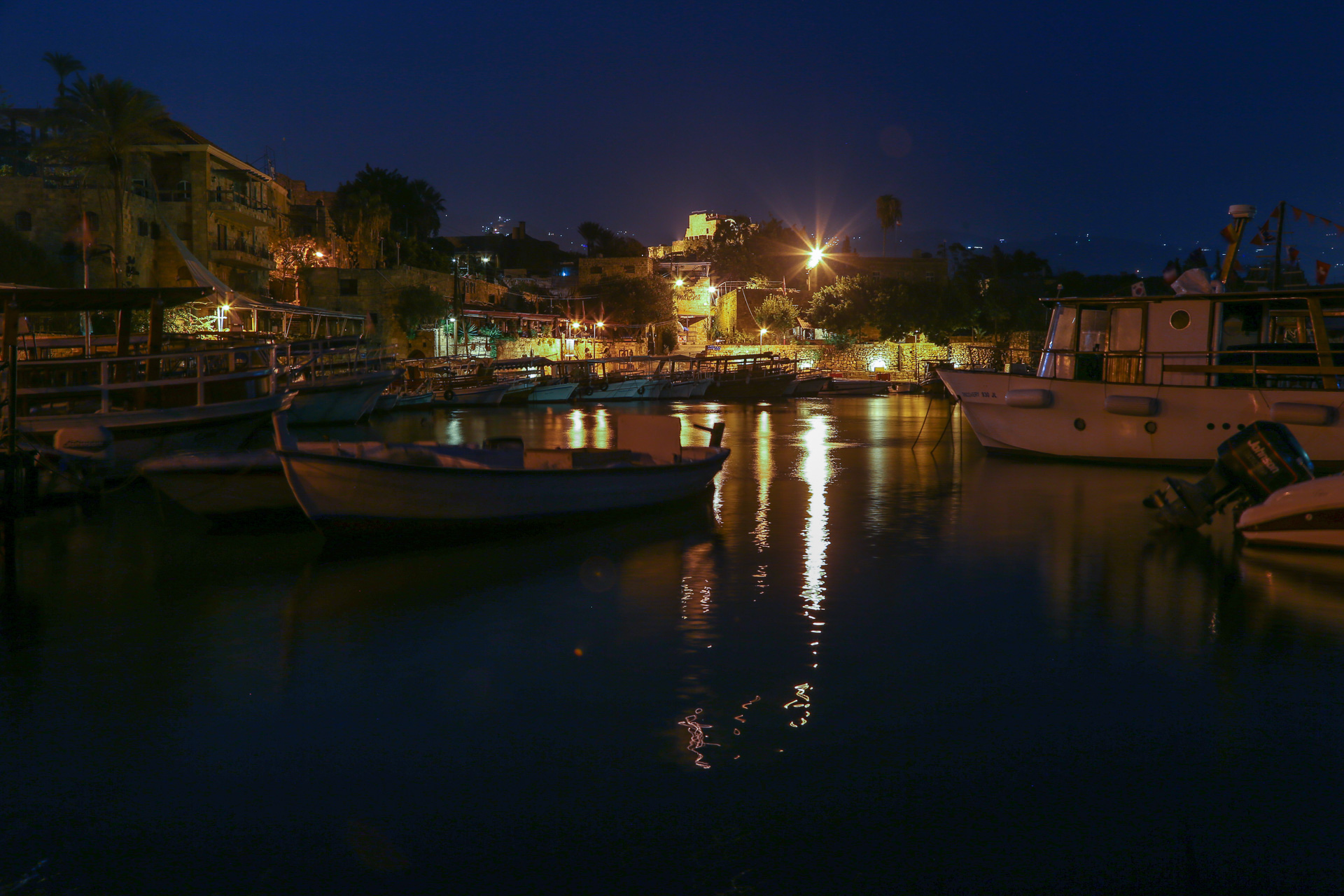
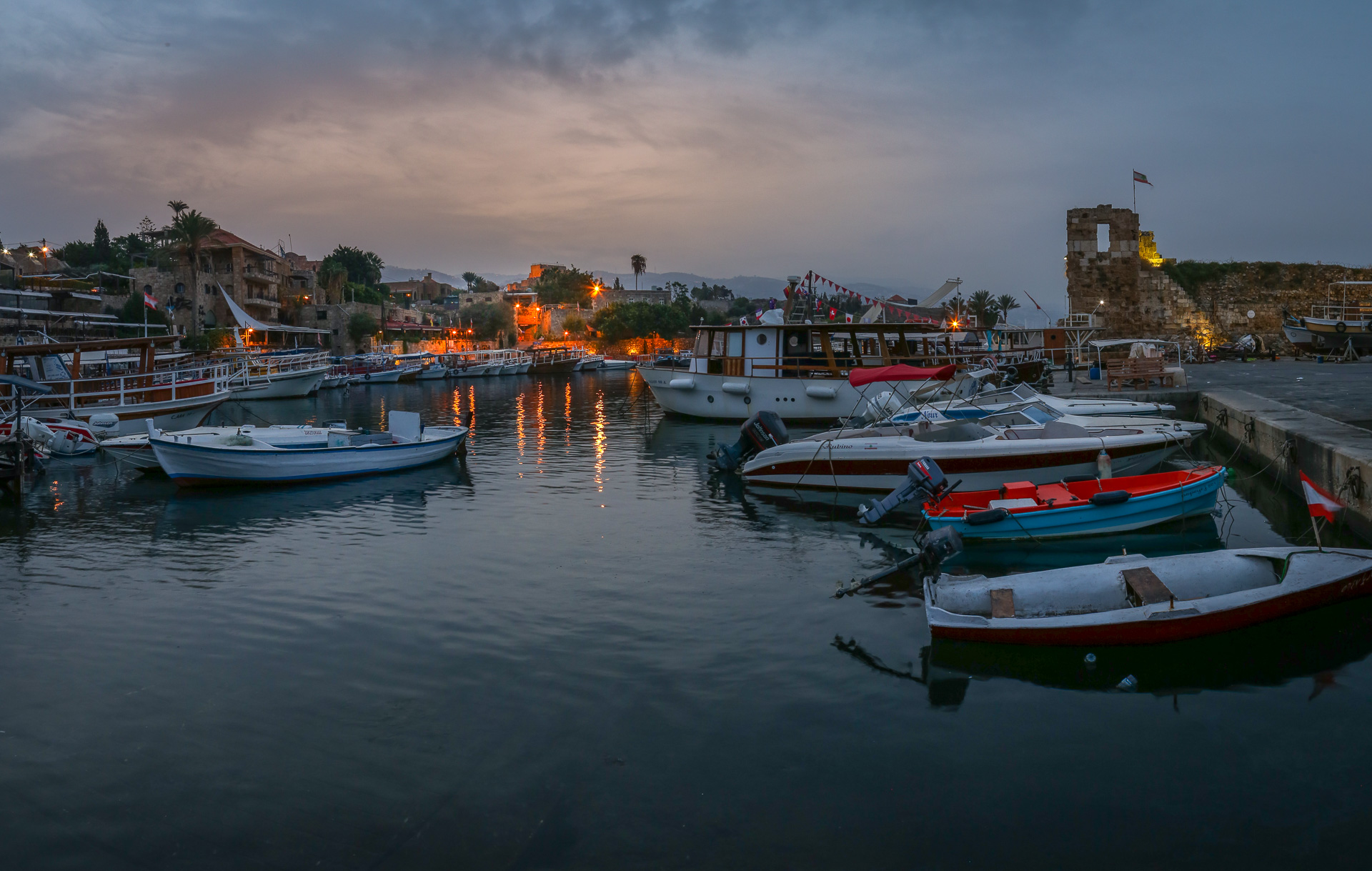
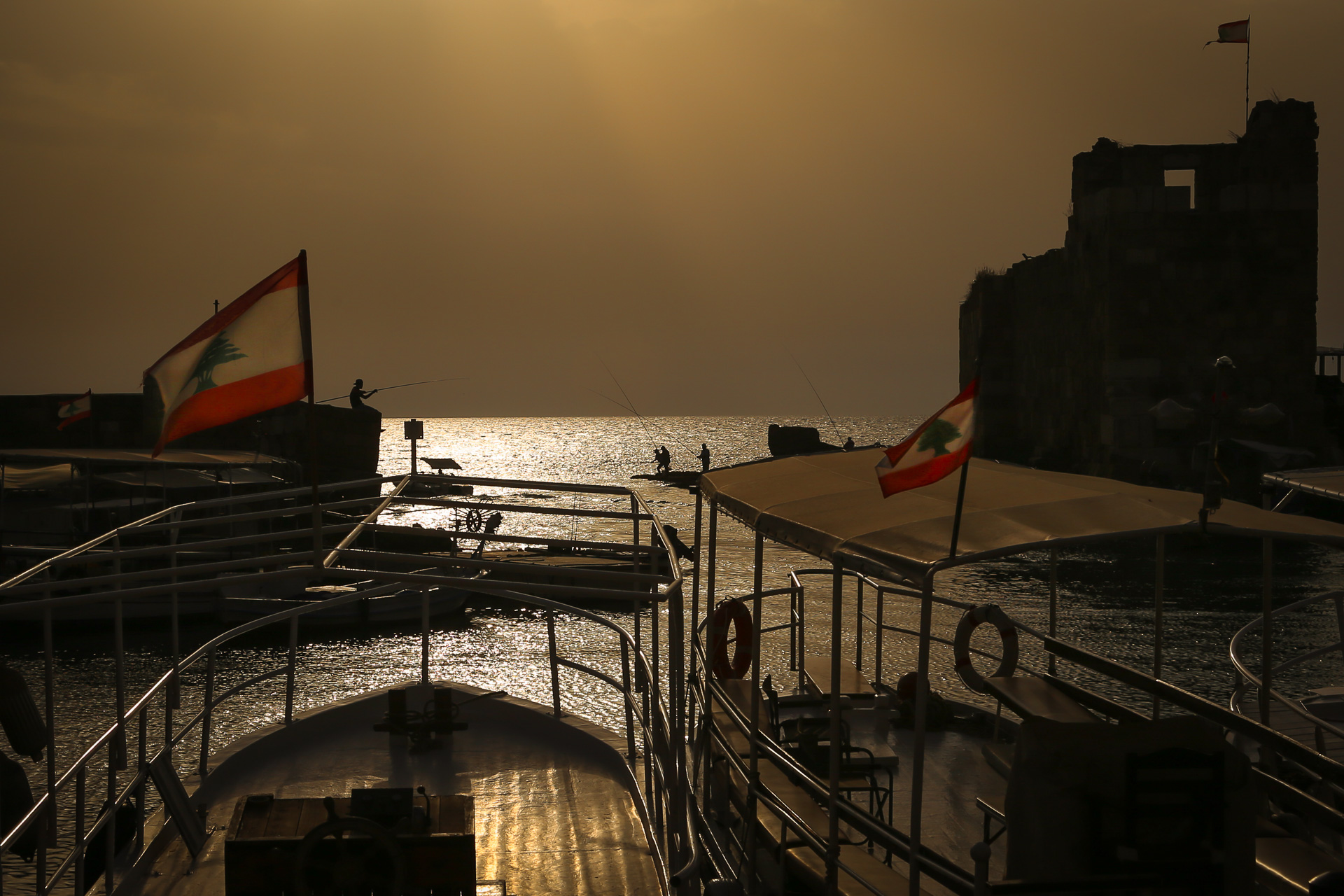
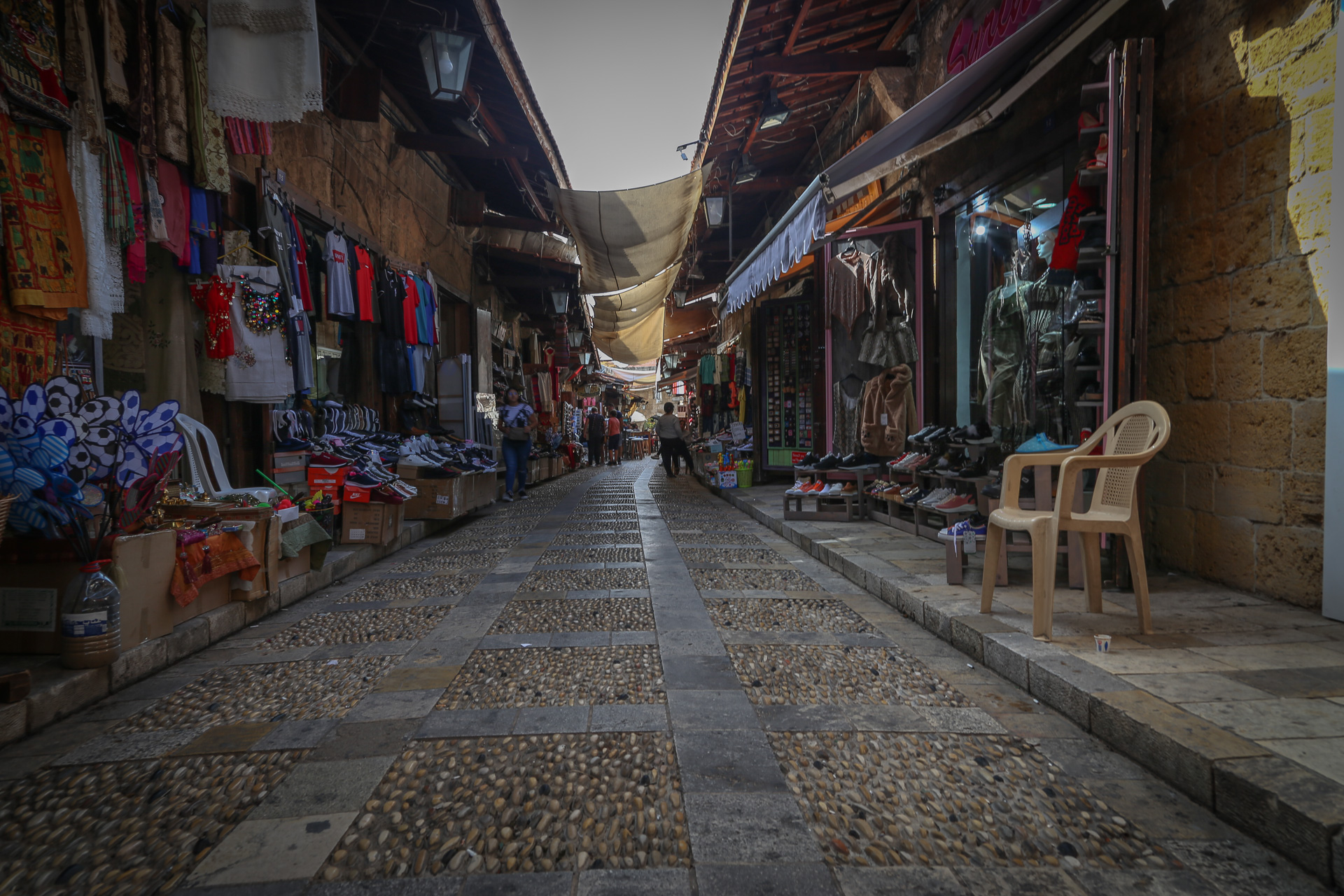
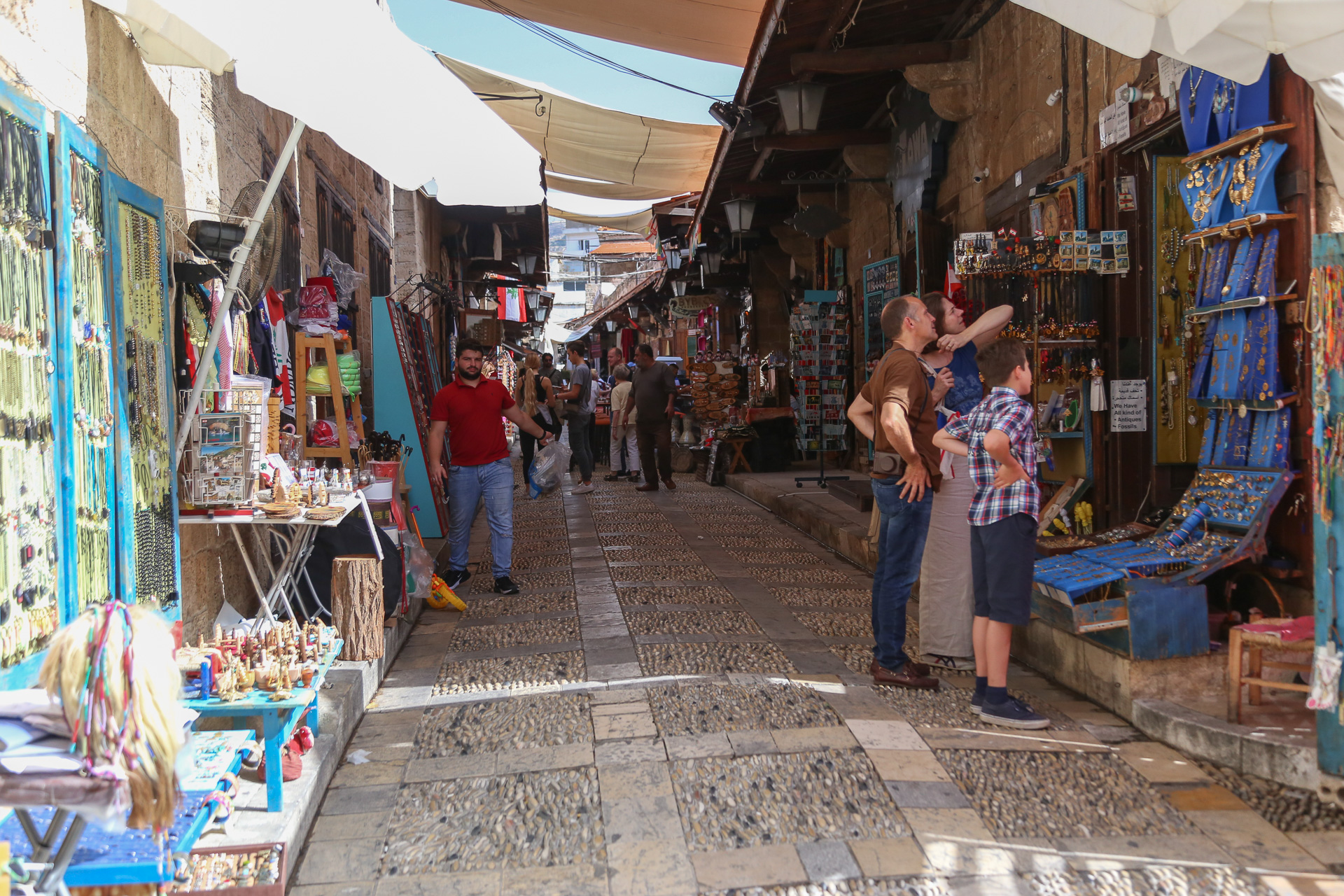
Beyond Pepe’s and the Castle site, Byblos still had lots to see. The ancient souk is very much geared-up for tourists but still manages to retain its charm. Bustling shops during the day and loud bars at night. There are also old churches and mosques to visit but we were constantly drawn back to the tiny harbour, packed with tourist boats as well as working fishing boats.





We had hired a car and so felt obliged to drag our selves away from Byblos for two days of sightseeing.
On the first we headed north, up the coast, and then inland, up into the mountains and then down into the Kadisha Valley.
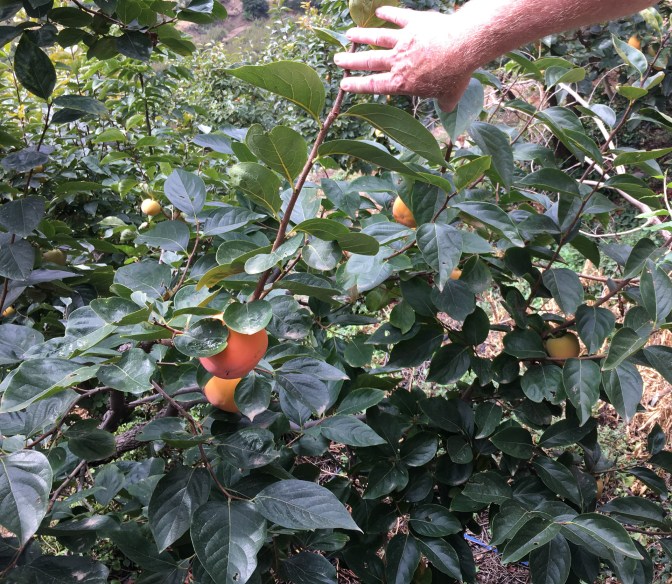
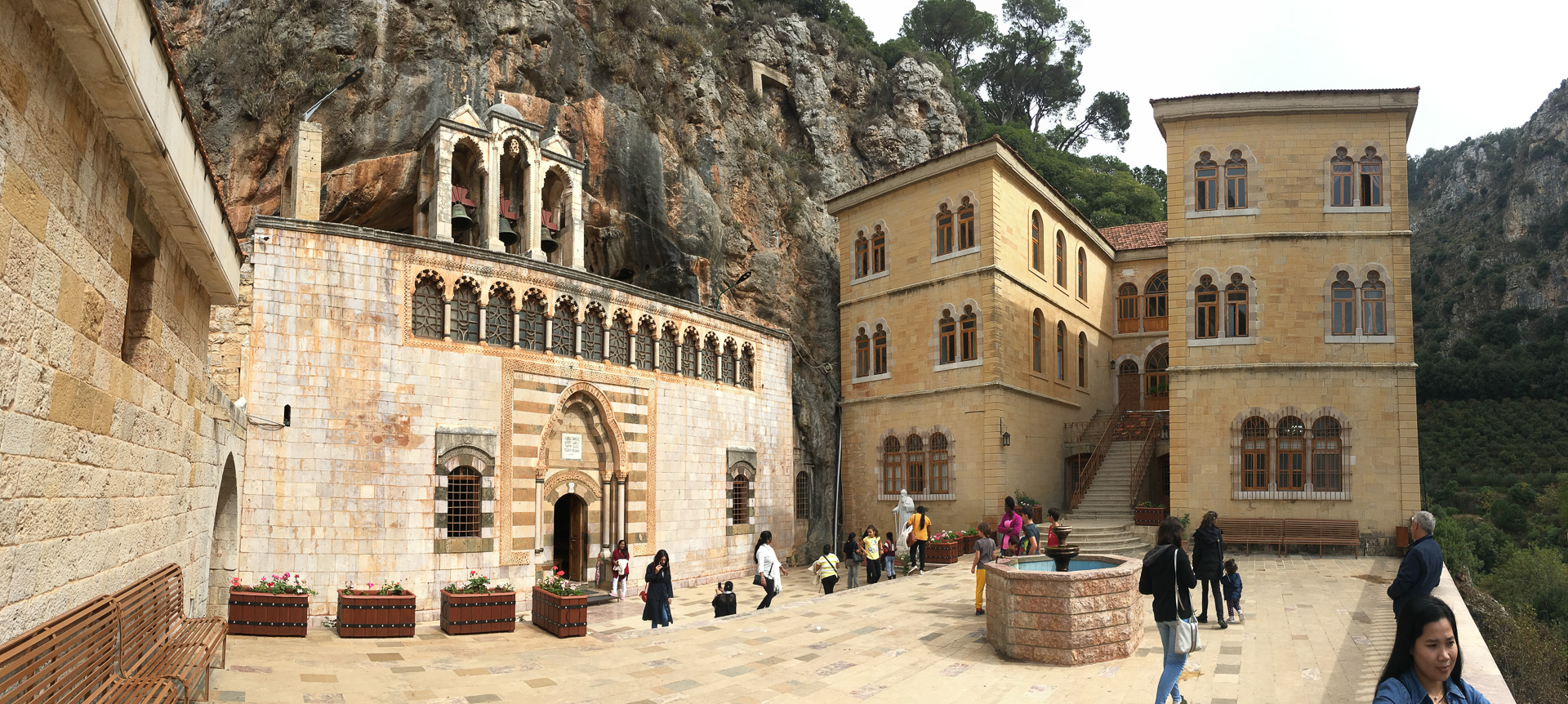
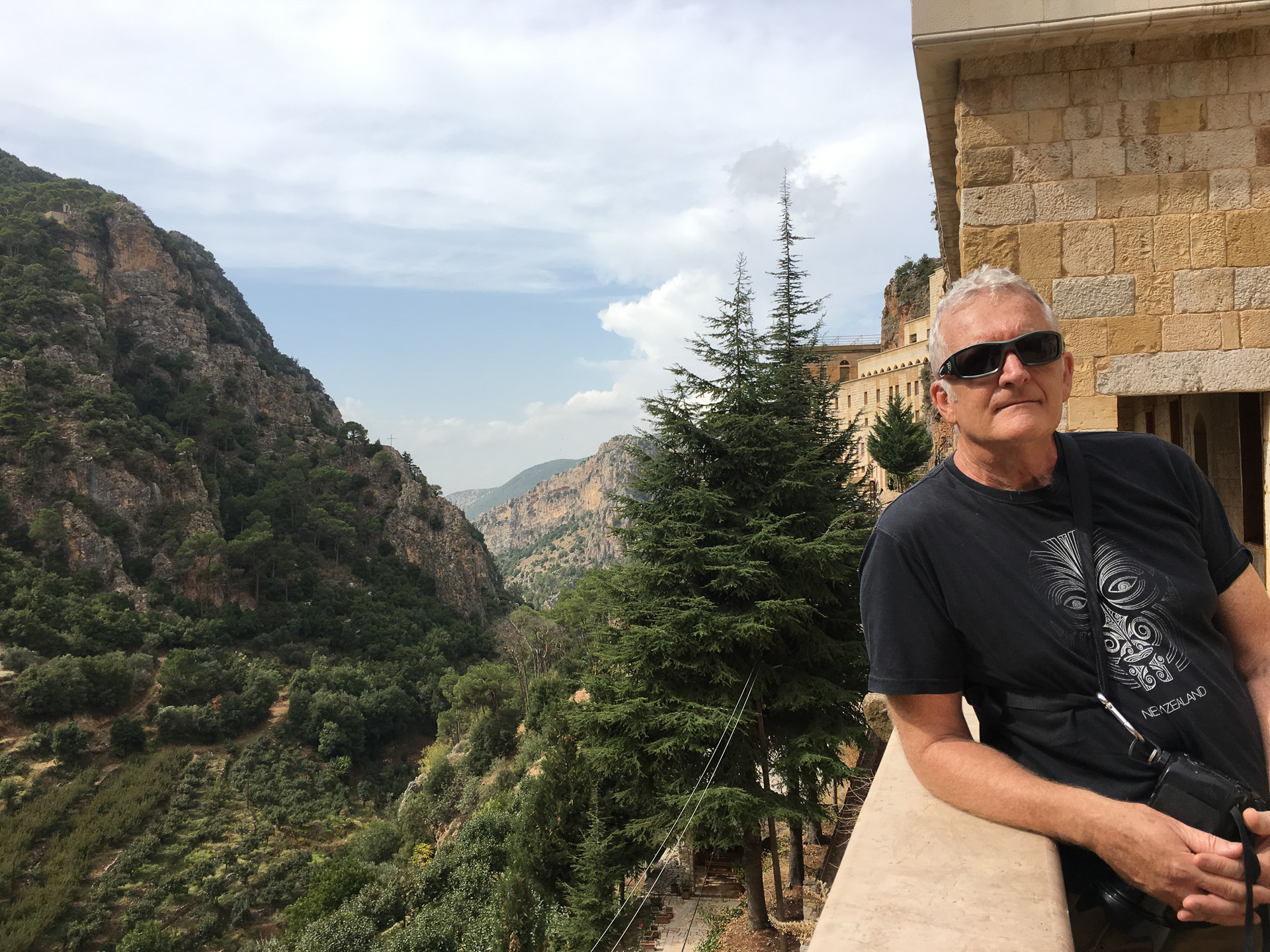
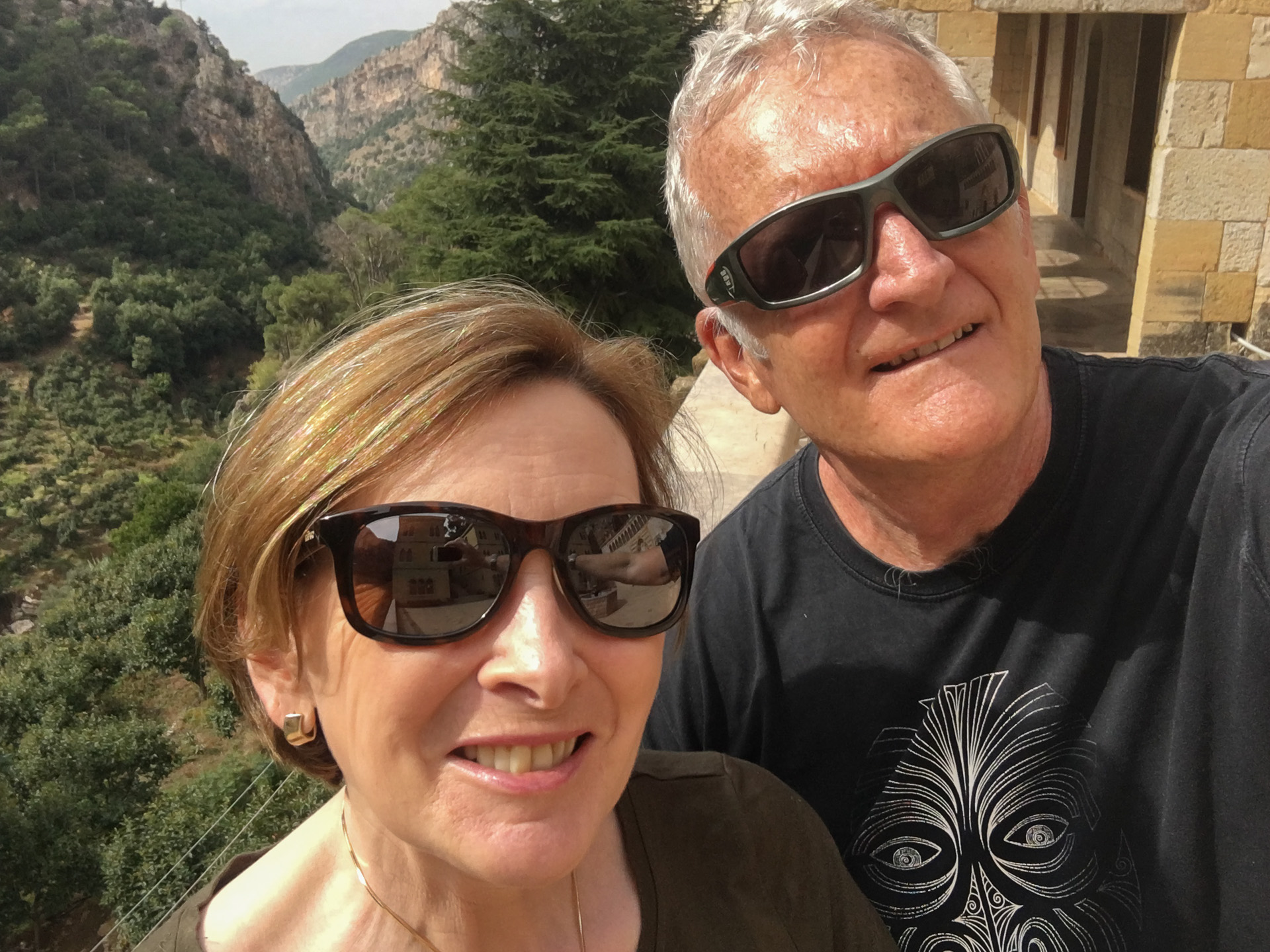
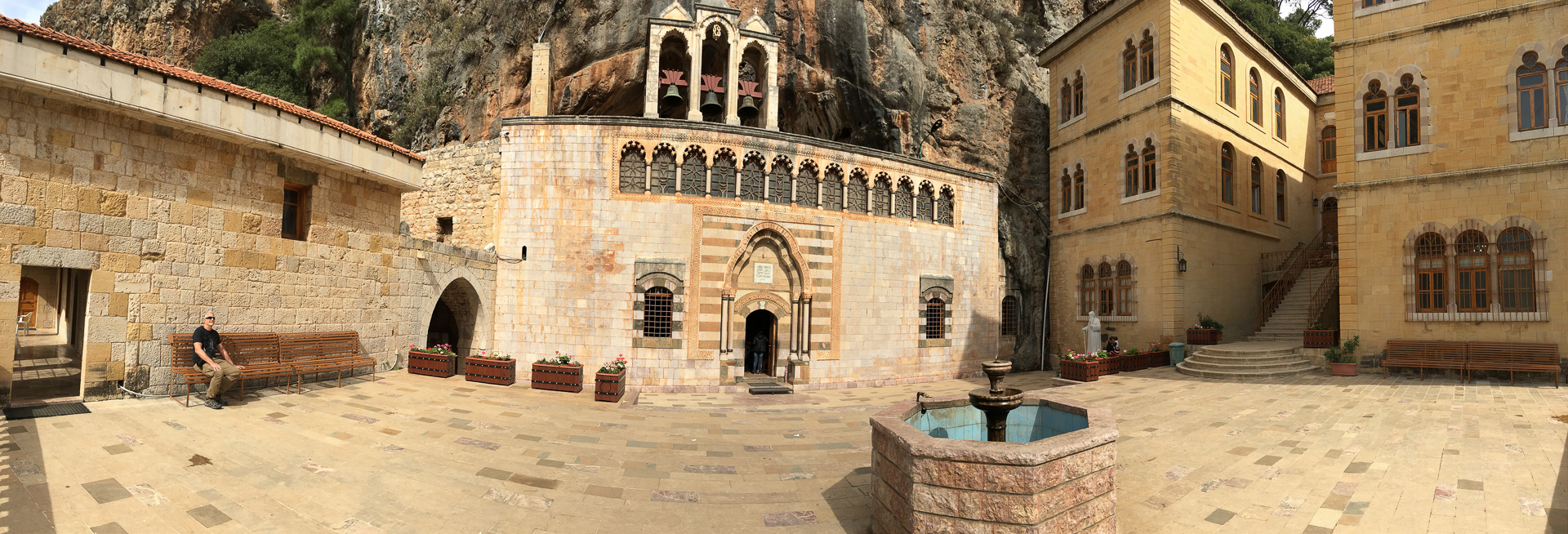
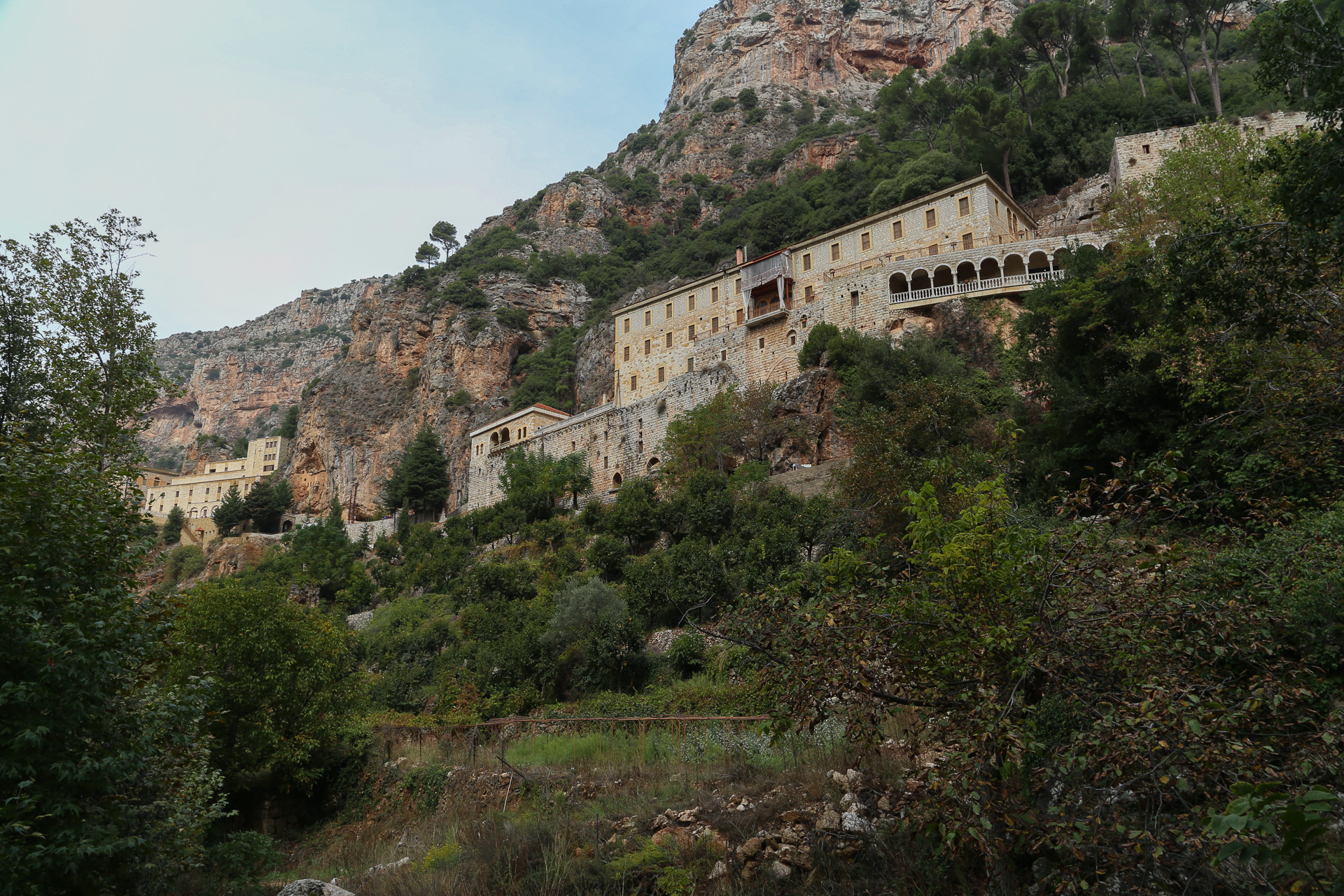
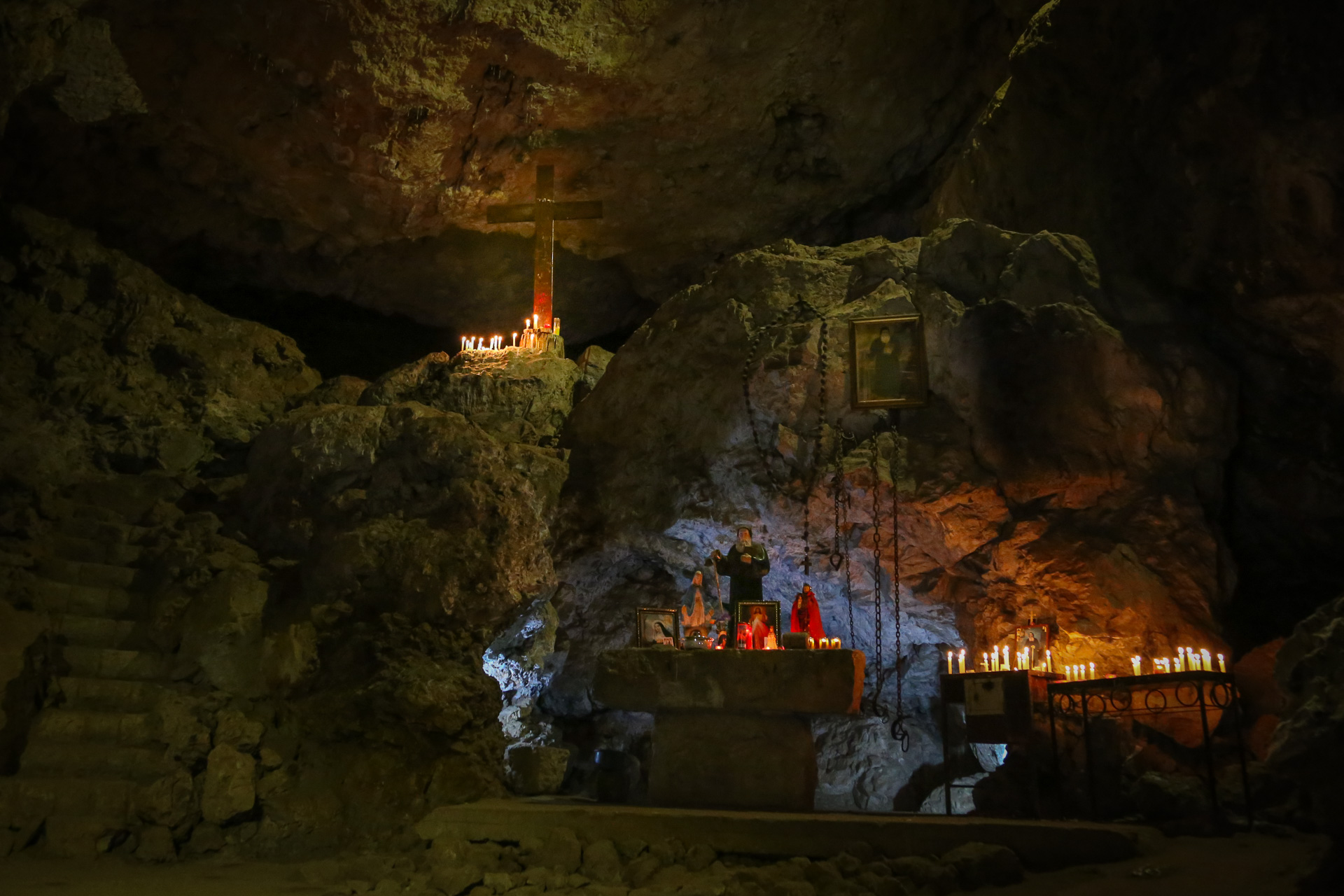
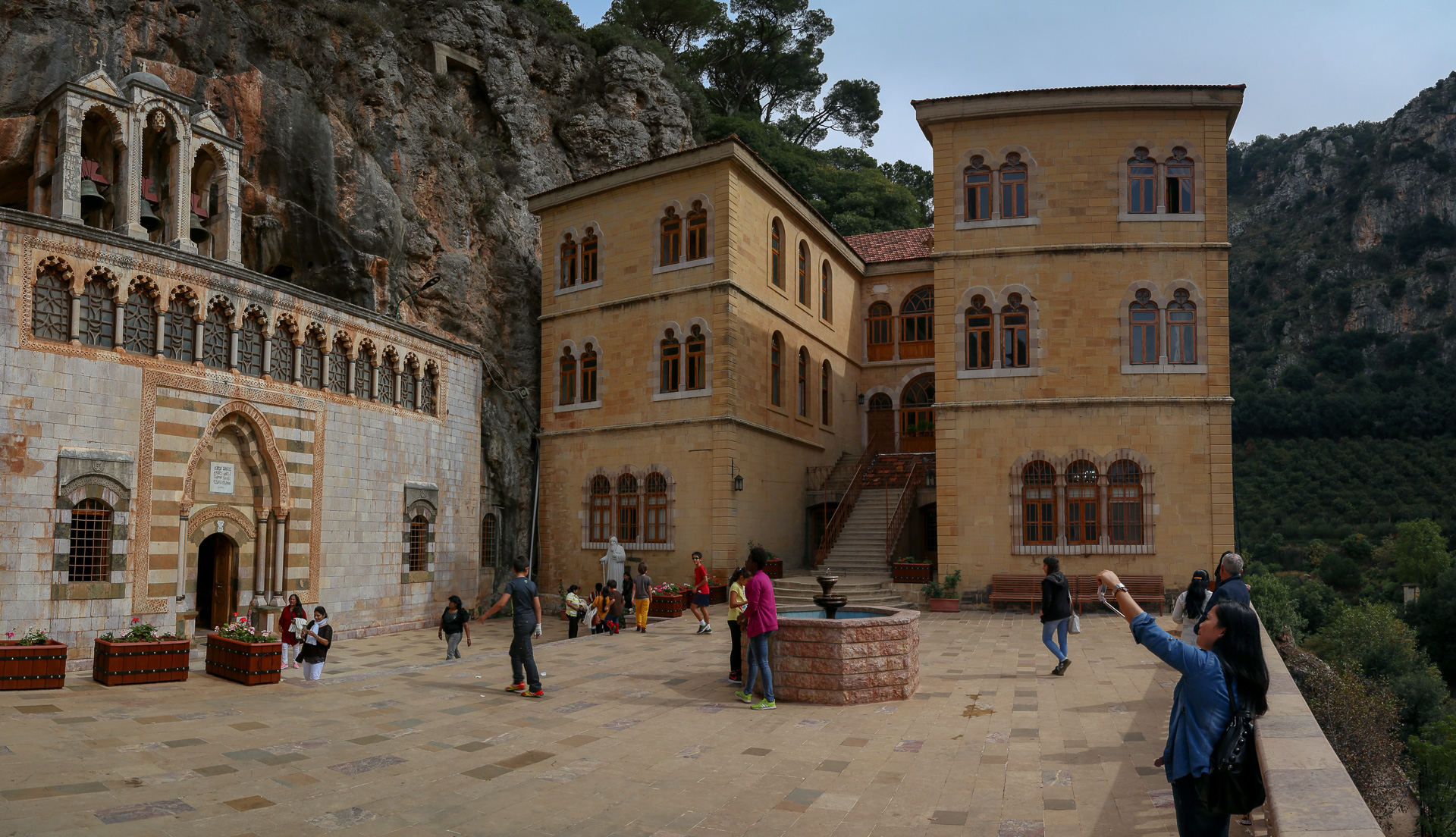
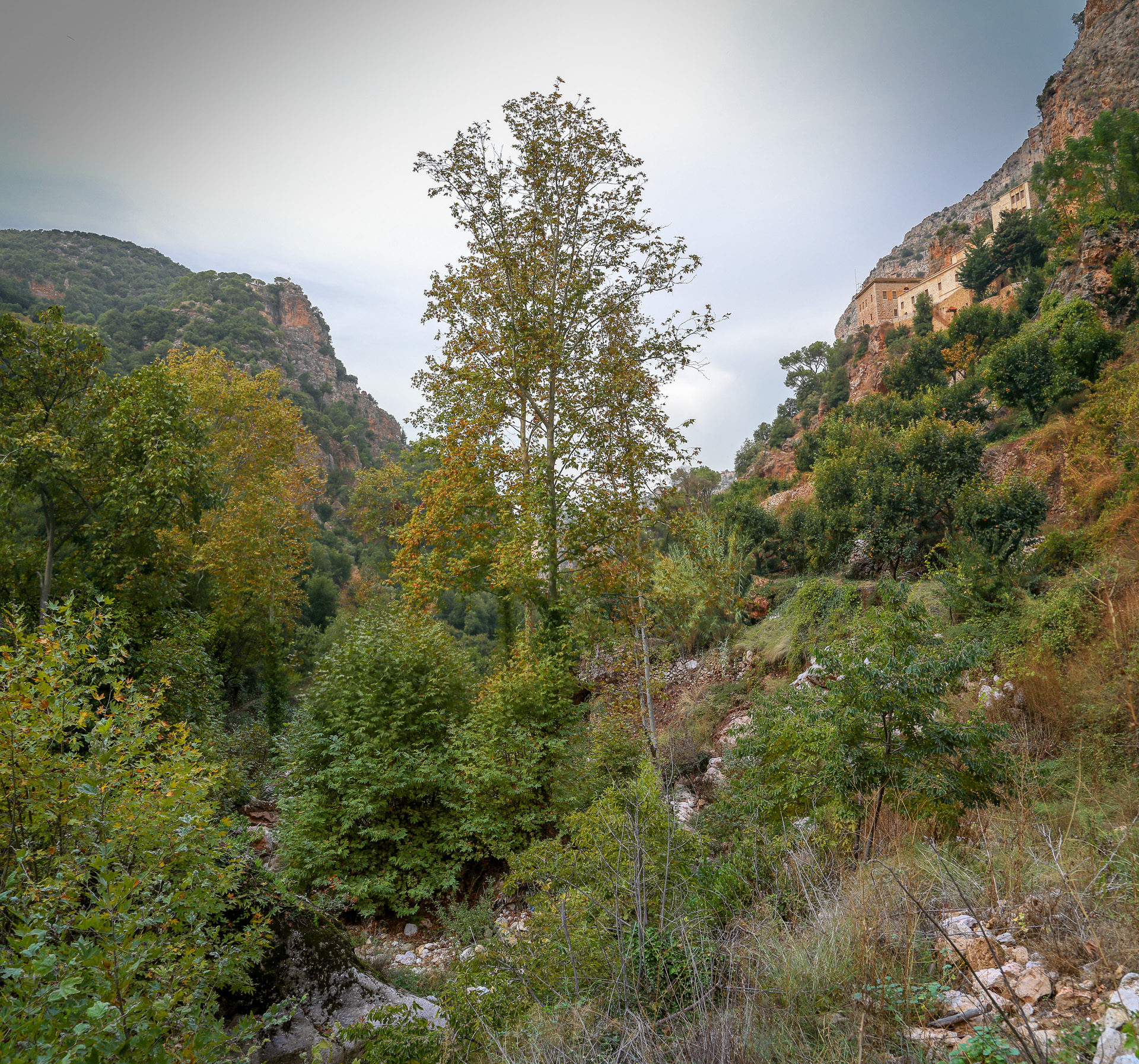
Our GPS had some interesting ideas on what constituted a main road but we eventually made it to the Monastery of St. Anthony. Built partly into the mountain with gorgeous views of the surrounding valley and forest it is still in use and the gardens were full of fruits – Nigel resisted stealing persimmons, but only just.
The Maronites hid in this region during the Ottoman period and numerous caves became shrines that are still visited by the faithful (and the rest of us) today.



Our second stop for the day was a UNESCO World Heritage Site known as the Cedars of God. It is a protected site of ancient Lebanon Cedar with an active re-forestation process in place.
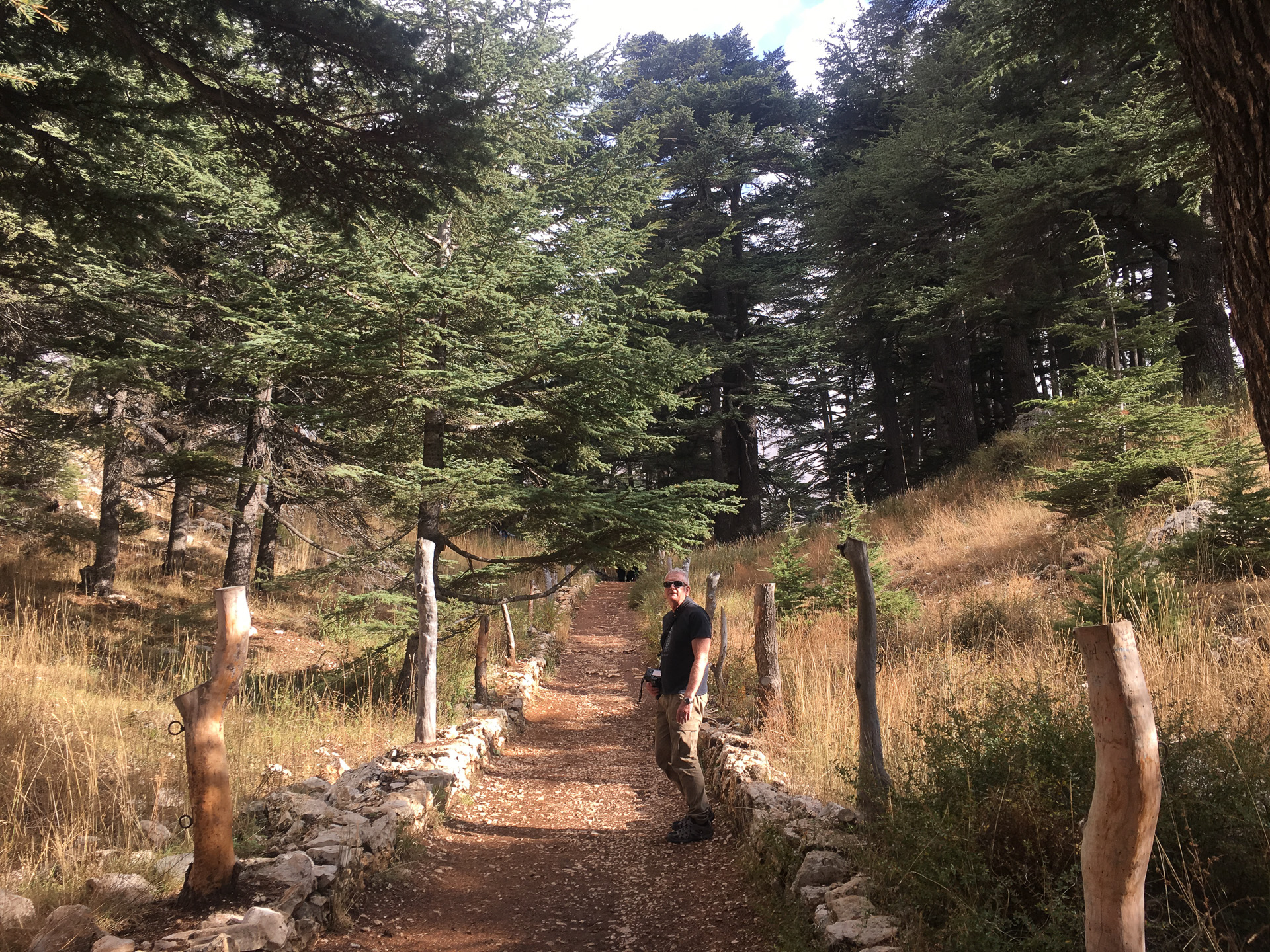
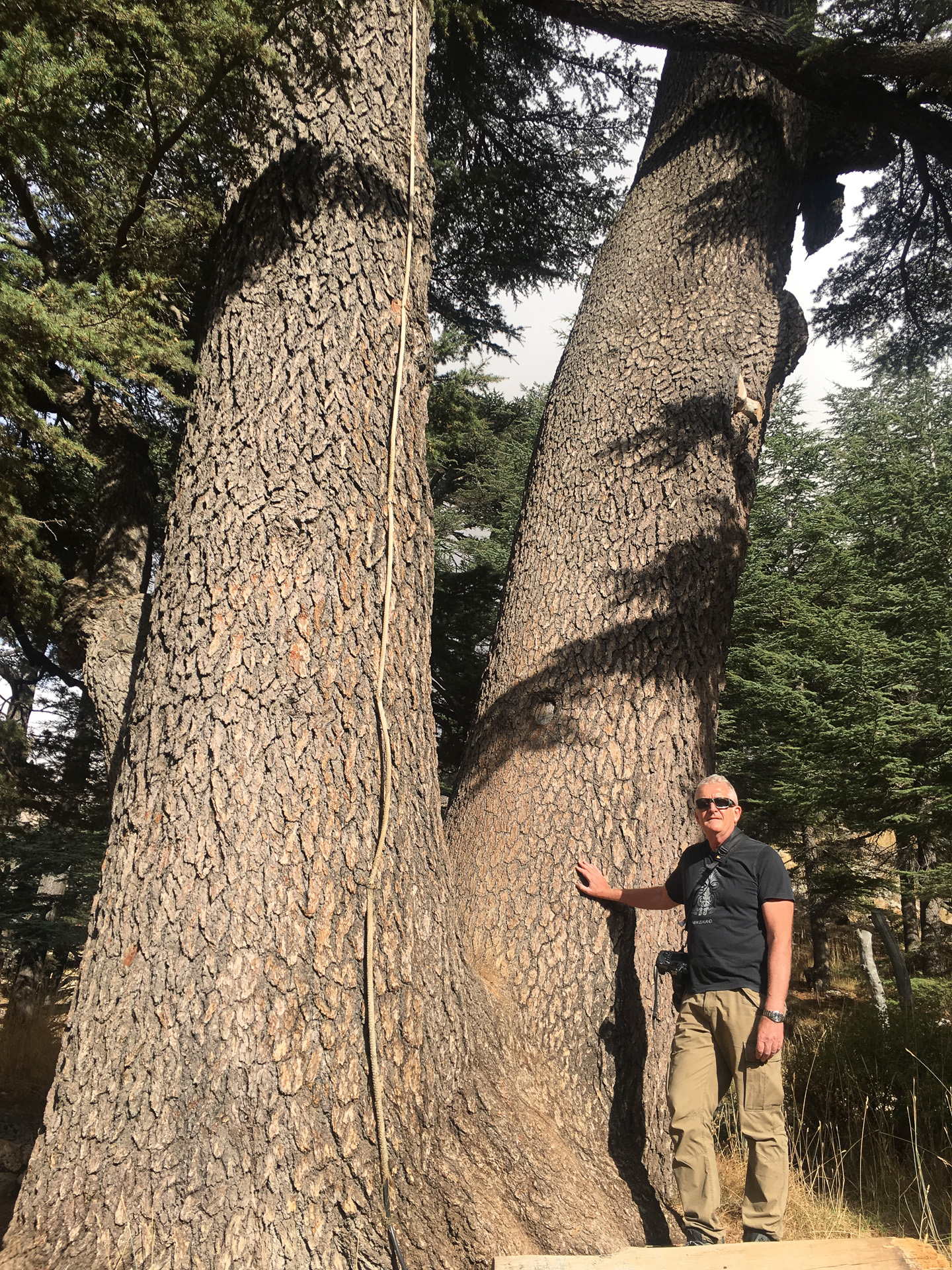
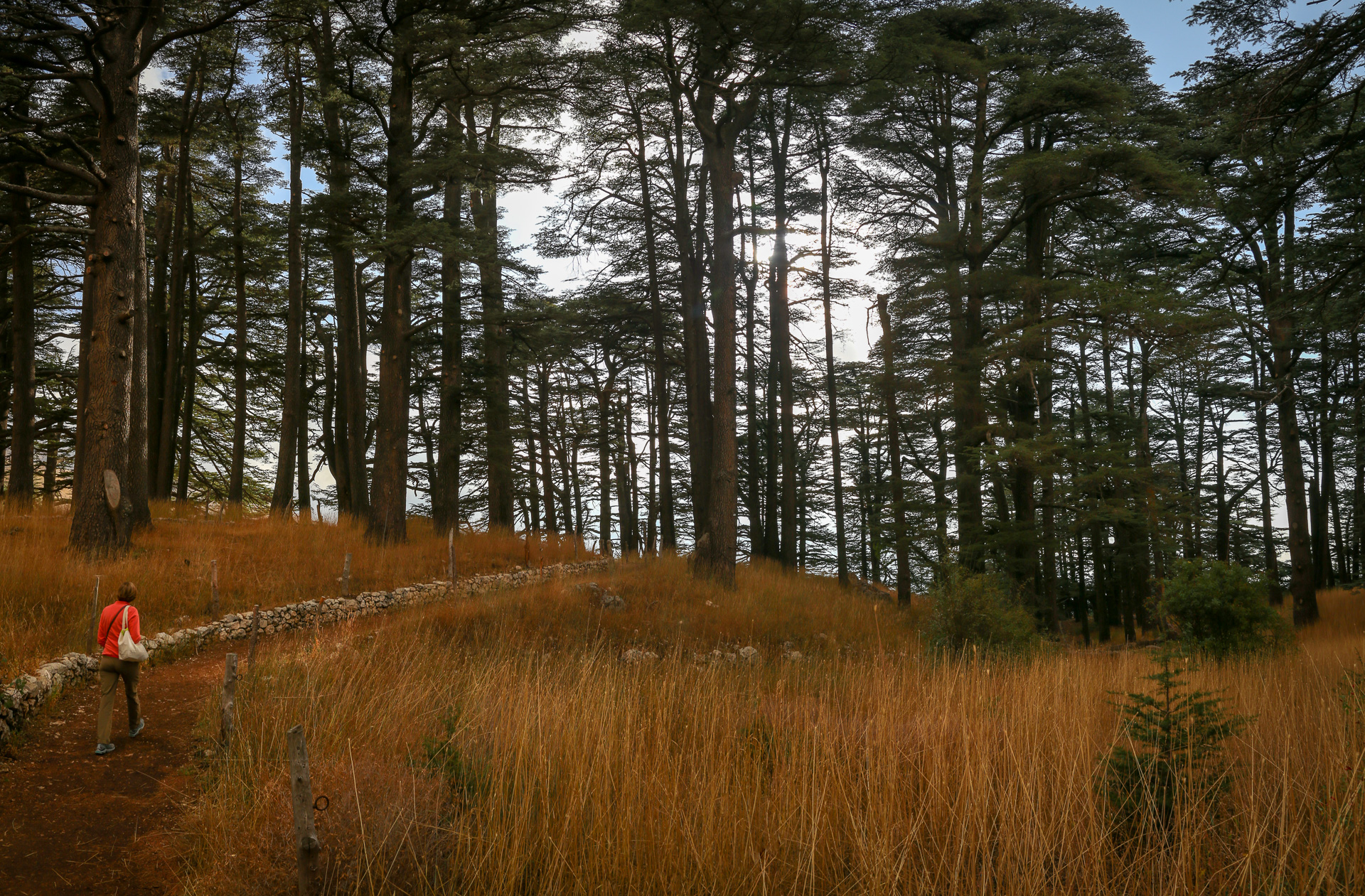

A beautiful, peaceful place in which to recharge before facing a somewhat stressful drive back to Byblos. Stressful partly because of our errant GPS but also because of the Lebanese driving habits. Drivers happily overtake on blind bends and congestion on a dual carriageway leads to at least four rows of traffic squeezed together and going nowhere. The rooftop drinks were really appreciated.
On the the second day of sightseeing we headed south, about 50 km south of Beirut, to Saida, apparently Lebanons third largest city. Similar to Byblos, in that it was once an important Phoenician port and much later became a strategically important base for the Crusaders. It was the picturesque Crusader castle, built to protect the harbour, that tempted us to Saida. Below is the image on the Lonely Planet website https://www.lonelyplanet.com/lebanon/south-of-beirut/sidon-saida.
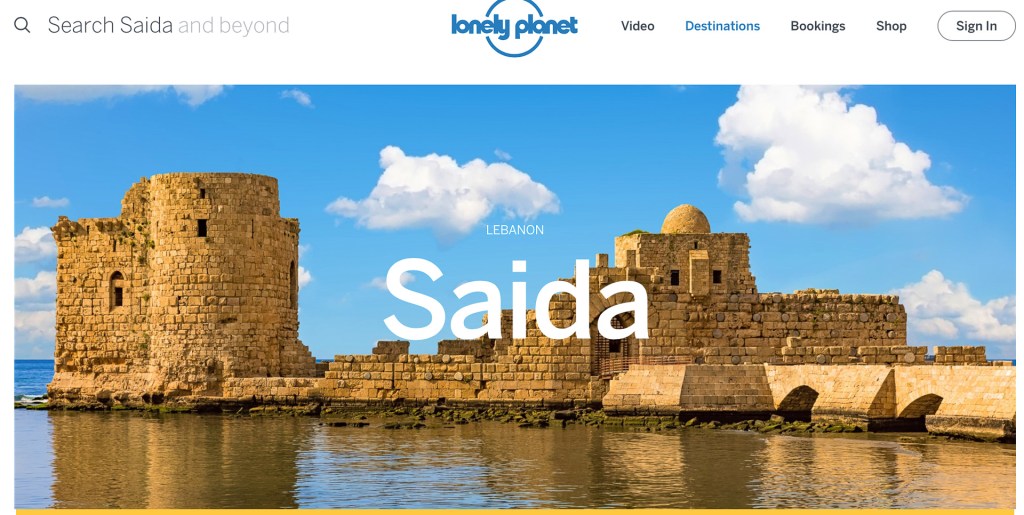
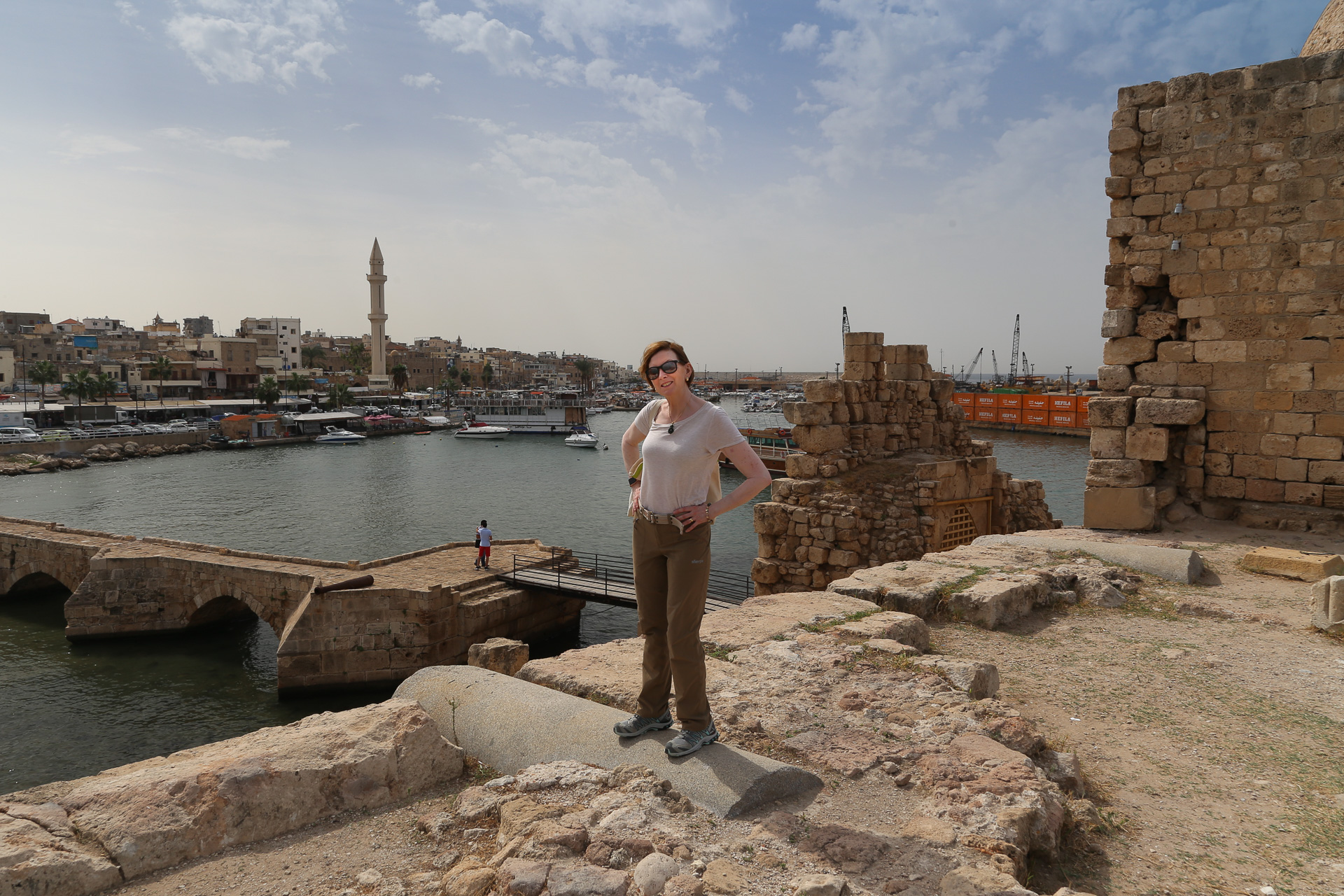
Similar images appear on numerous tourist focused websites. The reality is somewhat different. Our first view was this..
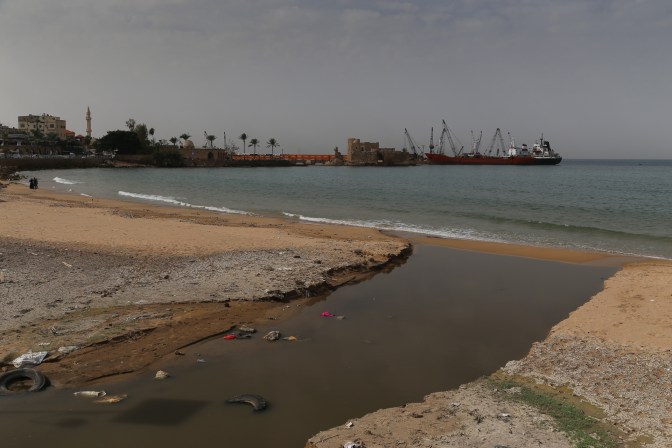
The tiny castle is completely overshadowed by a busy container port and the corniche and city beach were overflowing with rubbish.
We were really saddened by the amount of rubbish we saw, not just here, but everywhere we travelled in Lebanon. Even in the mountains, when we stopped at the road side to admire a view we were confronted with piles of plastic drink and food containers and a carpet of cigarette butts. We had to force ourselves to look beyond the filth and see what we were there for.
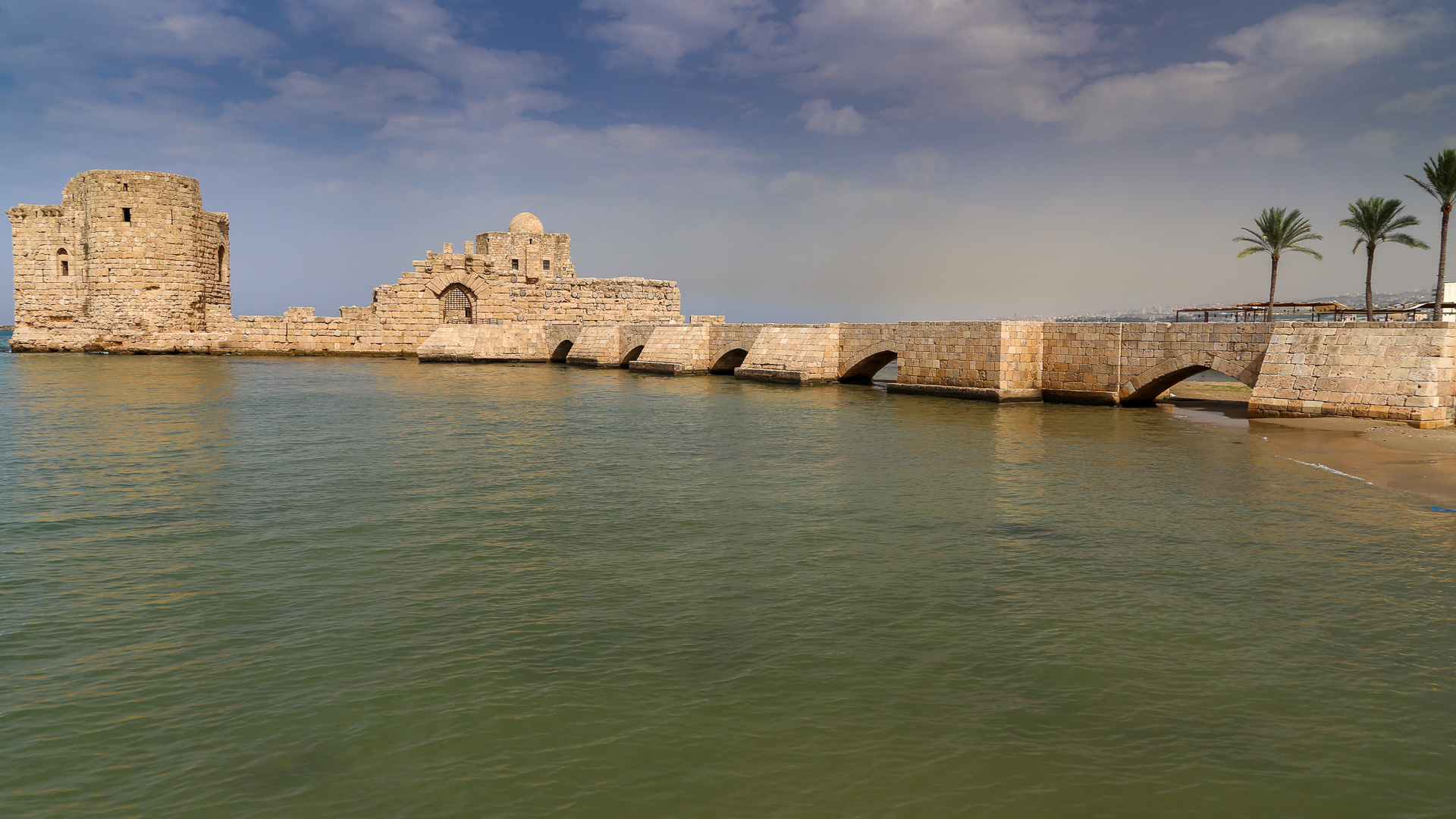
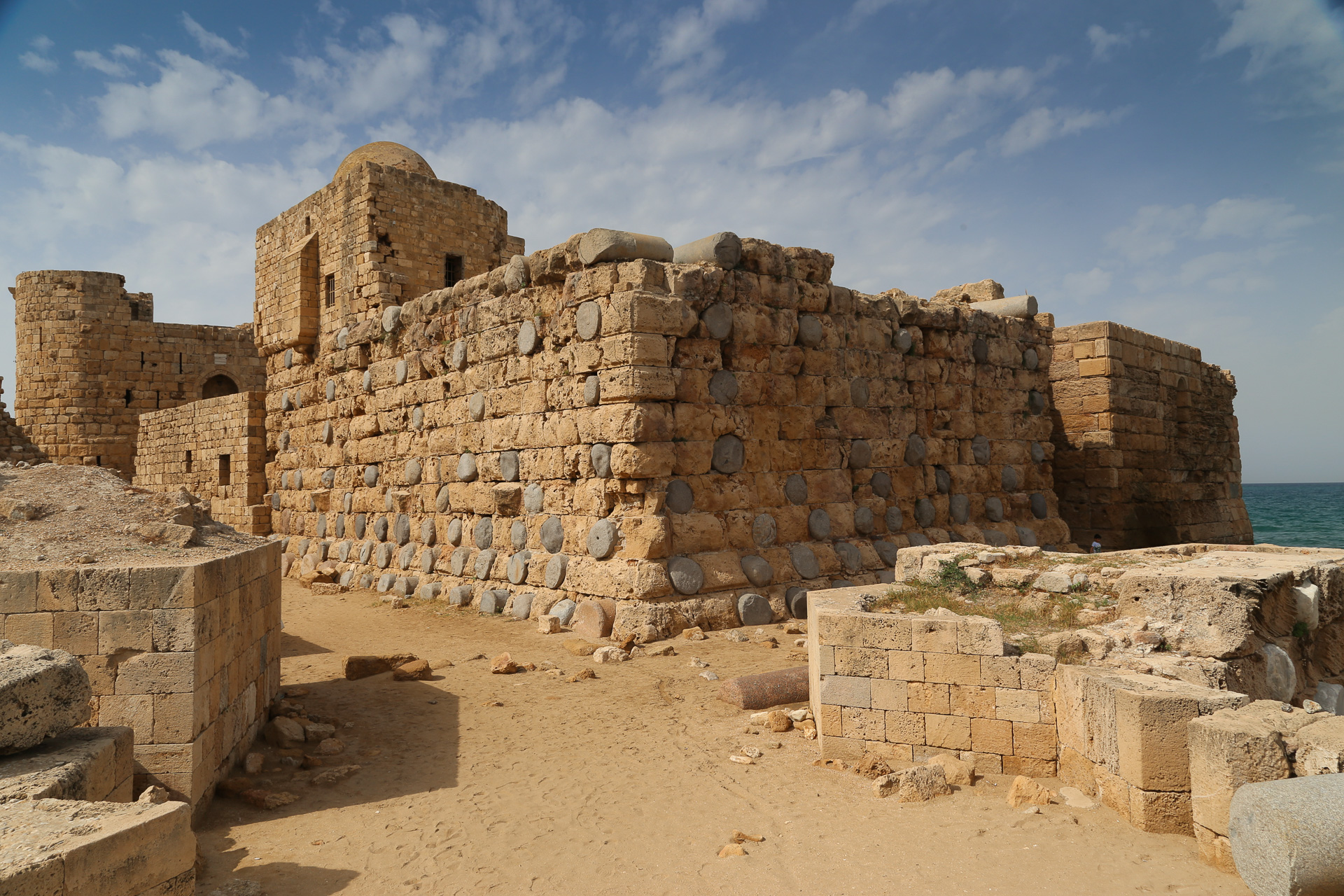
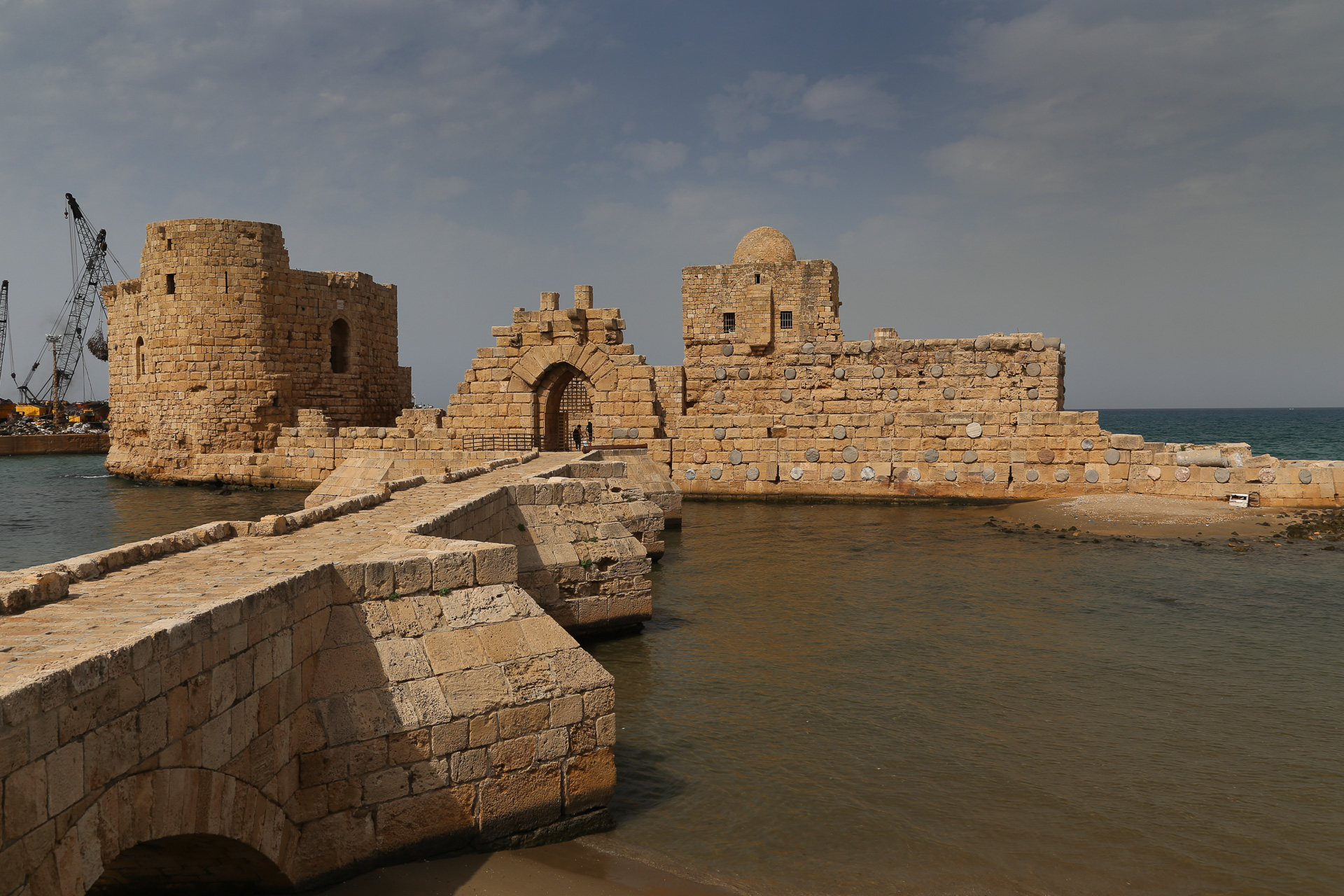
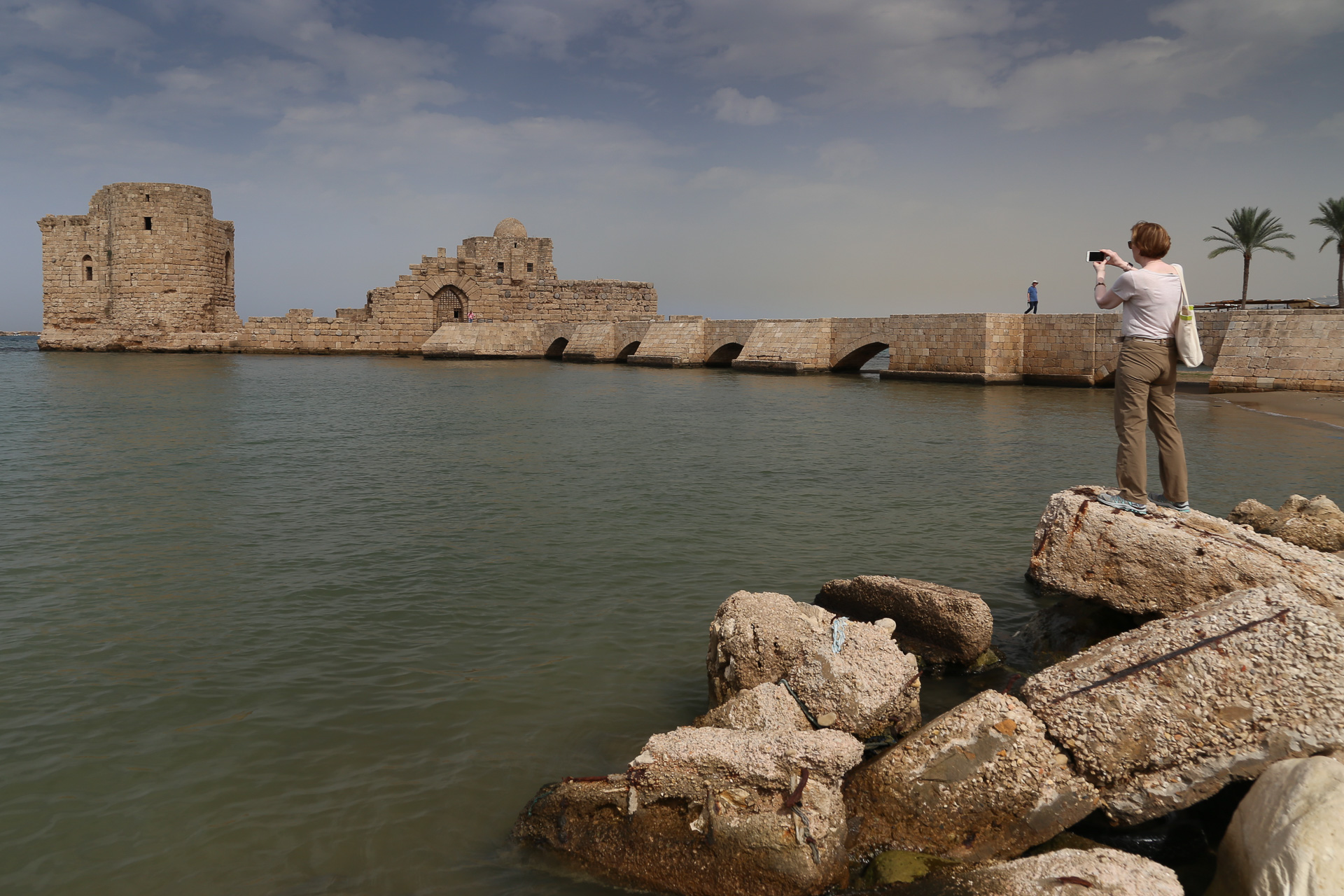
In Saida, a short walk along the corniche did indeed reveal the picture post card Sea Castle and careful camera angles yielded some scenic images.
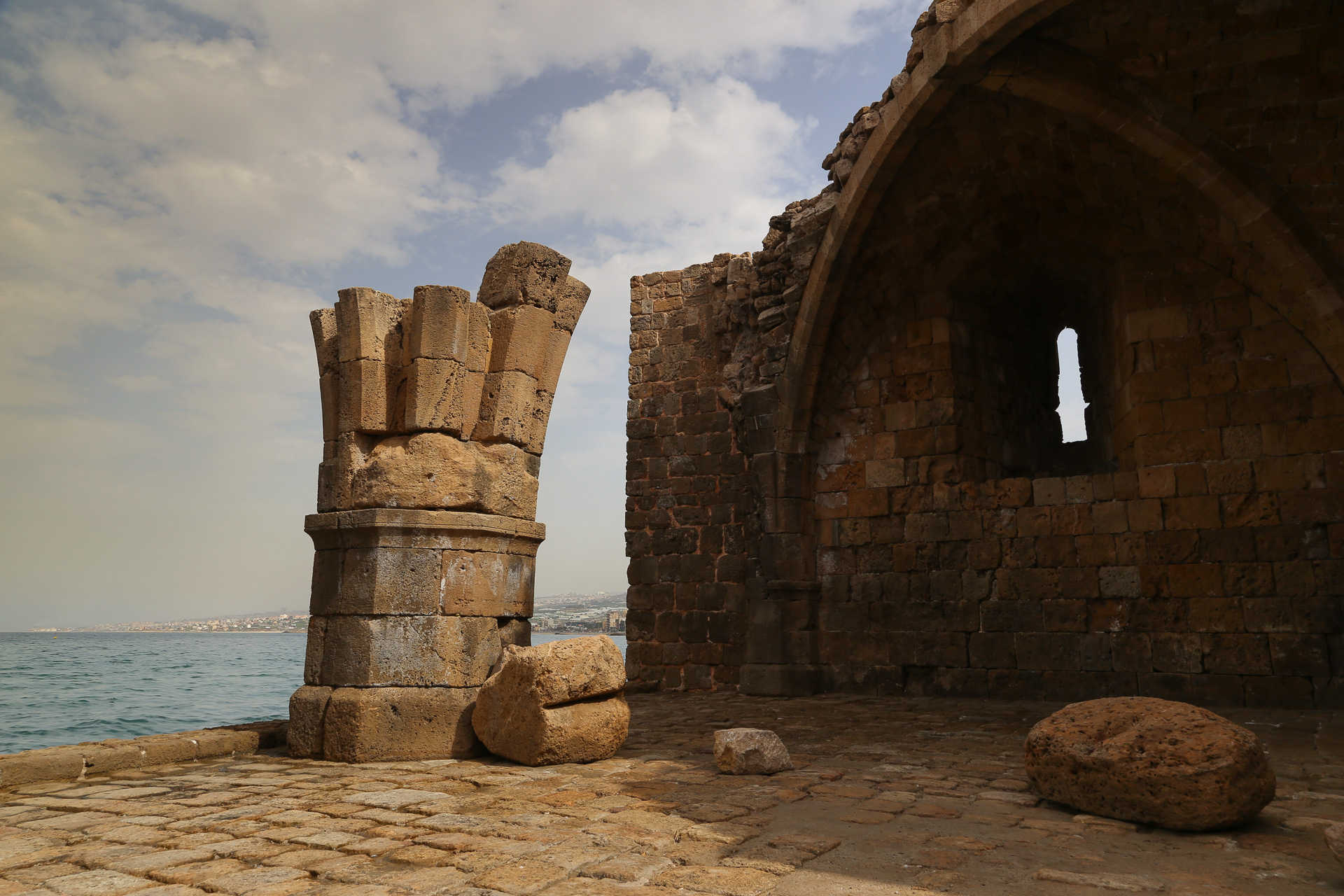
The castle was built by the Crusaders in 1228 on a small island that had been the site of a Phoenician temple. This meant that the Crusaders were once again able to demolish rose-granite pillars to strengthen the walls of their fortress.



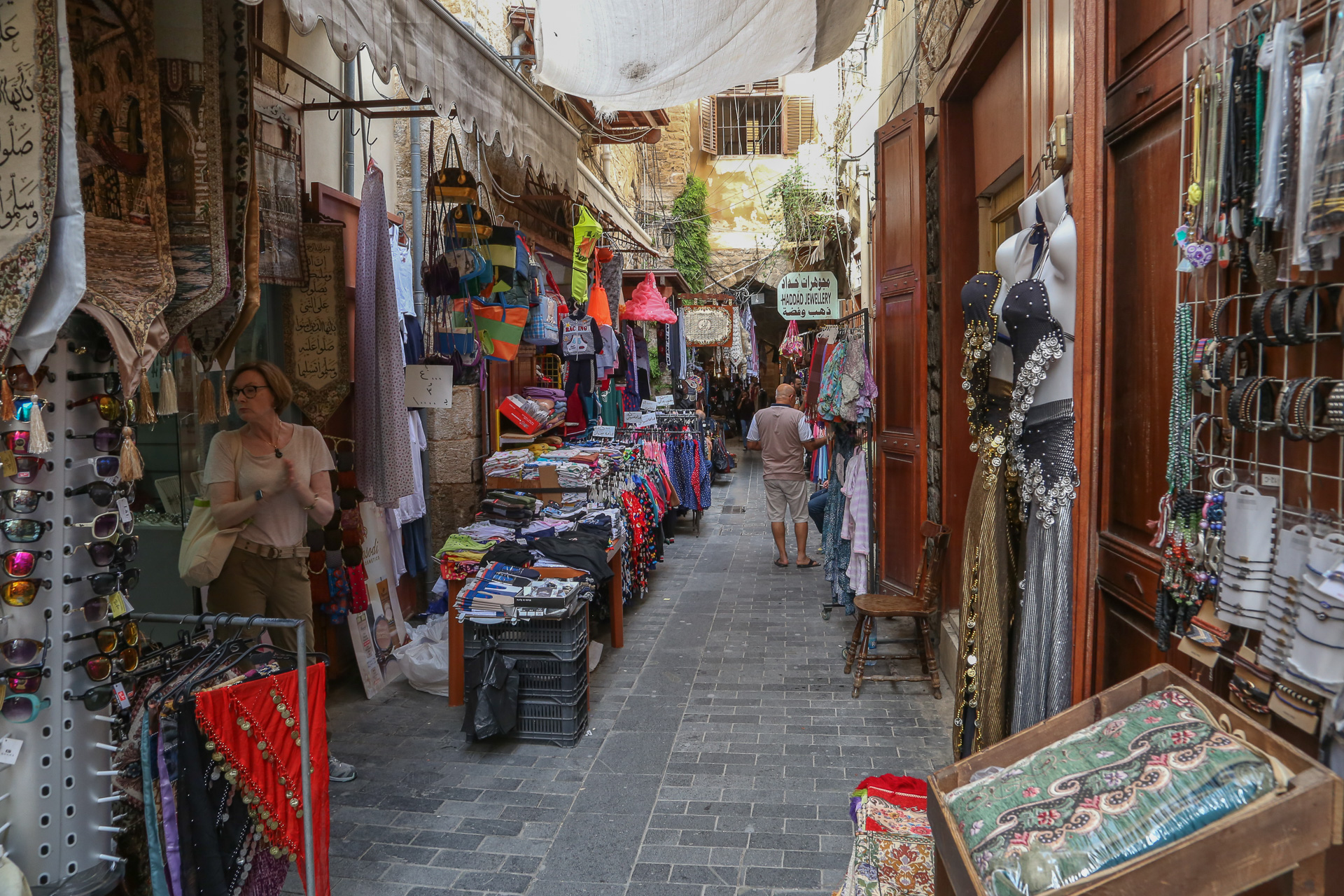
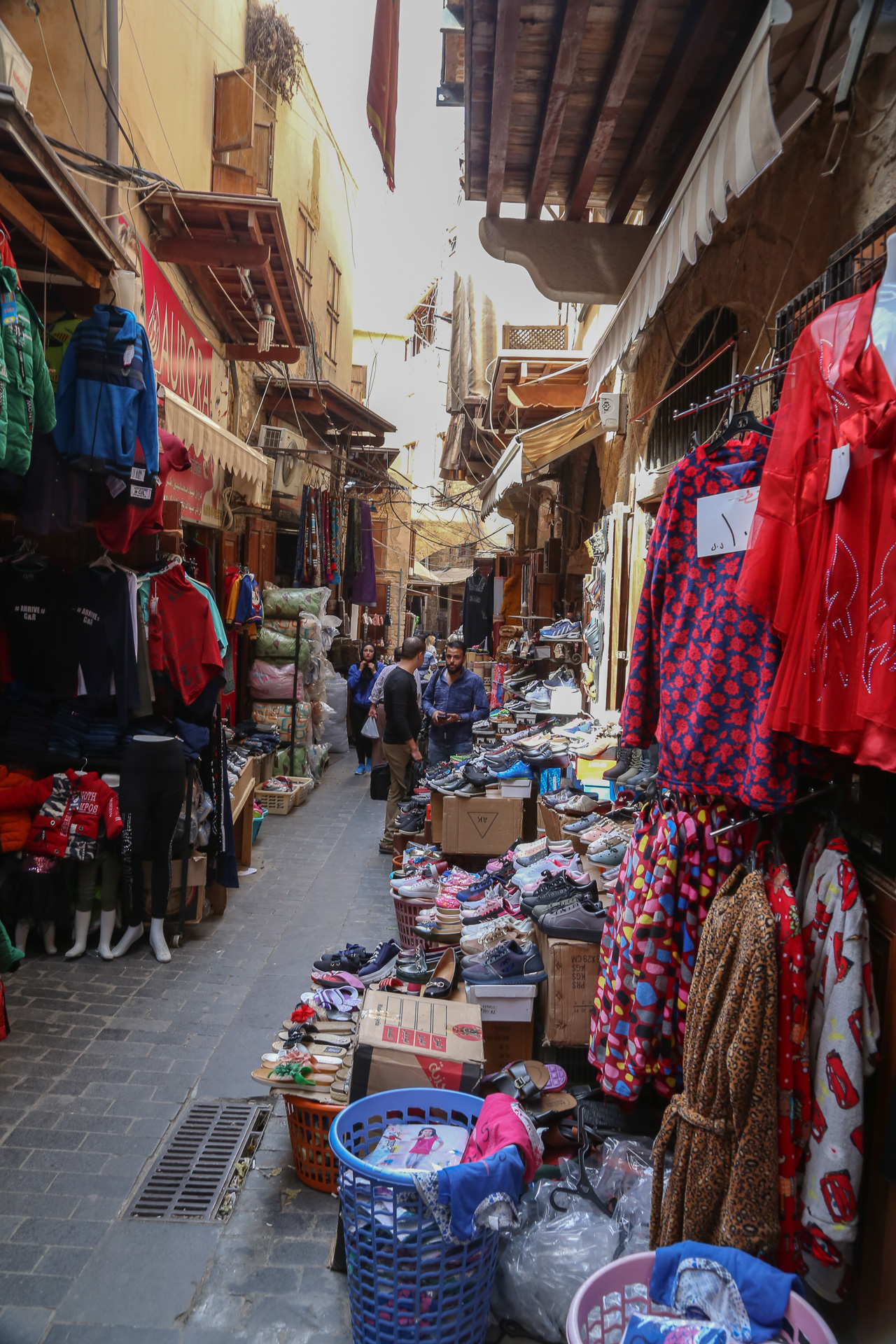
The old souk in Saida is also famous. While obviously a tourist trap in places, it clearly caters for the local population. In the meandering alleyways there were fish, meat, spice and fruit stalls and then complete areas devoted to furniture making.
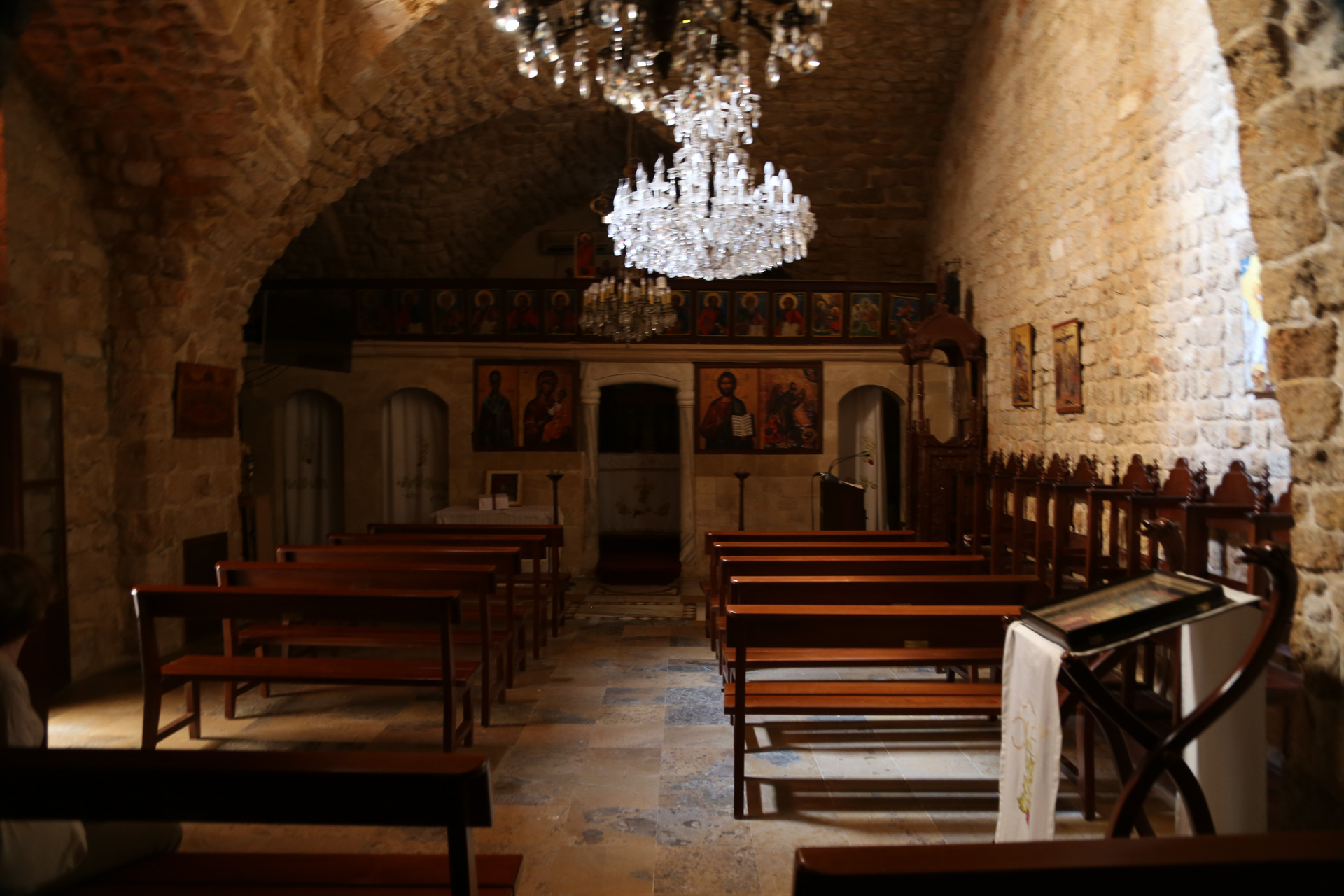
In the middle of all of it was the smallest cathedral we have ever seen – the 8th century St Nicolas Cathedral.
Strategically placed at the entrance to the cathedral was a shop making the most amazing Turkish delight. Obviously christians have a sweet tooth.
We left Saida early in the afternoon. A combination of wanting to get out of the excessive heat and a desire to get through Beirut before the late afternoon traffic build up.
We had been surprised to discover that the whole of the narrow coastal plain between the mountains and the Mediterranean is developed. We had travelled about 50km south of Beirut and further than that to the north without experiencing open countryside. Just an endless conurbation of multi-storey housing, retailers and light industry, with nothing very much to recommend it from an architectural viewpoint.
Fortunately, in amongst the urban sprawl and the mountains of rubbish there are some absolute jewels that are really worth seeing. As usual, our trip was too short and we left with so much more to see but it was absolutely worth visiting Lebanon.
 Weather is lovely, wish you were here