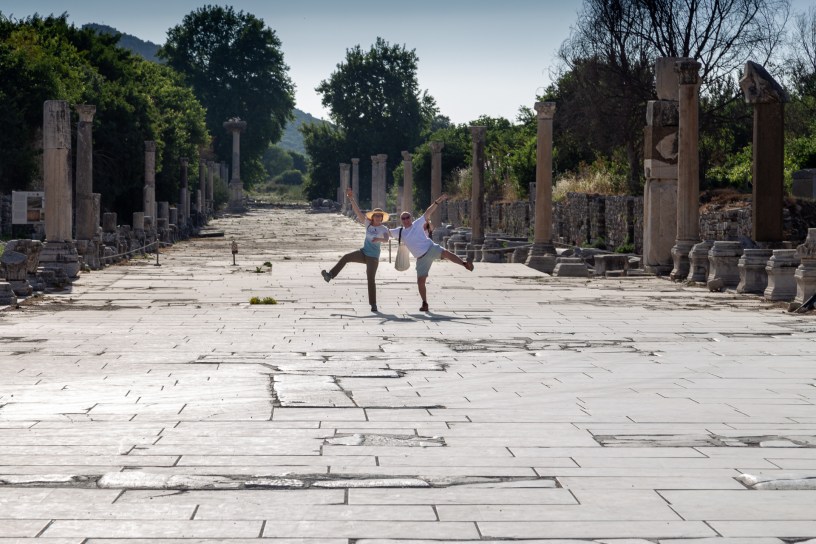
Ephesus and Şirince
Monday 3 June – Wednesday 5 June
An early start and an hour-long flight took us to Izmir on Turkey’s Aegean coast. An hours drive in a hire car and we arrived in Selçuk, the central town for some of Turkeys most famous archaeological sites.
We were there to visit the ancient Greek city of Ephesus but had been warned that the mid-day heat and the invasion of cruise ship tour buses in the middle of the day were two good reasons to delay our visit until later in the day.
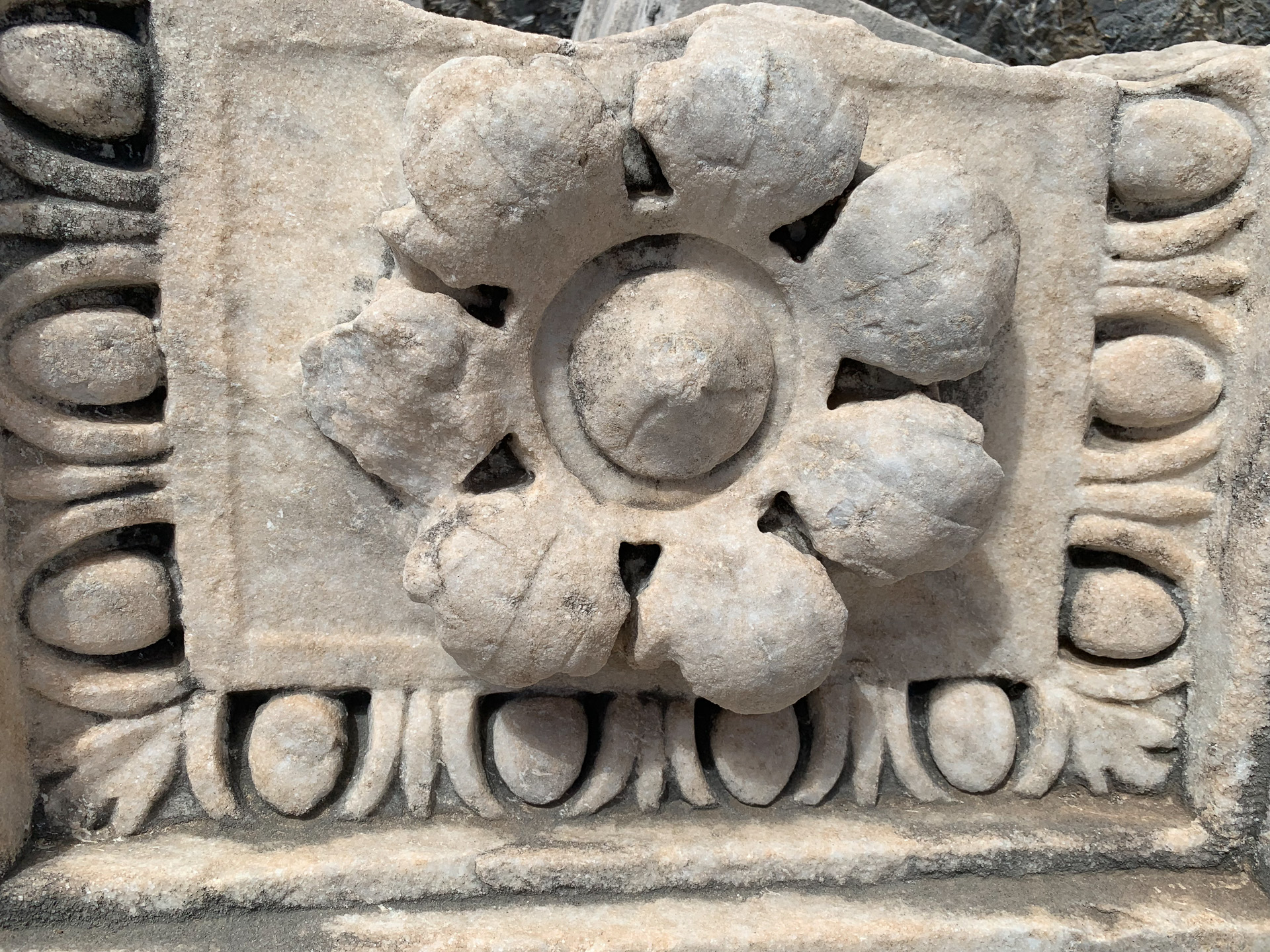
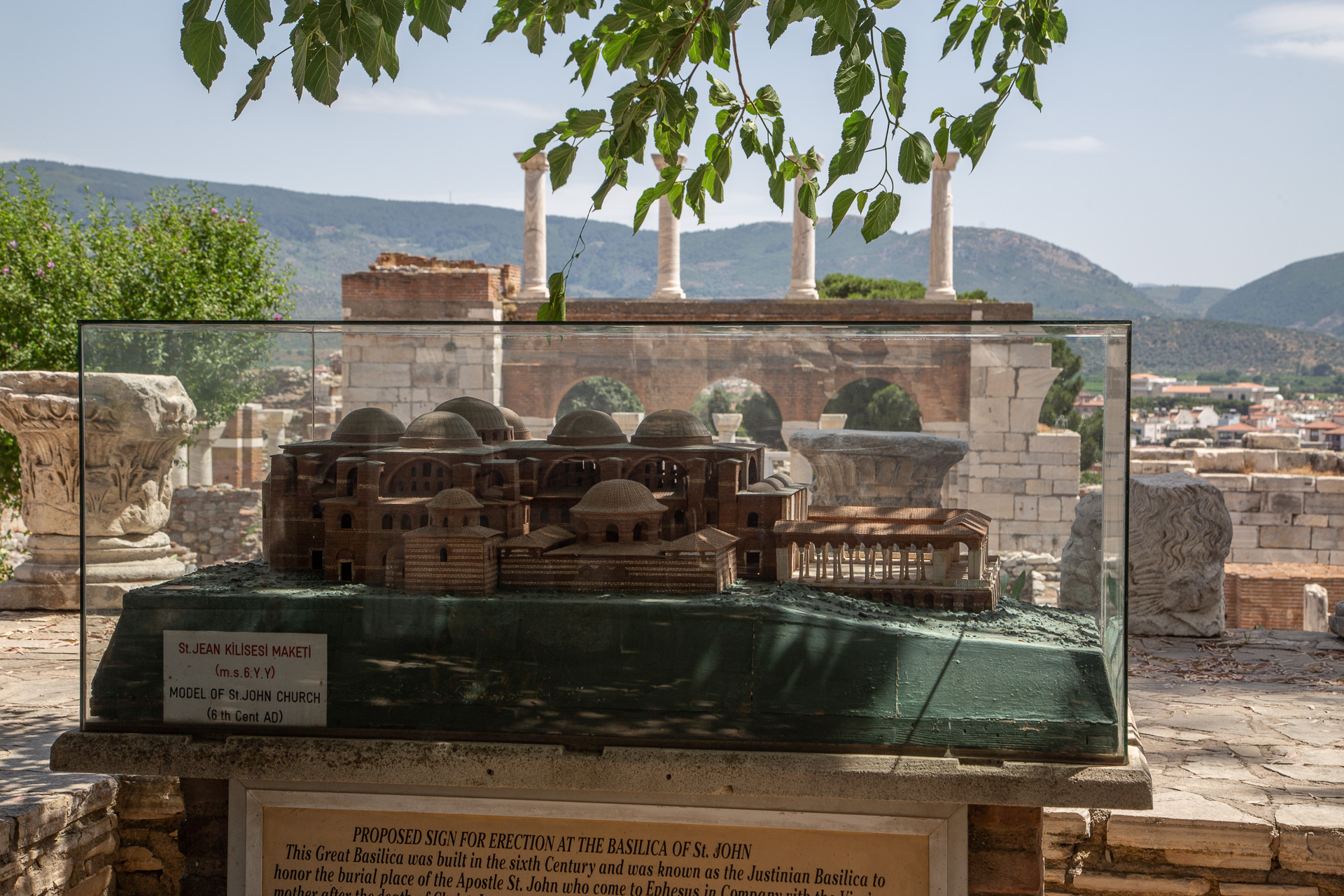
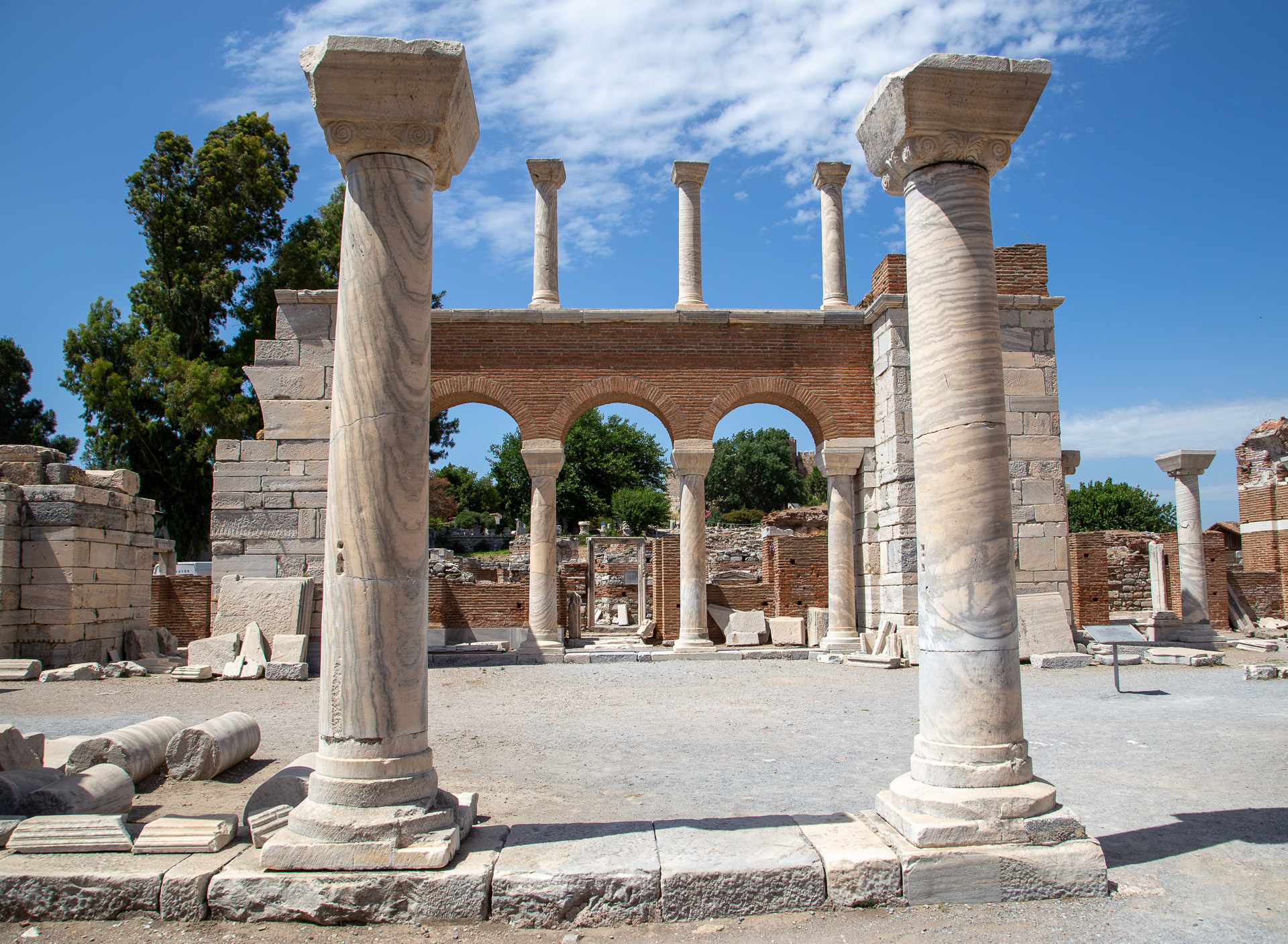
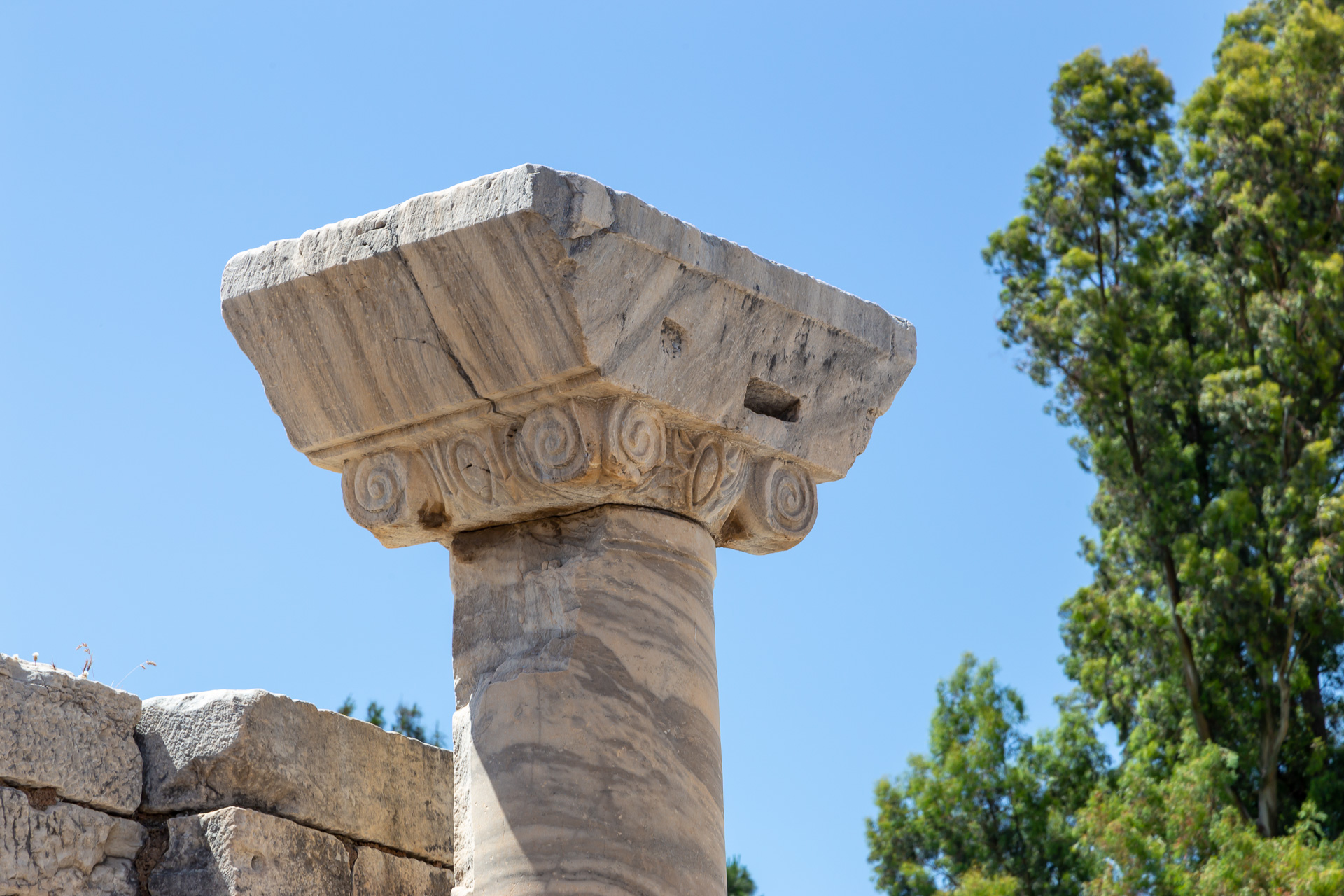
A visit to the 6th century Basilica of St John and Selçuk Castle were a great way to spend a couple of hours before heading for Ephesus.
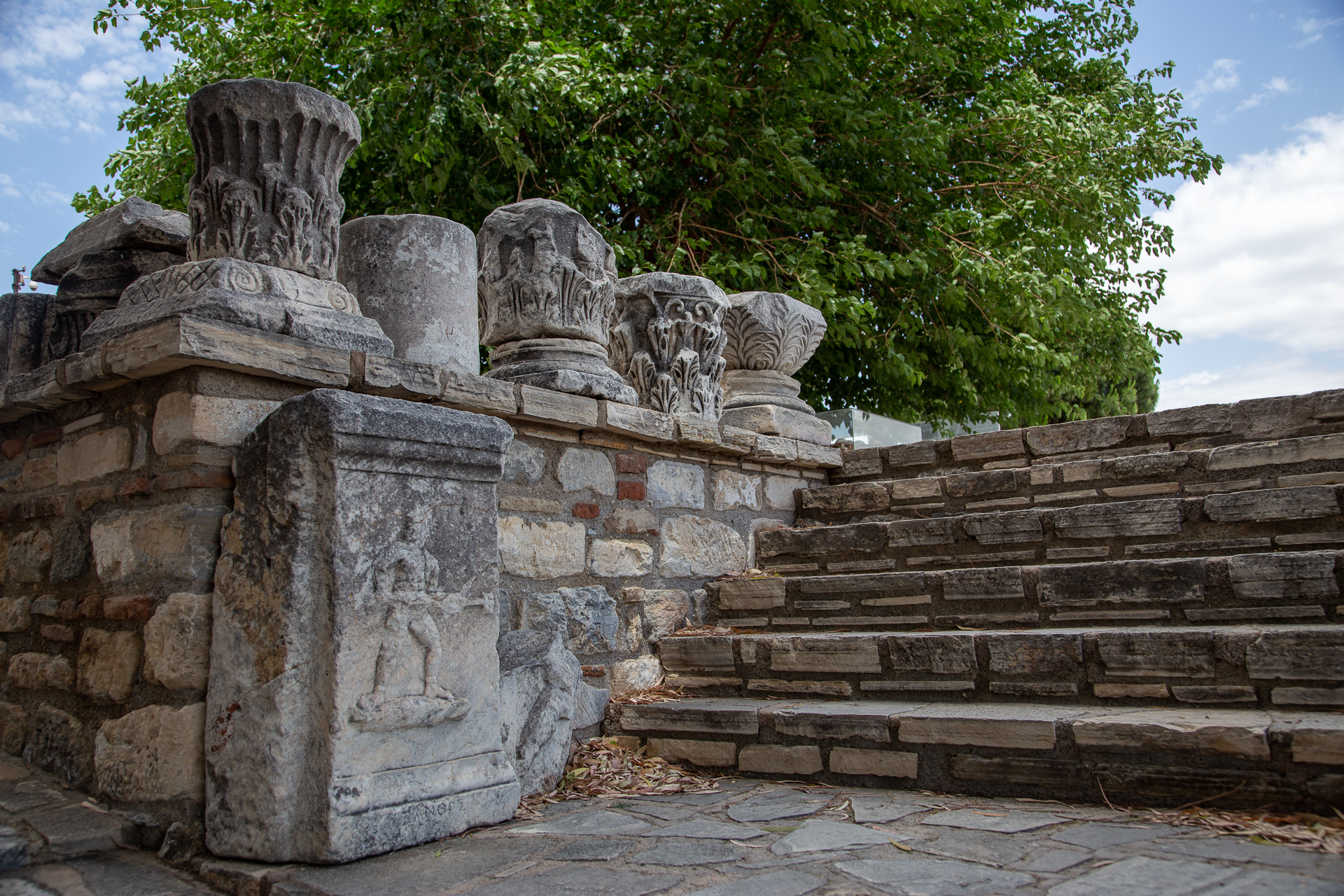
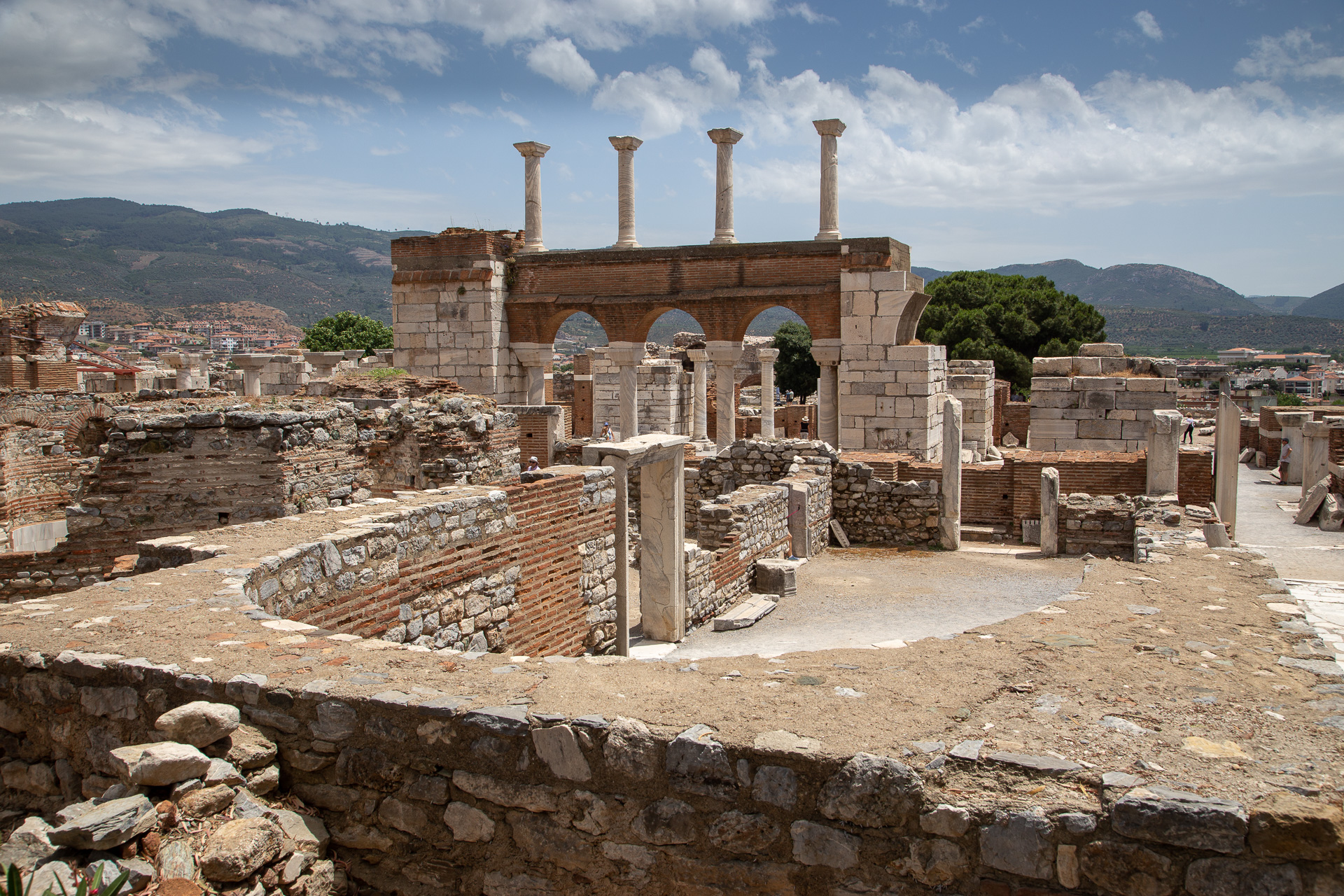
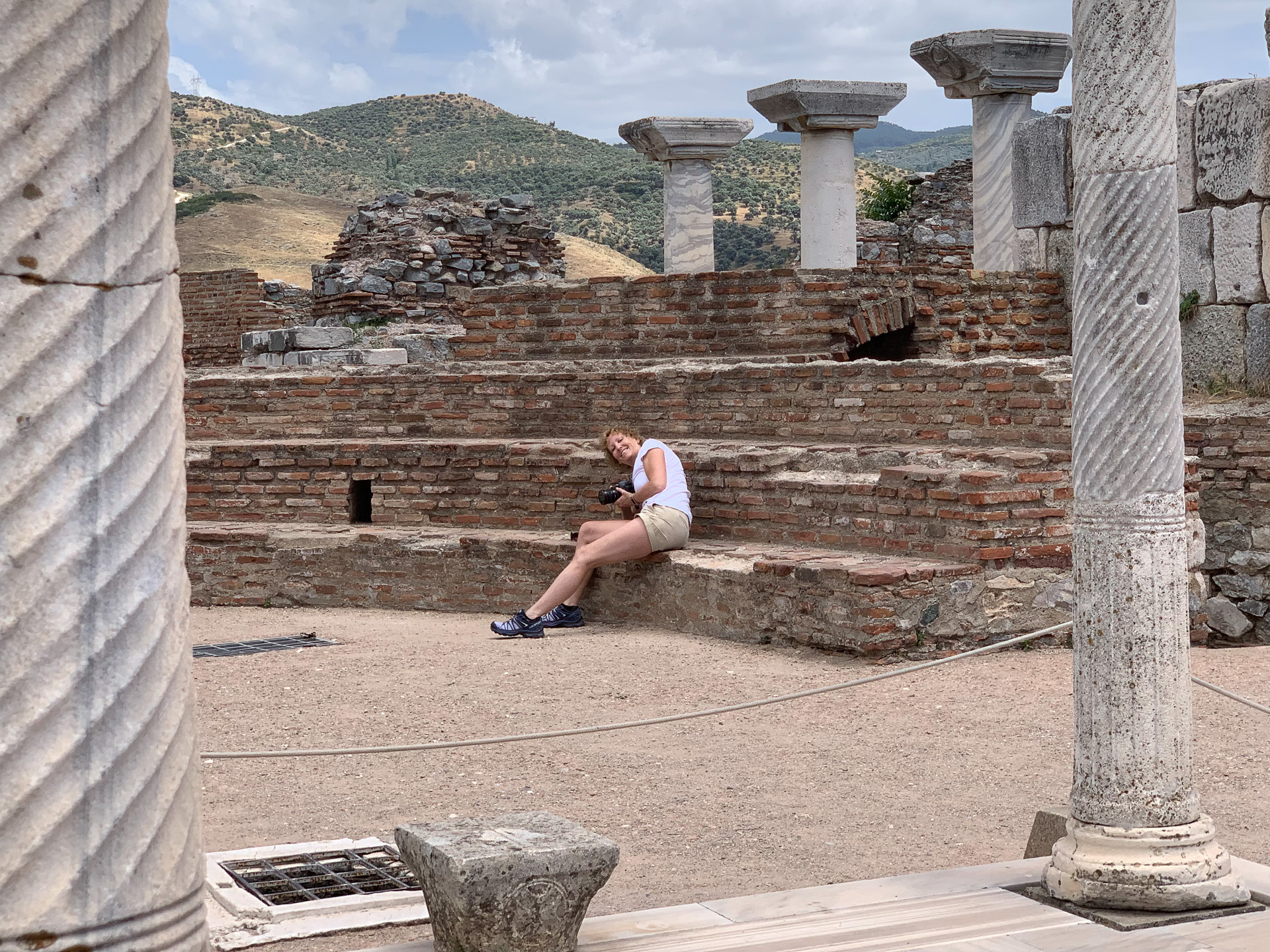
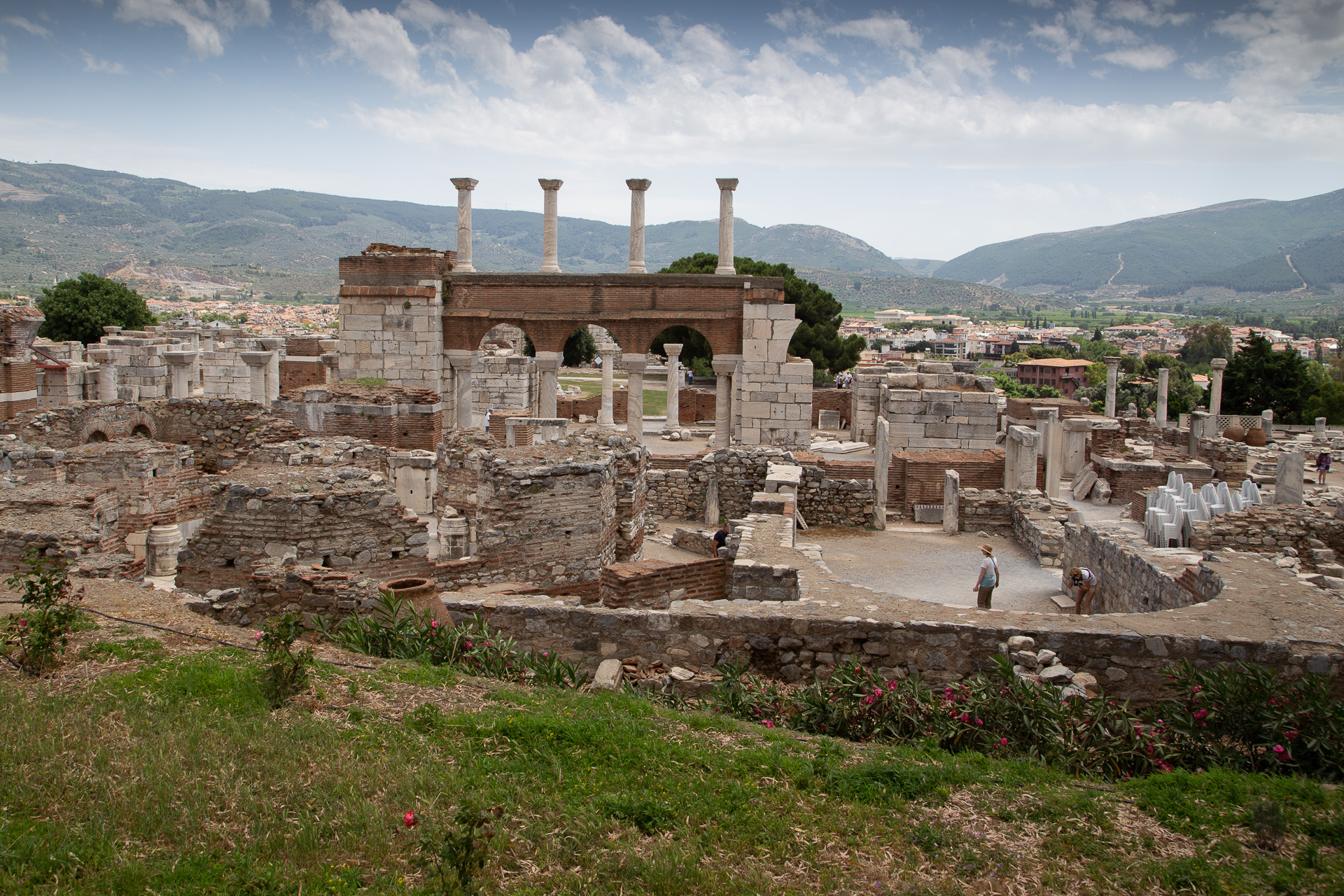
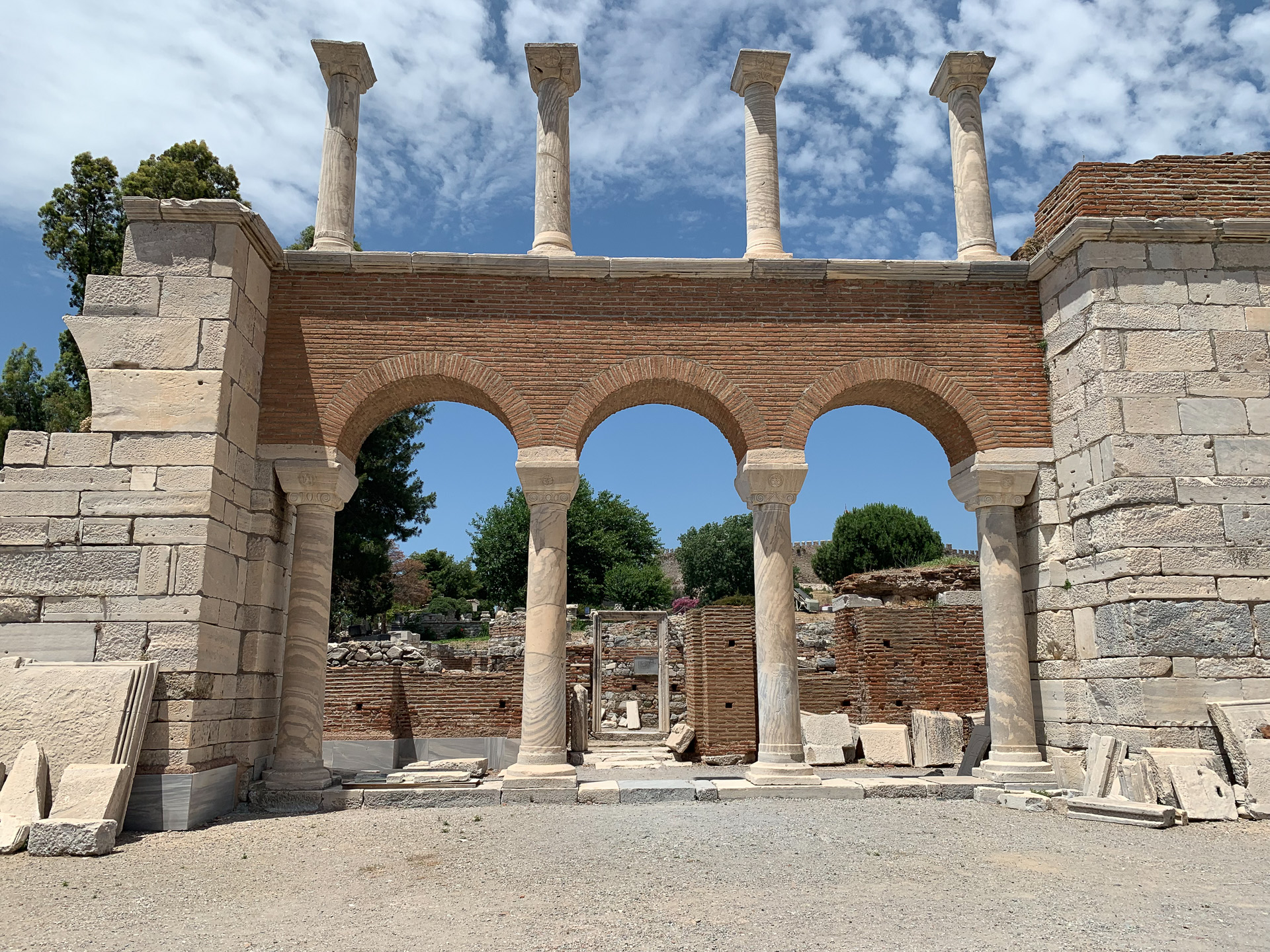
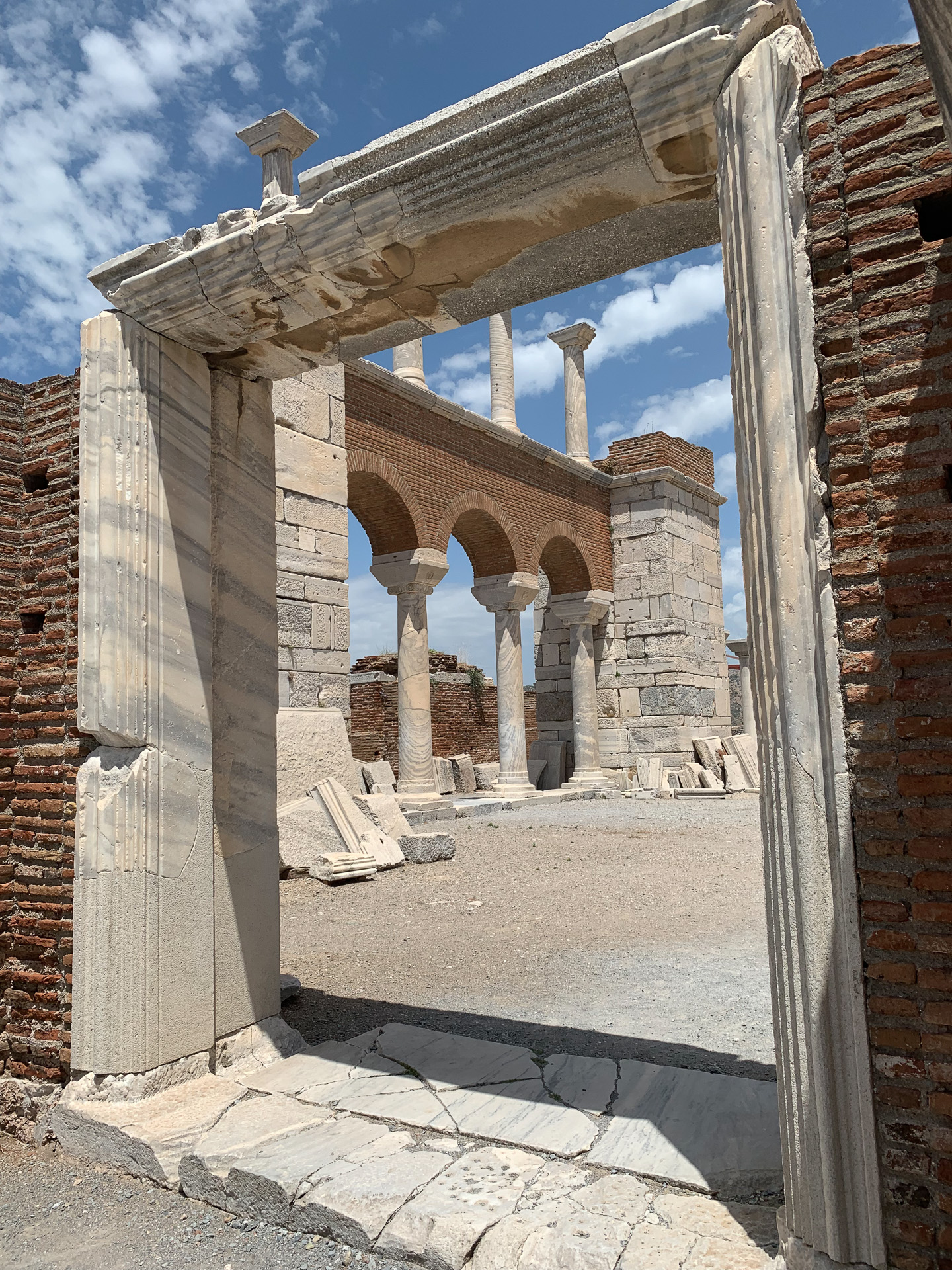

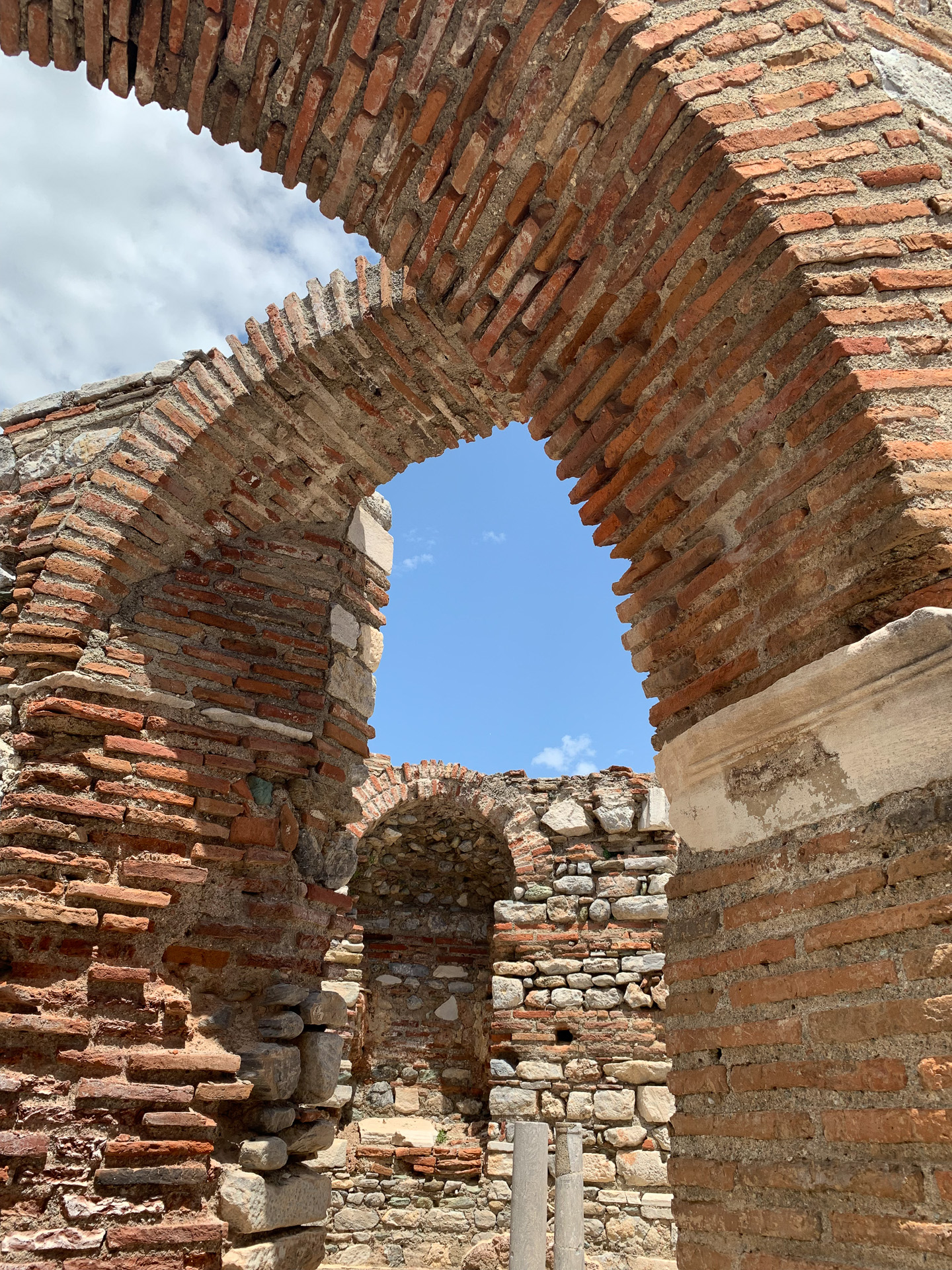
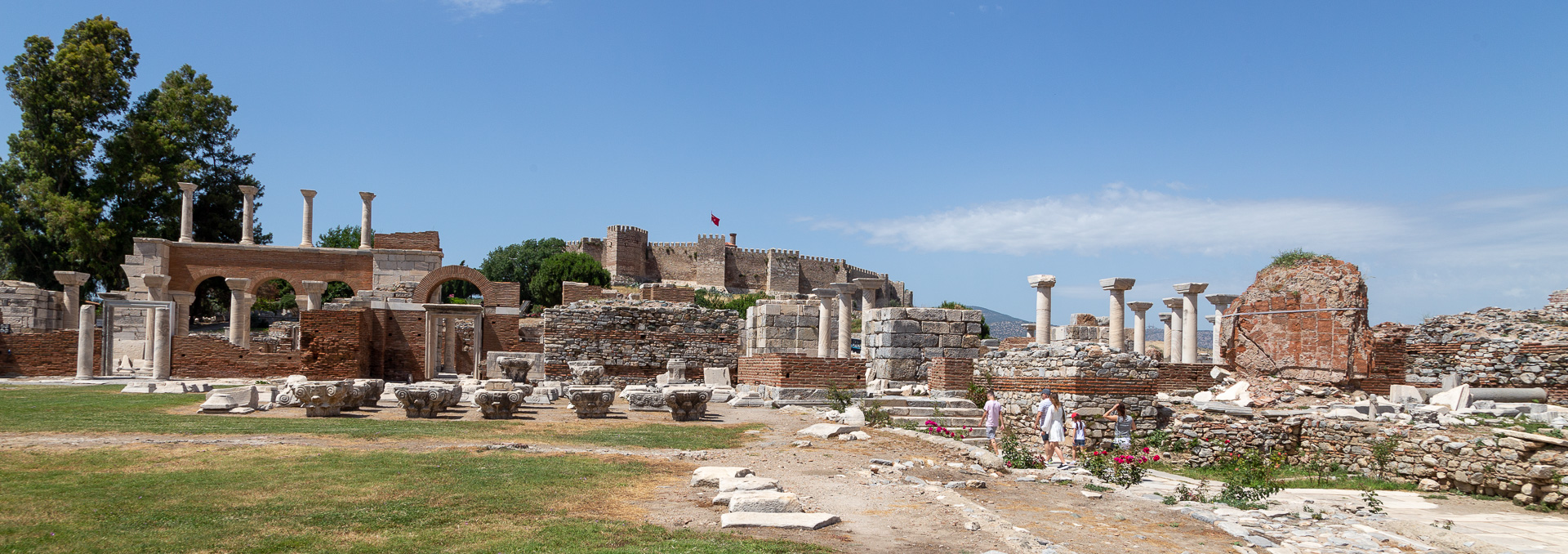
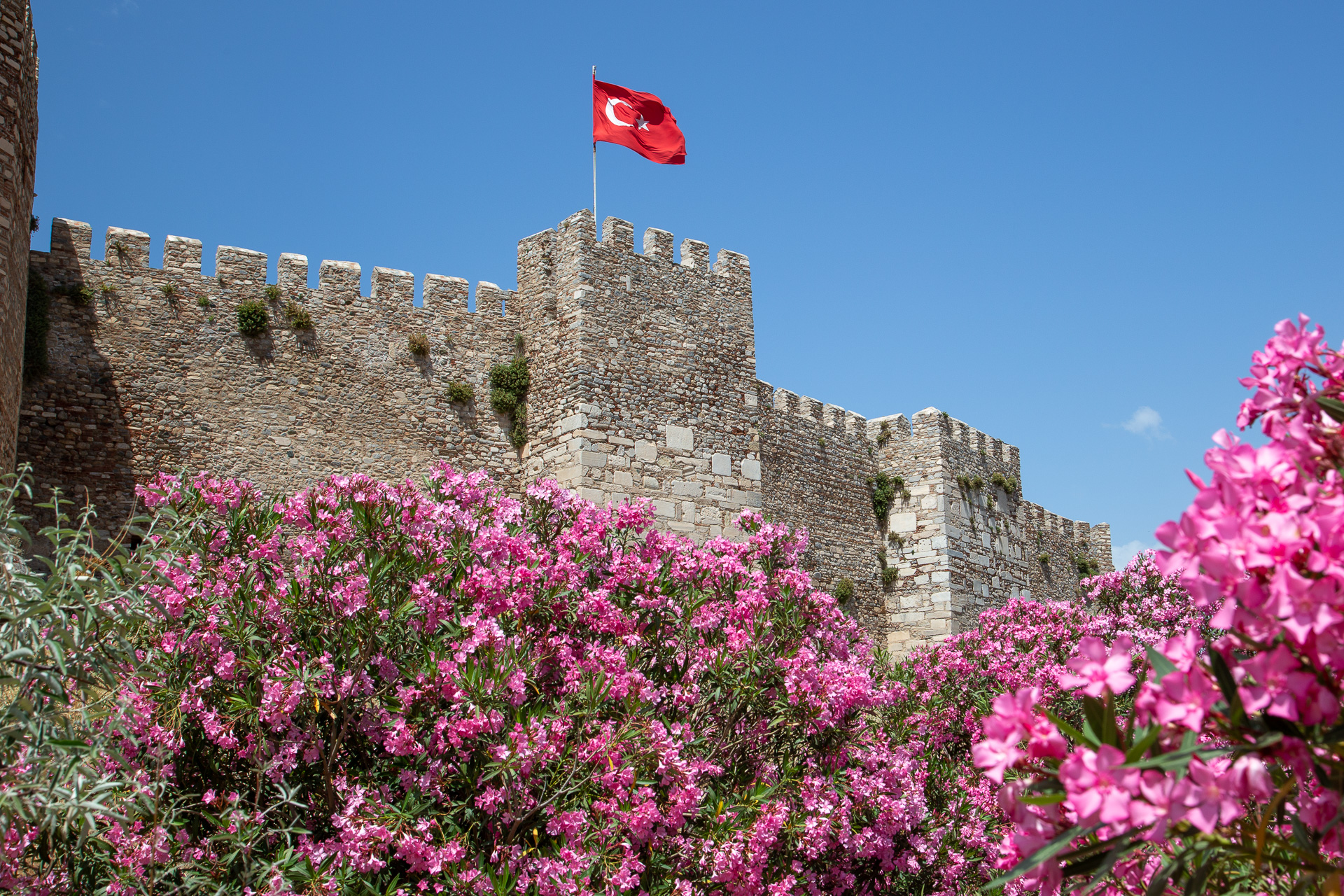
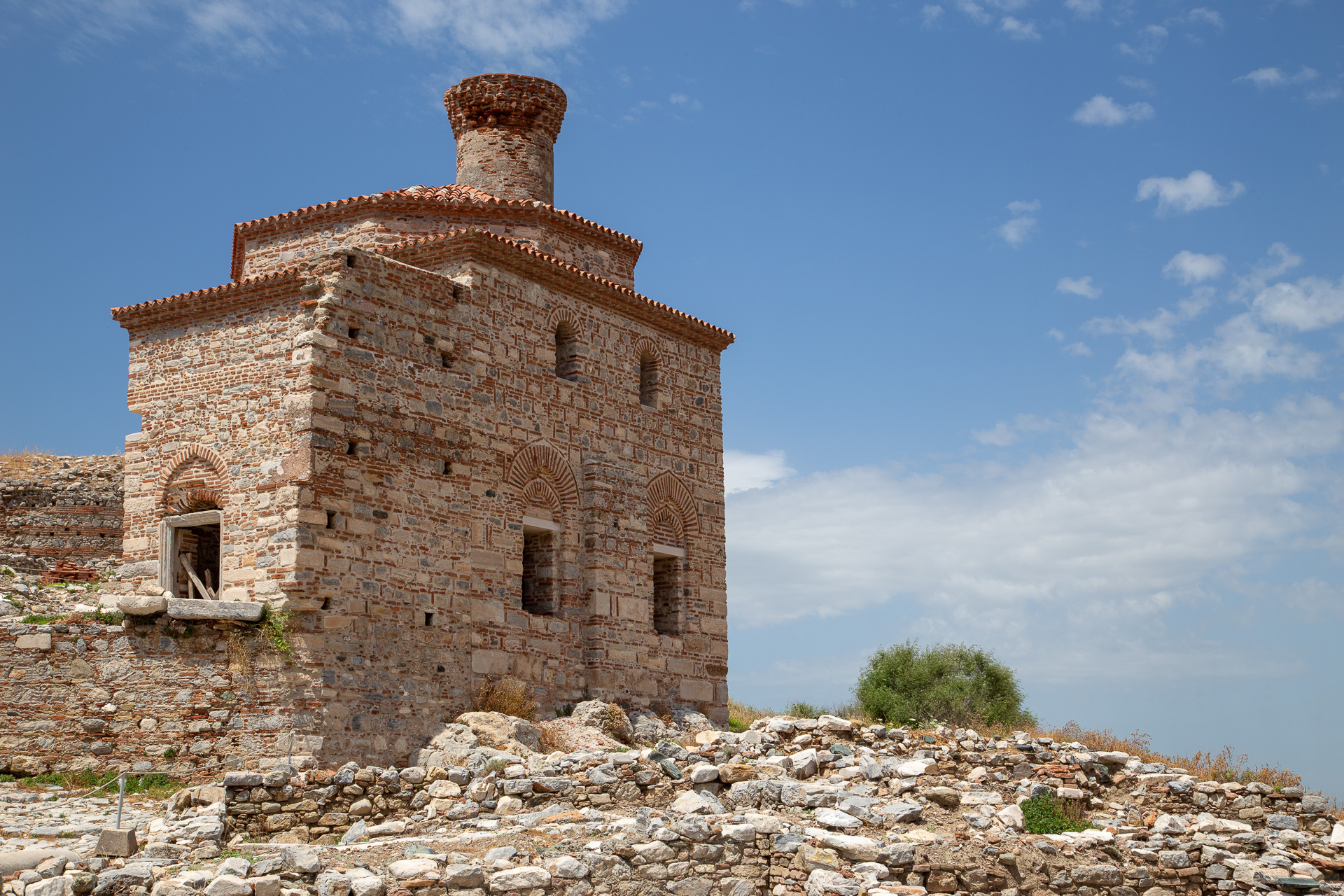
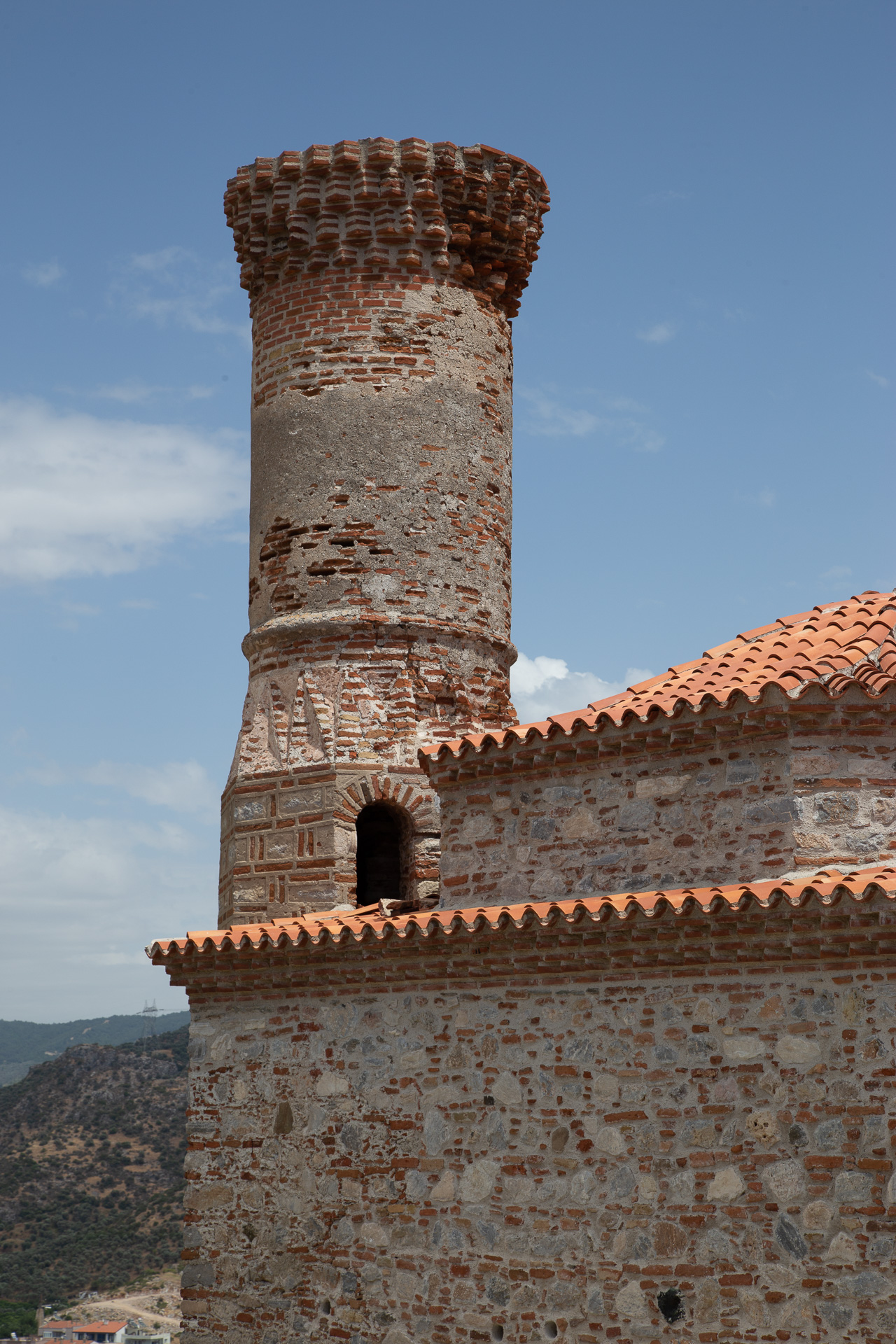
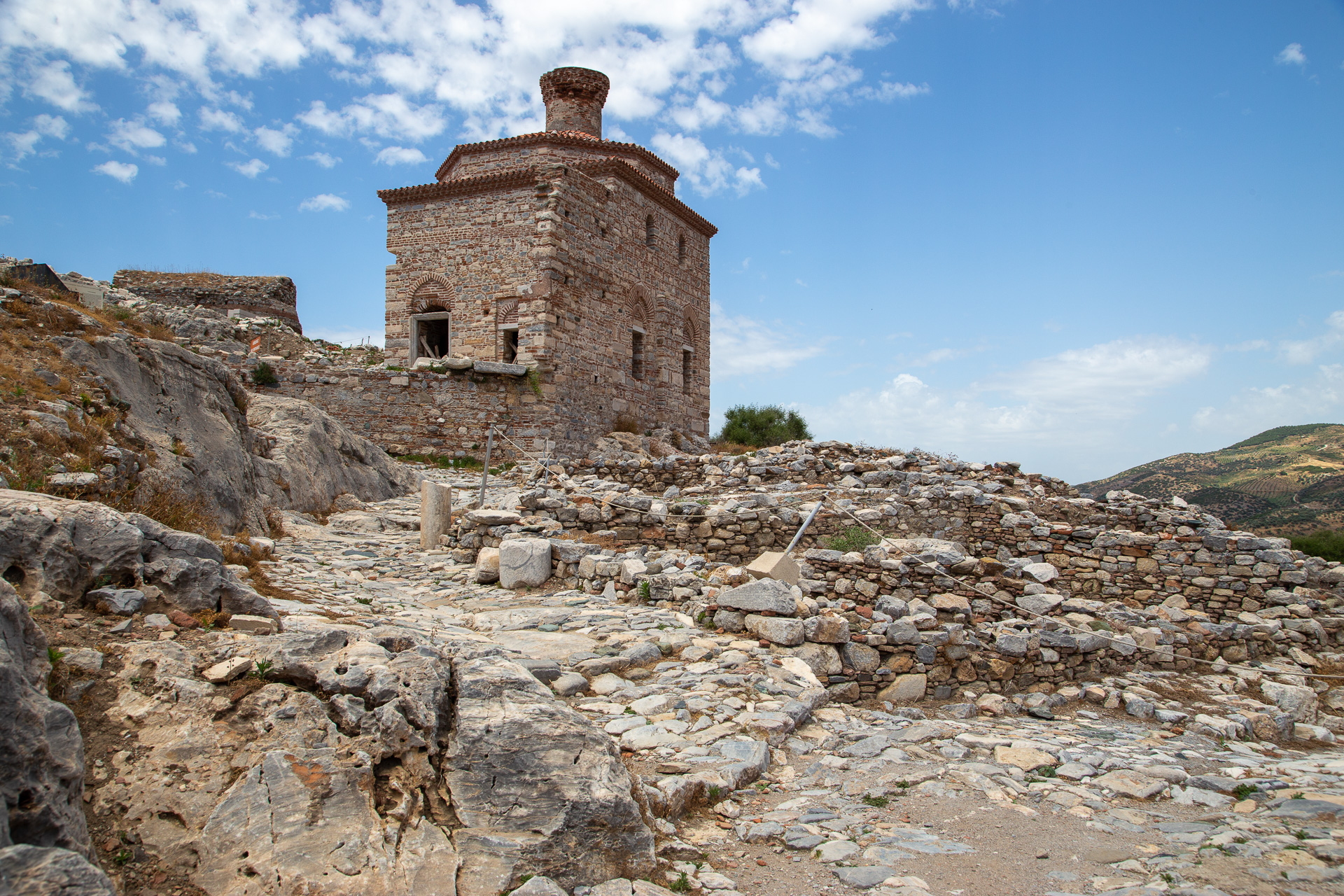
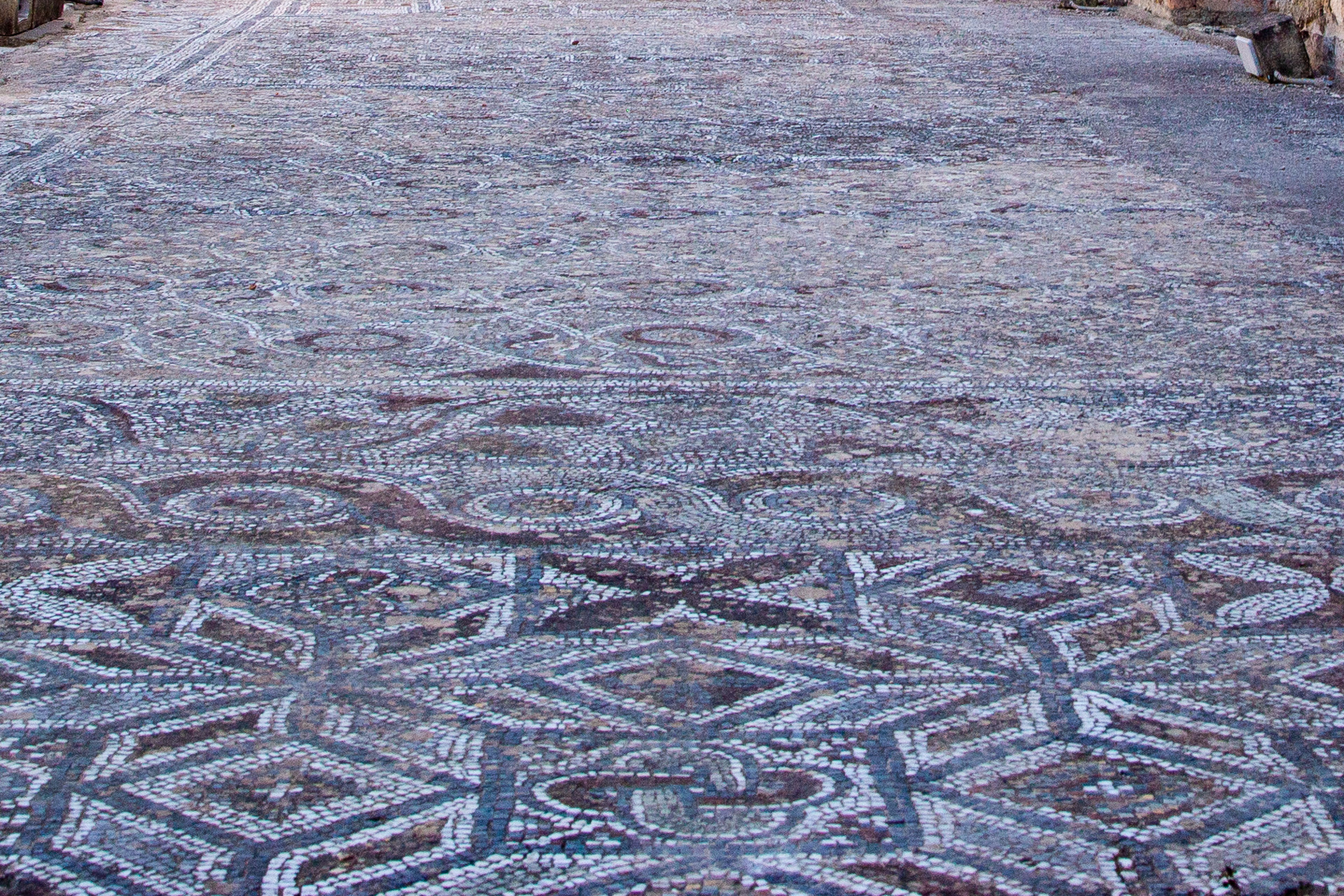
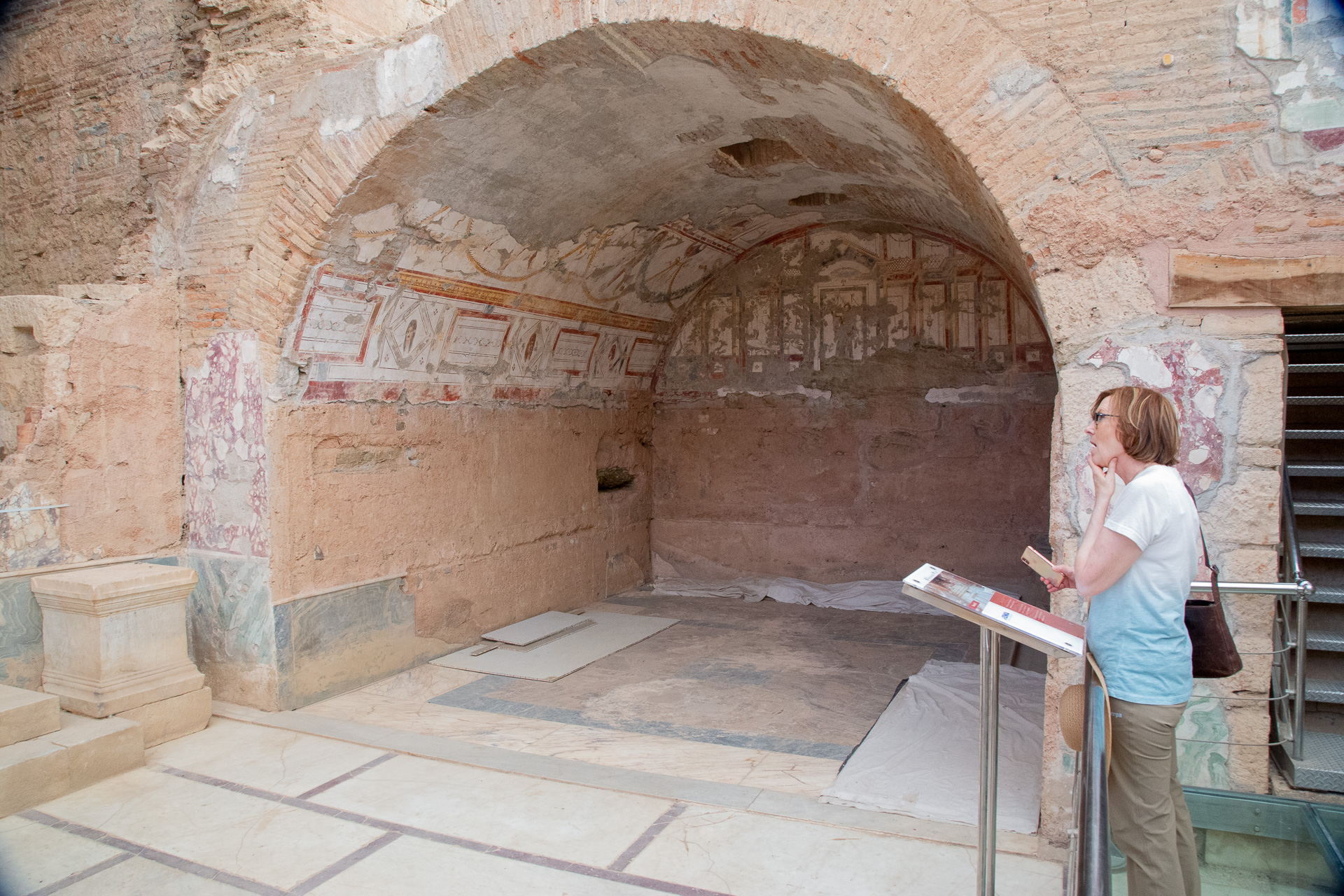
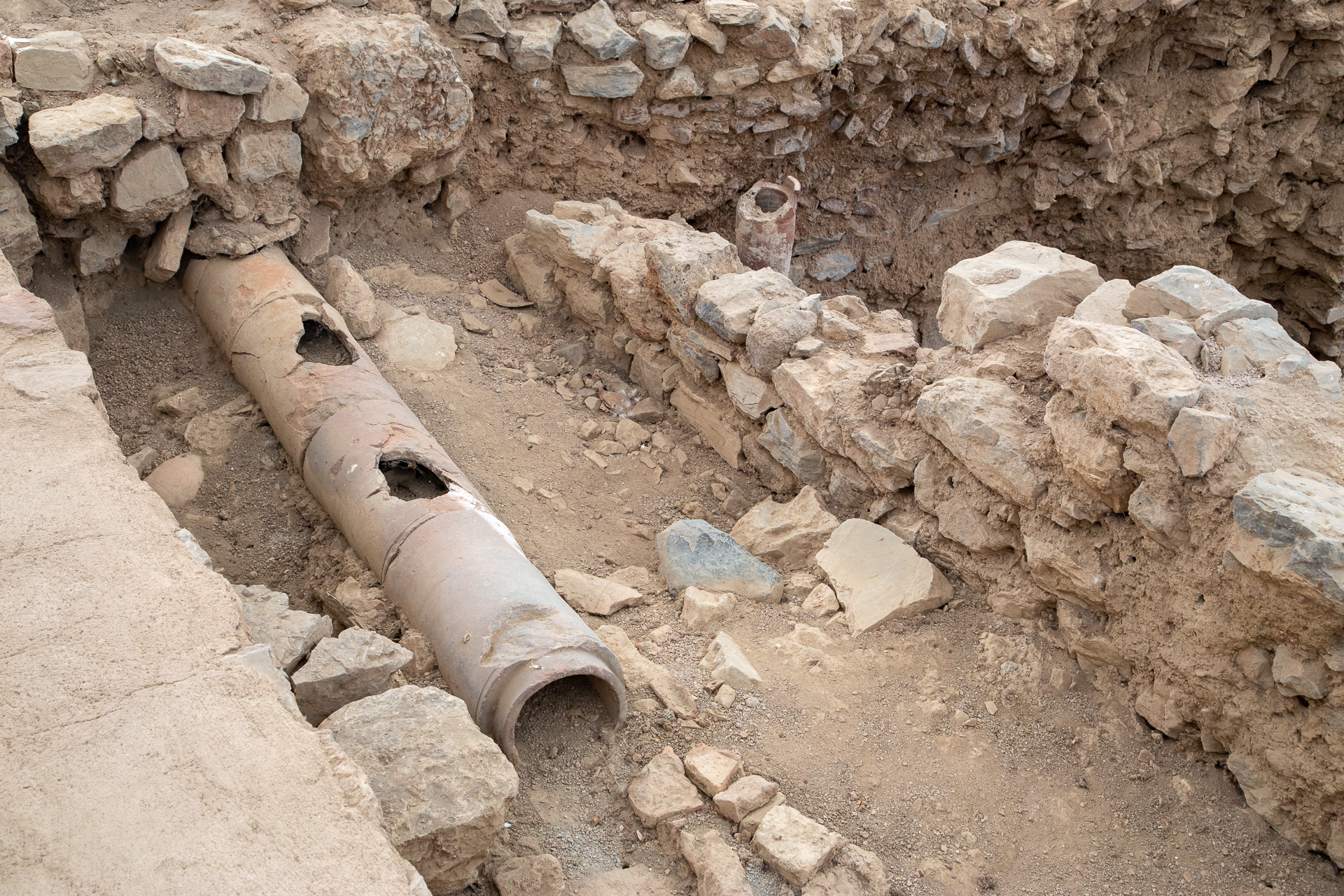
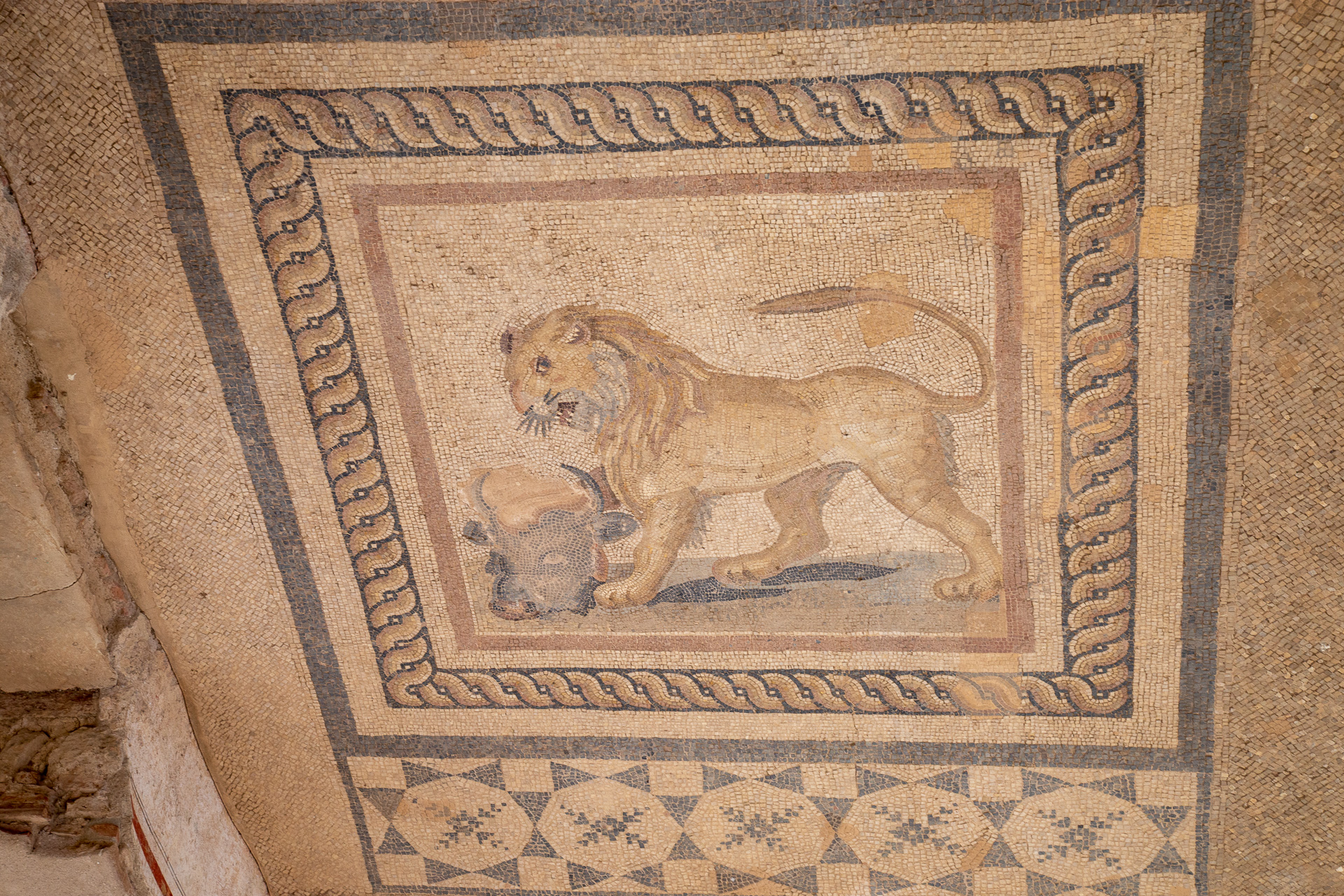
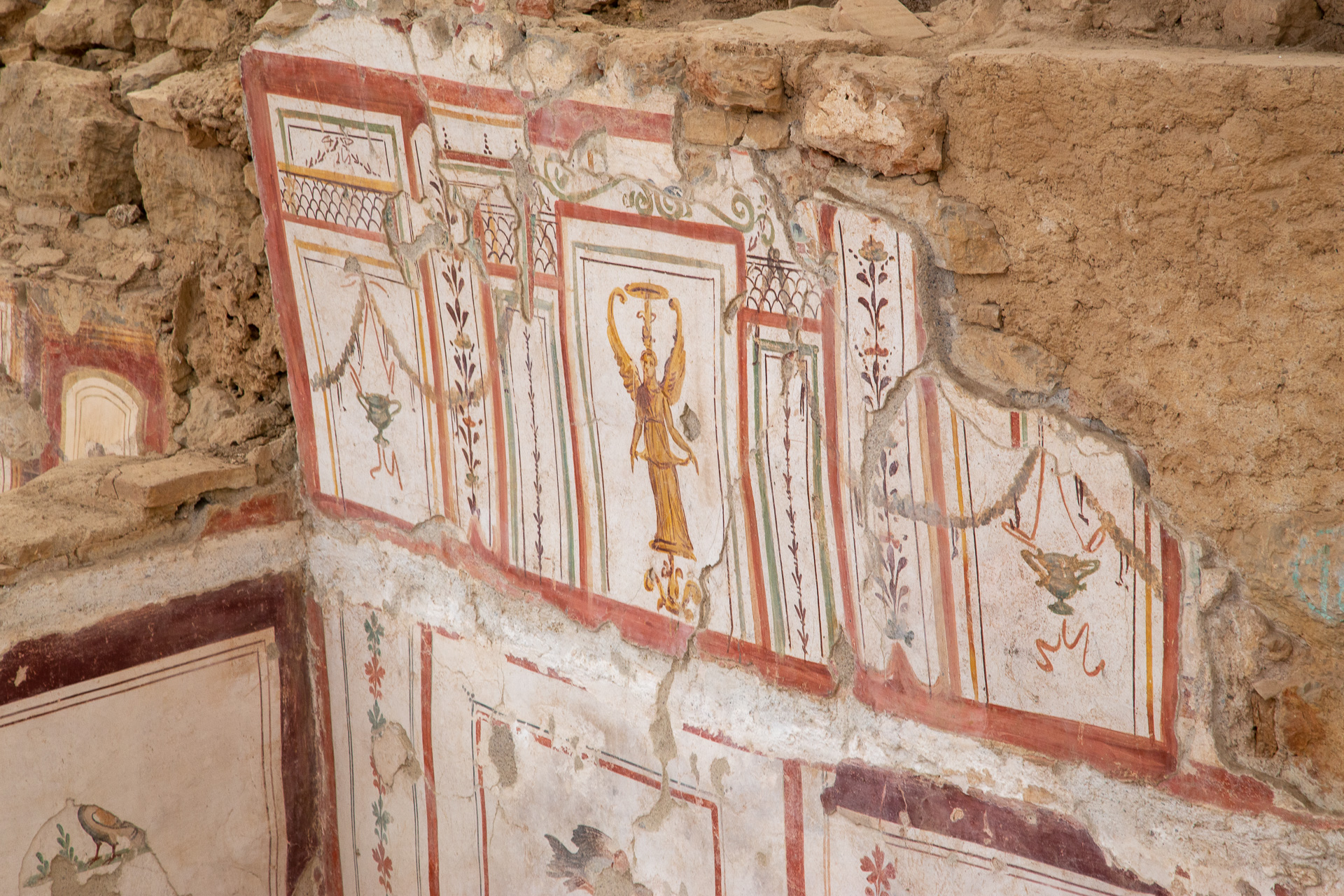
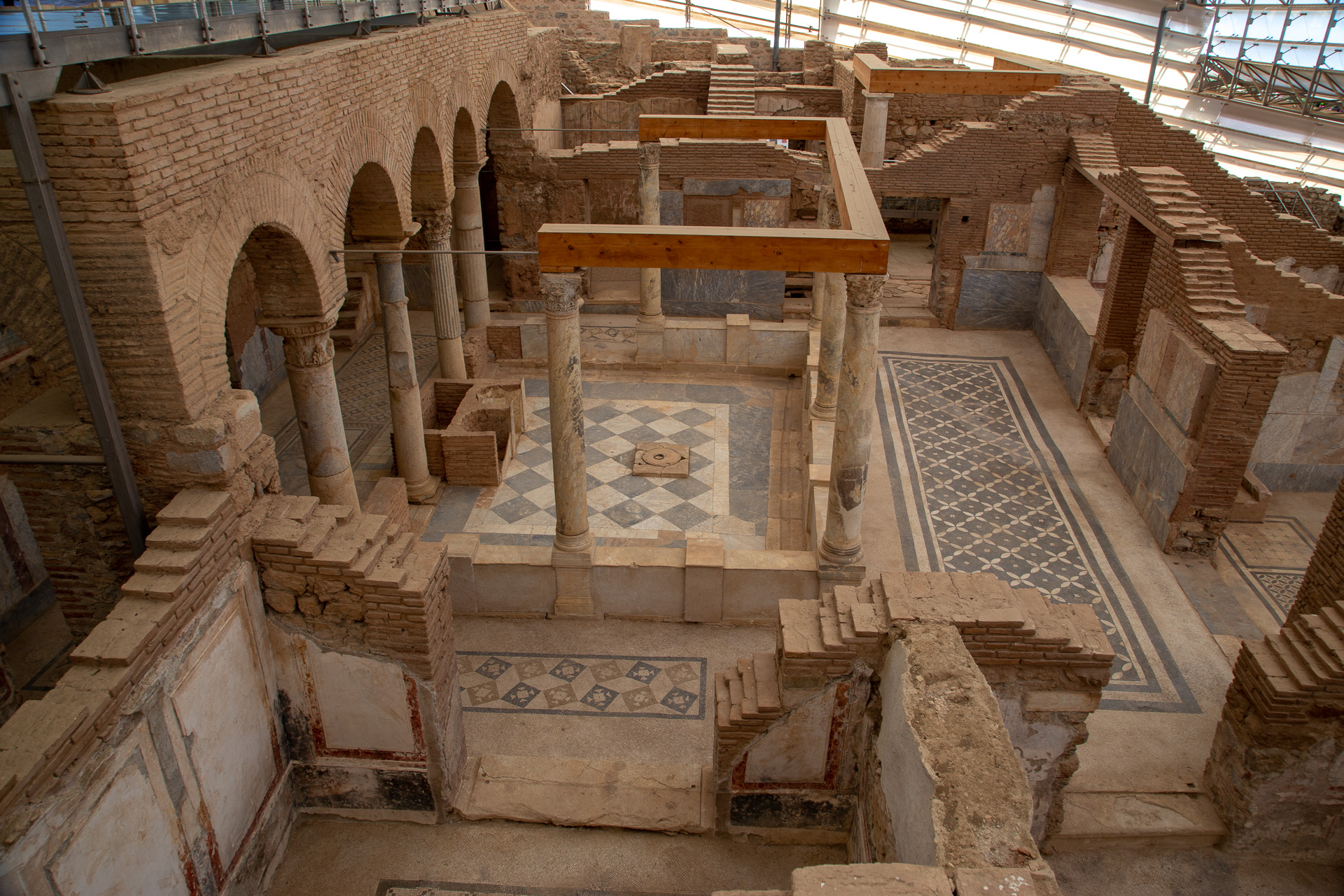
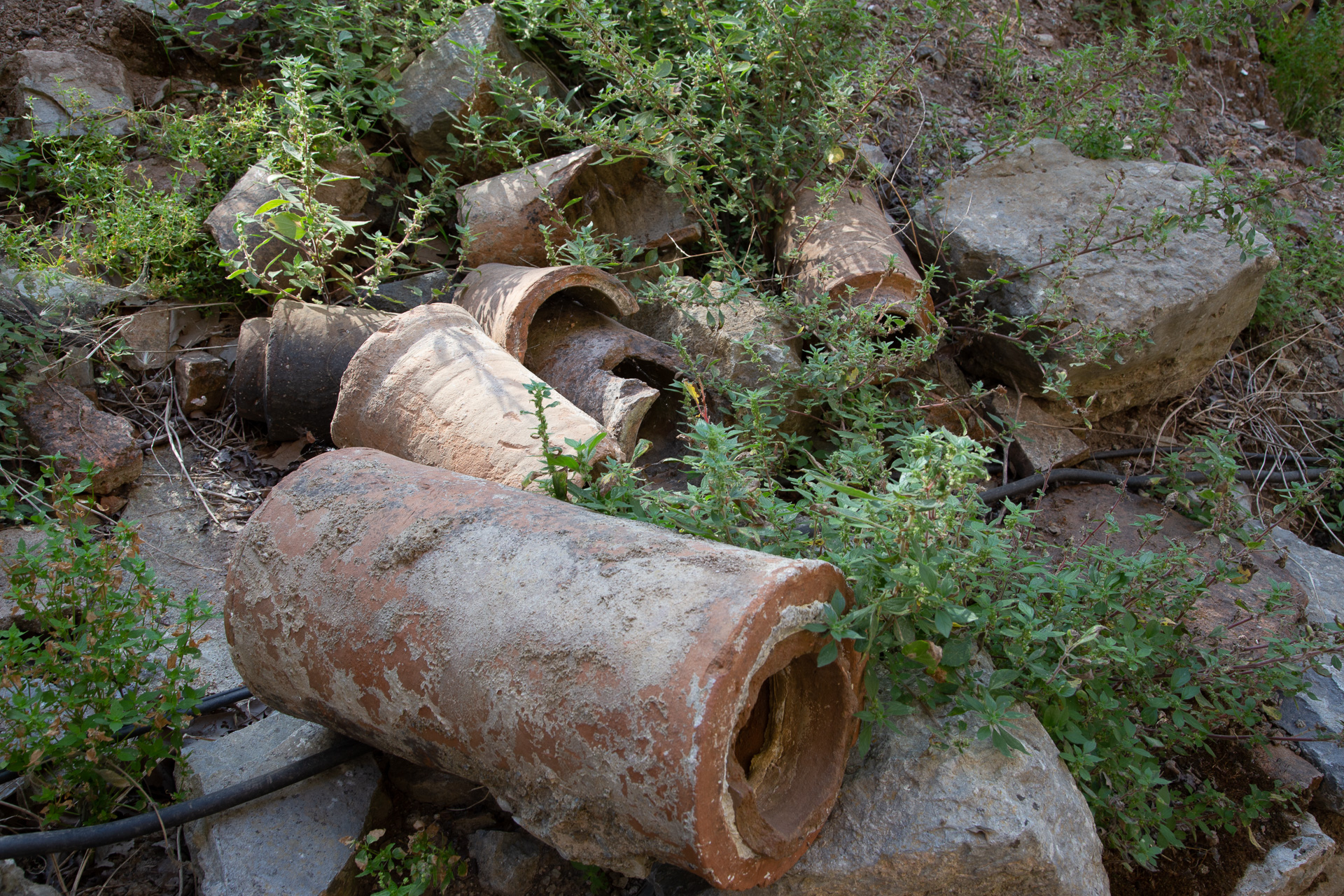
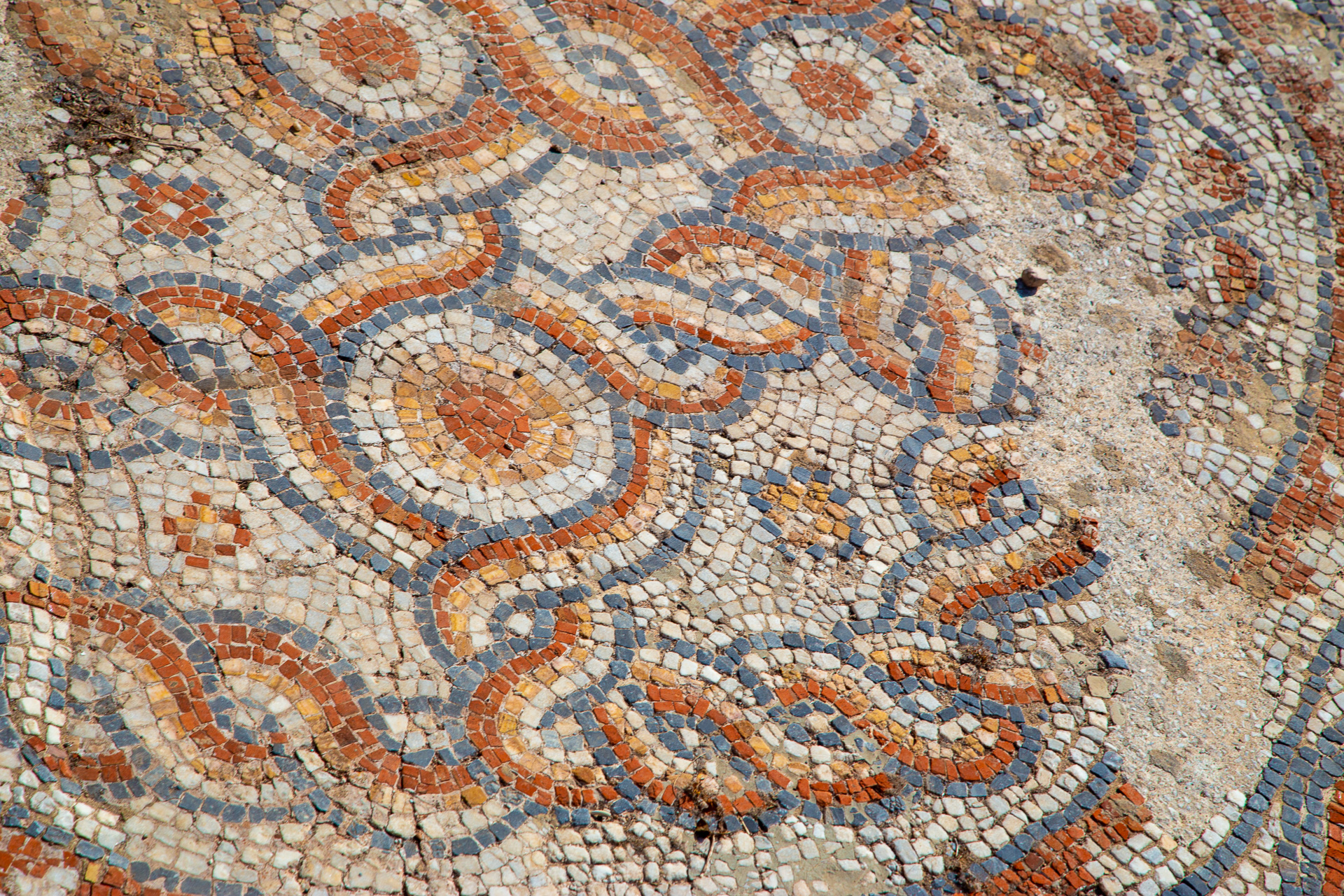
The Ephesus site is truly amazing. We saw all the main sights but then looked at a model of the area and realized that the ancient city walls encompassed an area vastly larger than the short route that we had taken.
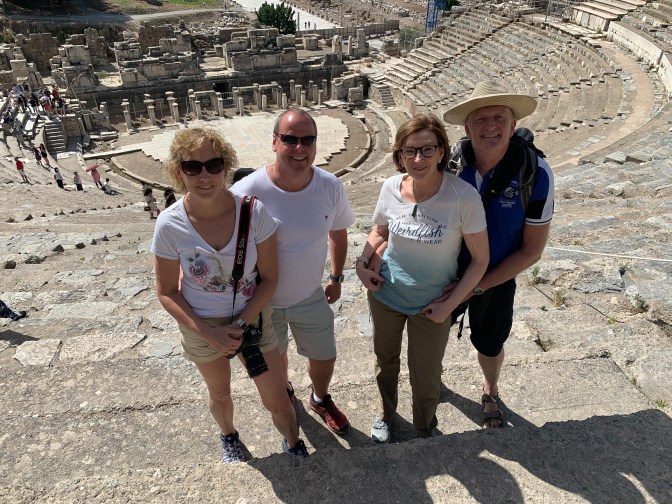
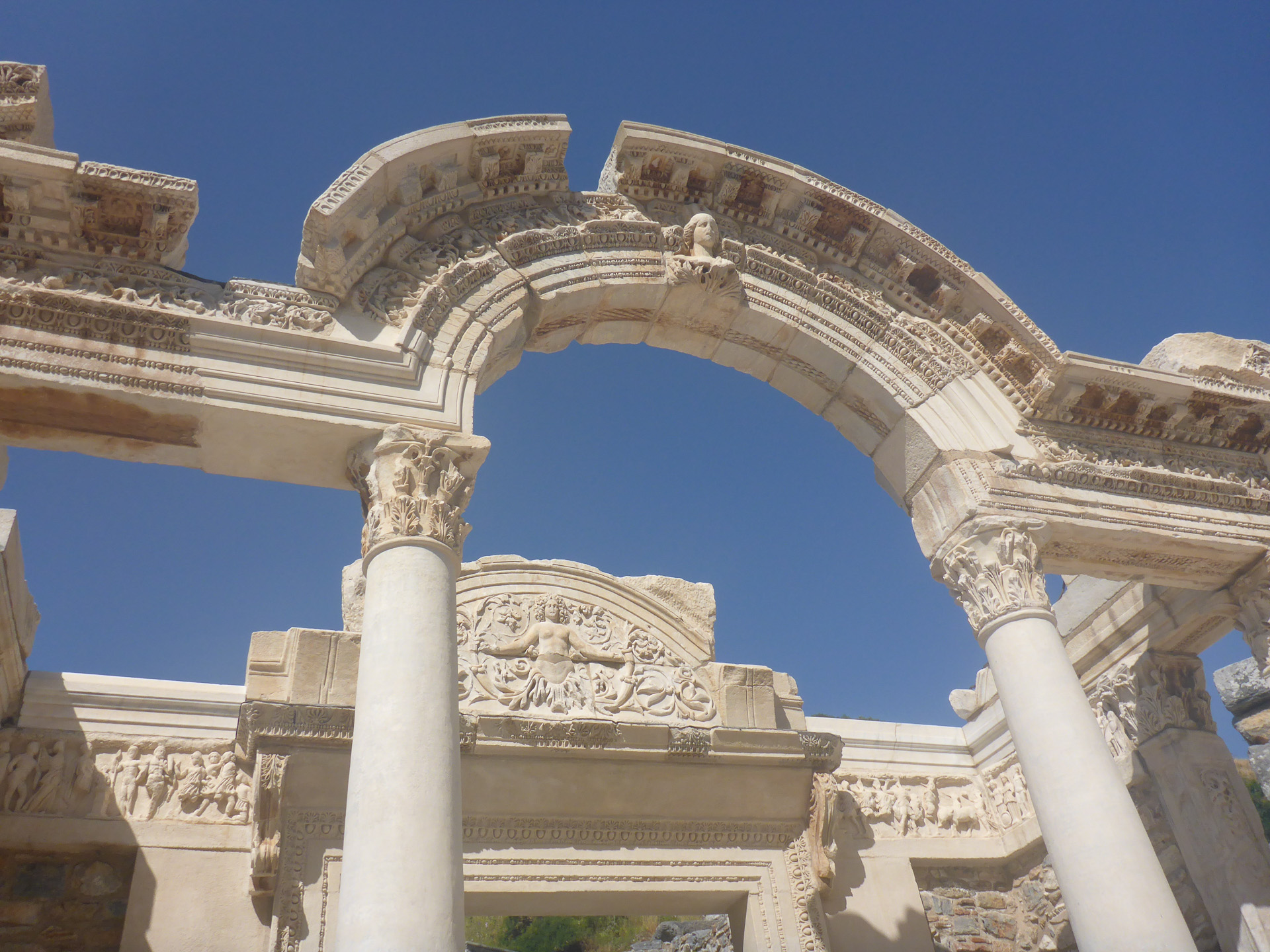
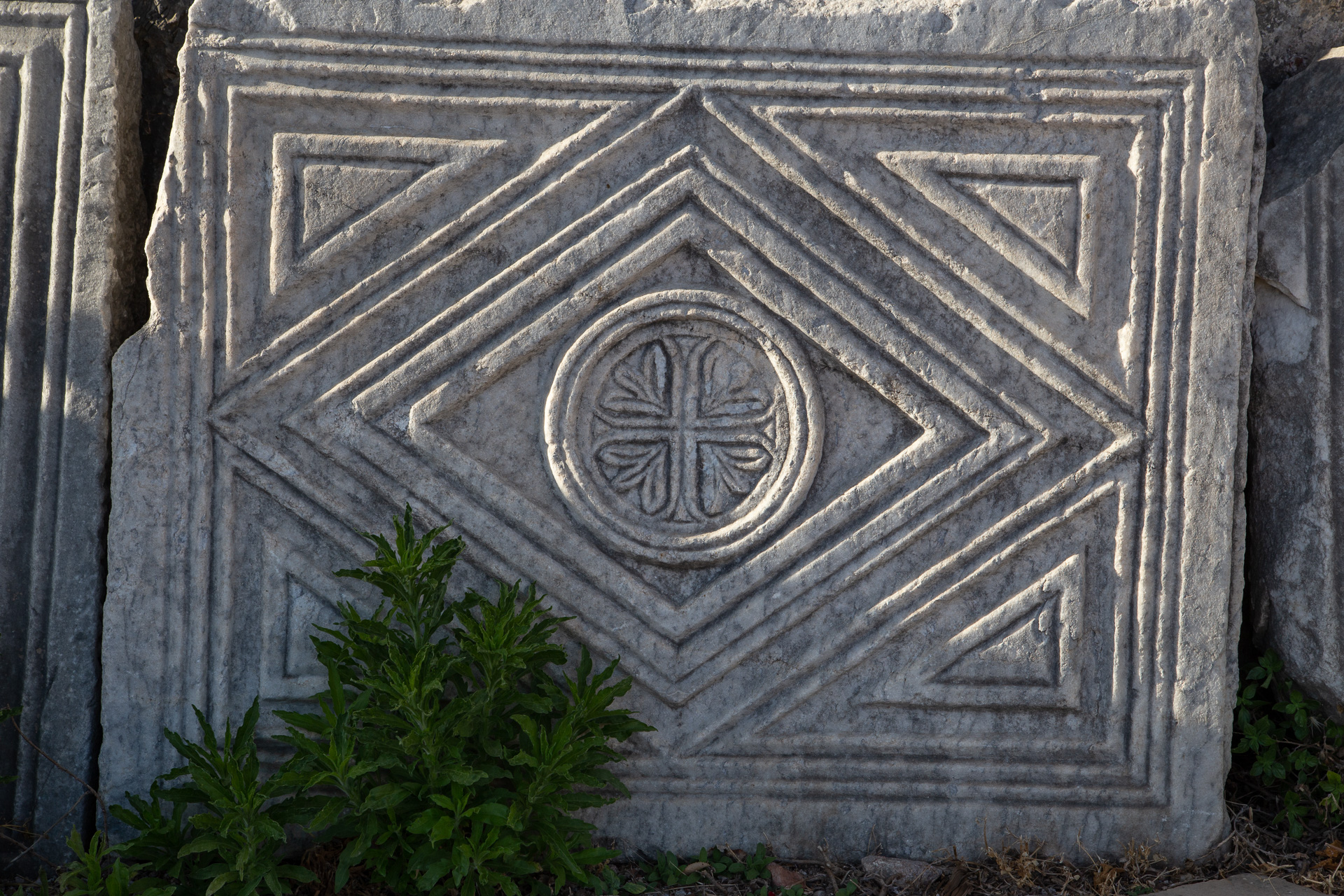

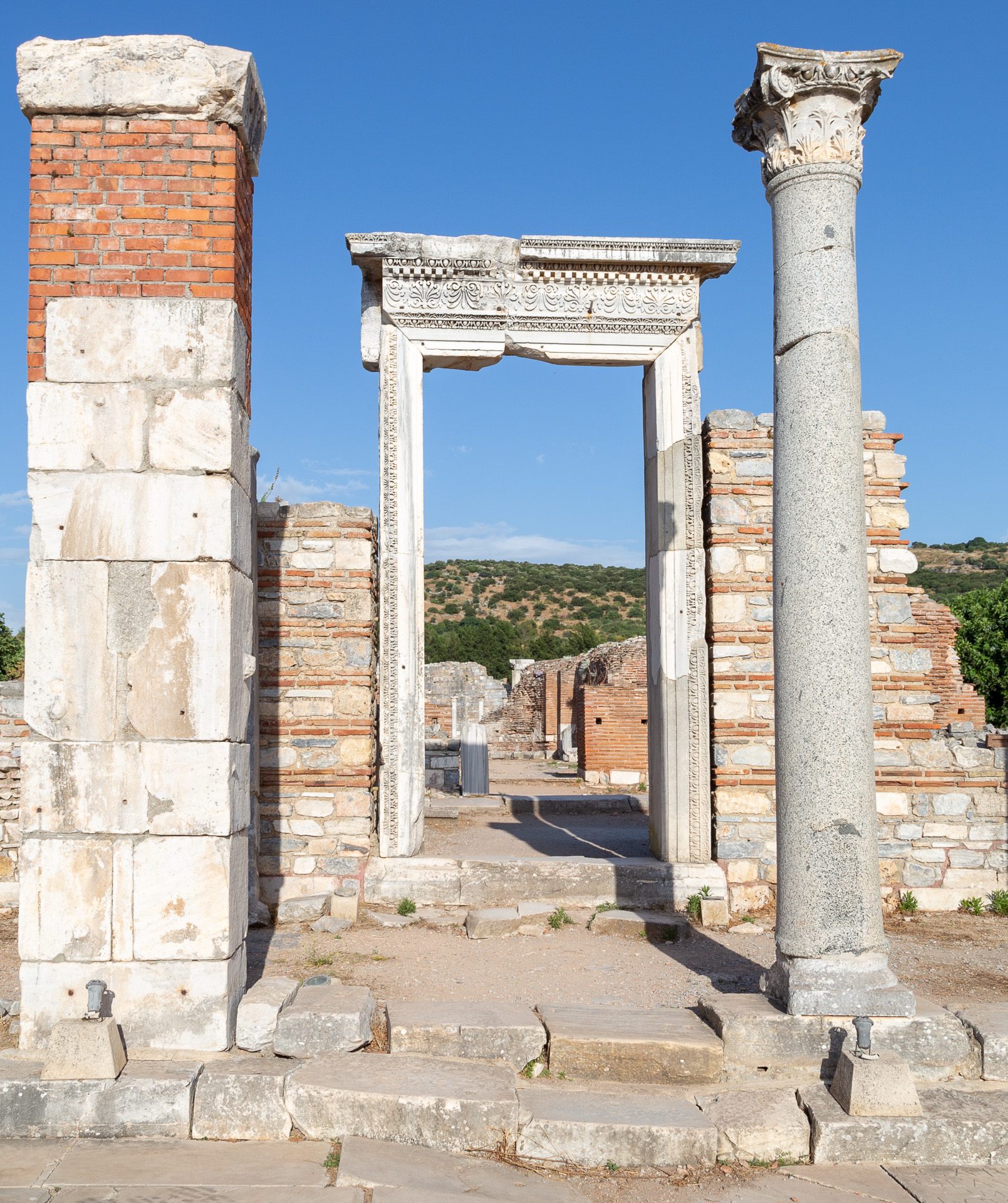
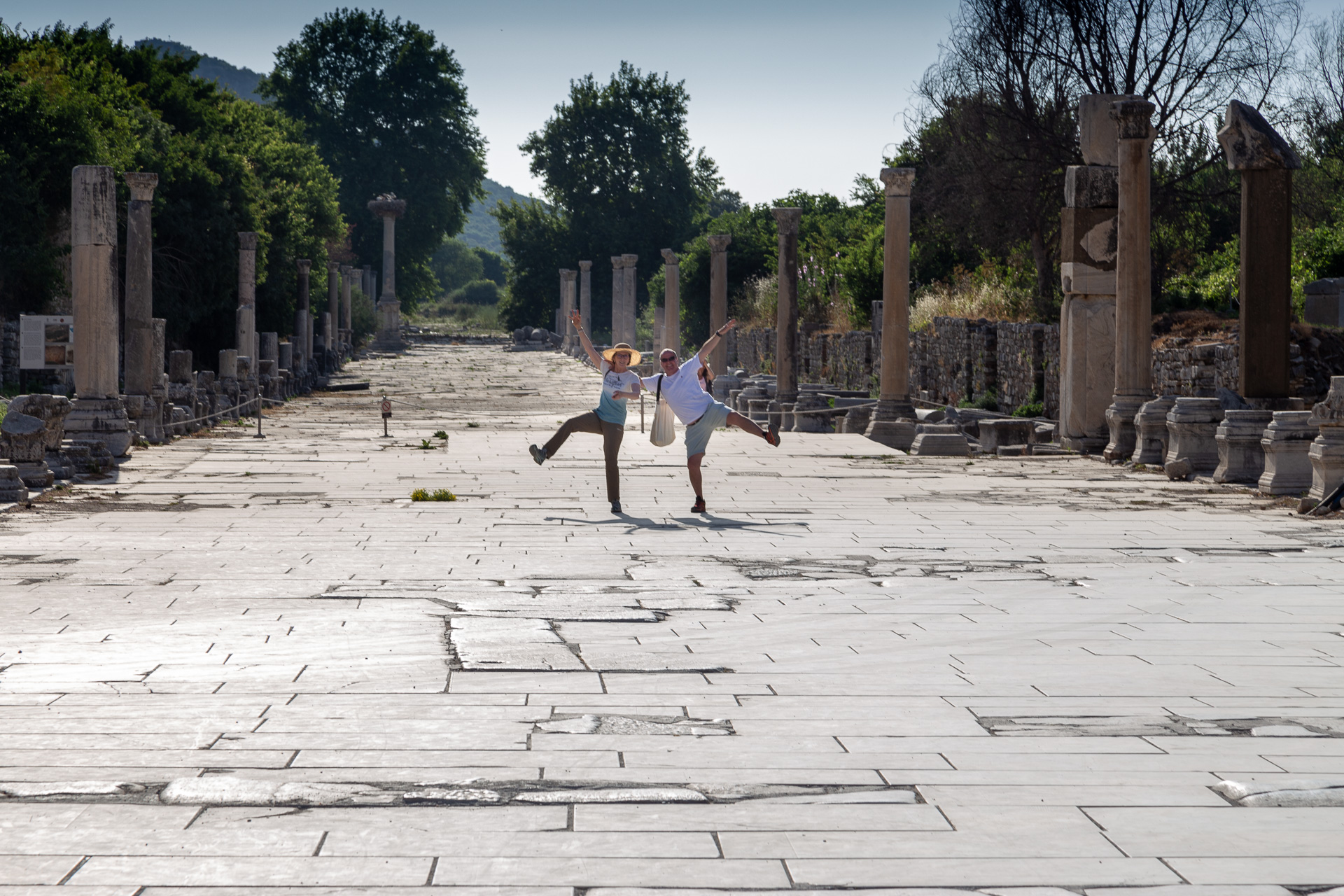
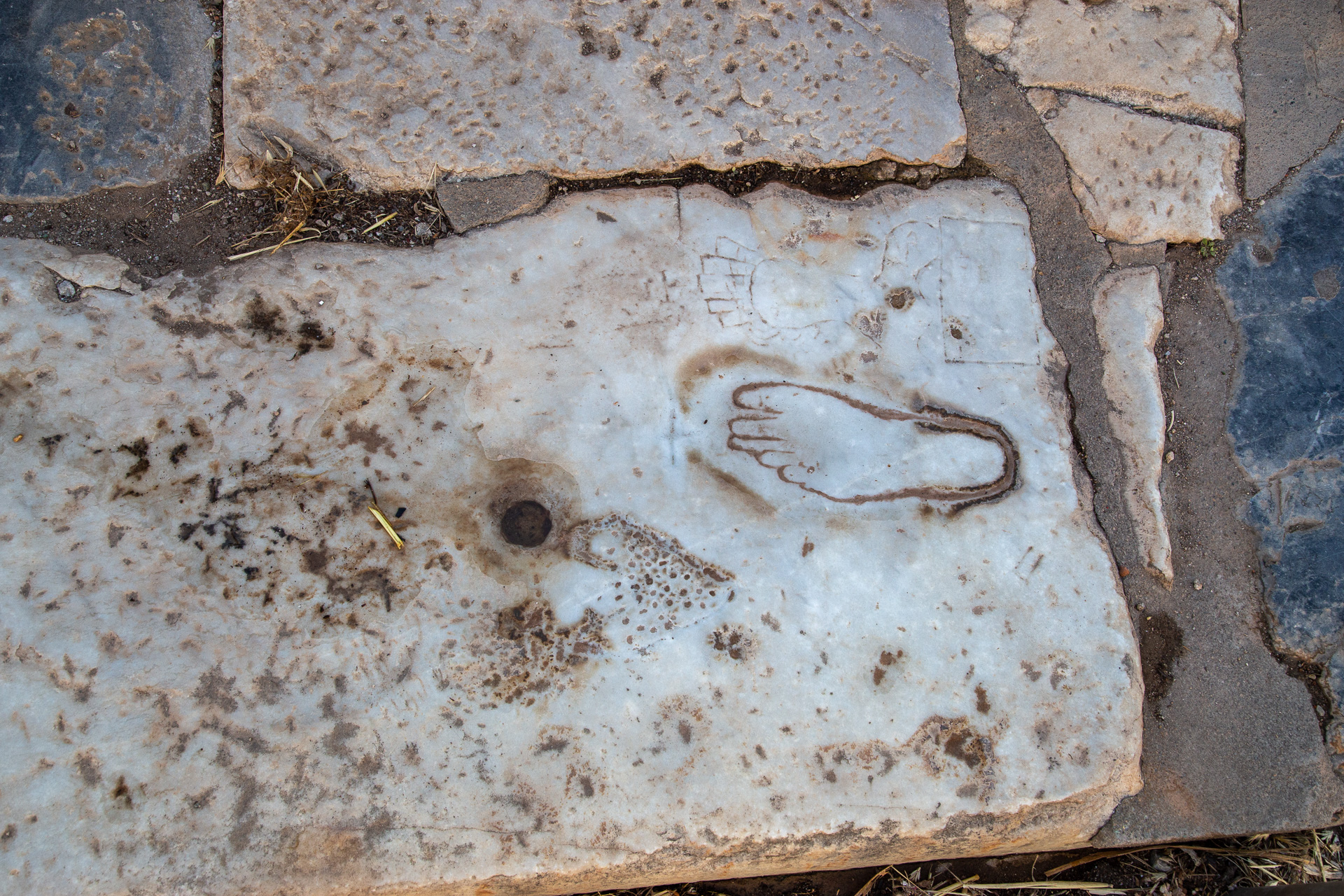
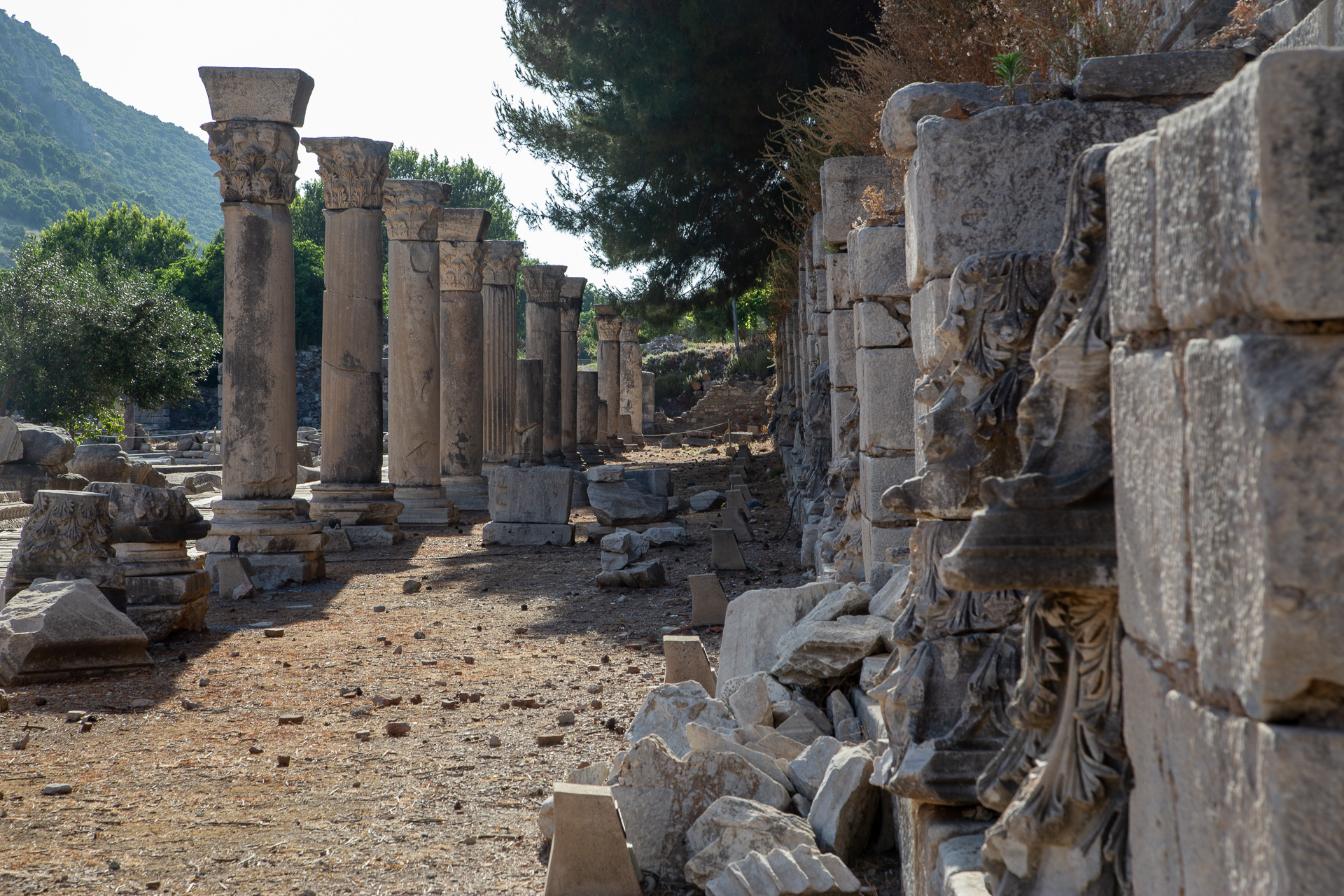
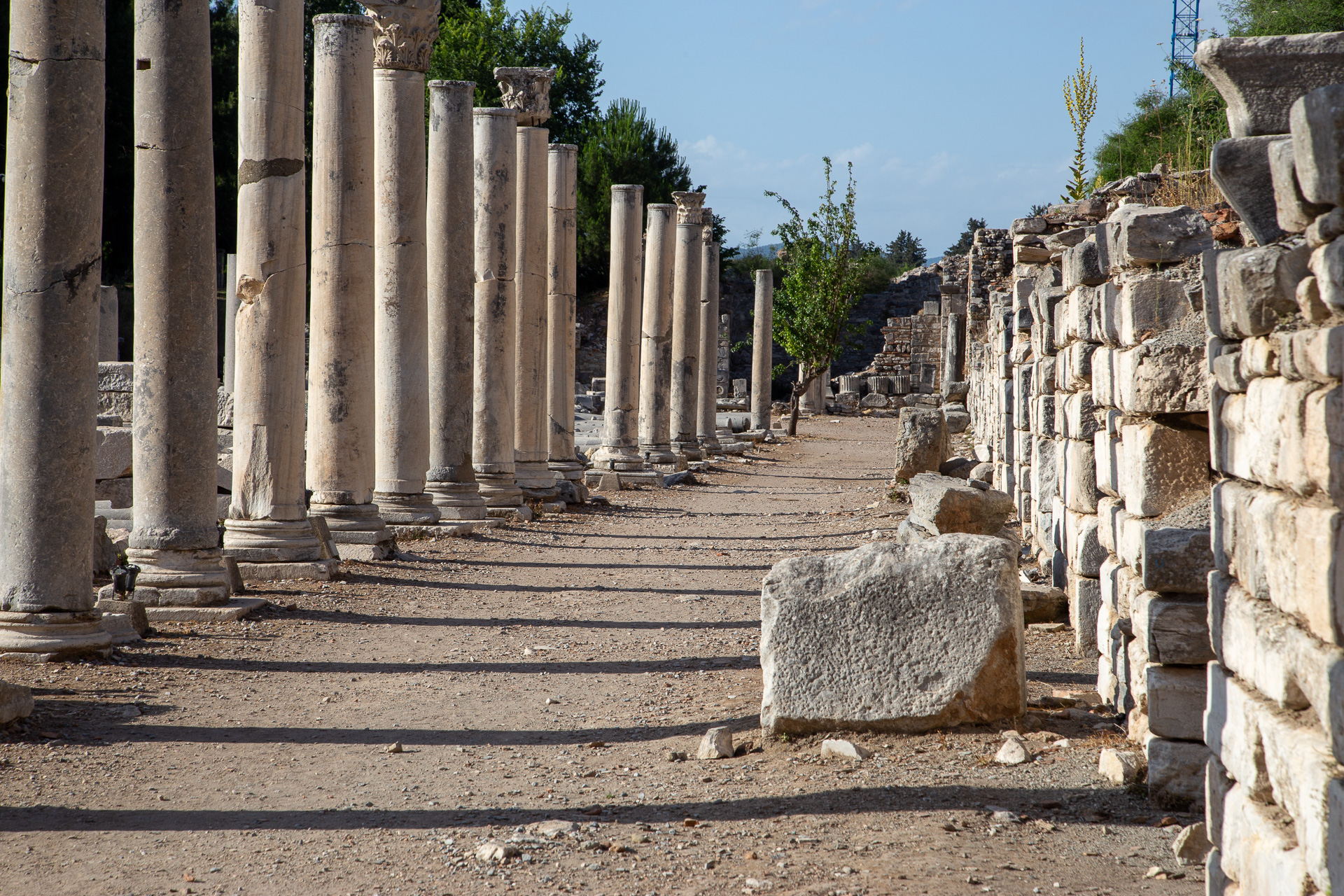
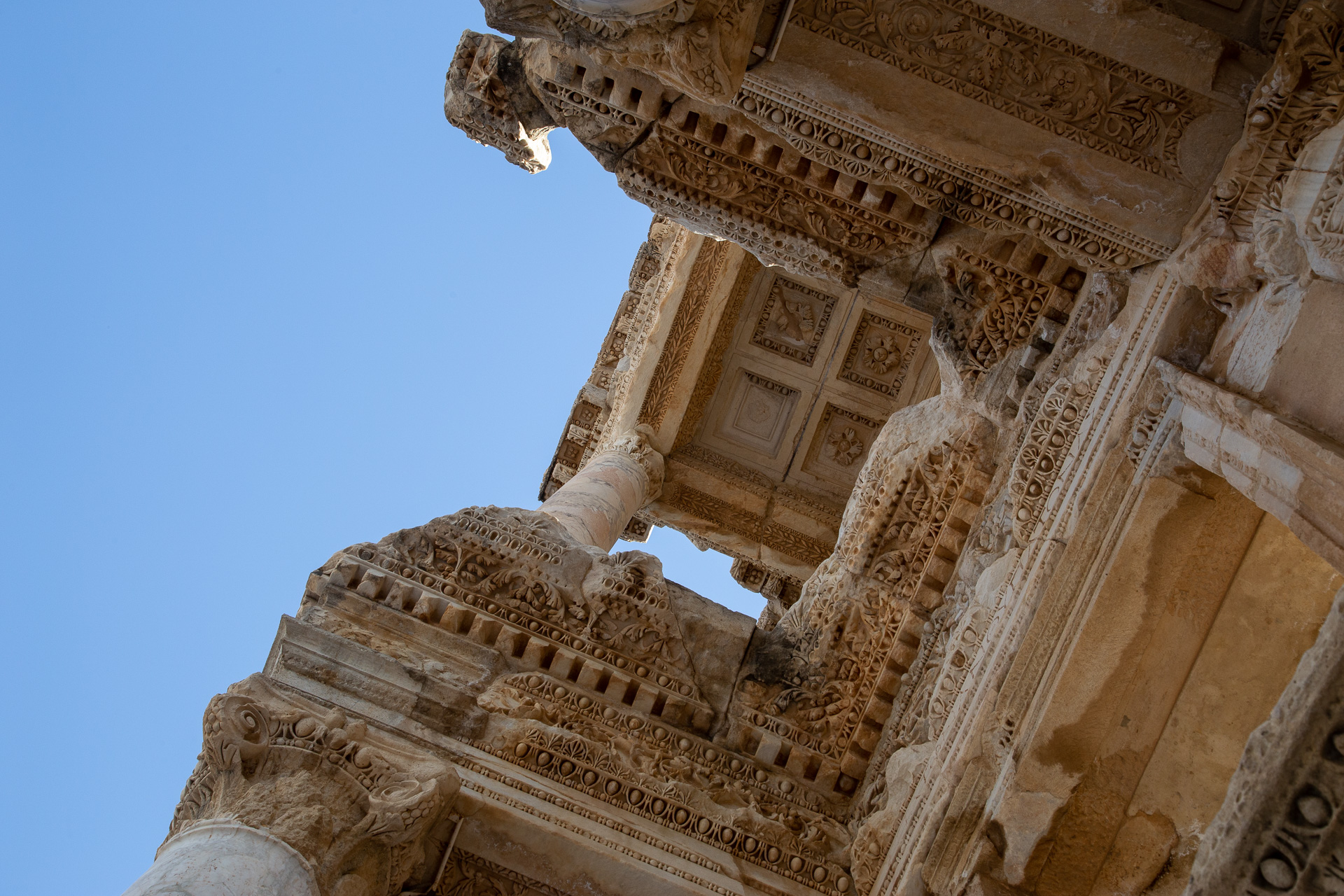
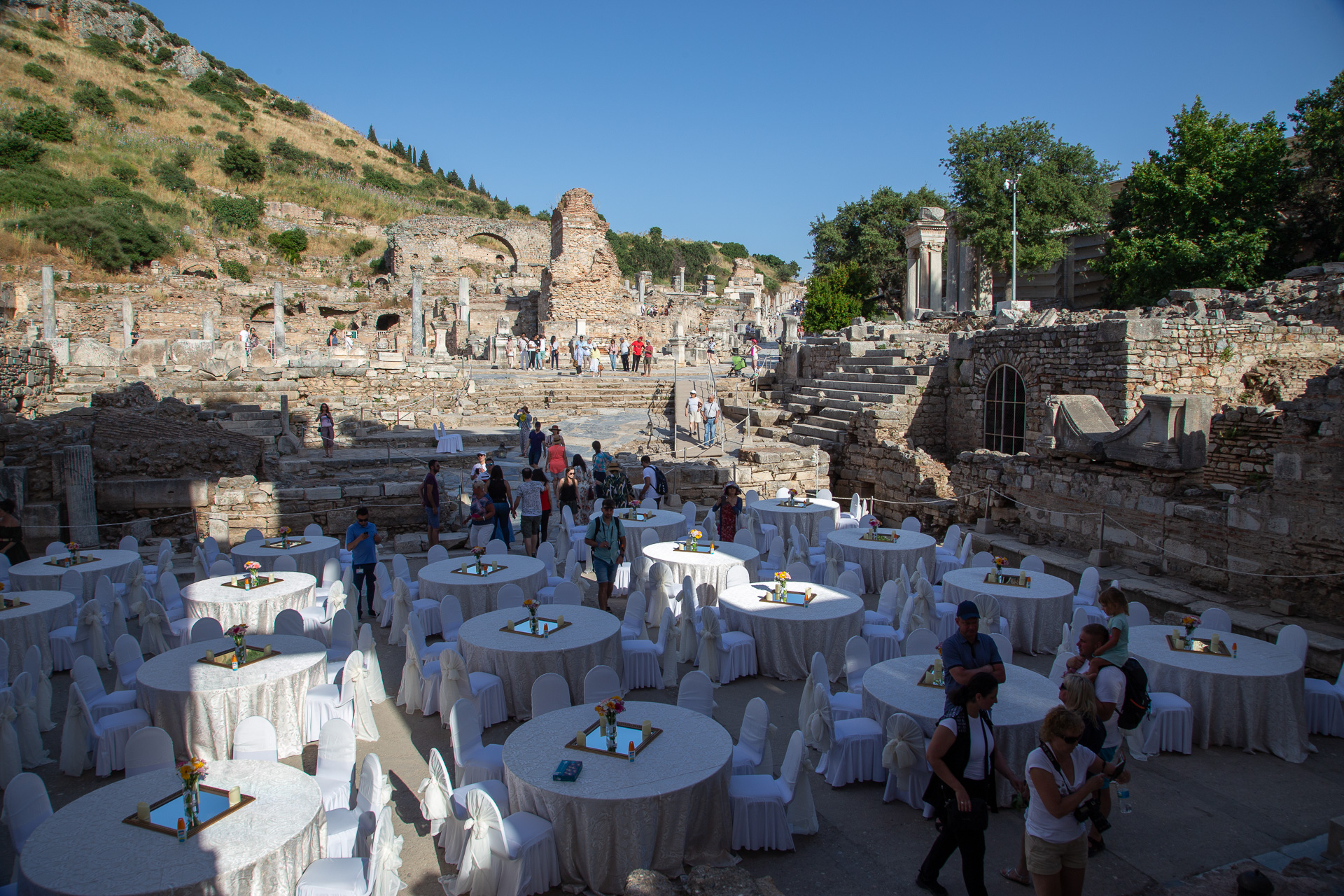
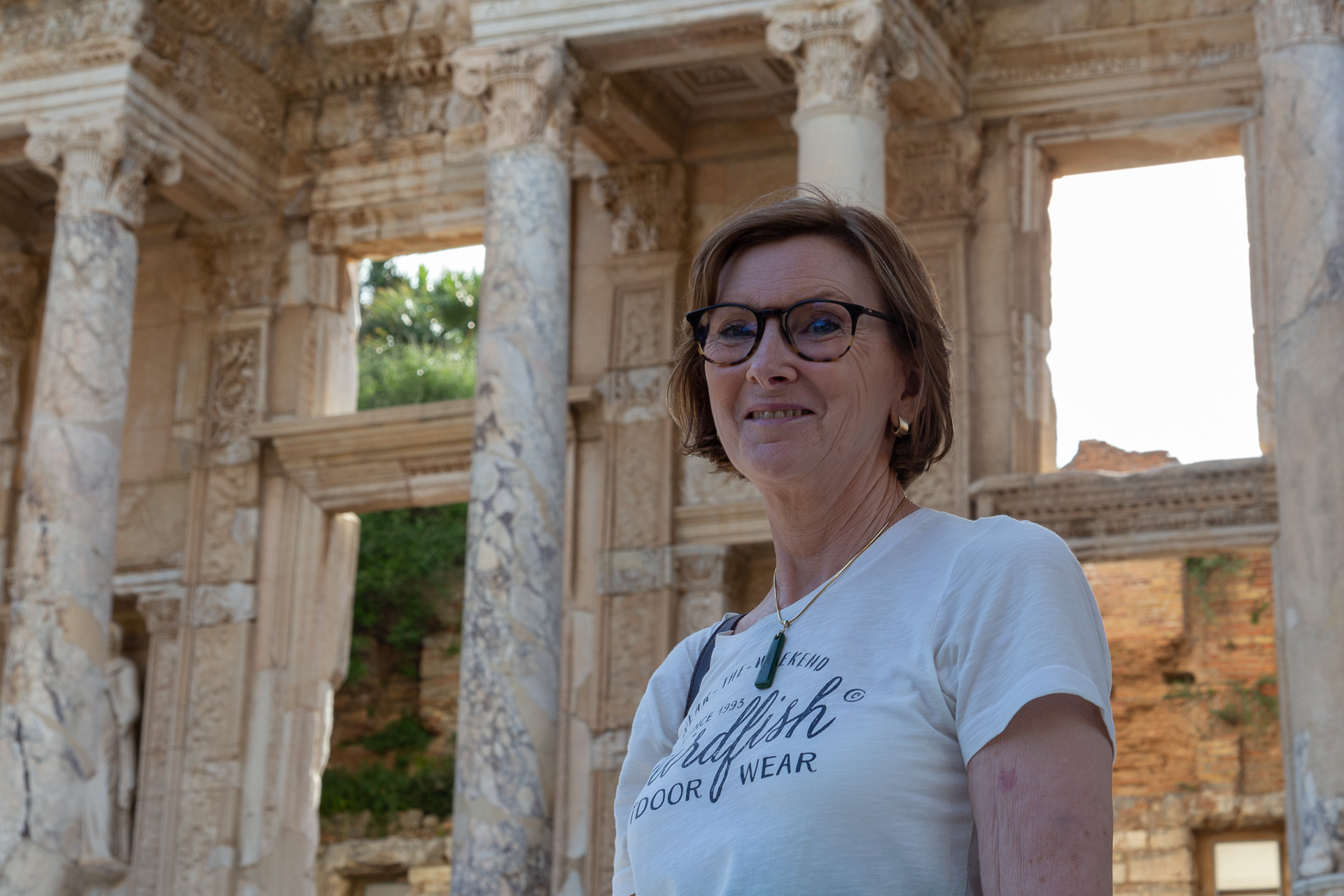
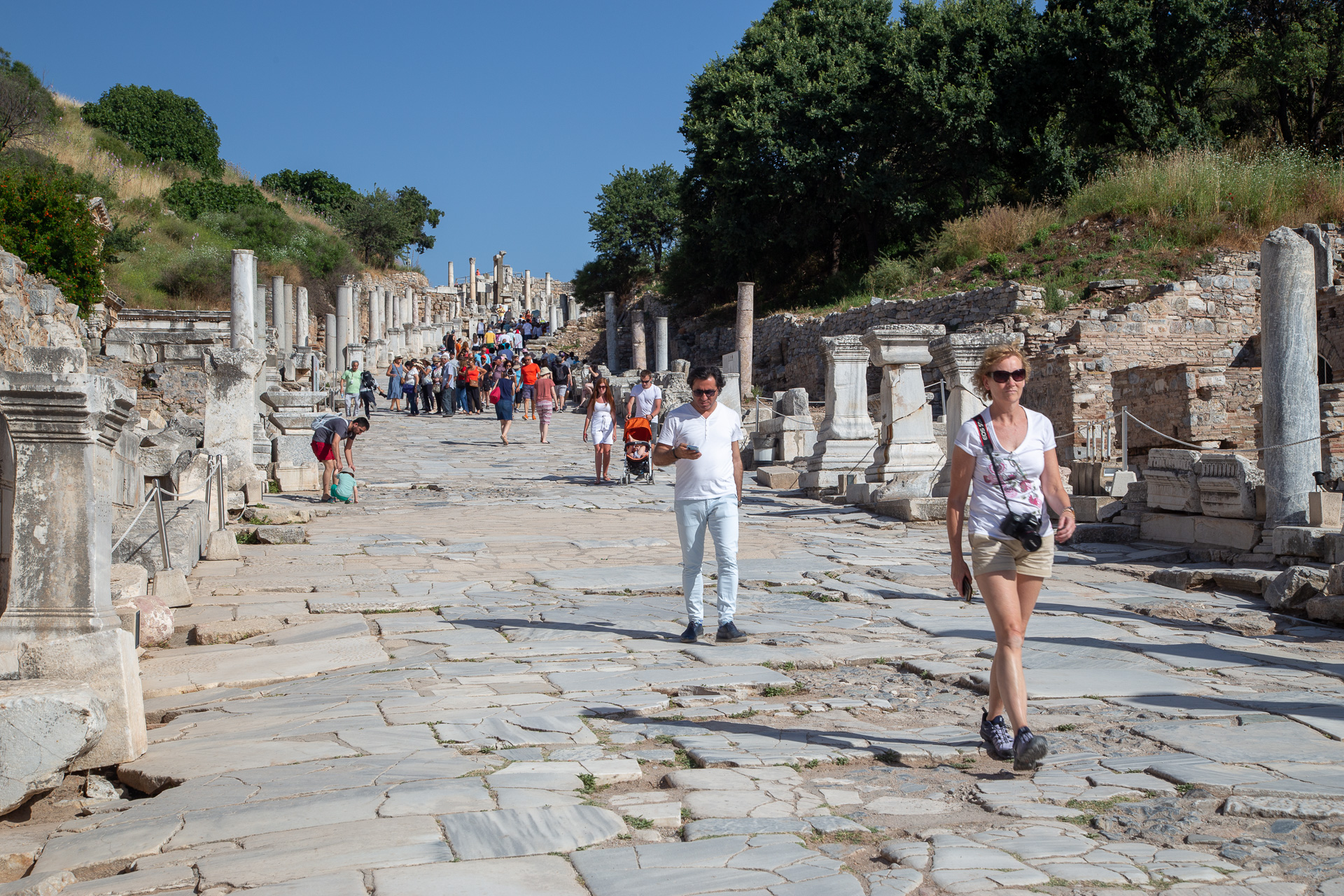

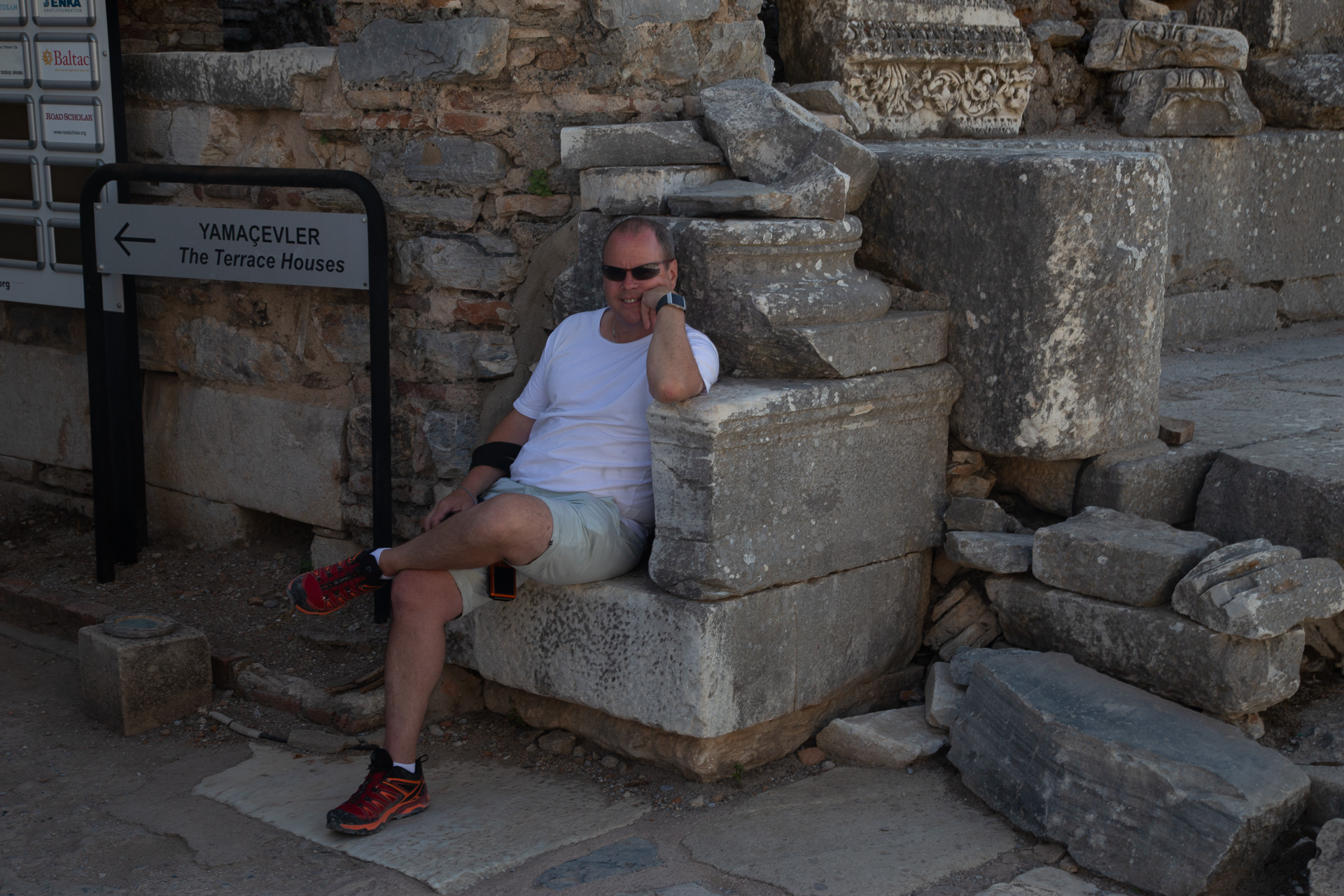
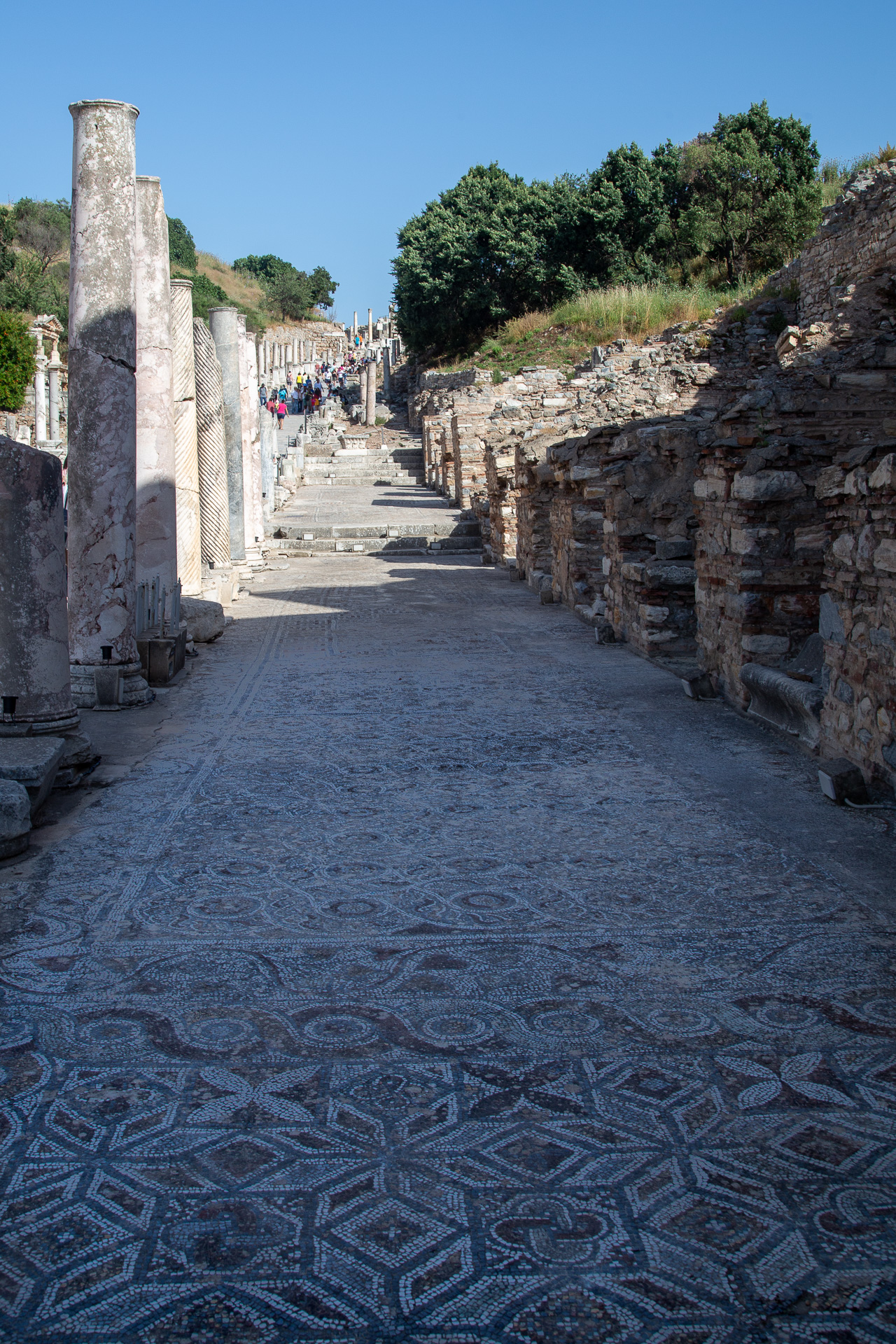


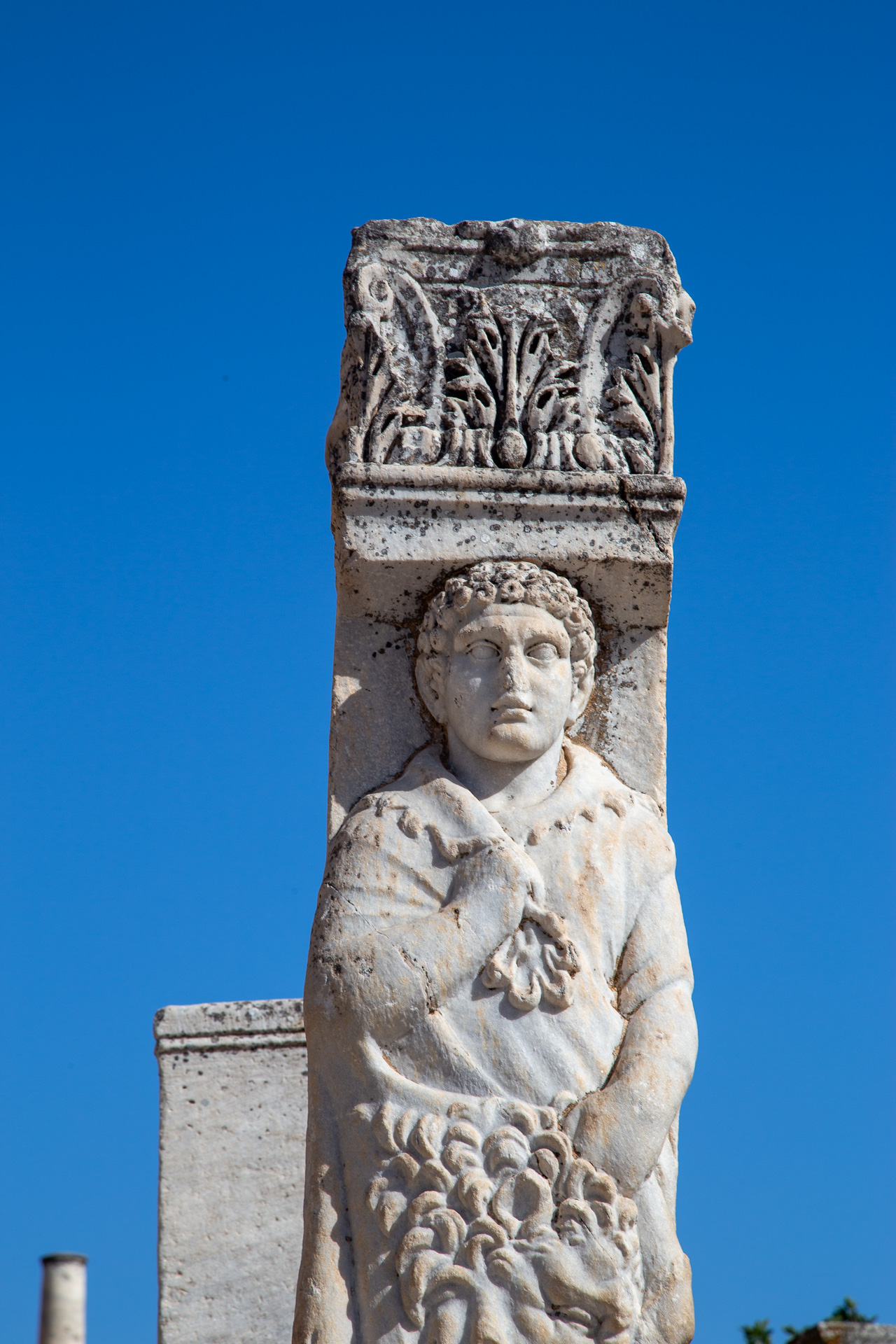
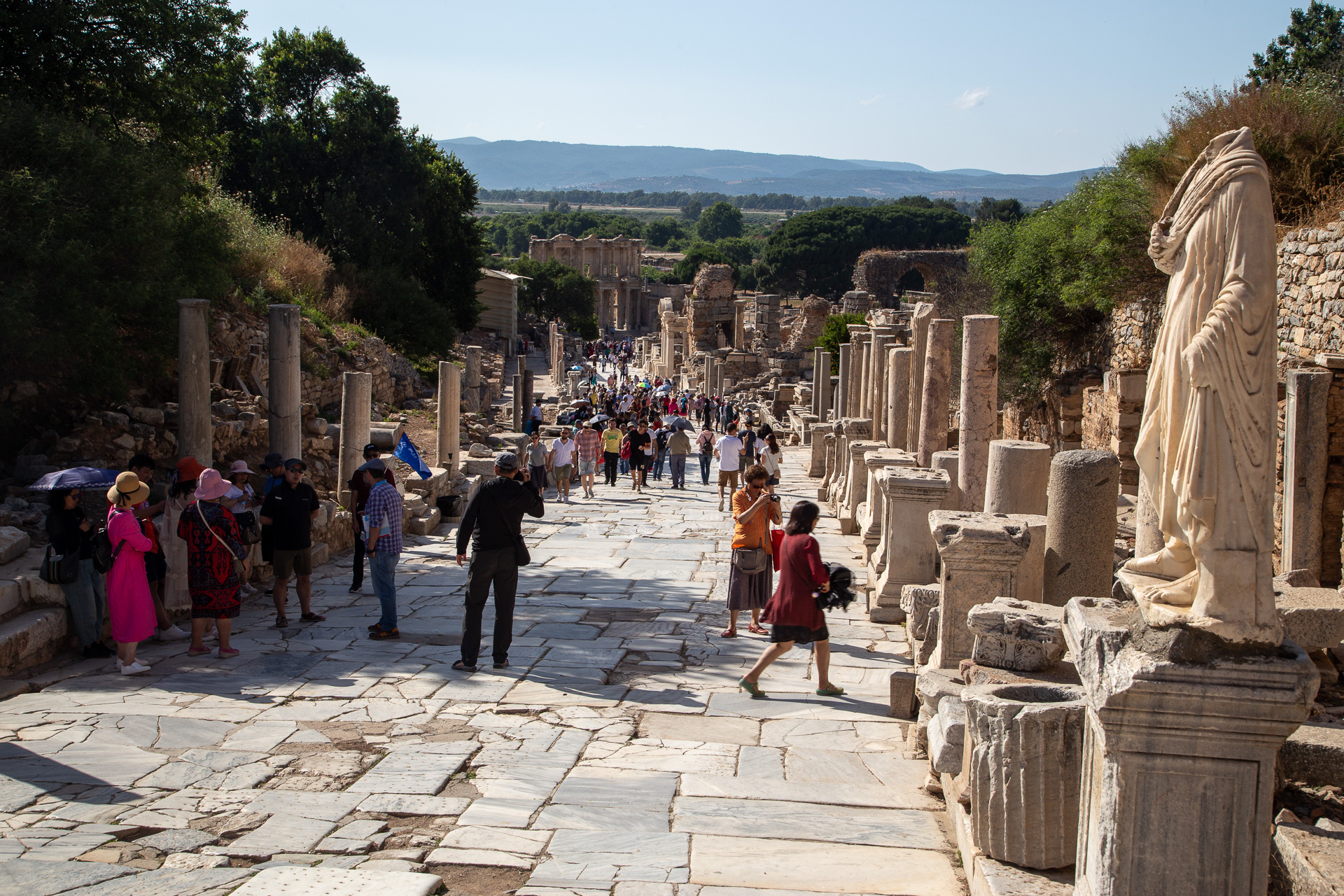
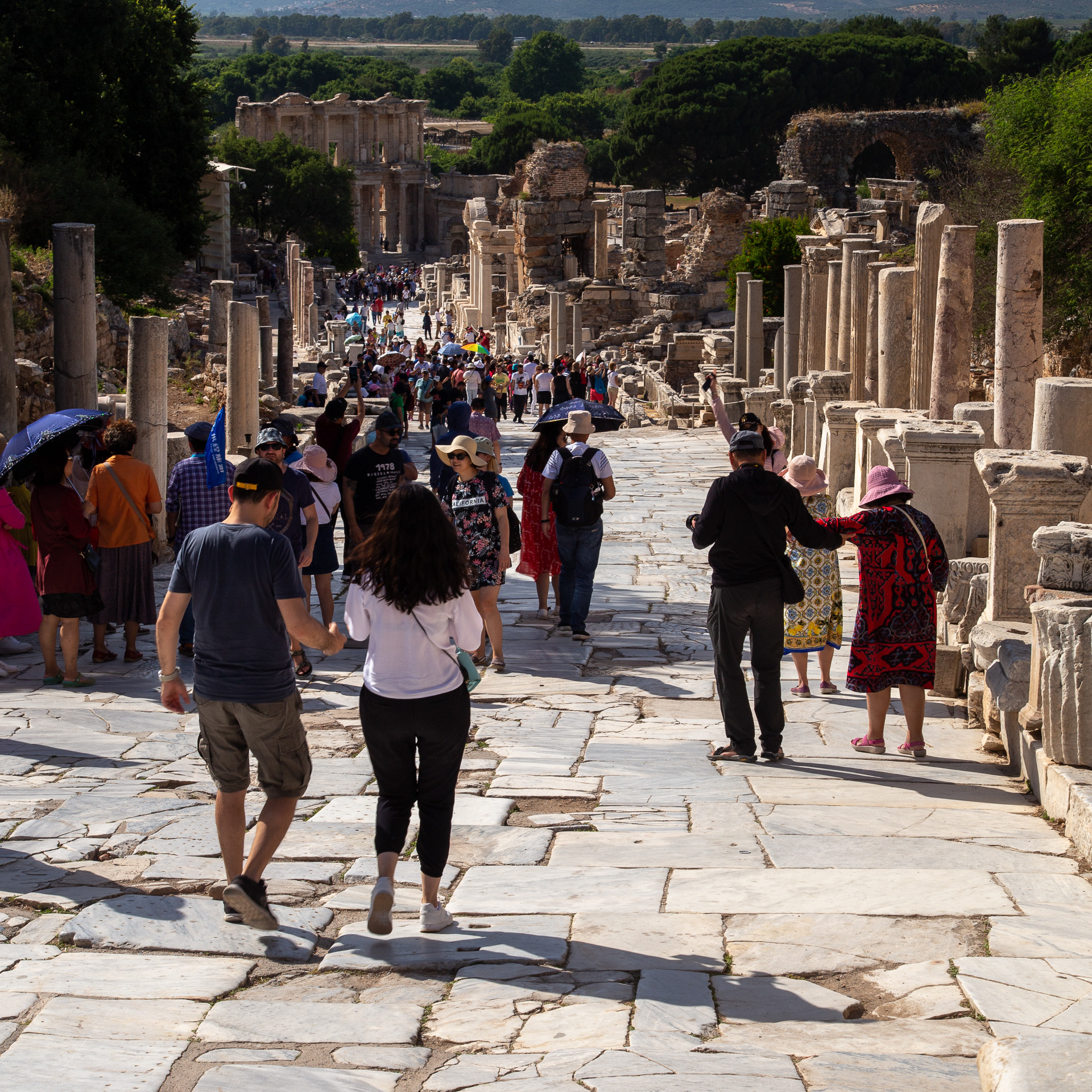
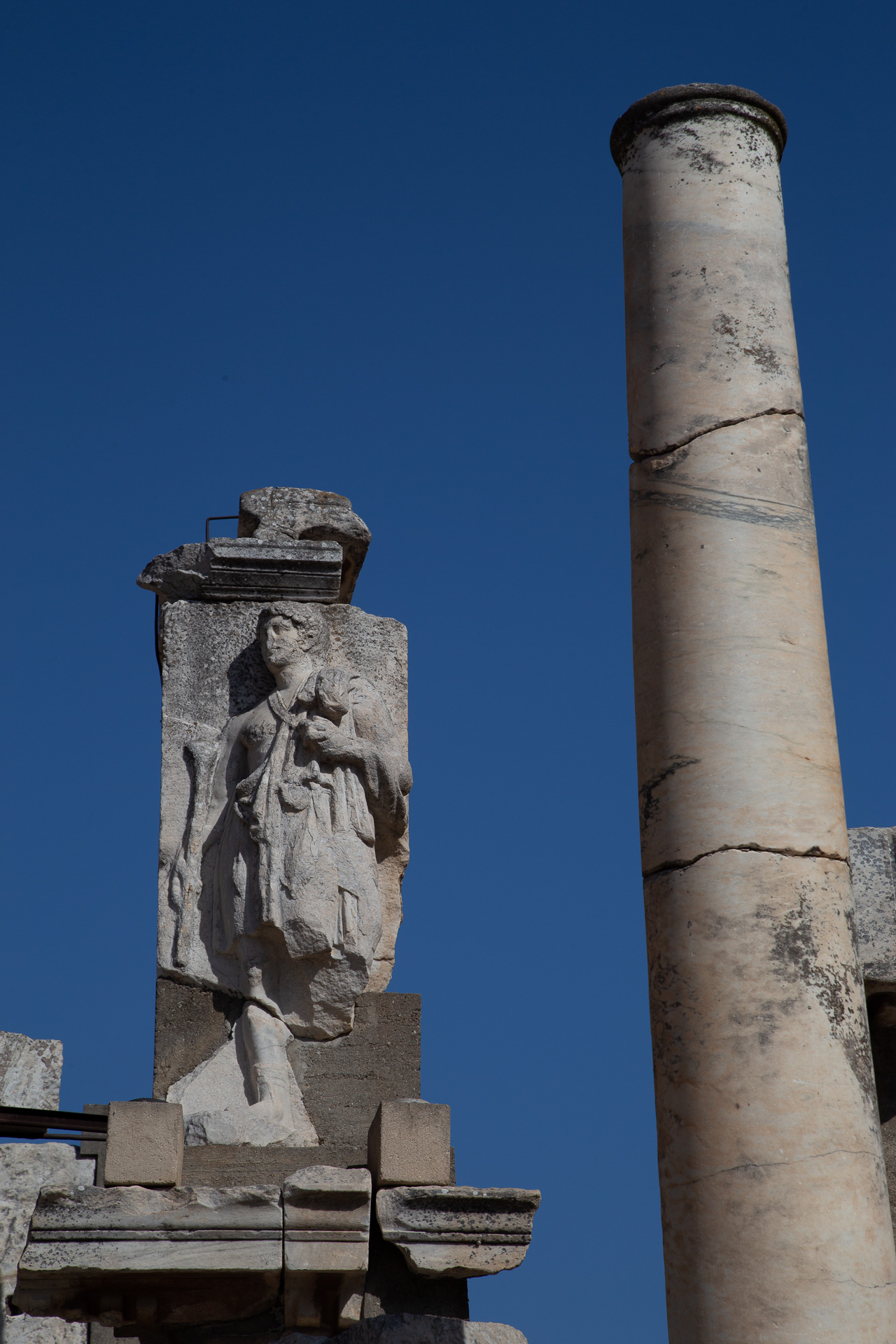
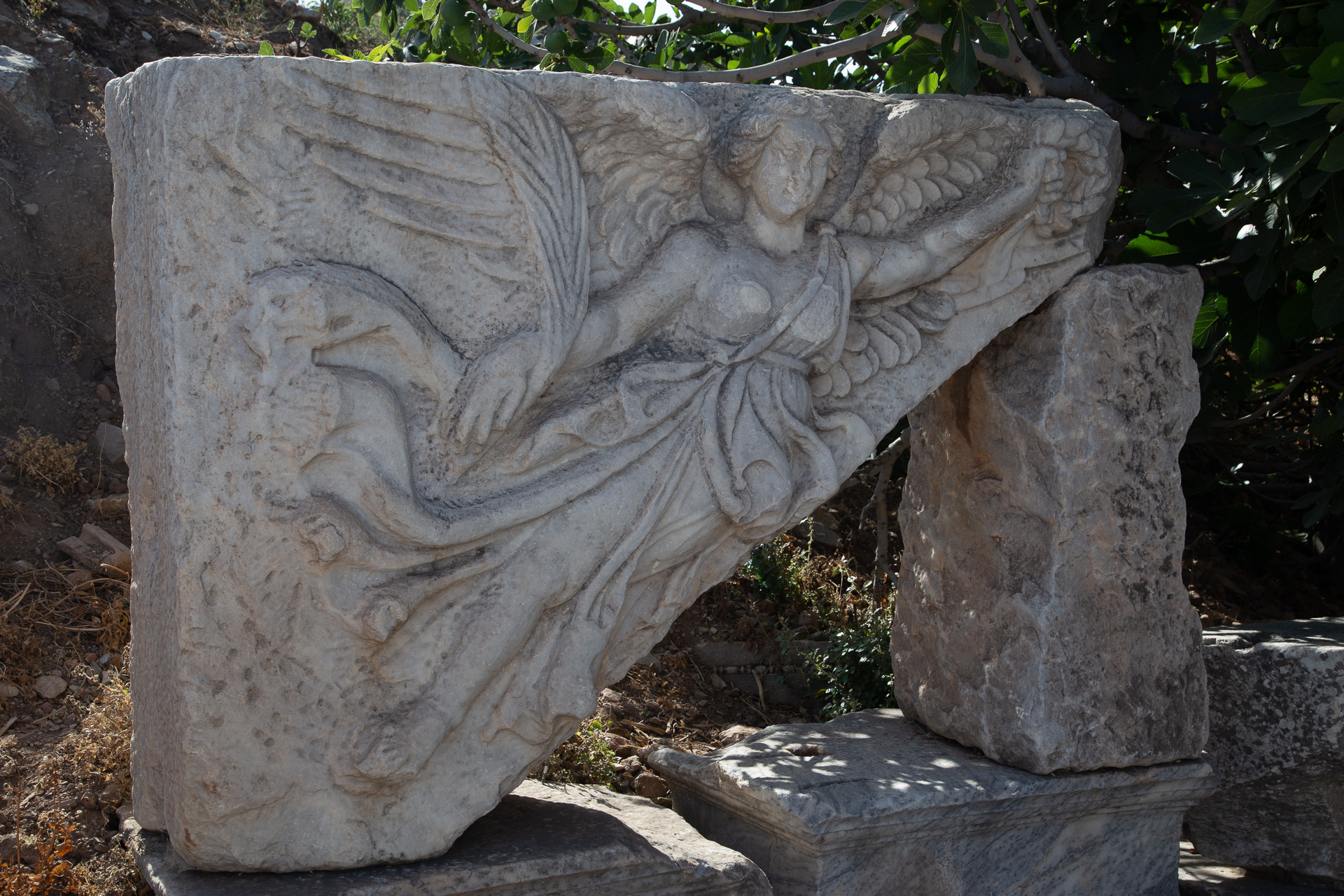
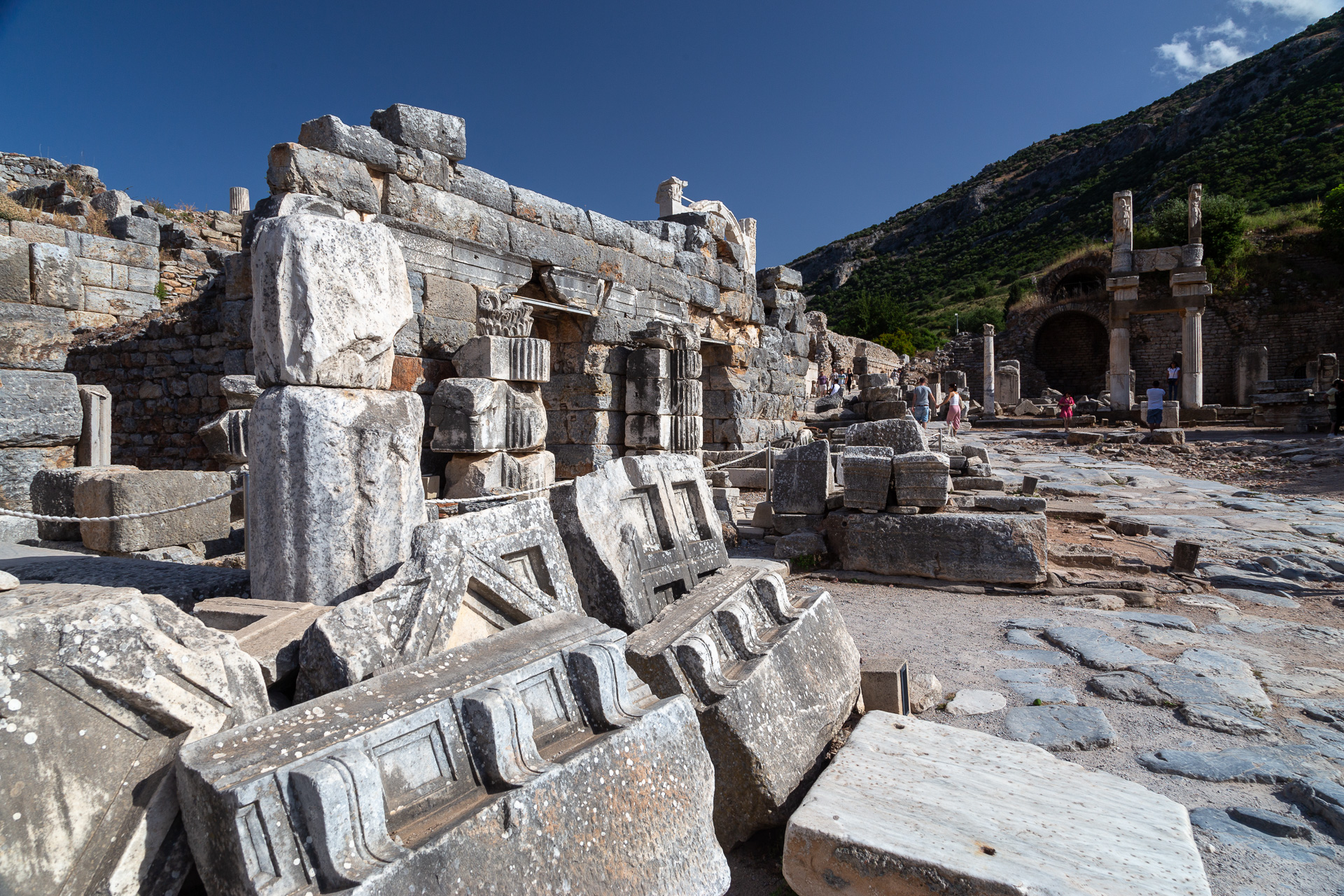

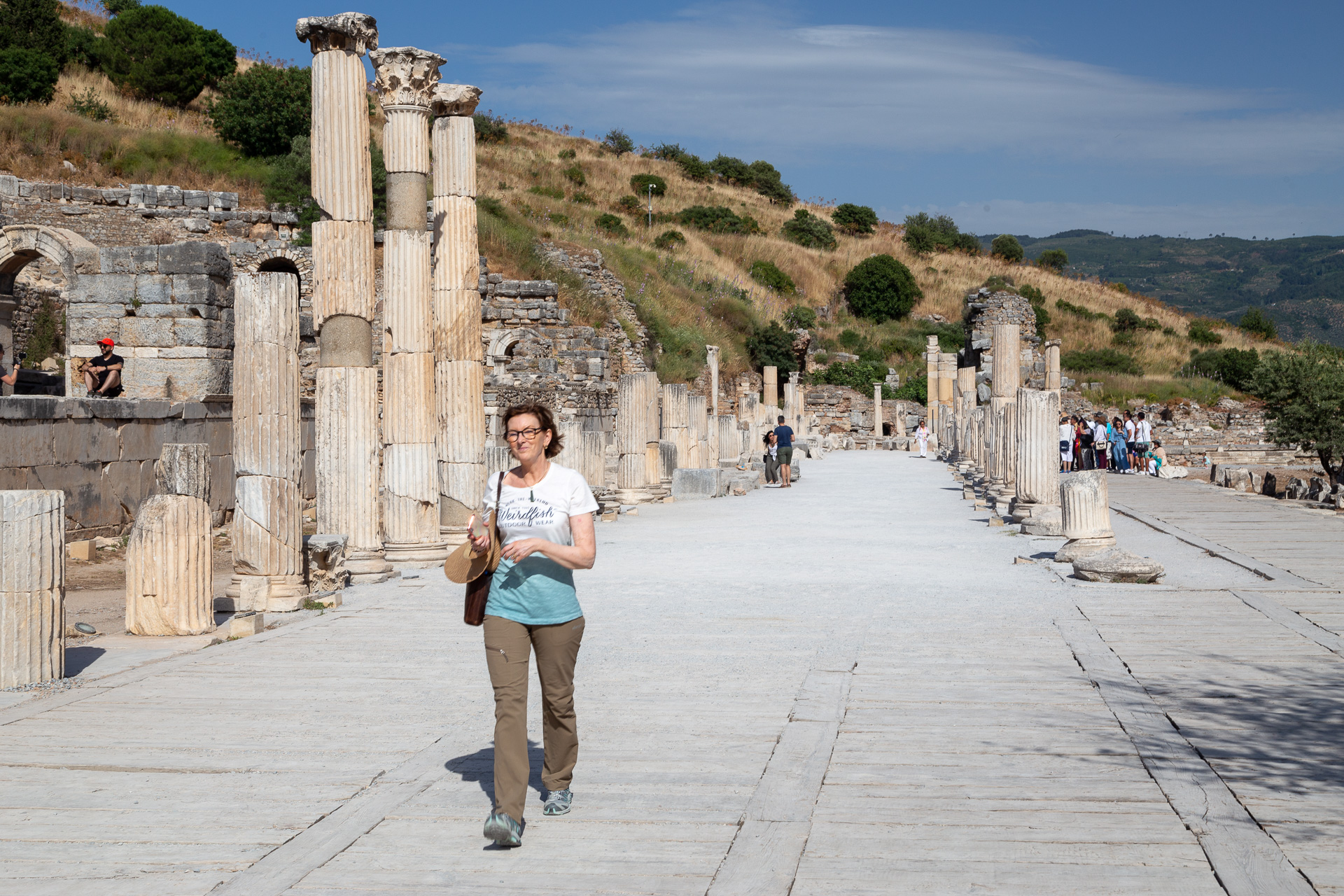
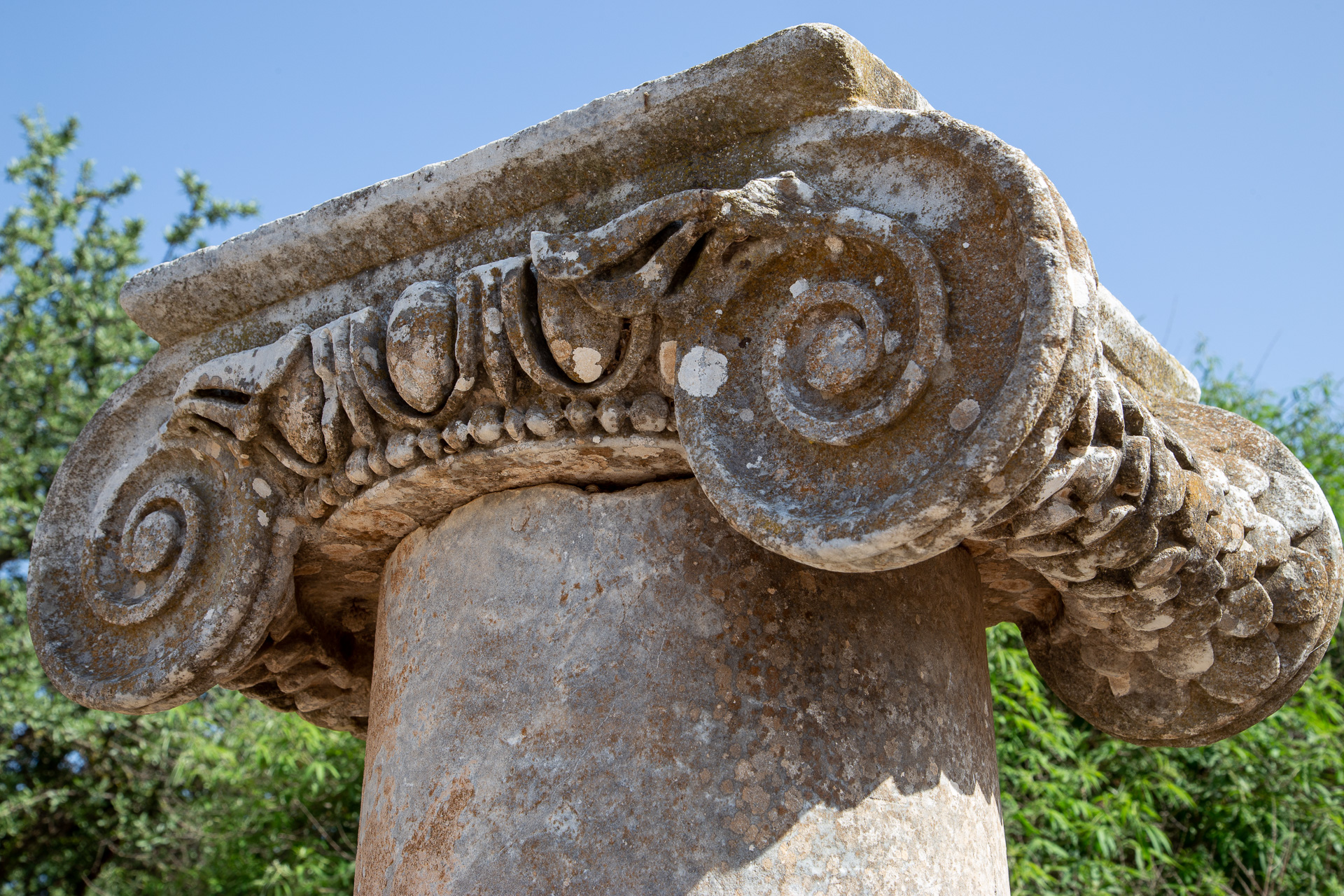
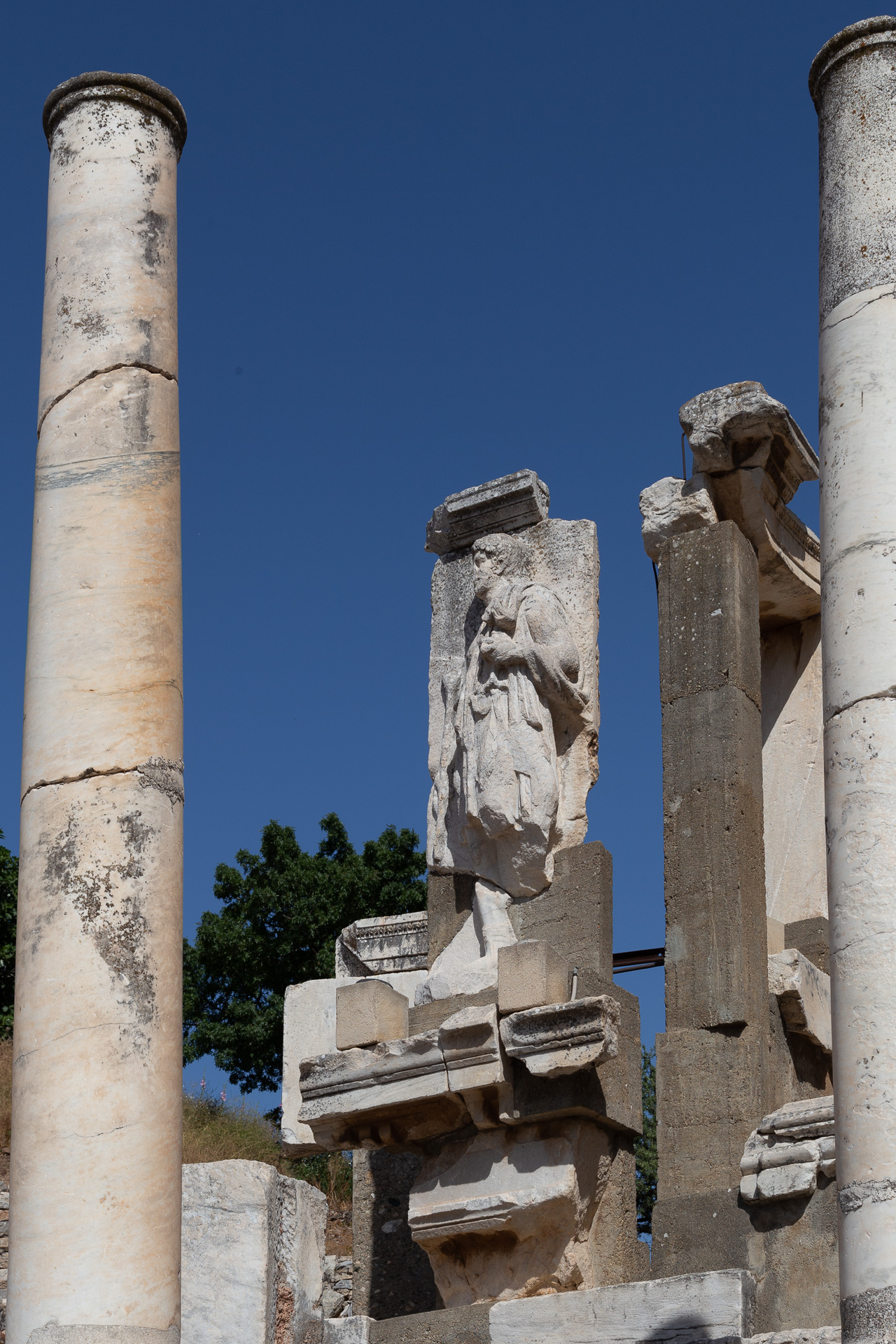
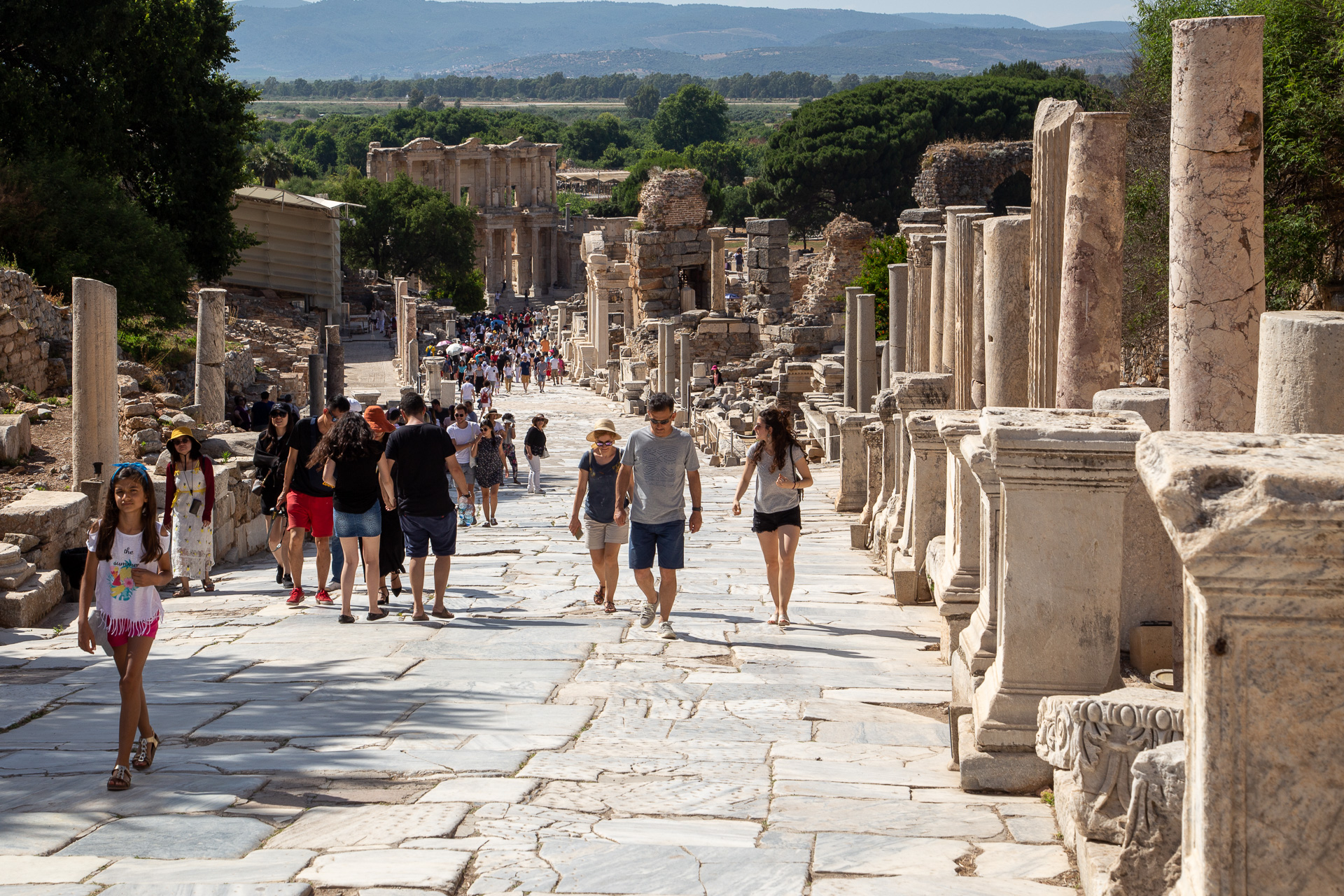
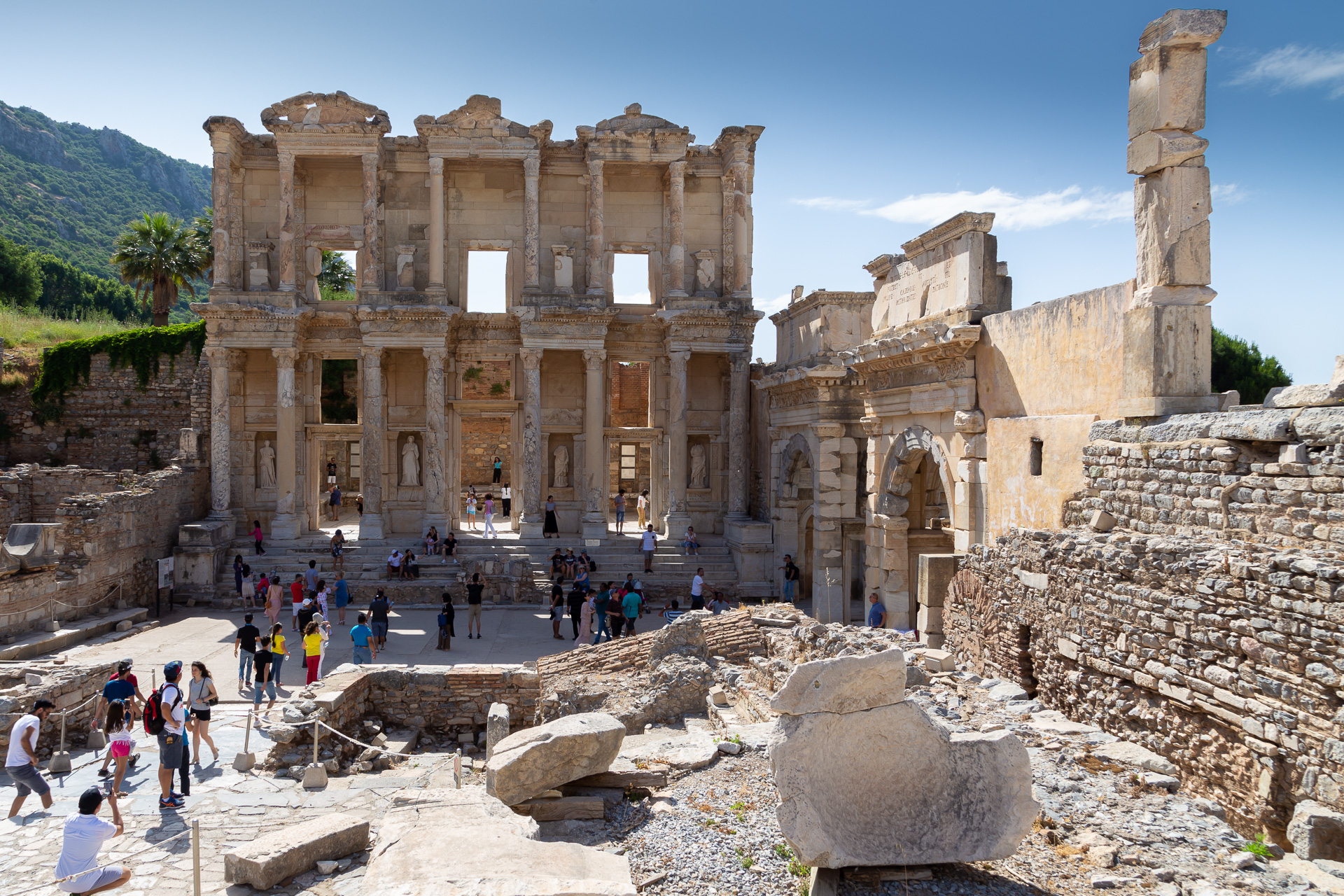
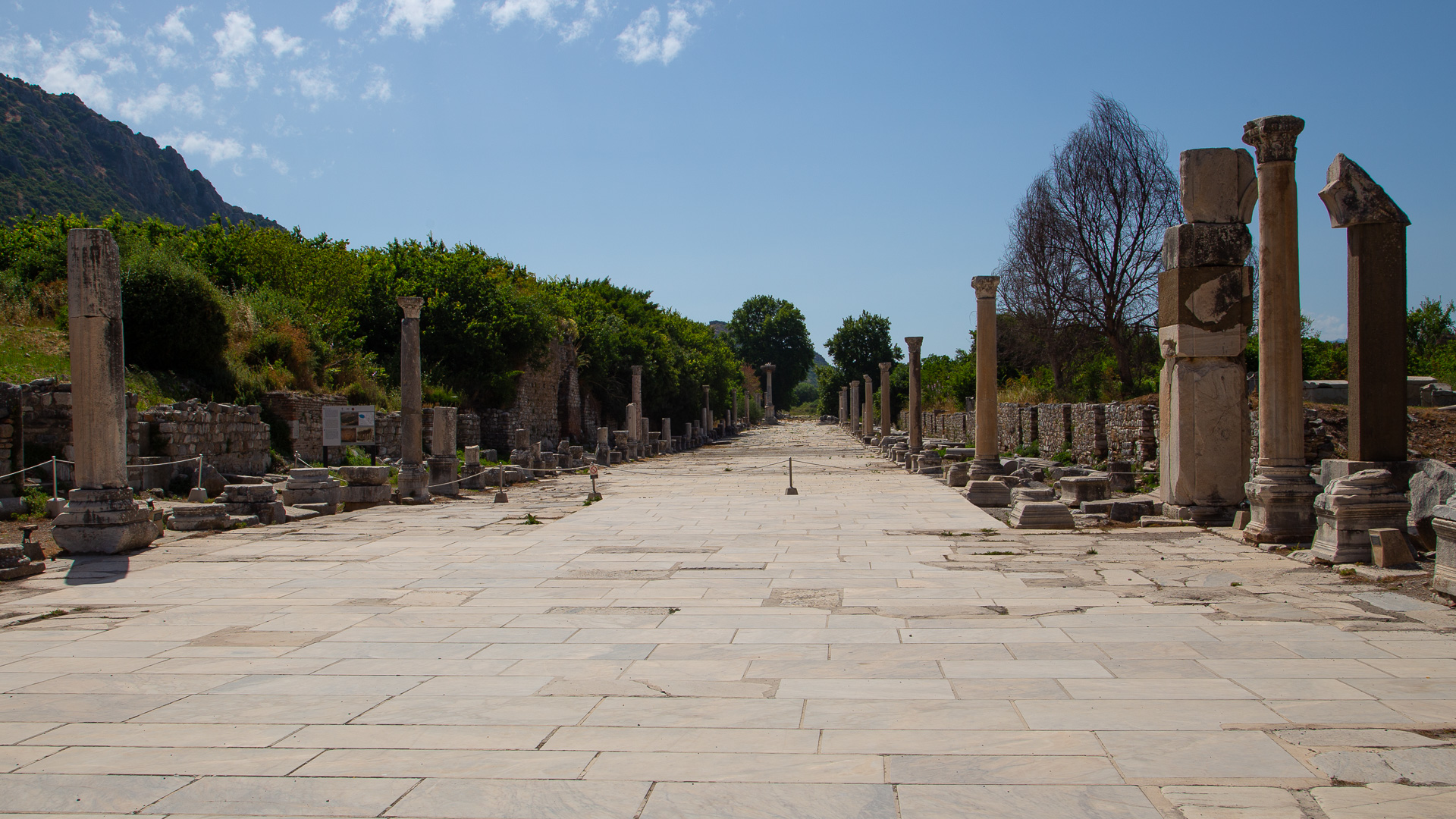
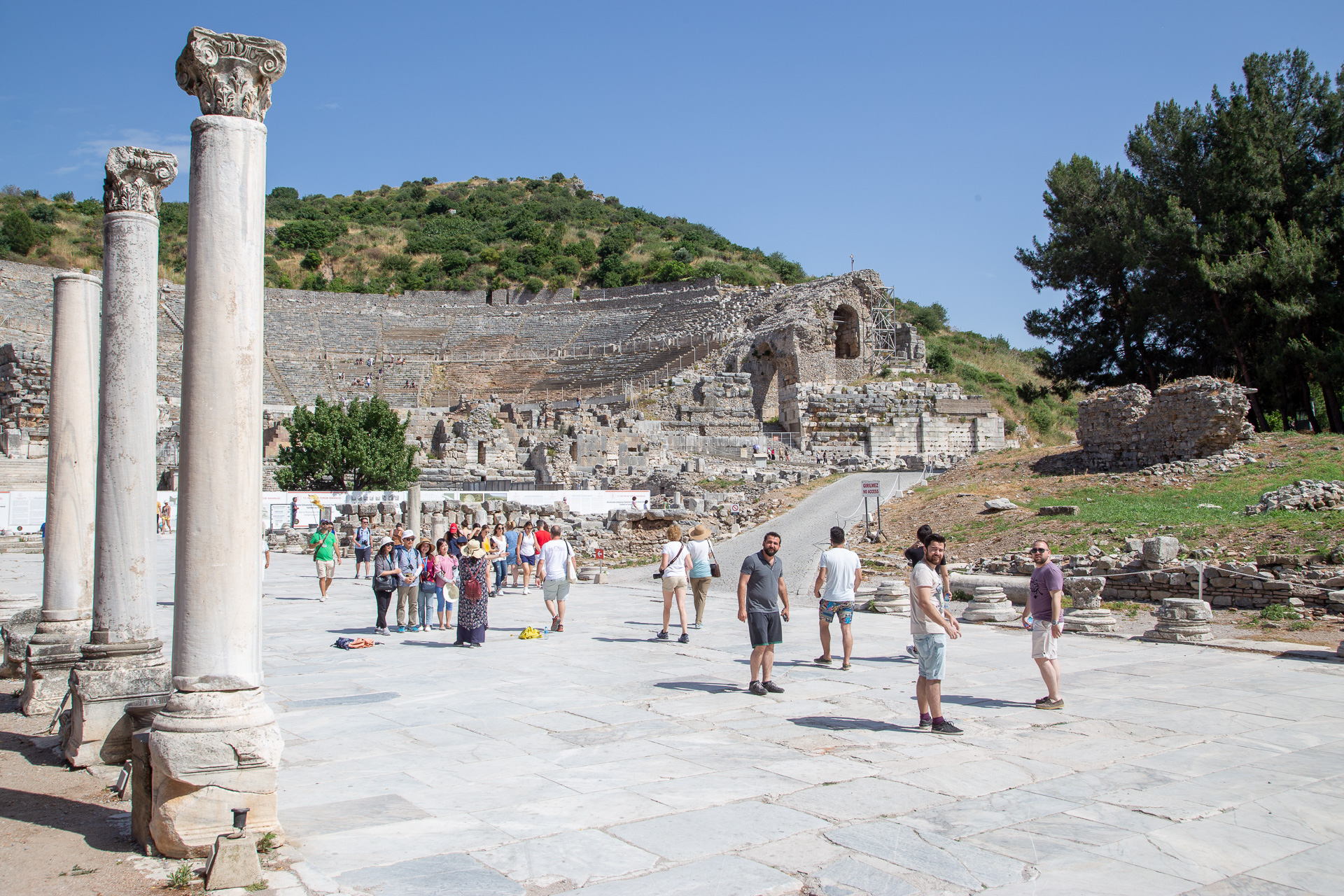
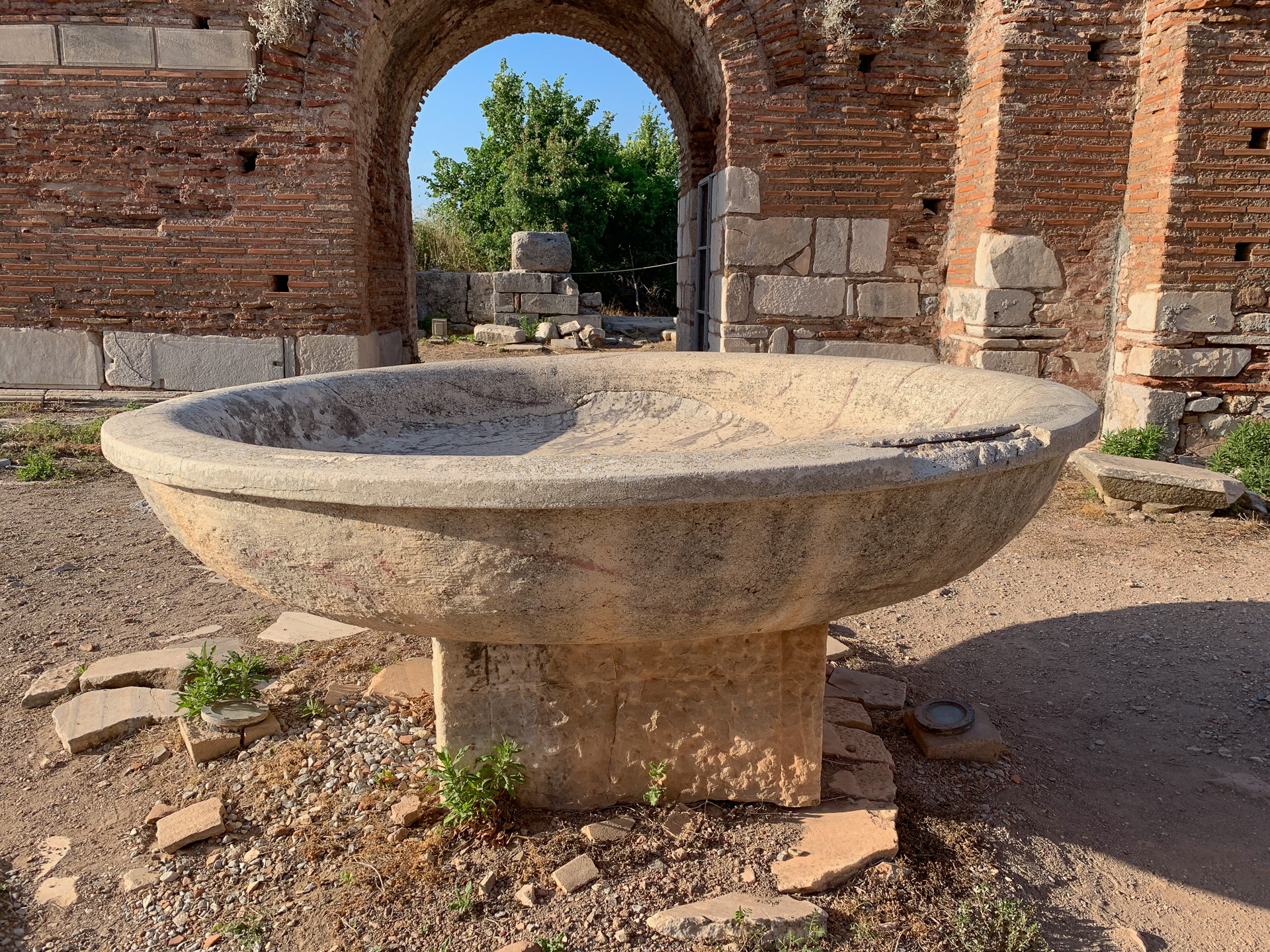


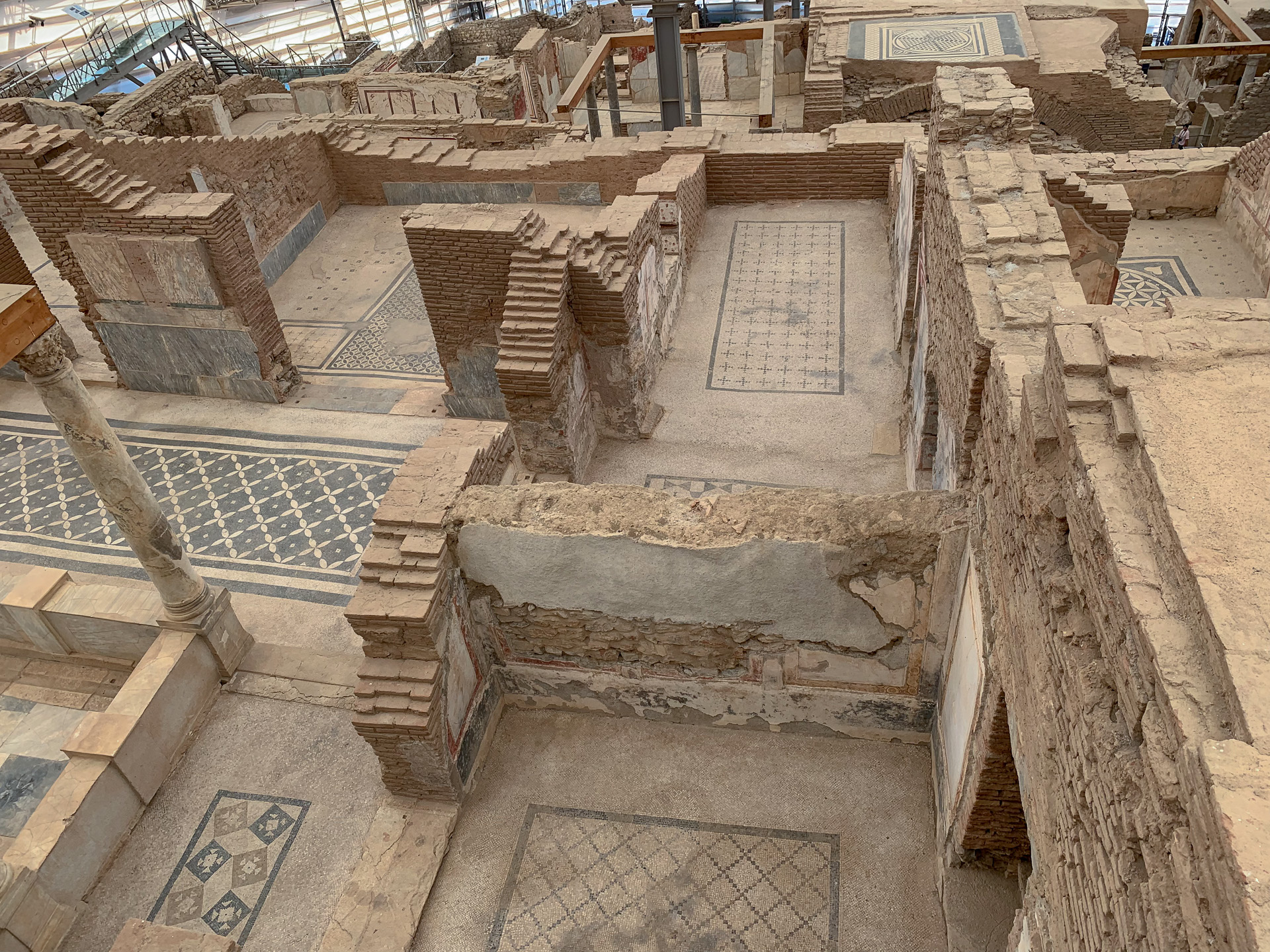
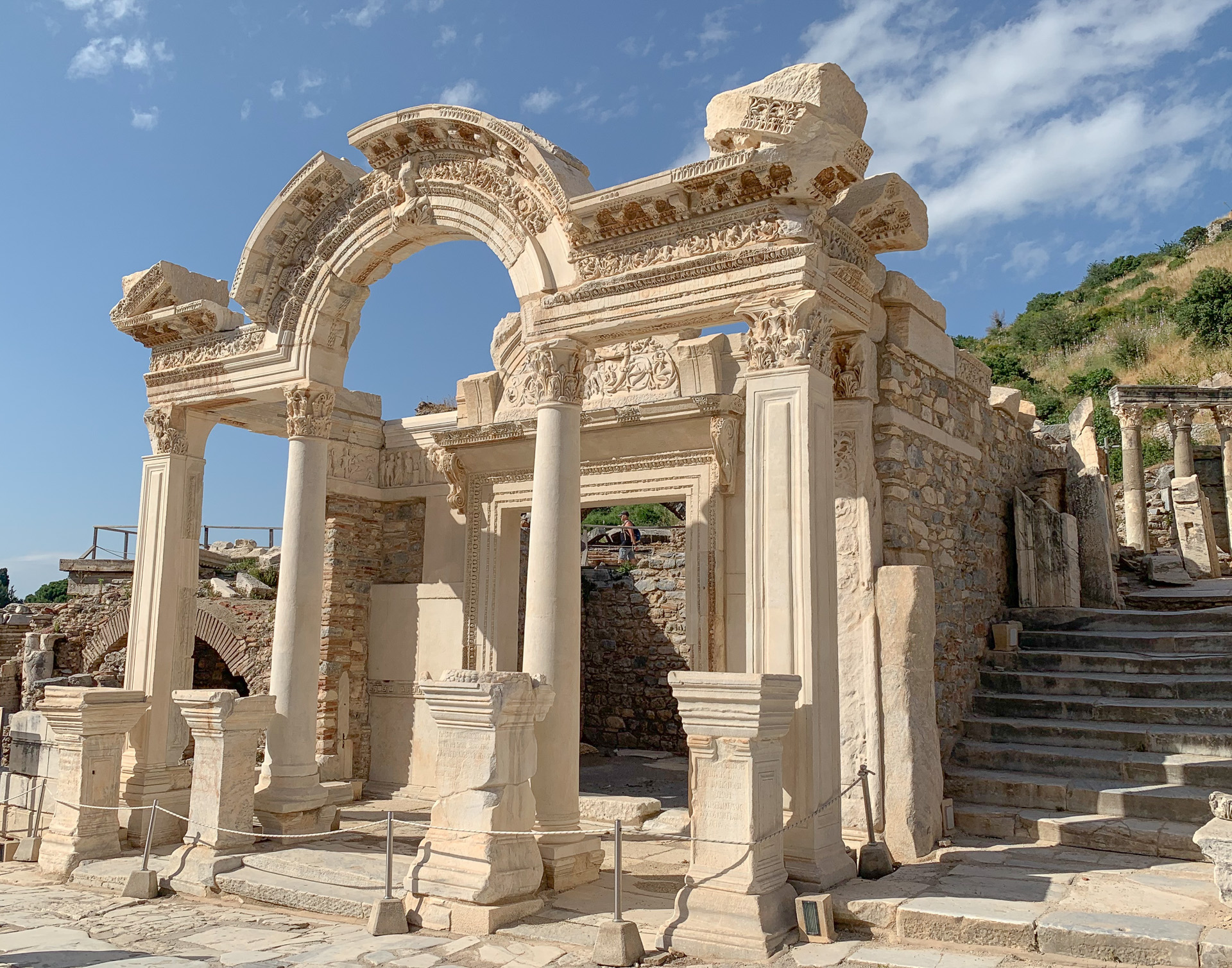
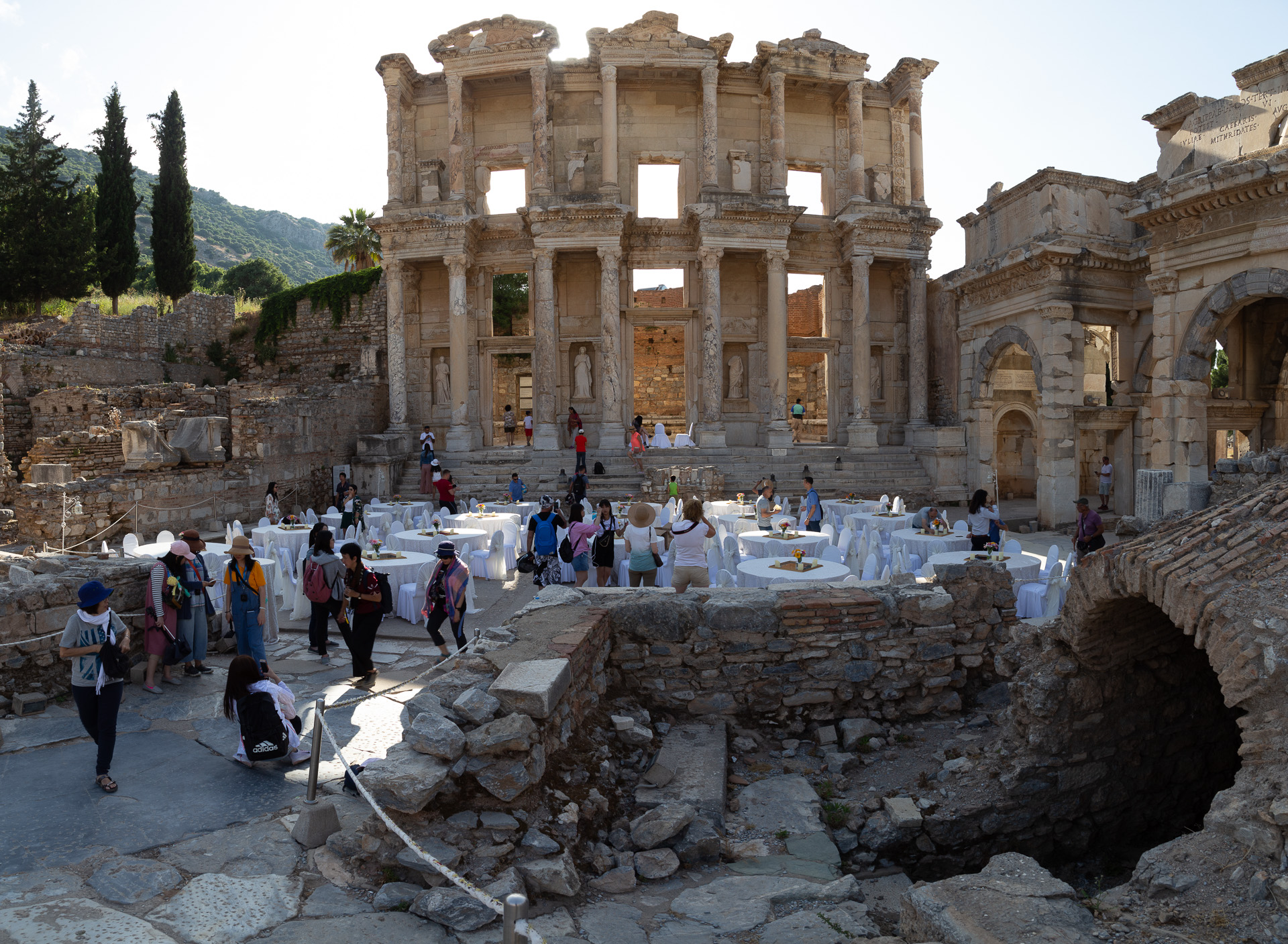
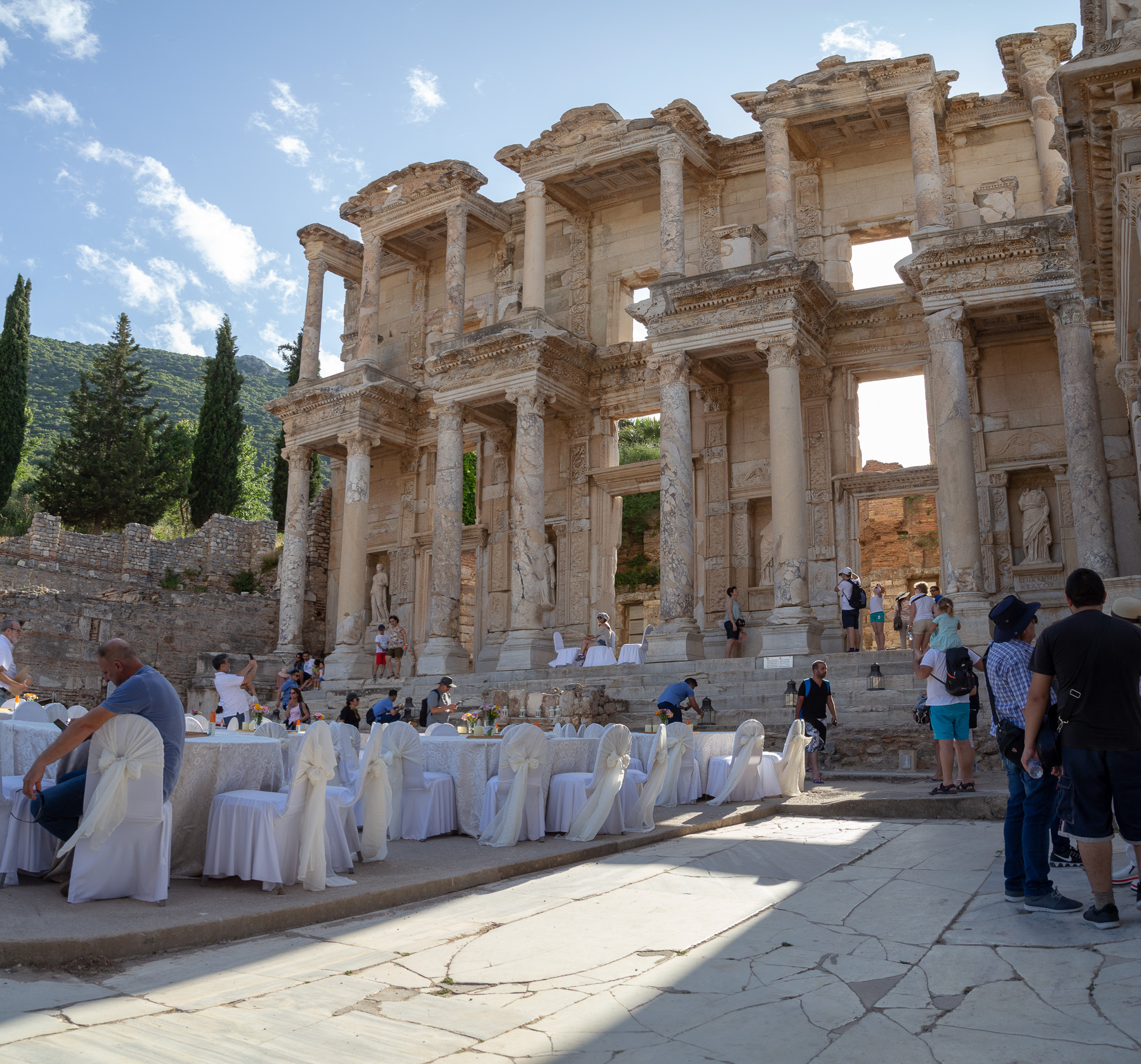
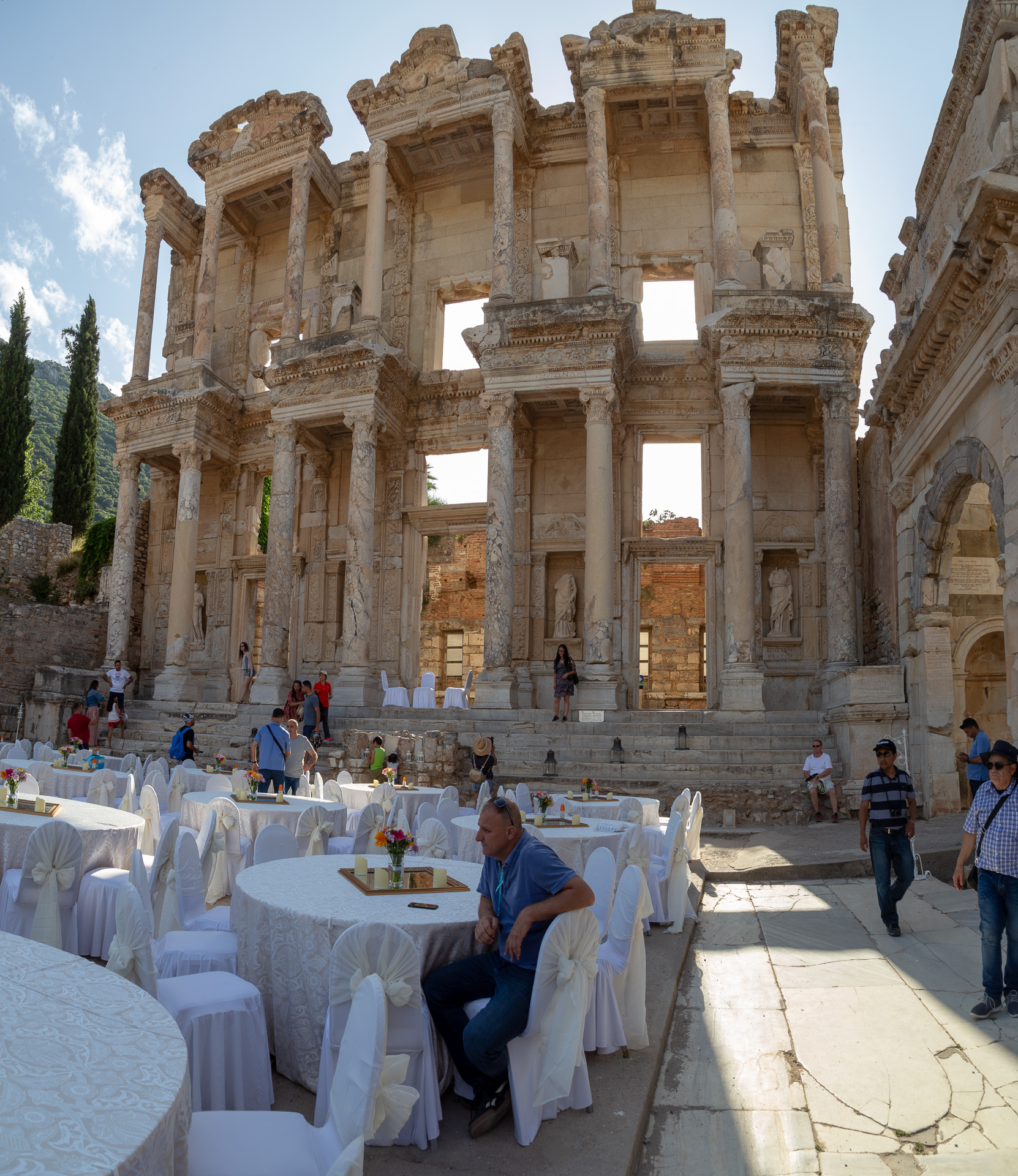
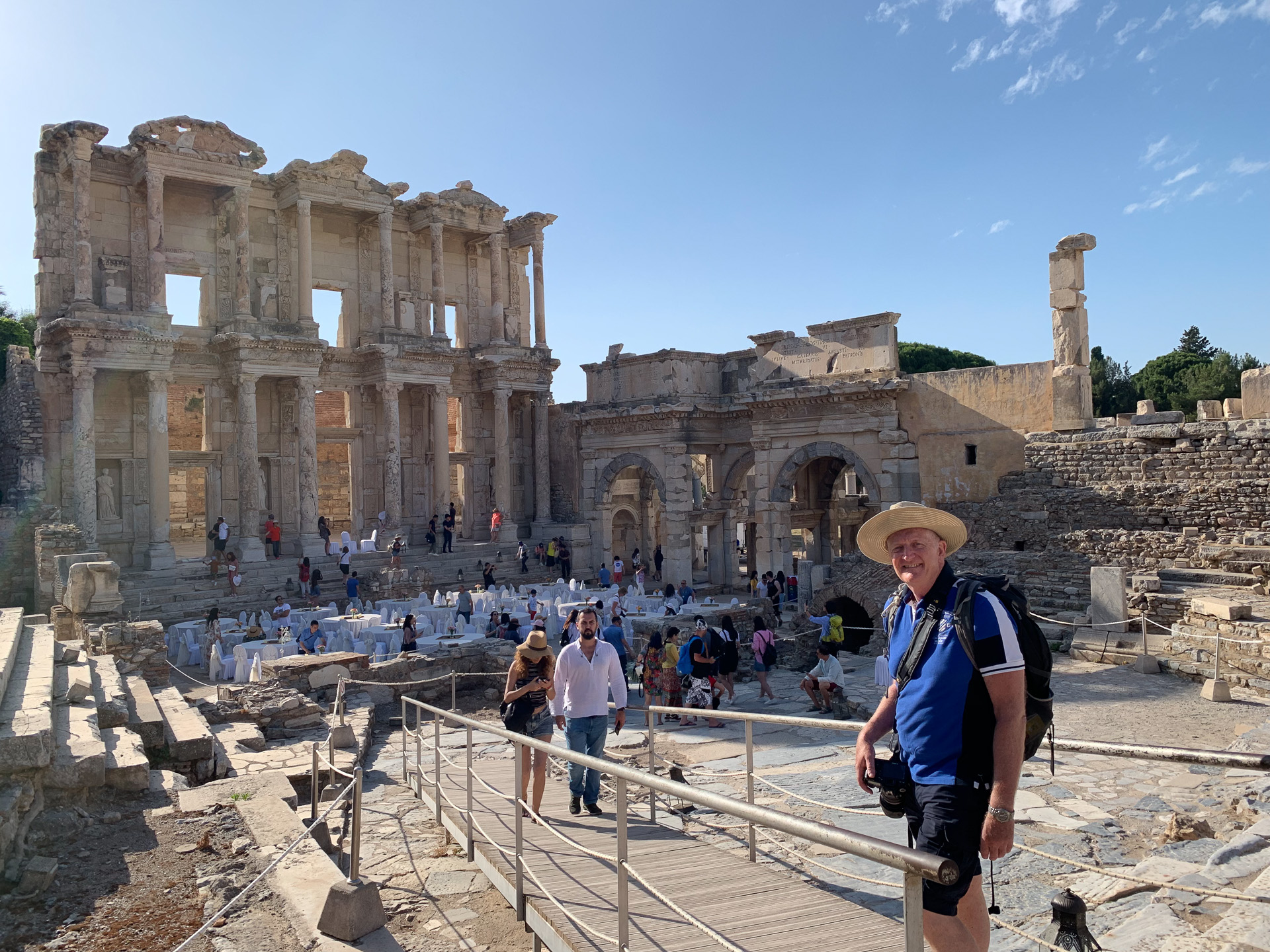
The iconic Celsus Library is featured in every Turkish travel brochure. Since it was very busy we continued up the Marble Road intending to take photographs as we came back from the theatre. So we were somewhat disgruntled on returning, (Claire was totally pissed off!) to discovered the entire area in front of the library was filled with tables and chairs, swathed in white table cloths and covers. It looked like there was going to be a wedding reception.
A little on-line detective work revealed that cruise ships are able to offer an evening dining experience in one of the worlds most famous archaeological sites. We hoped that the guests pay through the nose for it and that the money helps fund restoration work. Apparently the whole thing is highly controversial.
Totally ruined out, we headed into the hills. Şirince (pronounced she-RIN-jay) was our home for just two nights.
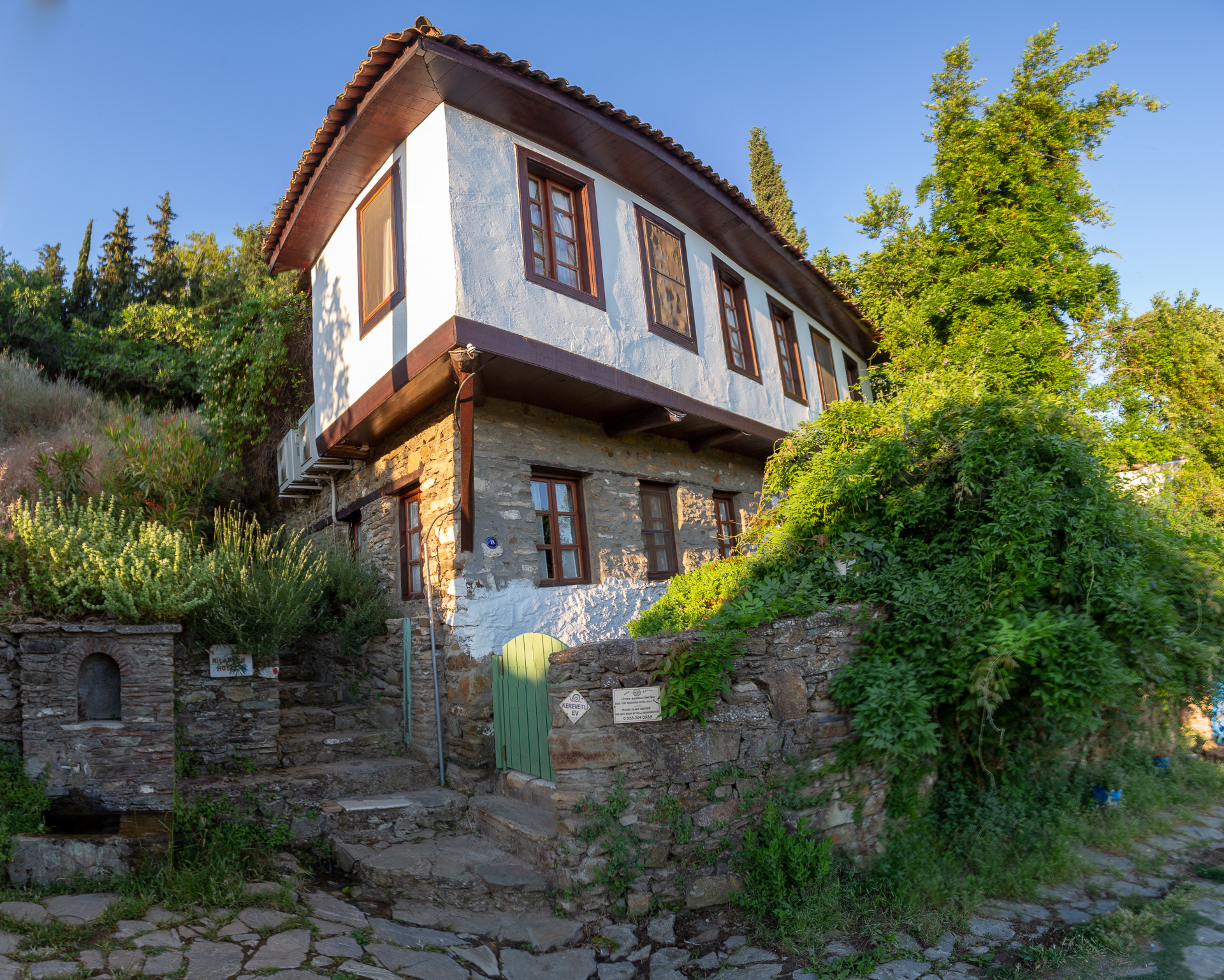
We had found a completely quirky AirBnB house, which turned out to be one of several owned by the same person along with a hotel. All were very old and beautifully restored. The bed in the master bedroom had to be the biggest we had ever seen. The hotel restaurant was fantastic and we saw no need to cook for ourselves. Which was just as well considering the kitchen facilities.

The following description came from the owners’ (Mujde) website;
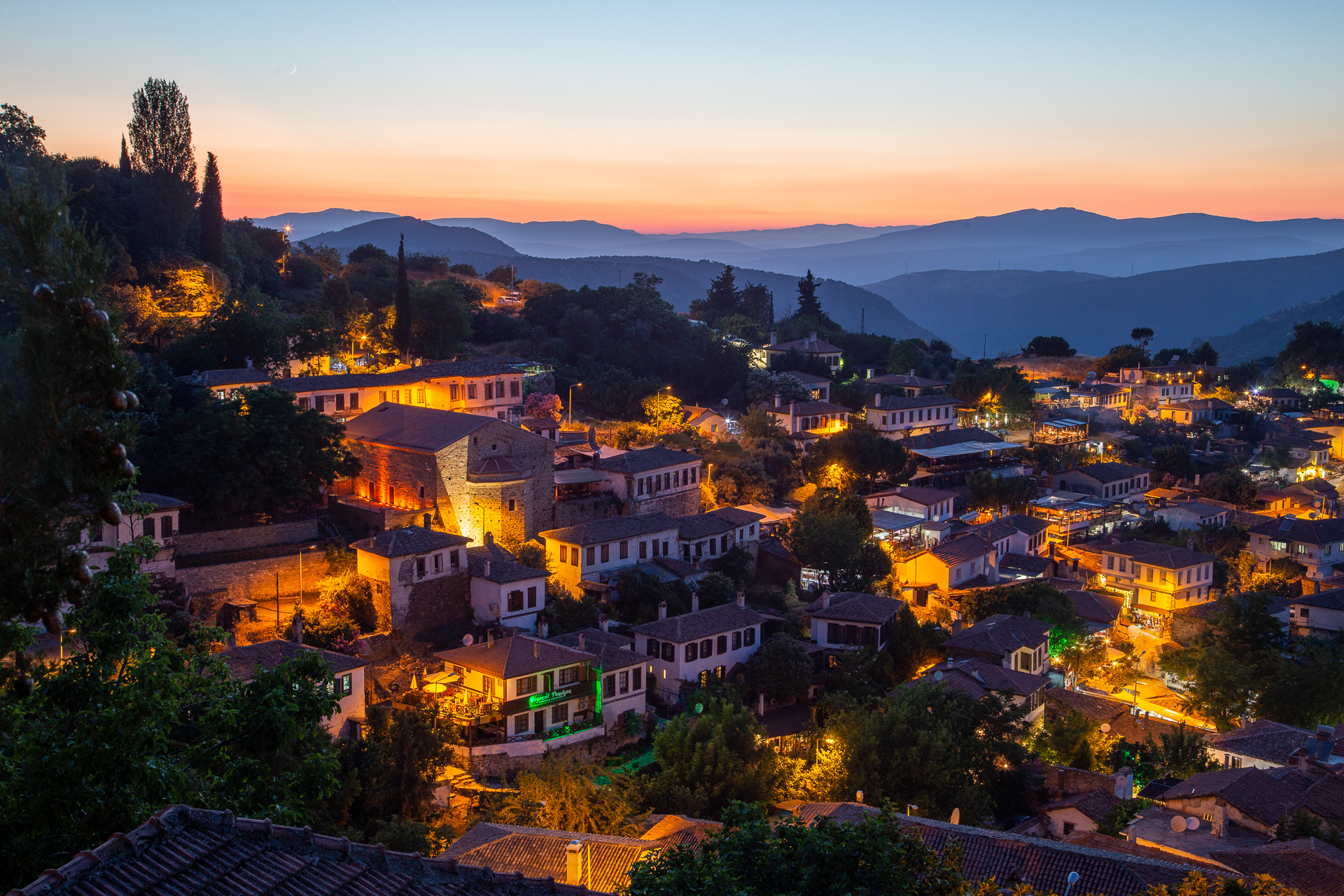
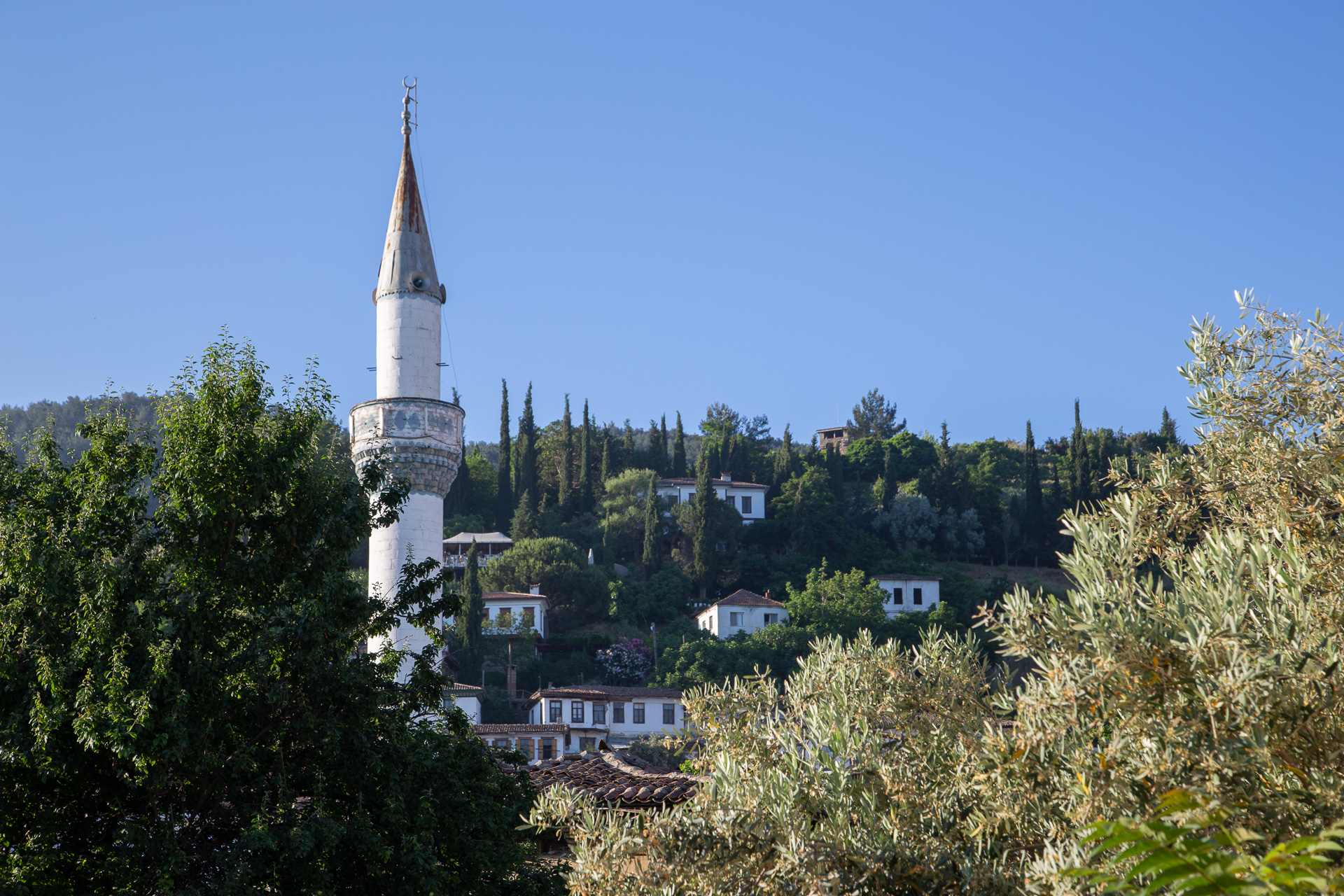
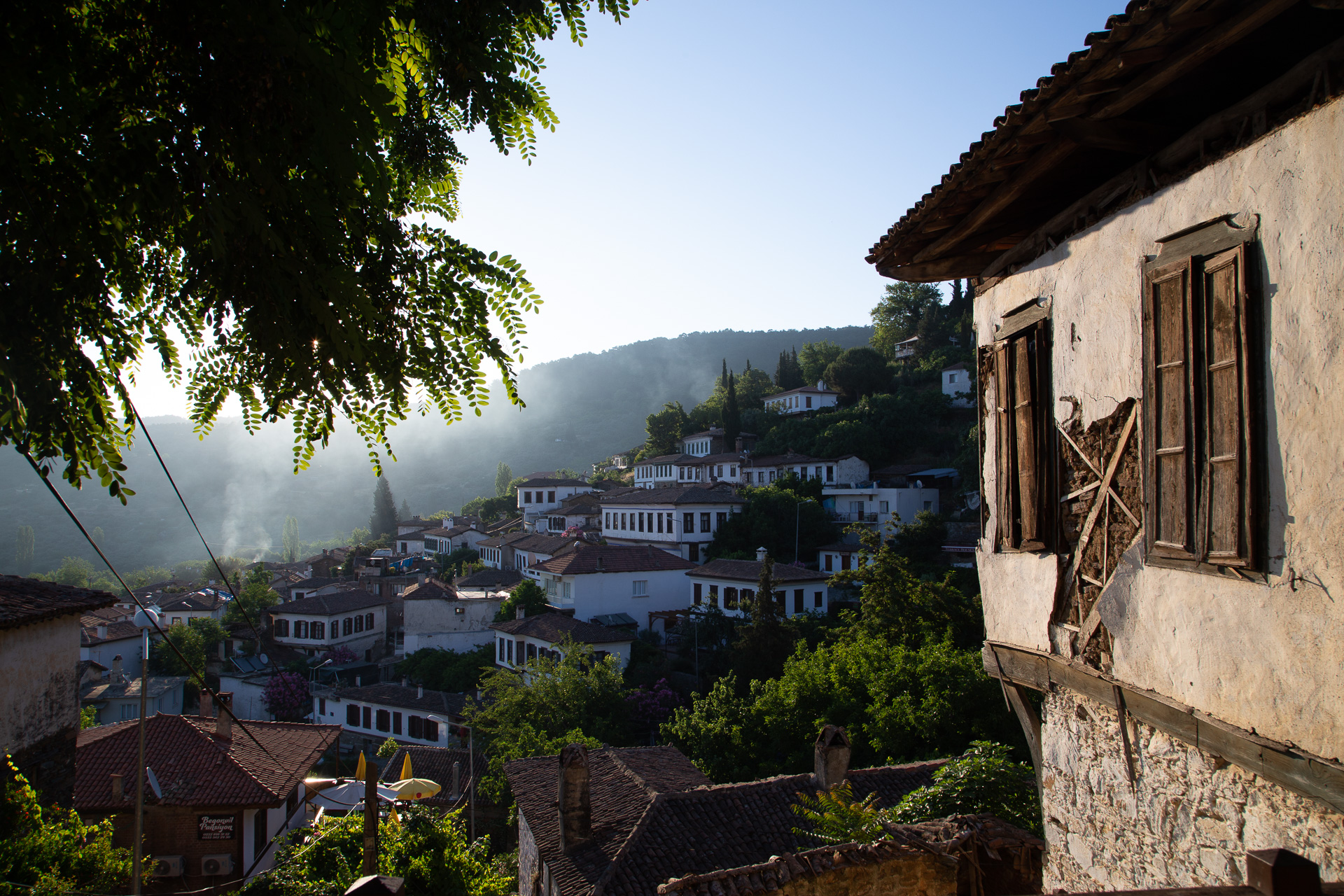
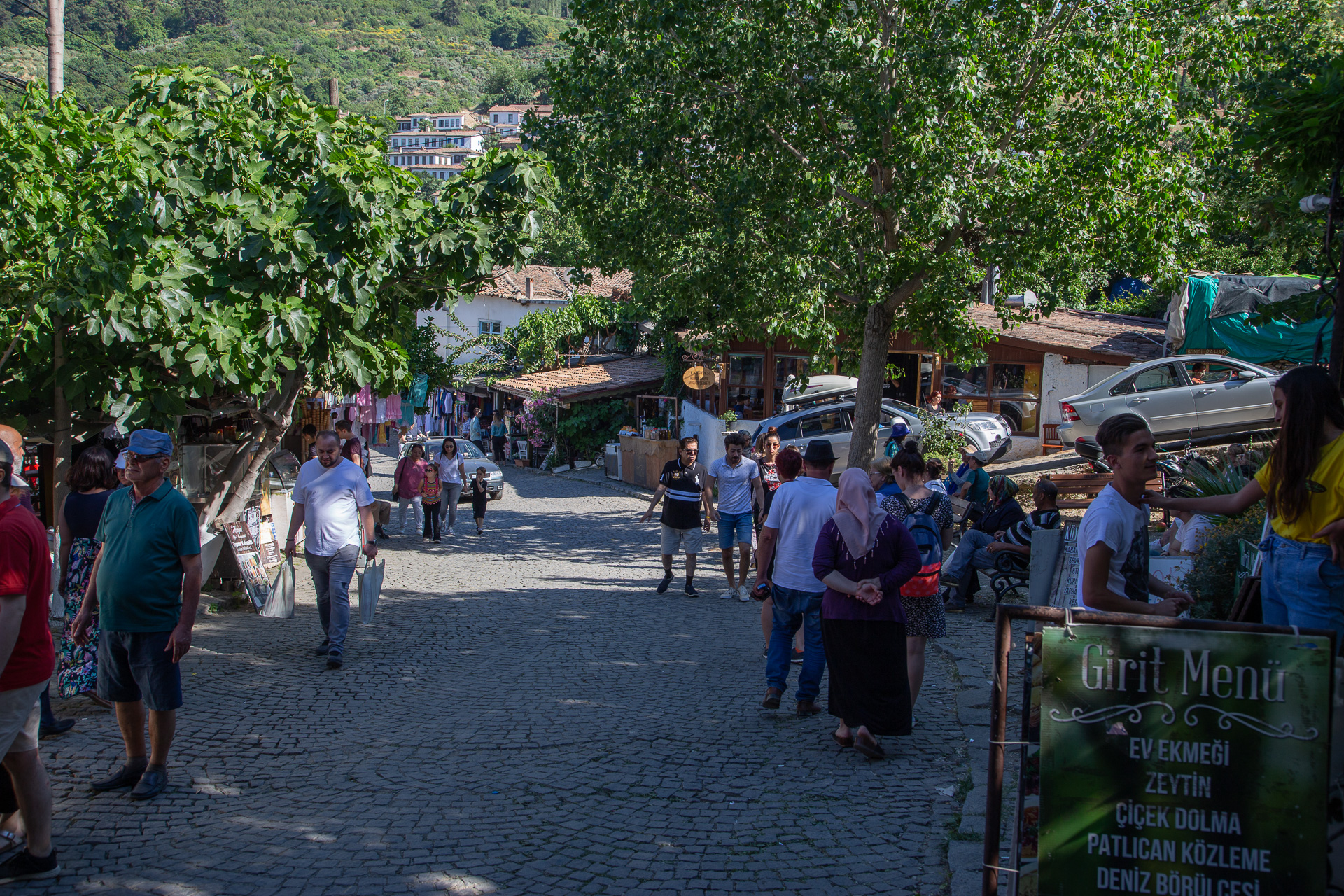
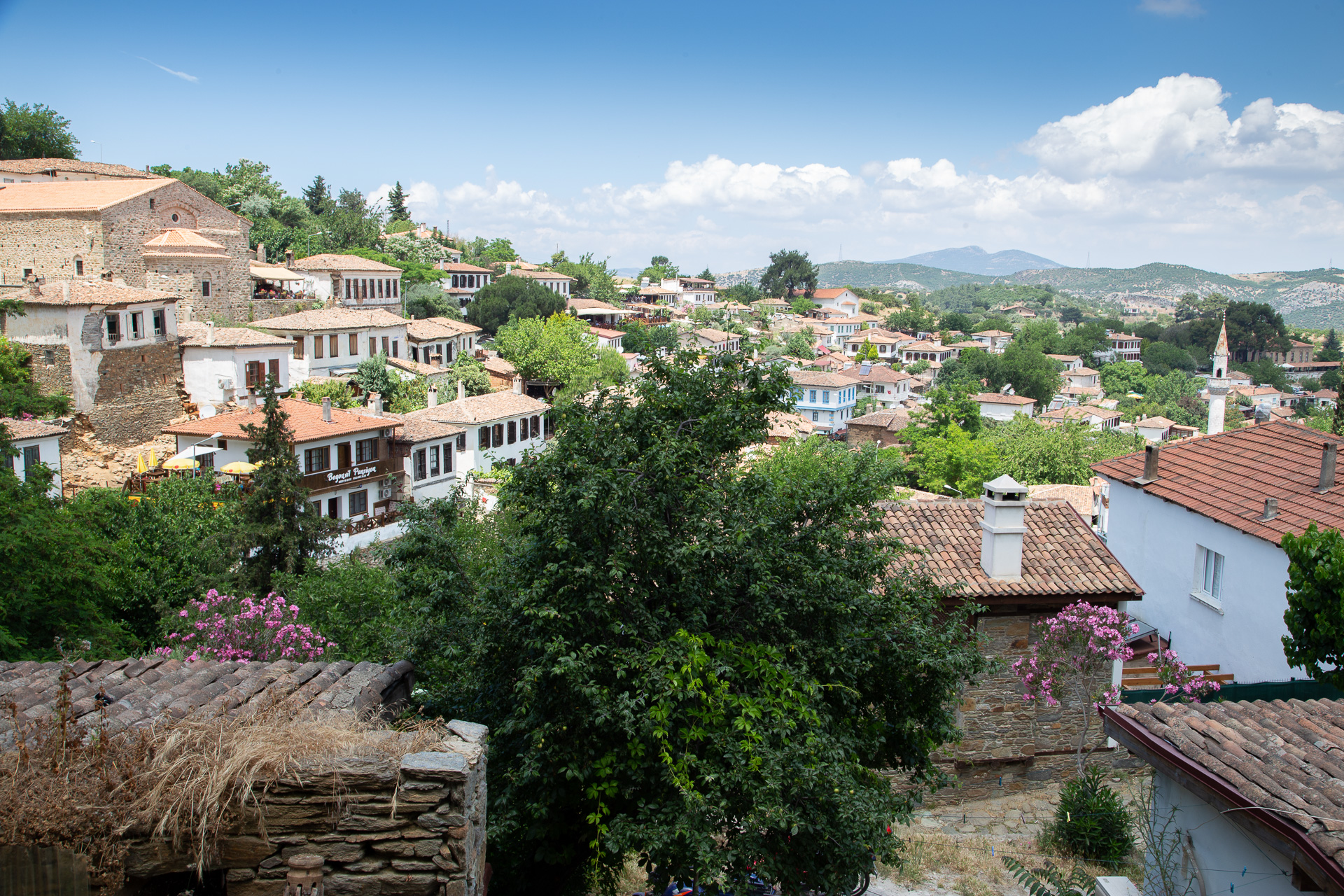
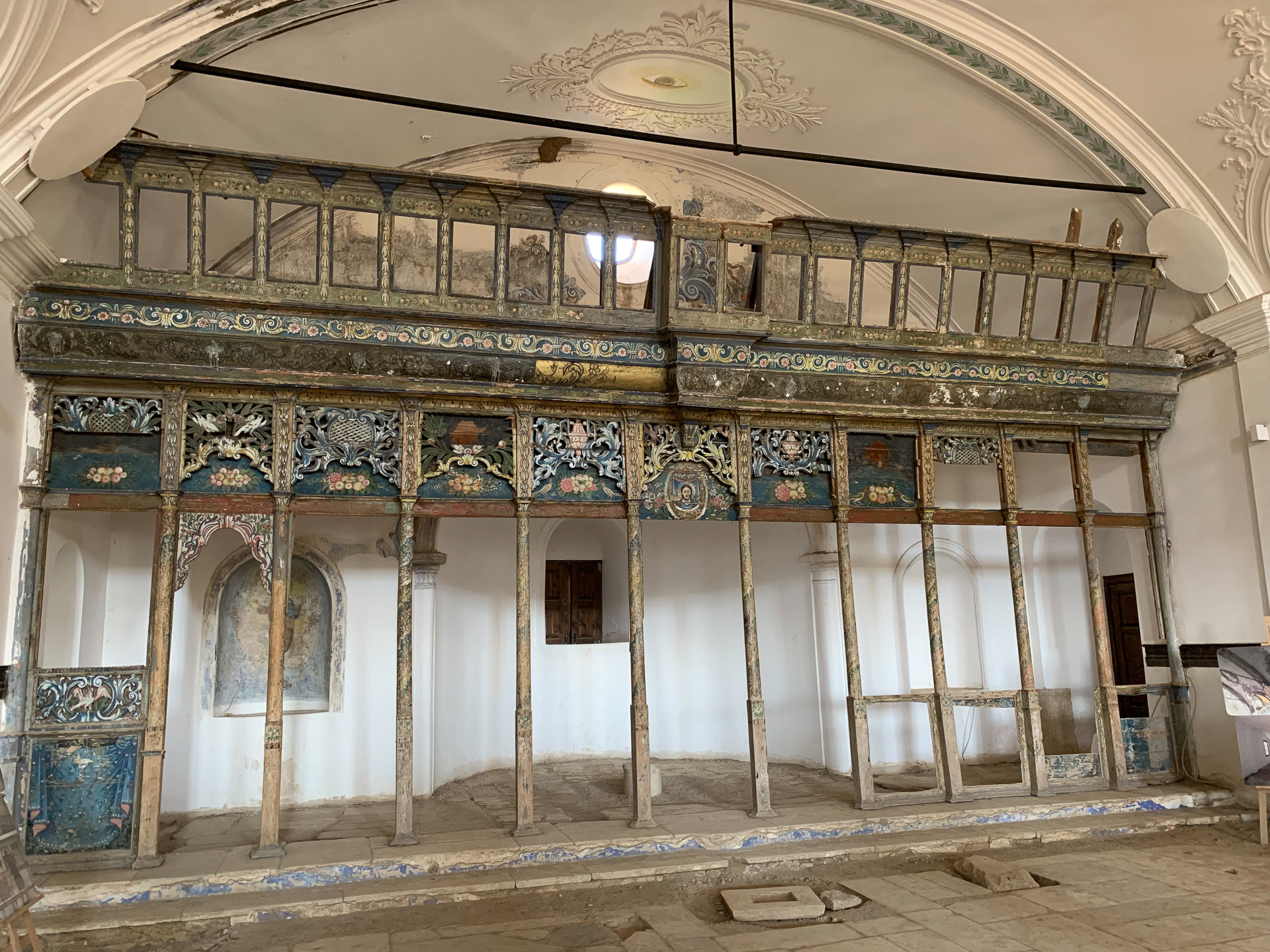
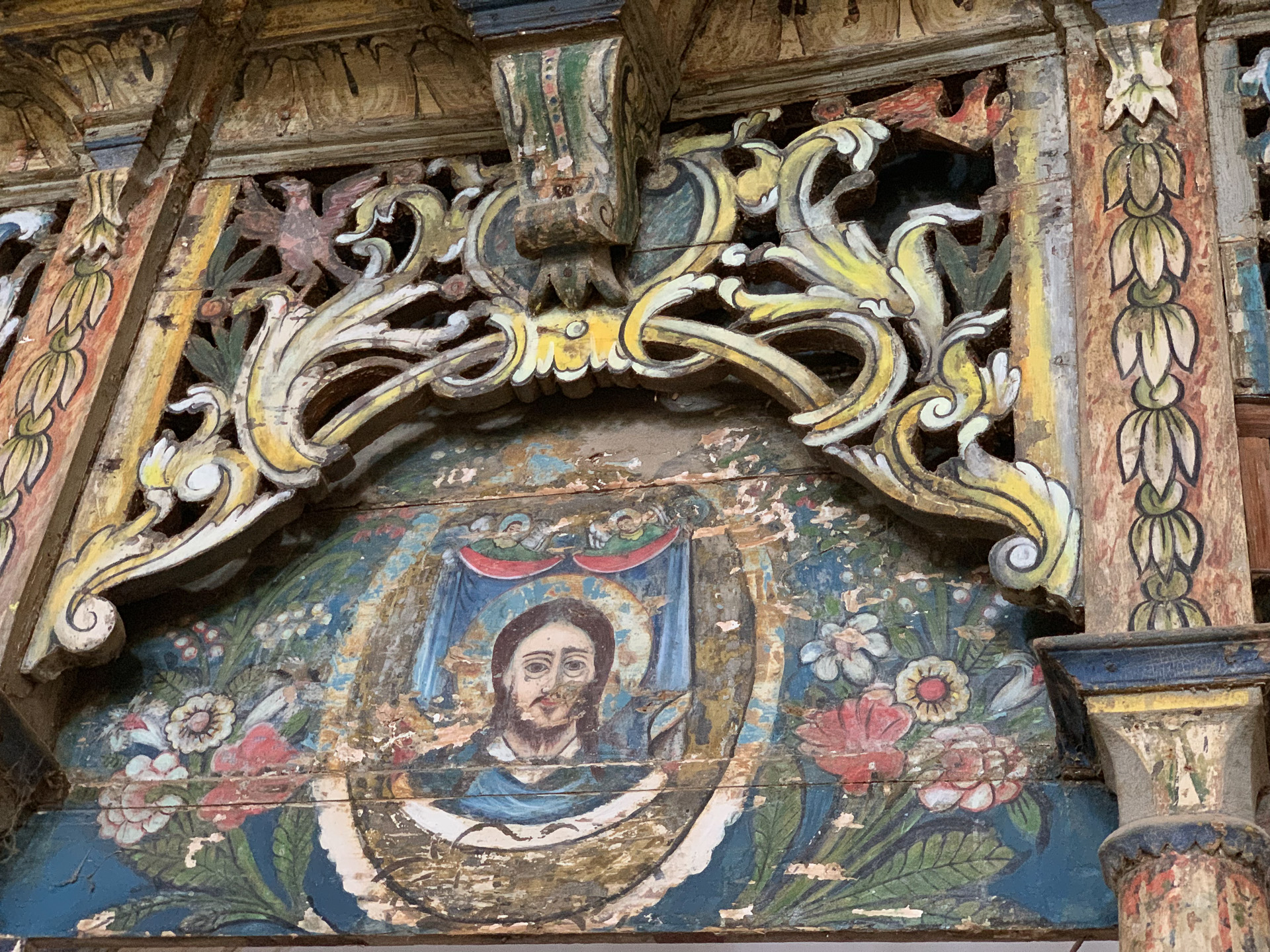
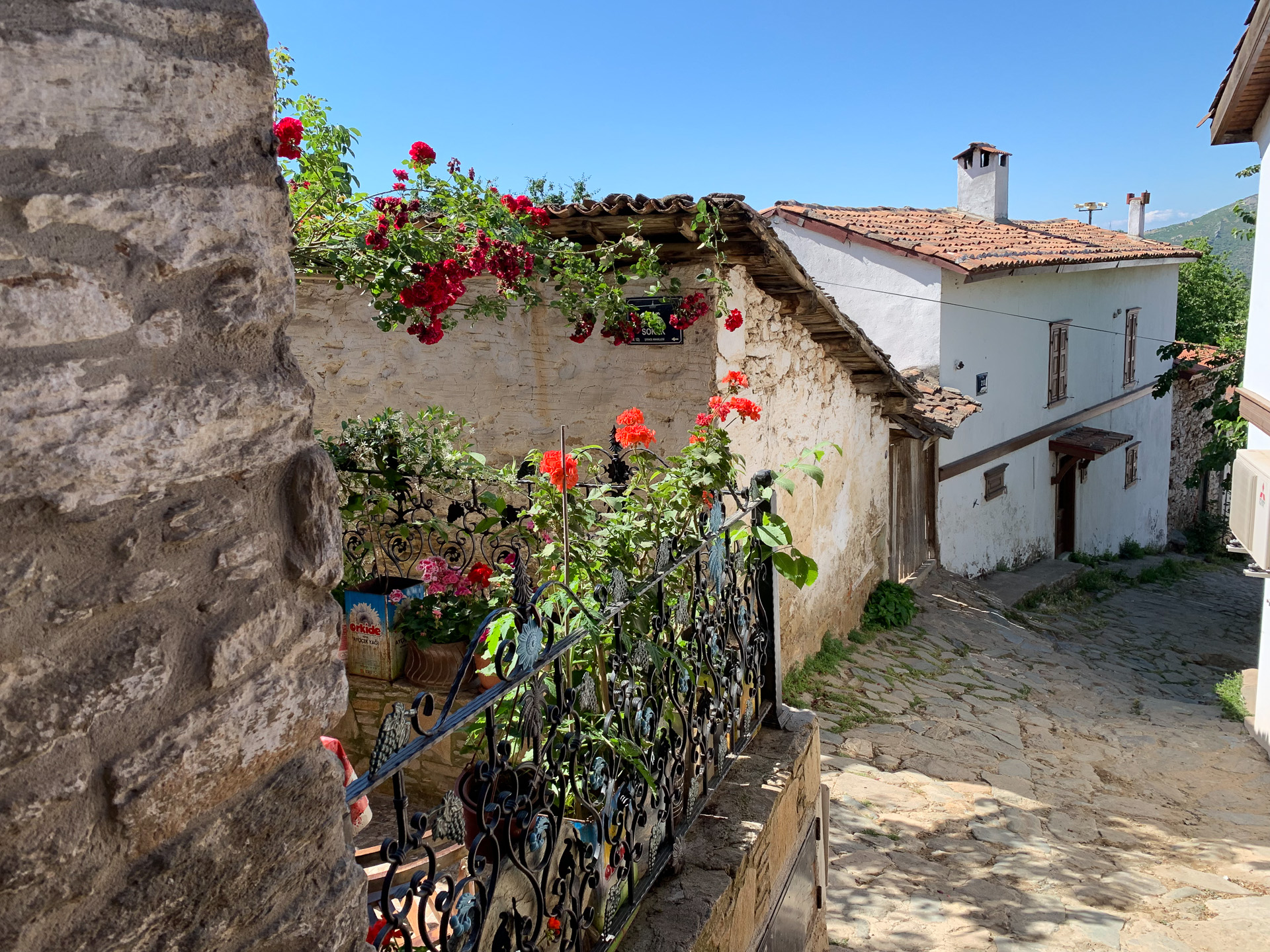
Şirince is one of the very few genuinely beautiful historic villages left in the Western seaboard of Turkey. Almost all houses date from the 19th century or earlier. The hills are covered with olive groves and vineyards, and fringed by pine forest. The inhabitants make wine and olive oil. They produce some of the best peaches in the land.
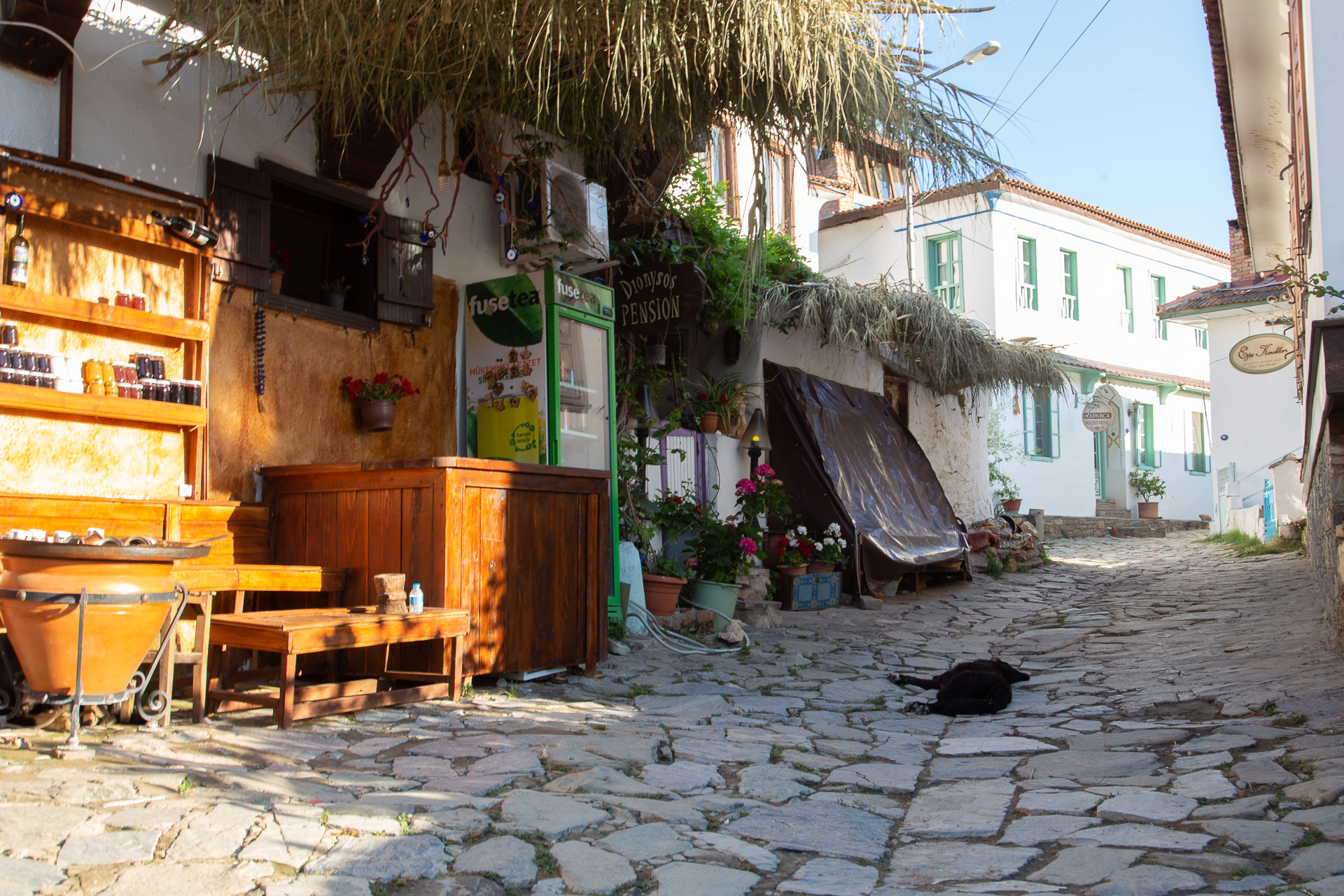
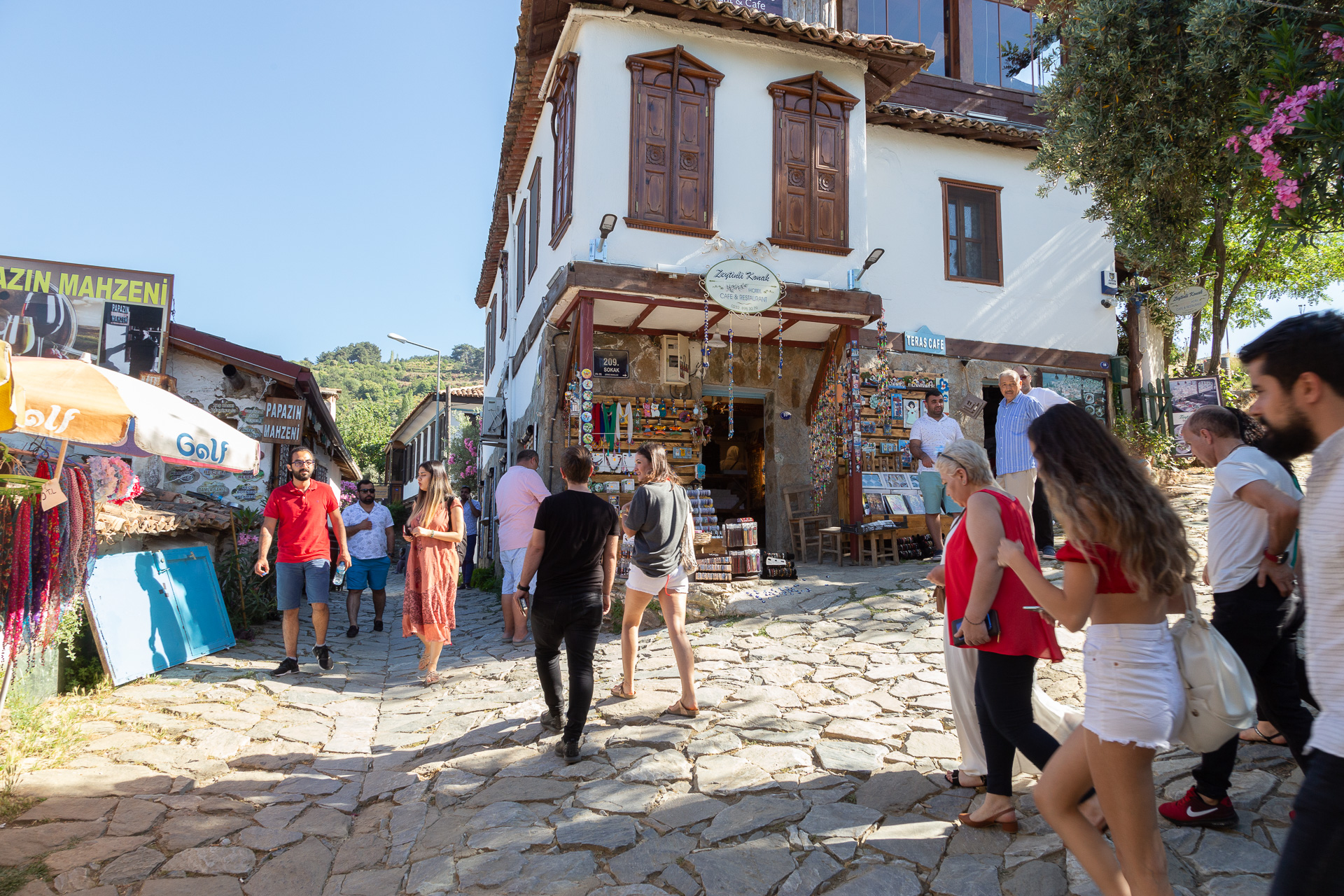
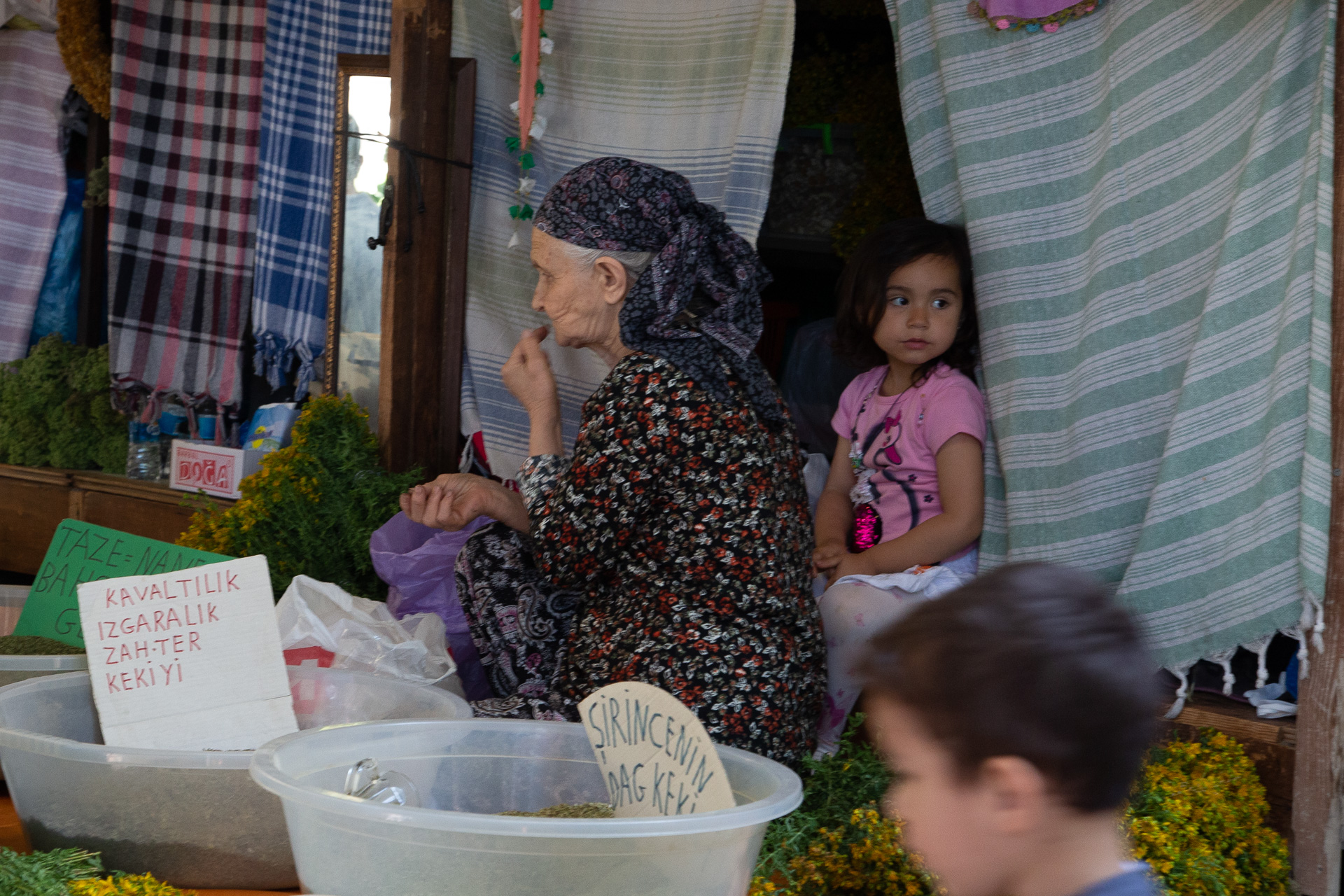
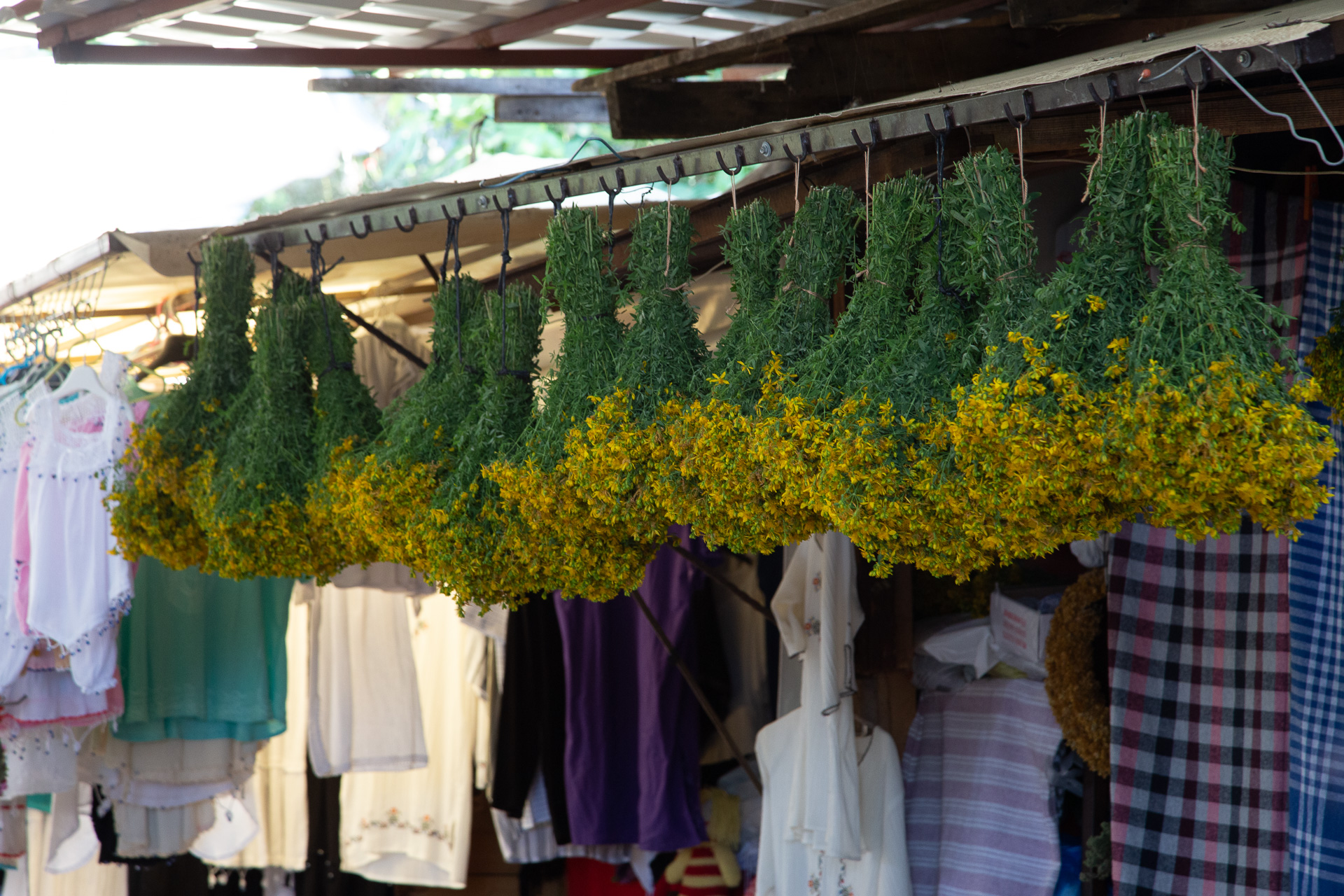
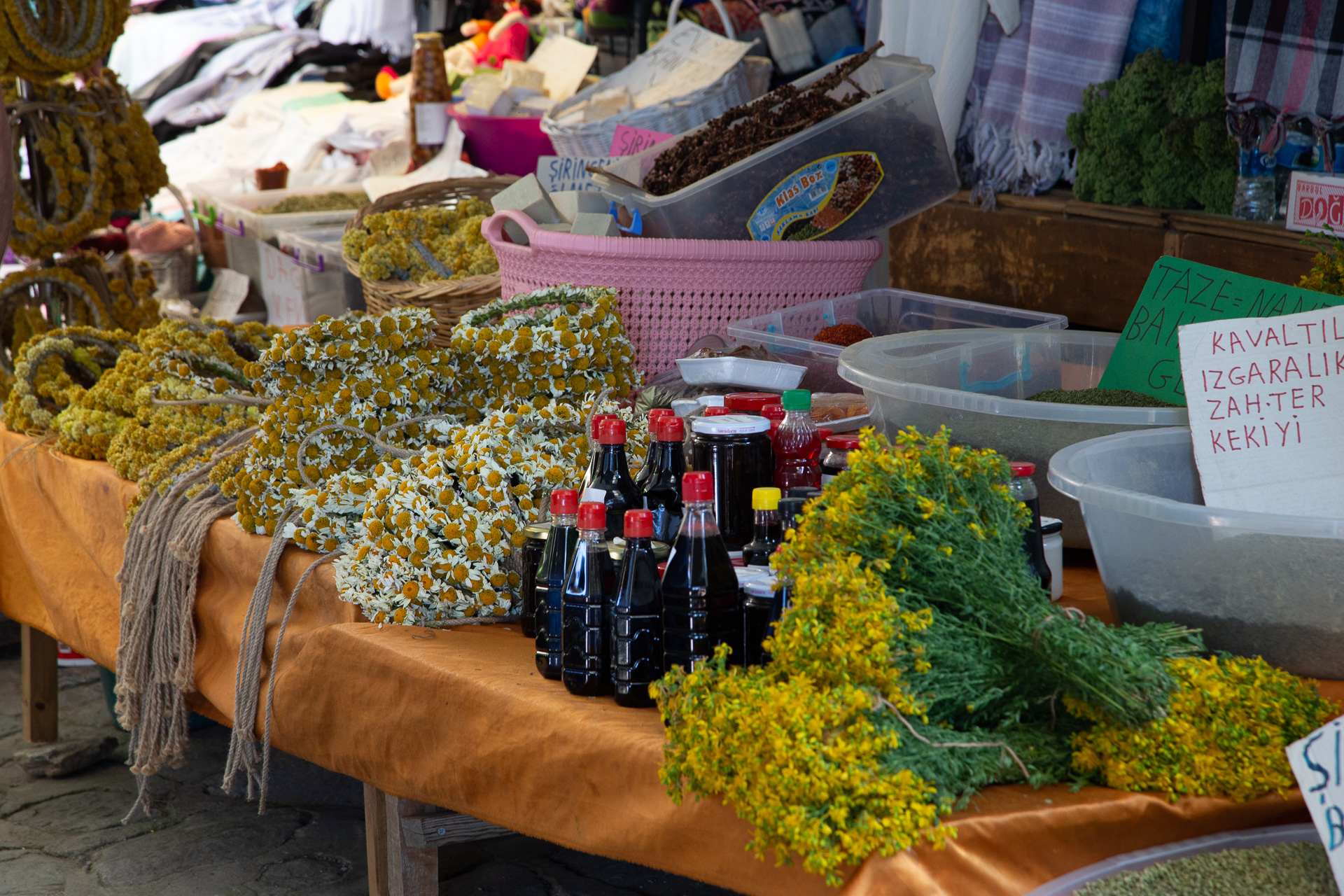
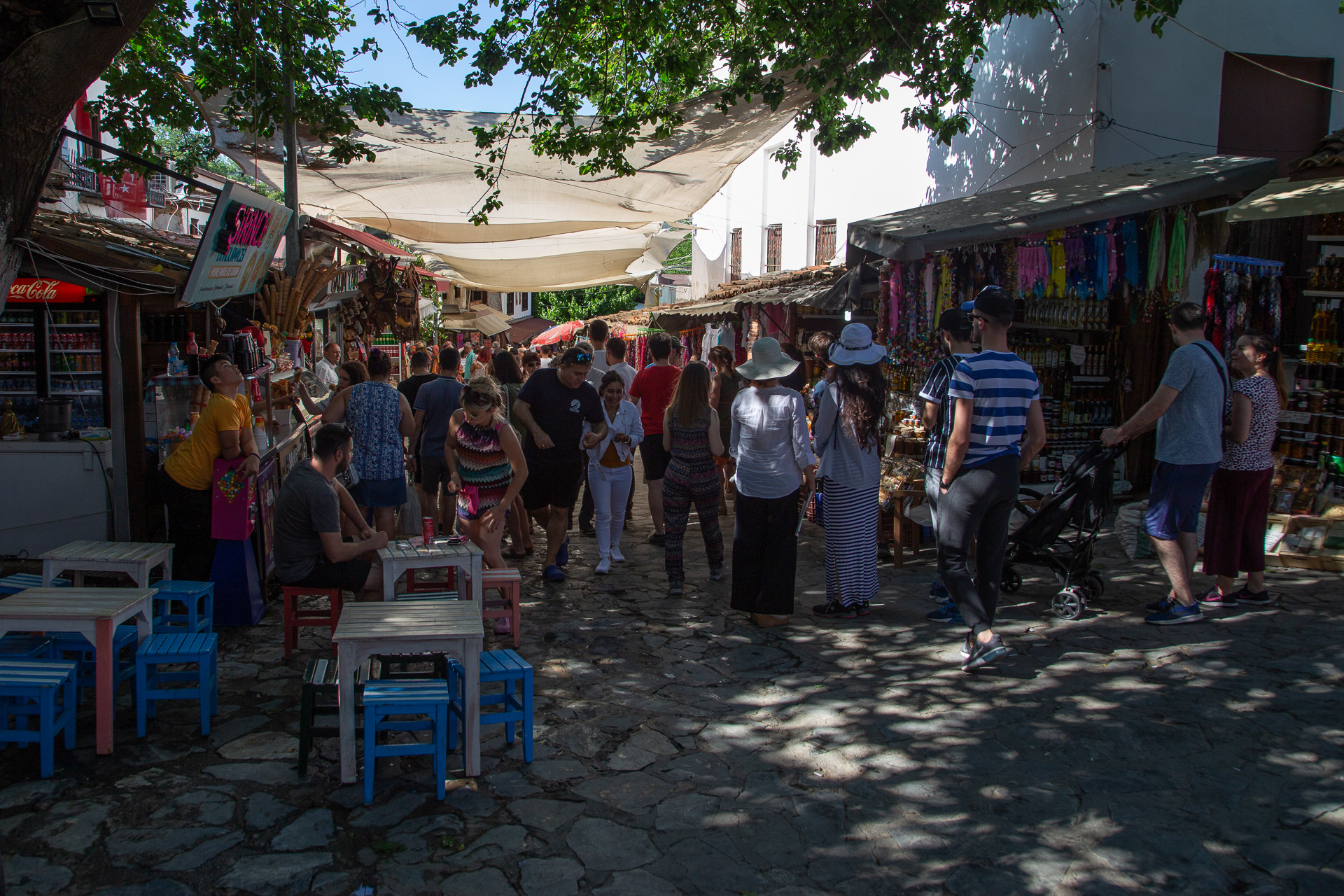
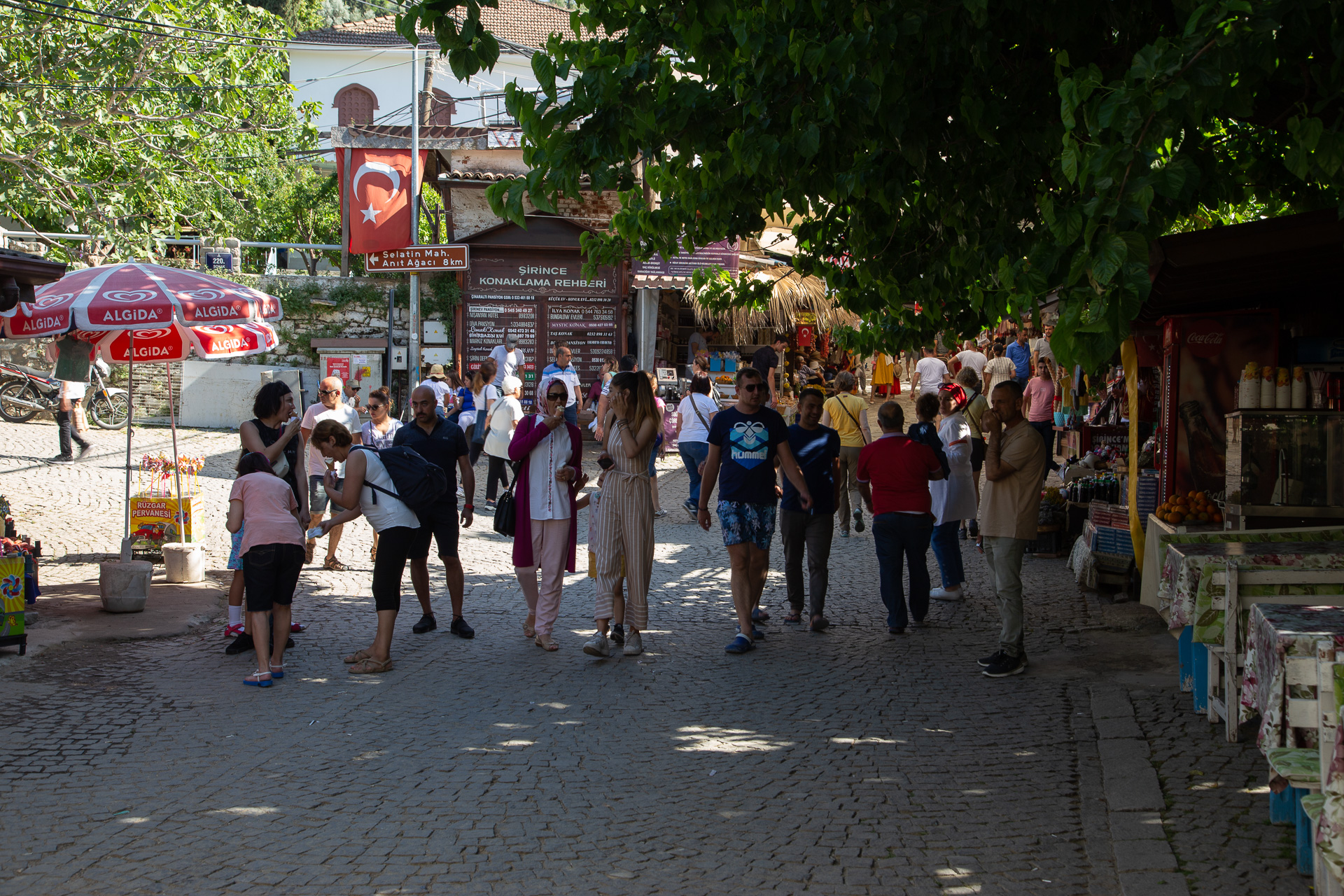
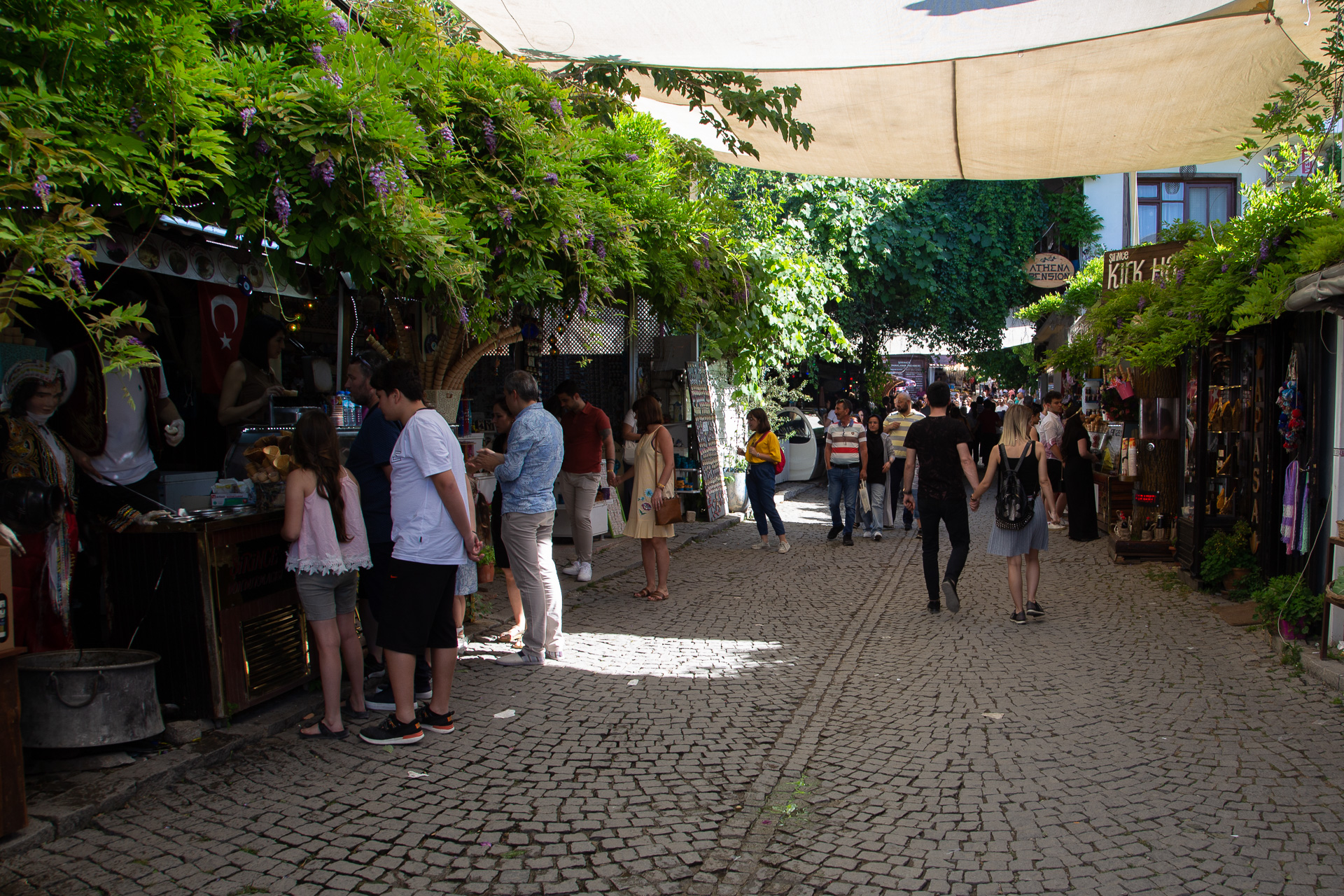
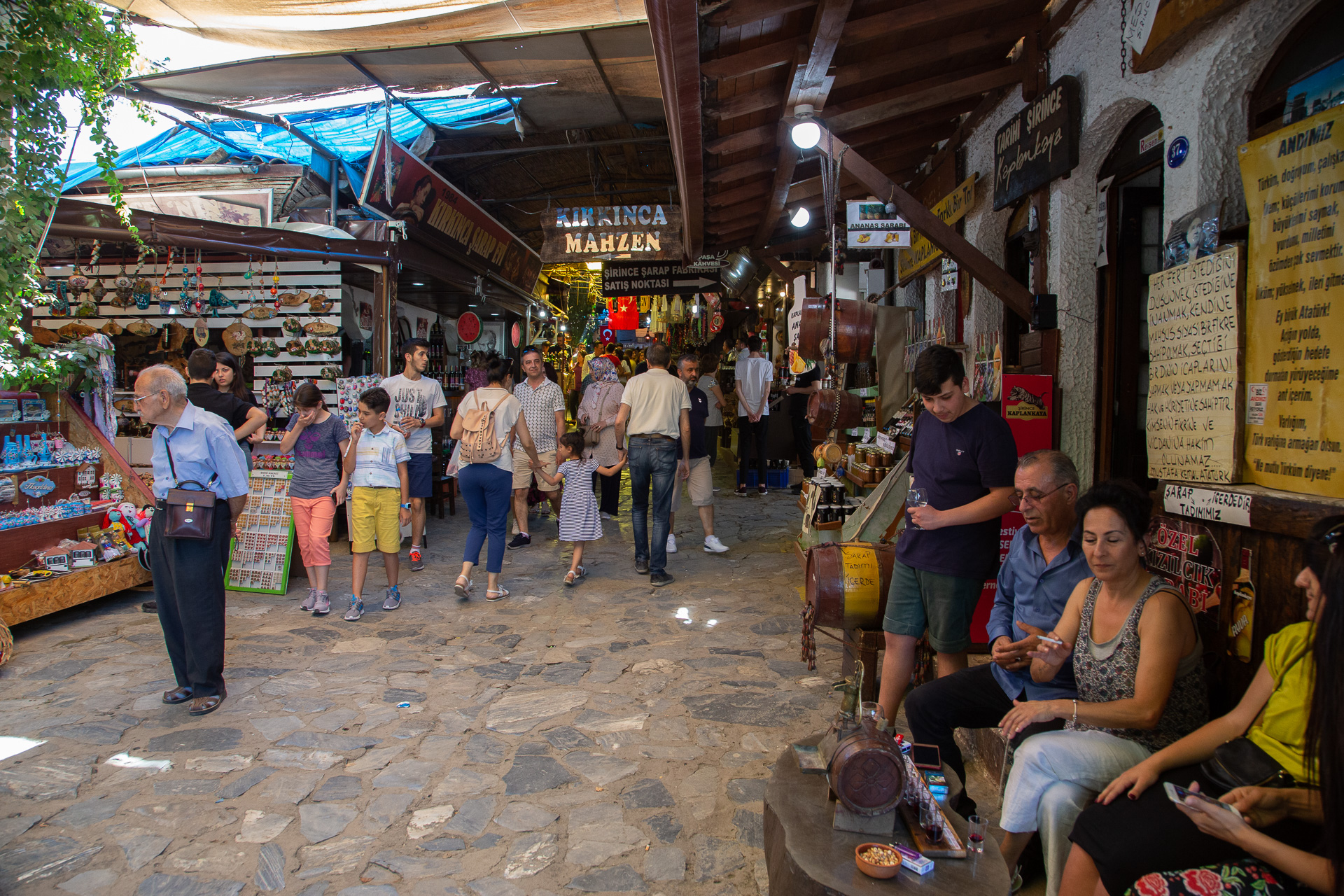
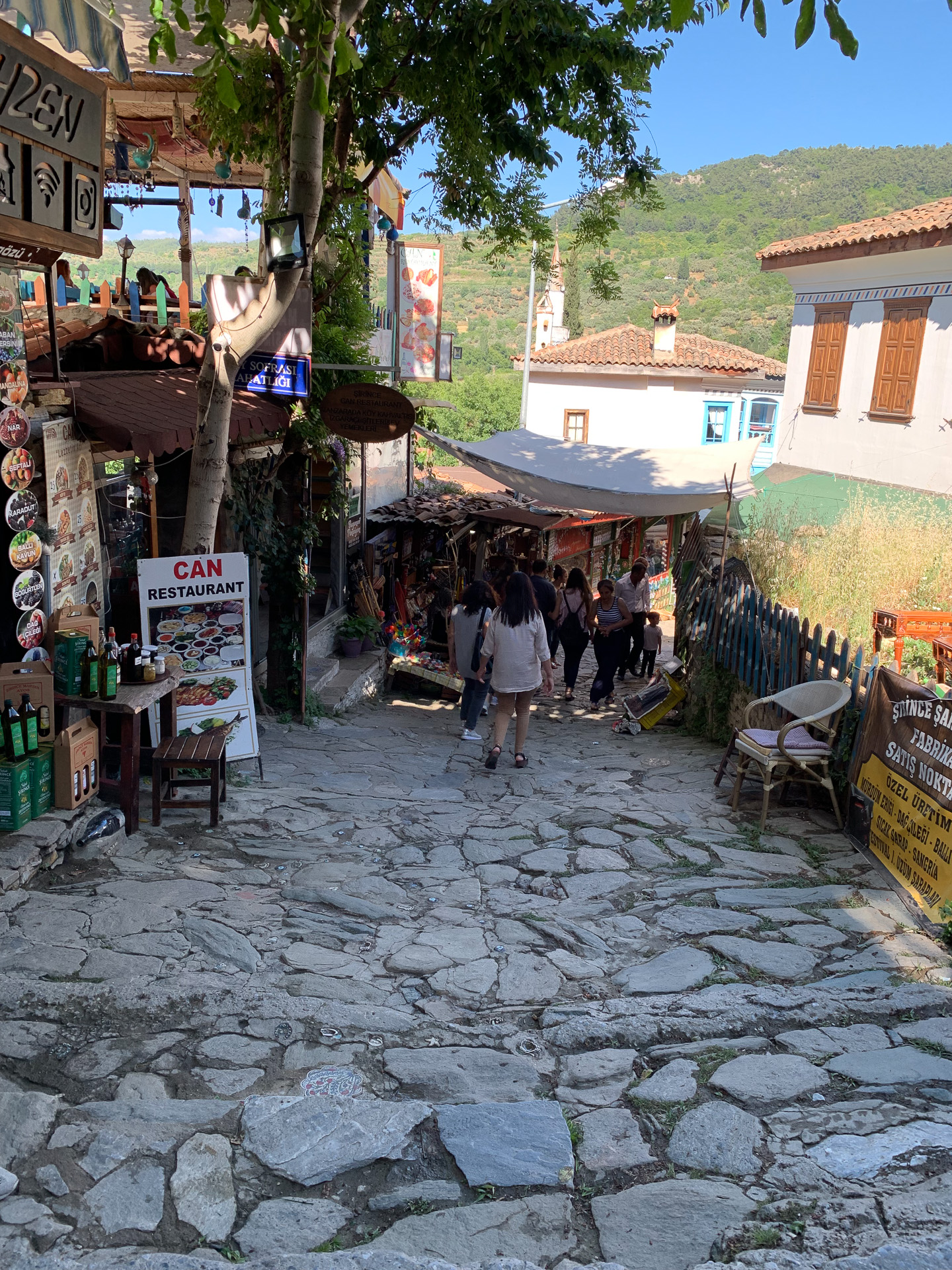
Tourism has unfortunately arrived. It has turned Main Street into souvenir-alley. Nisanyan House is high enough on the hill to stay almost unaffected. We are still woken up in the morning by the cockcrow and donkey bray. The nights remain magically silent.
Name: There is a wiggly tail under the Ş, which changes it into a Sh. The name is pronounced she-RIN-jay. It means Prettytown. The town had a different name until the 1930’s, when a governor of Izmir Province got into his mind to prettify it.
Facts and Figures: The village has 650 people, 35 donkeys and a dwindling number of goats. The average altitude is 350 metres (1000 feet) from sea level. Nisanyan Hotel is at 402 metres. That means reasonably cool nights in hottest summer. And high heating bills in winter.
Mujda was a real character and always ready to chat. We learned that her first husband (now living in Greece) had spent over 3 years in prison for criticising the authorities planning regime while they were trying to renovate and establish the hotel. He built a tower in protest. As you do.
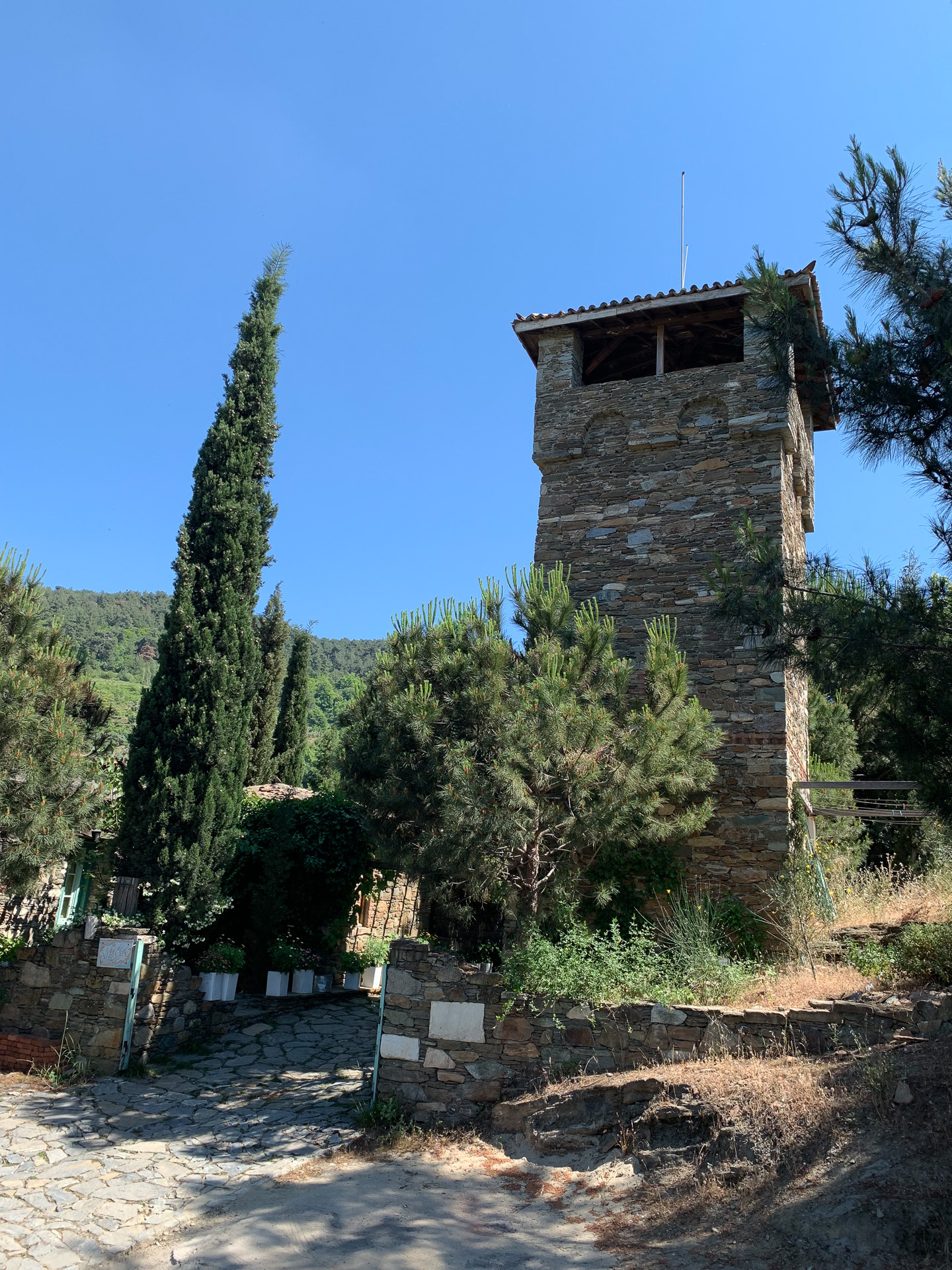

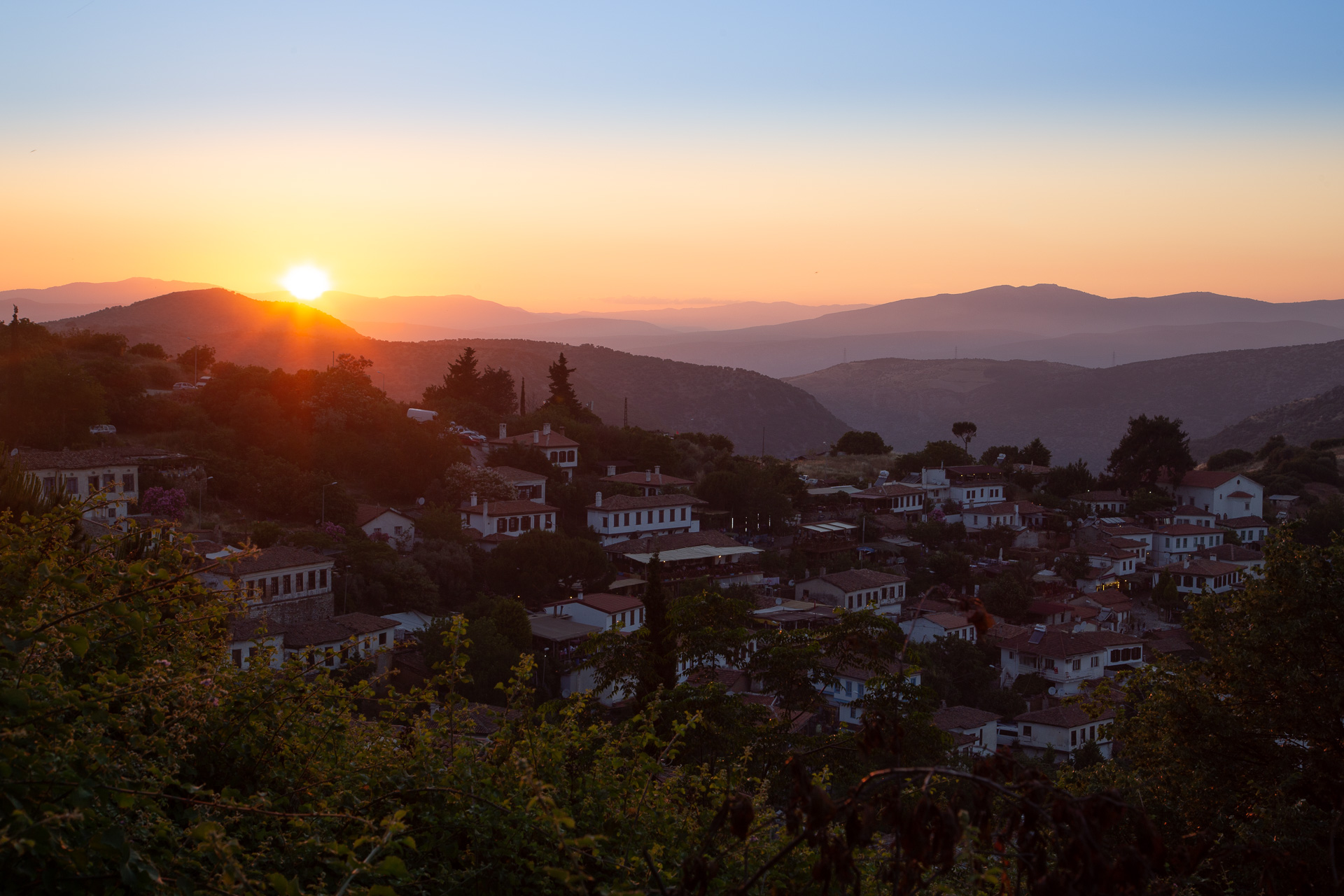
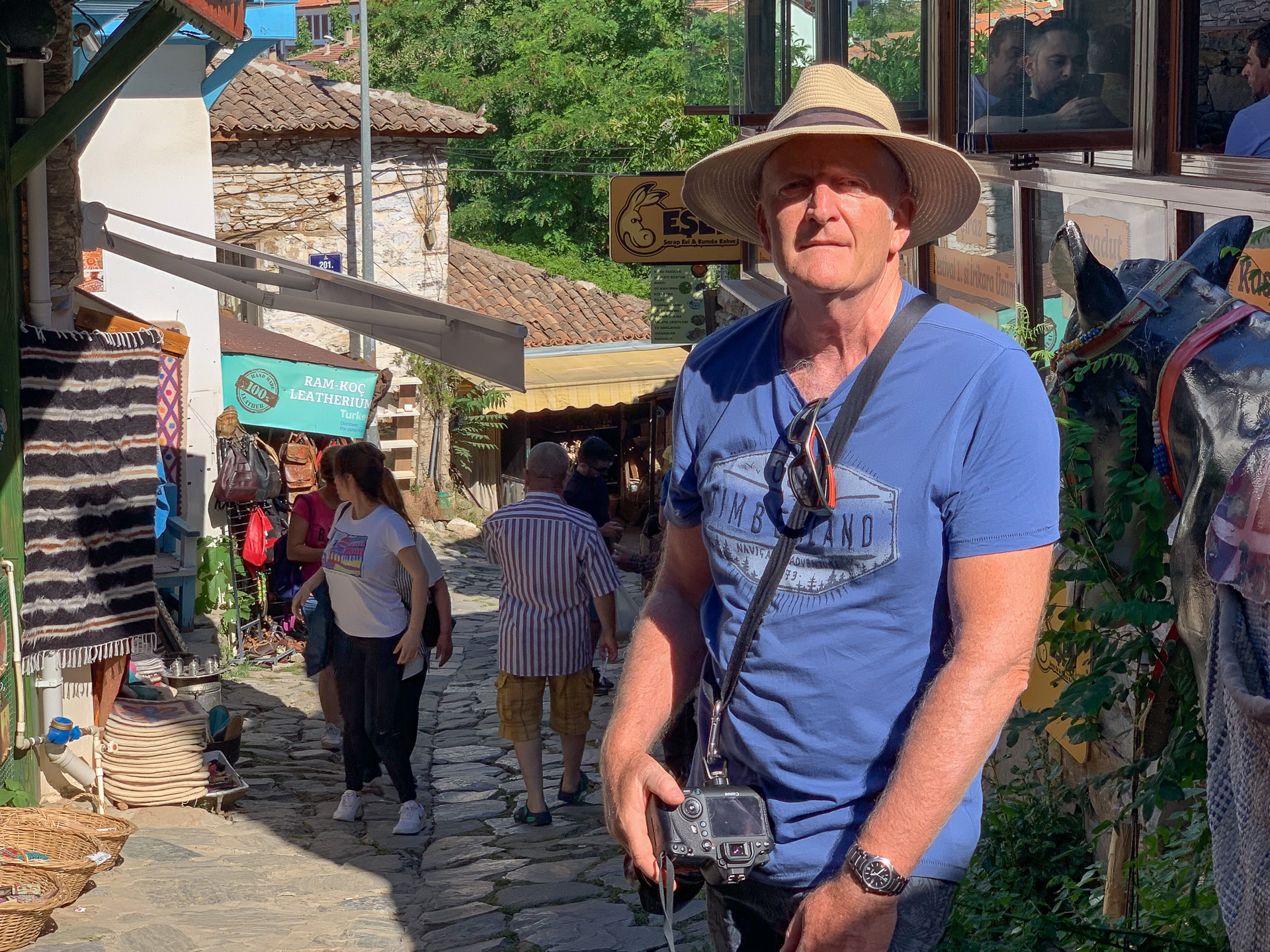
We loved Şirince. Fabulous food and spectacular sunsets from the hotel restaurant. The old village was delightful – once the tour busses had departed and the souvenir shops closed.
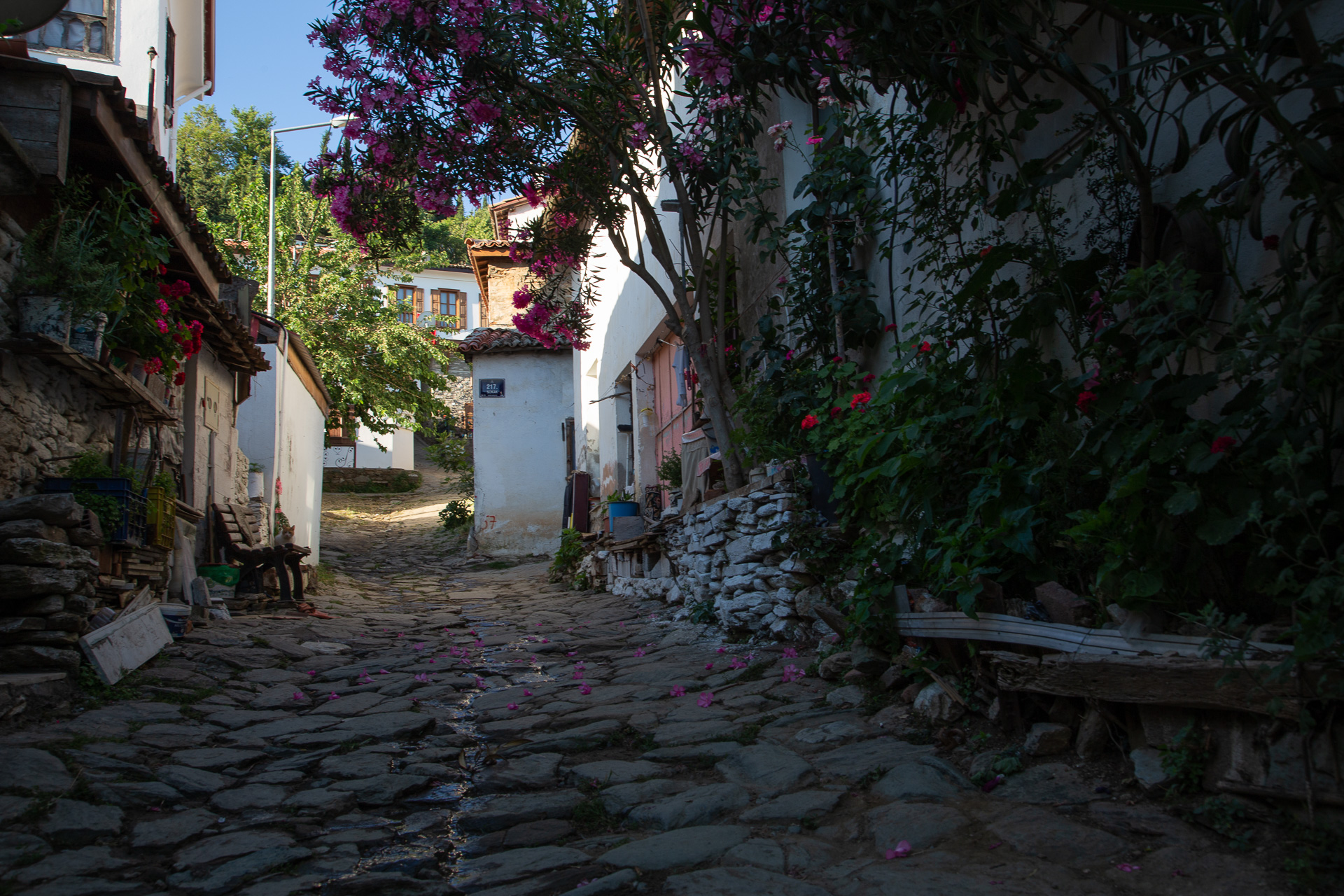
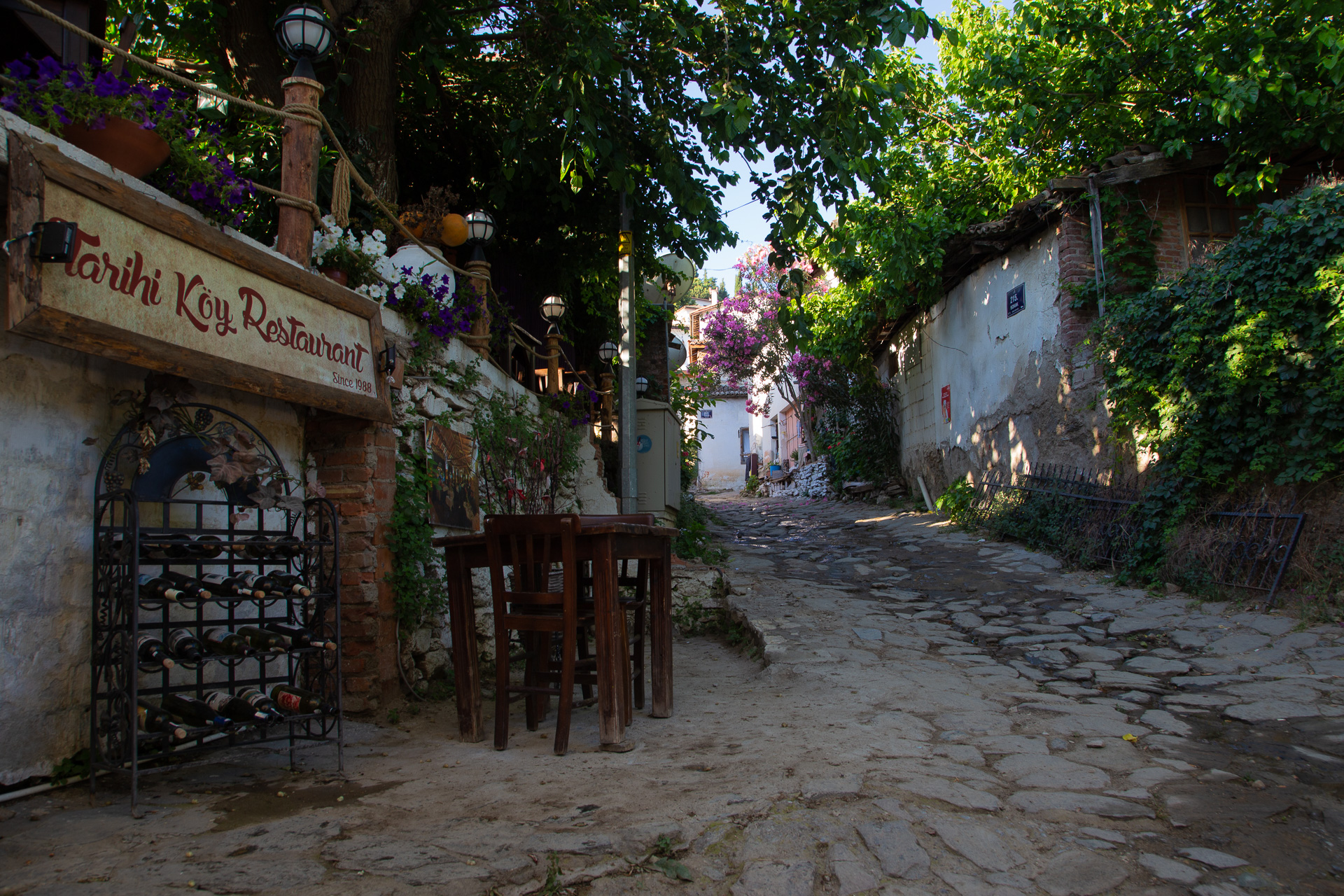
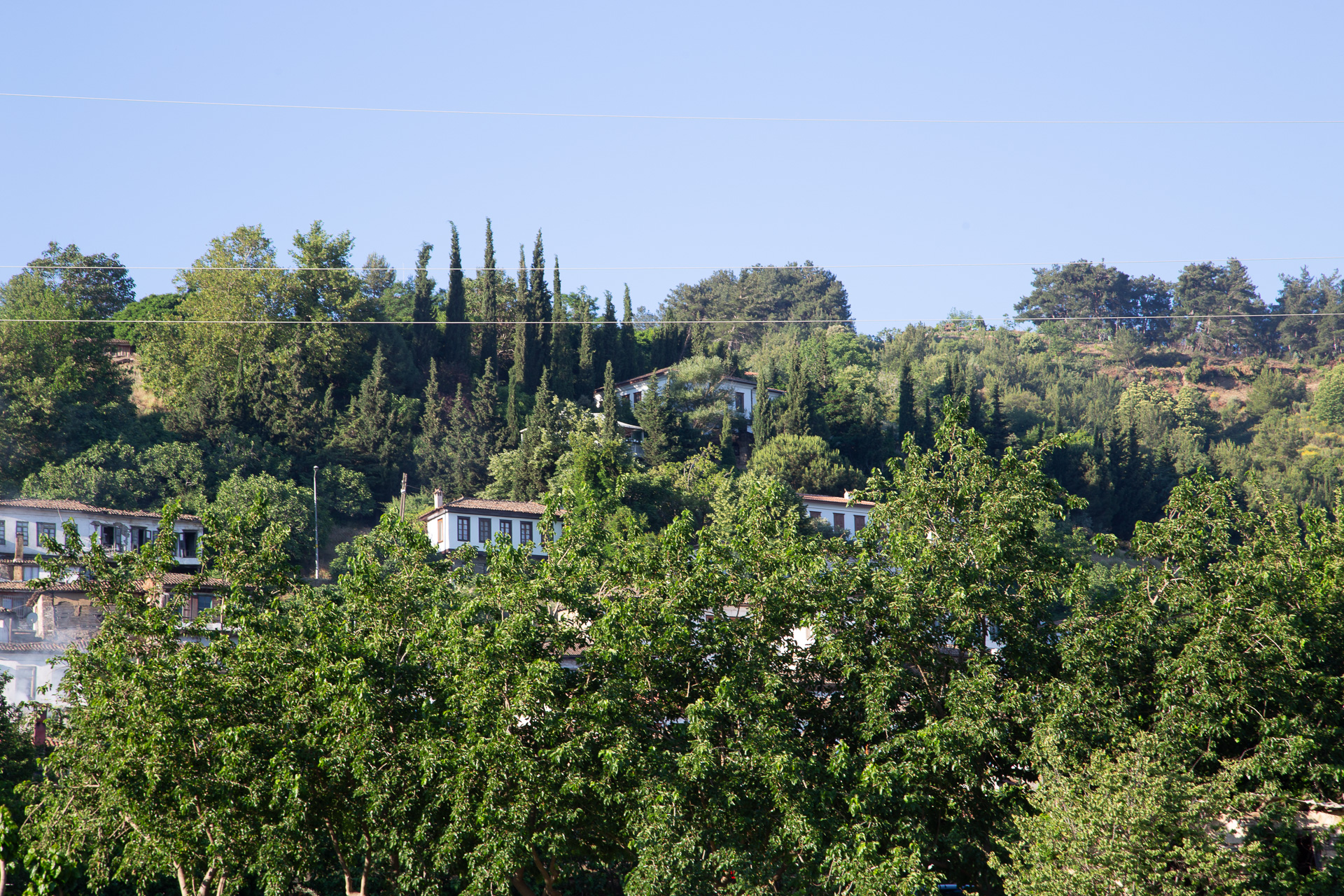



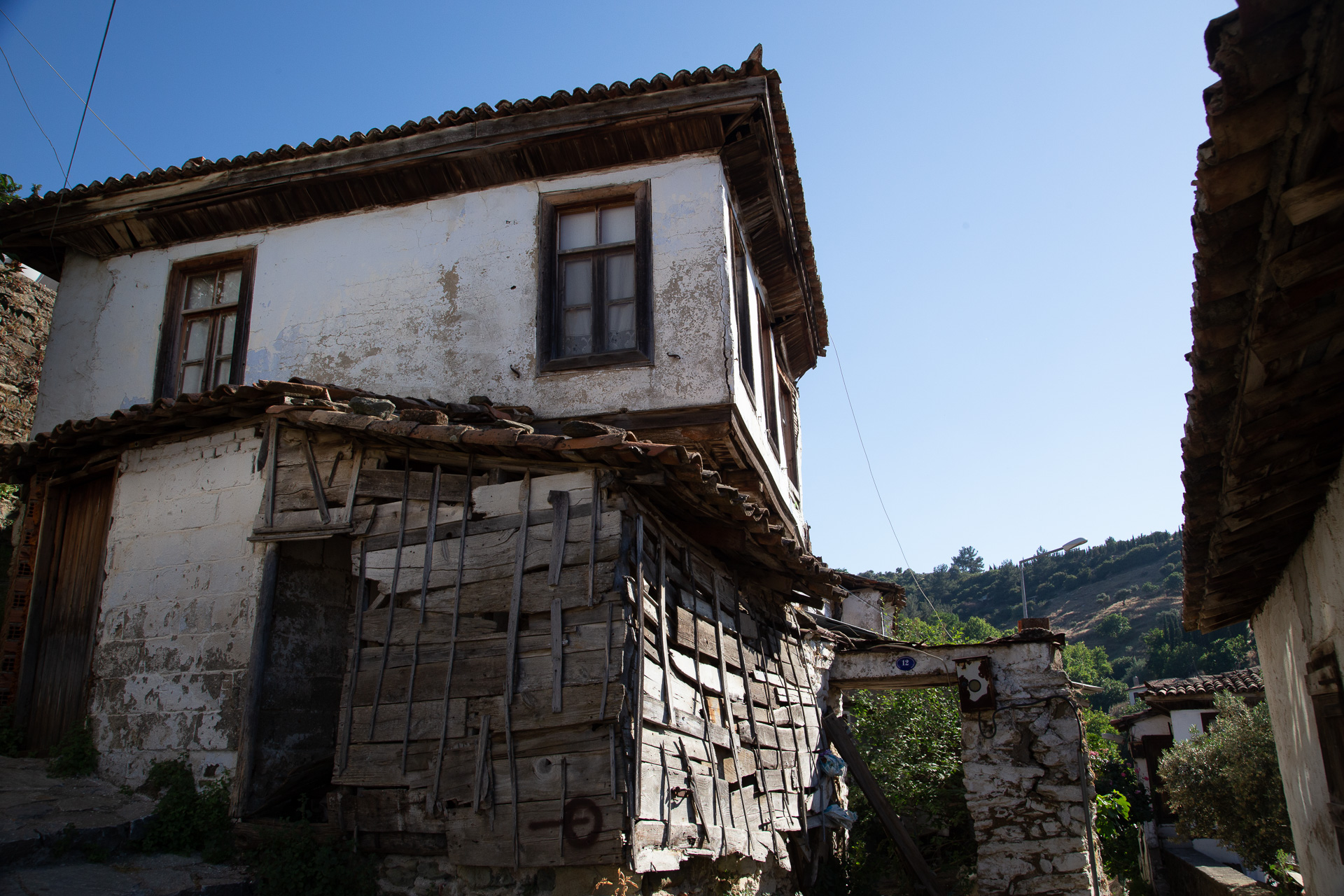
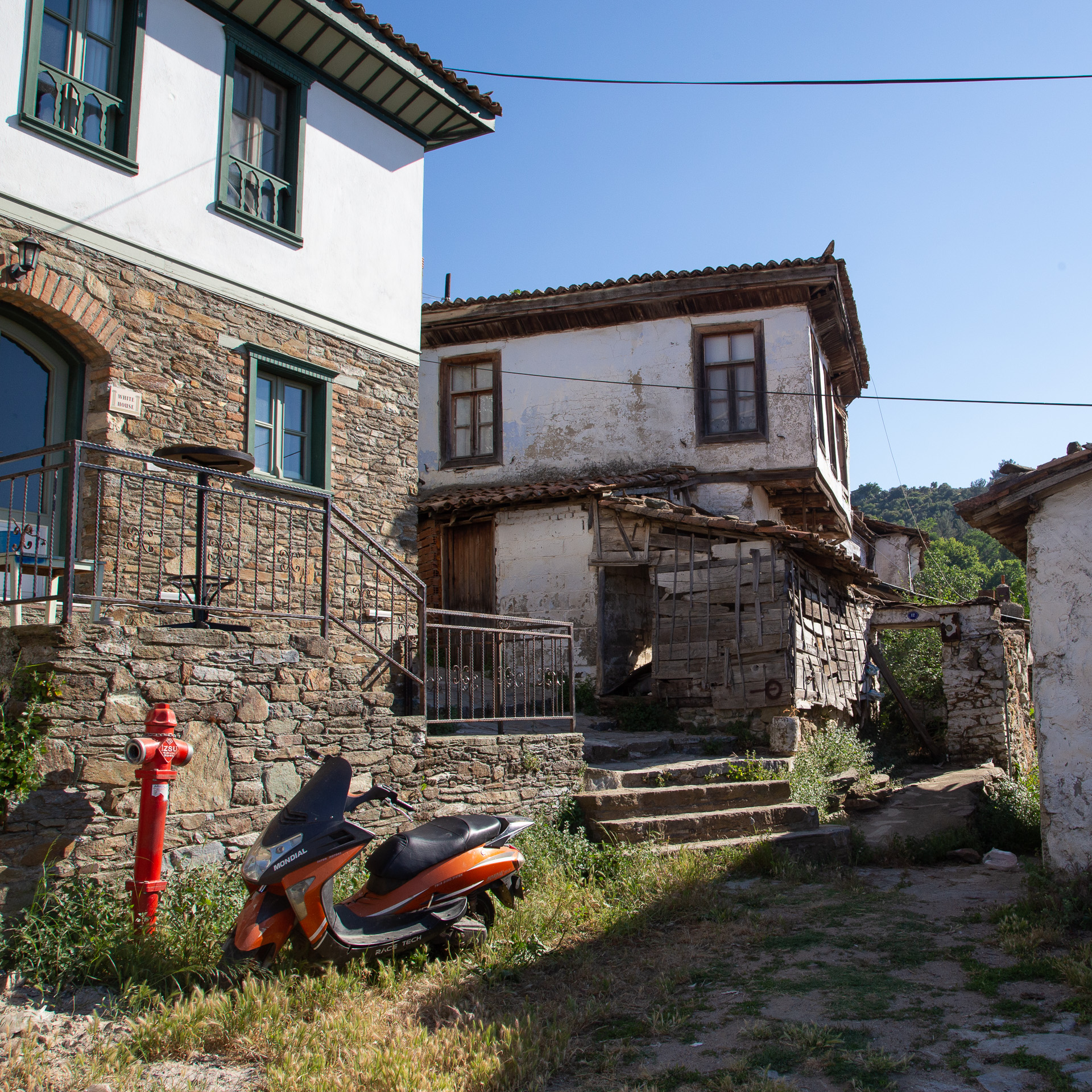
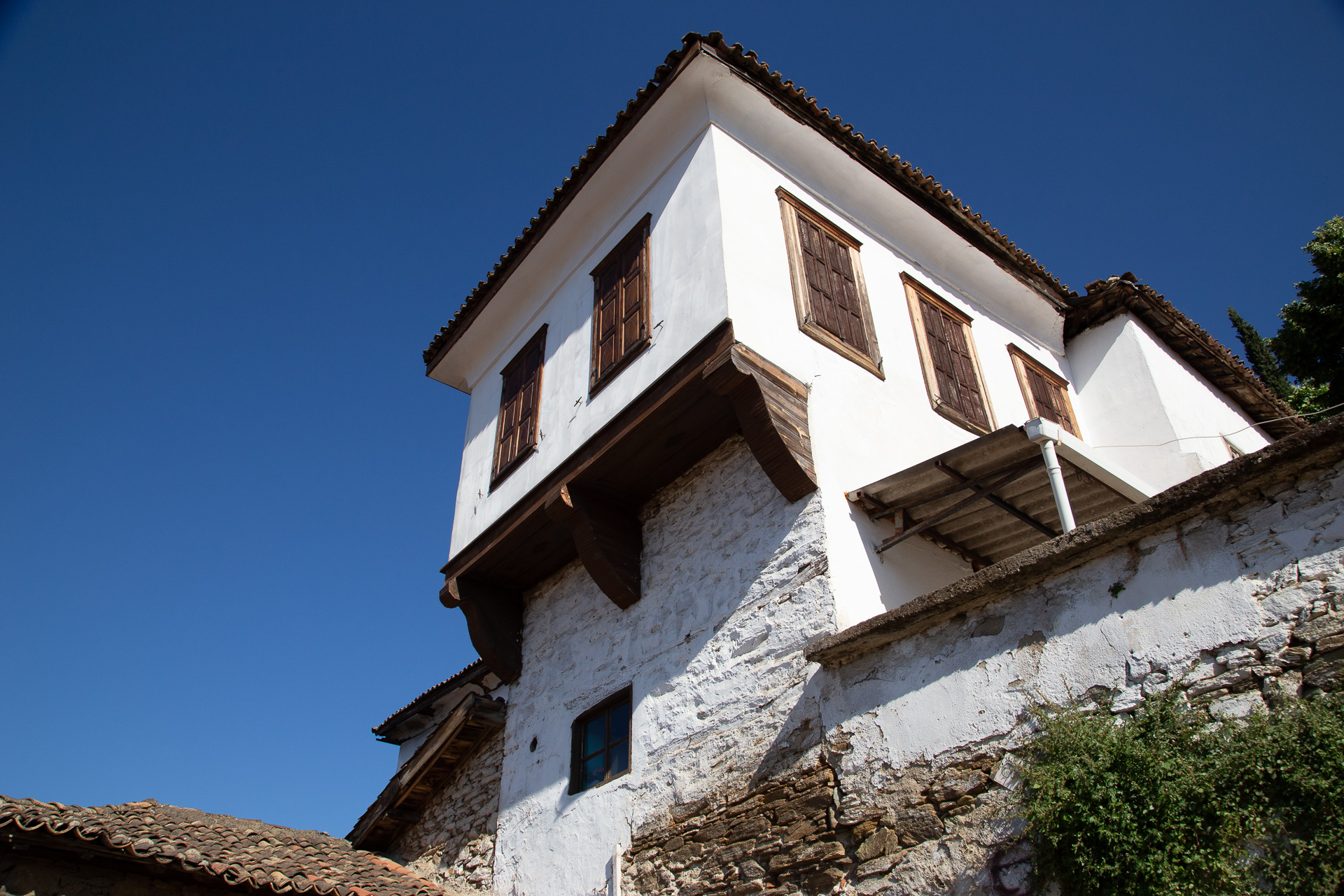
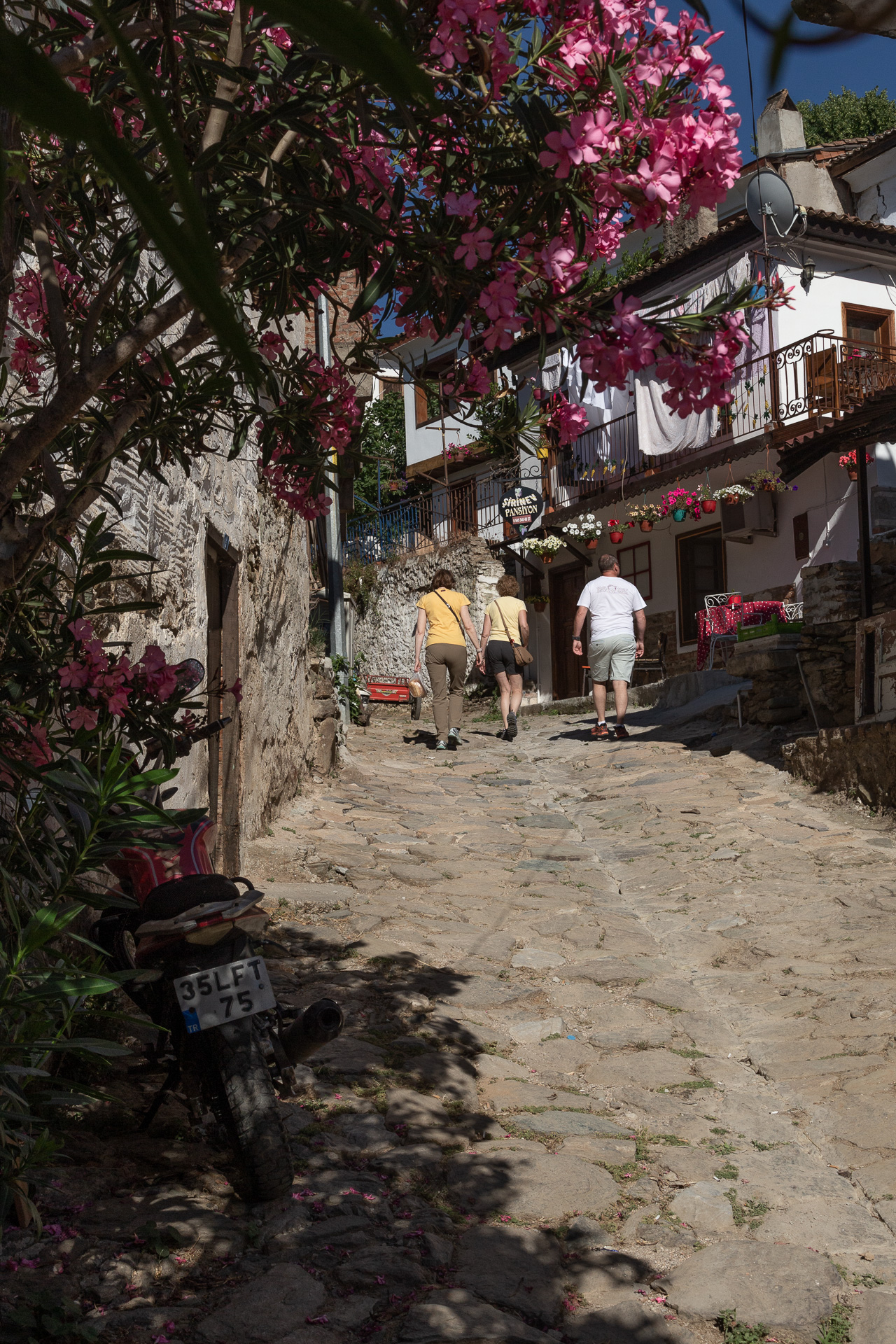
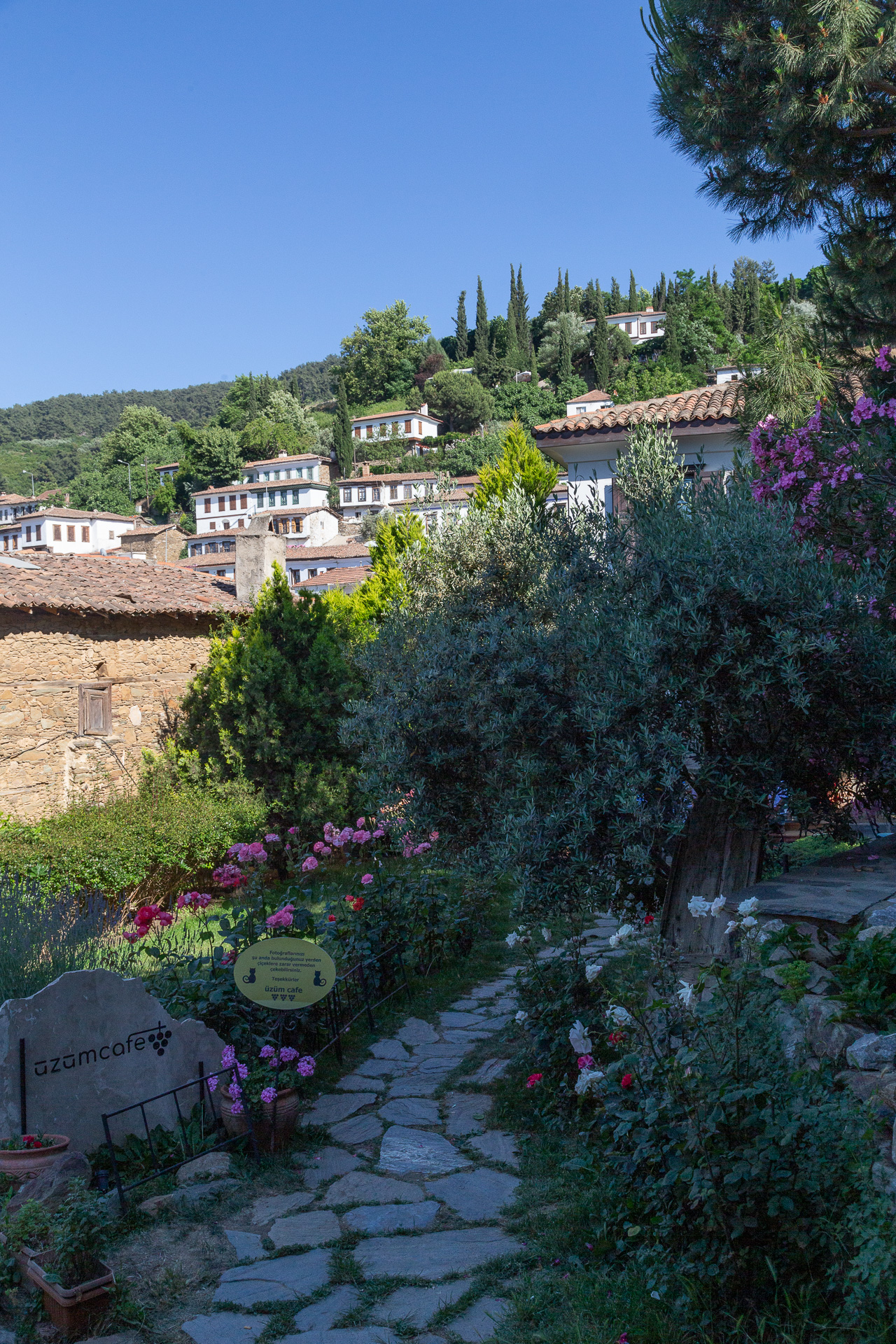
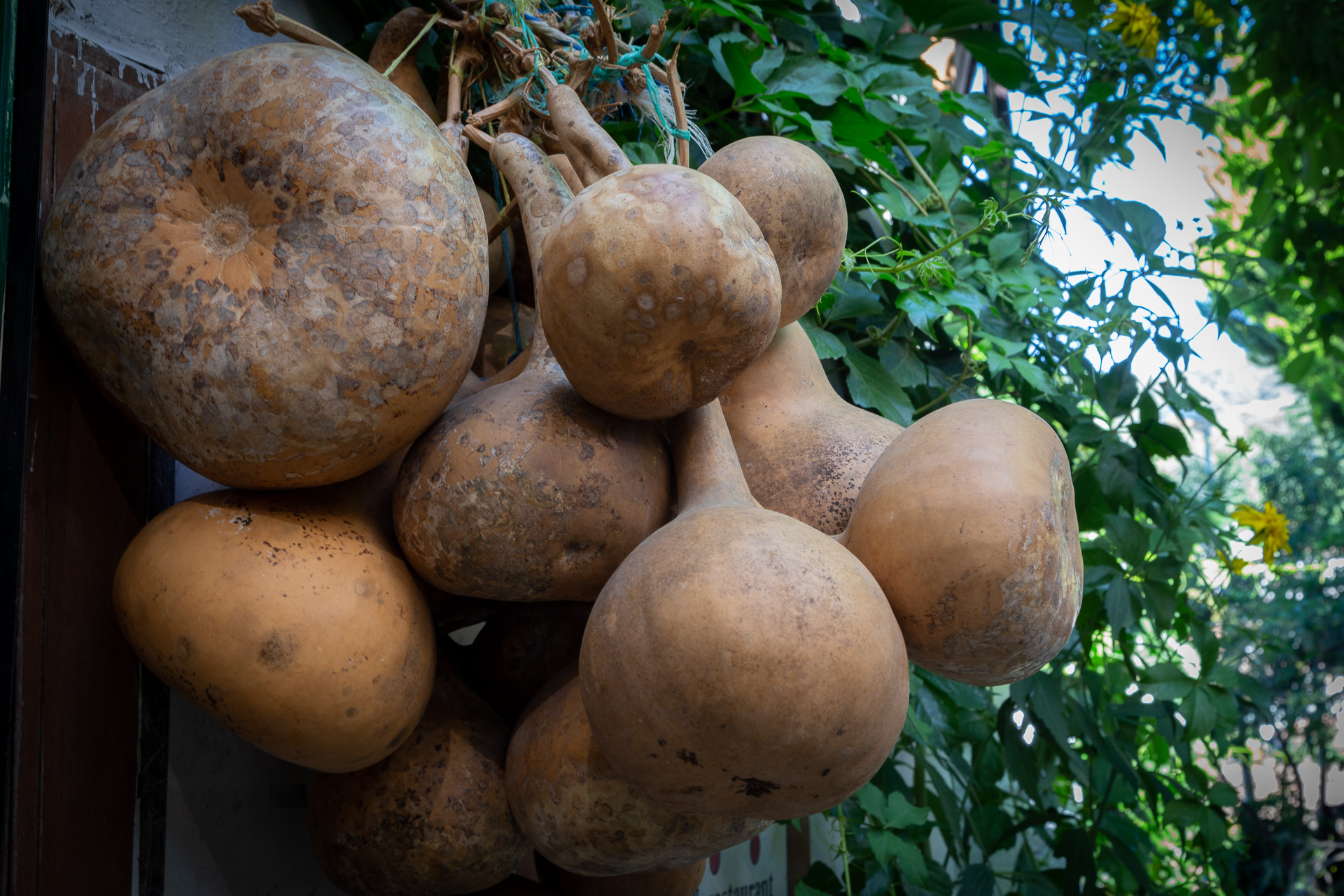
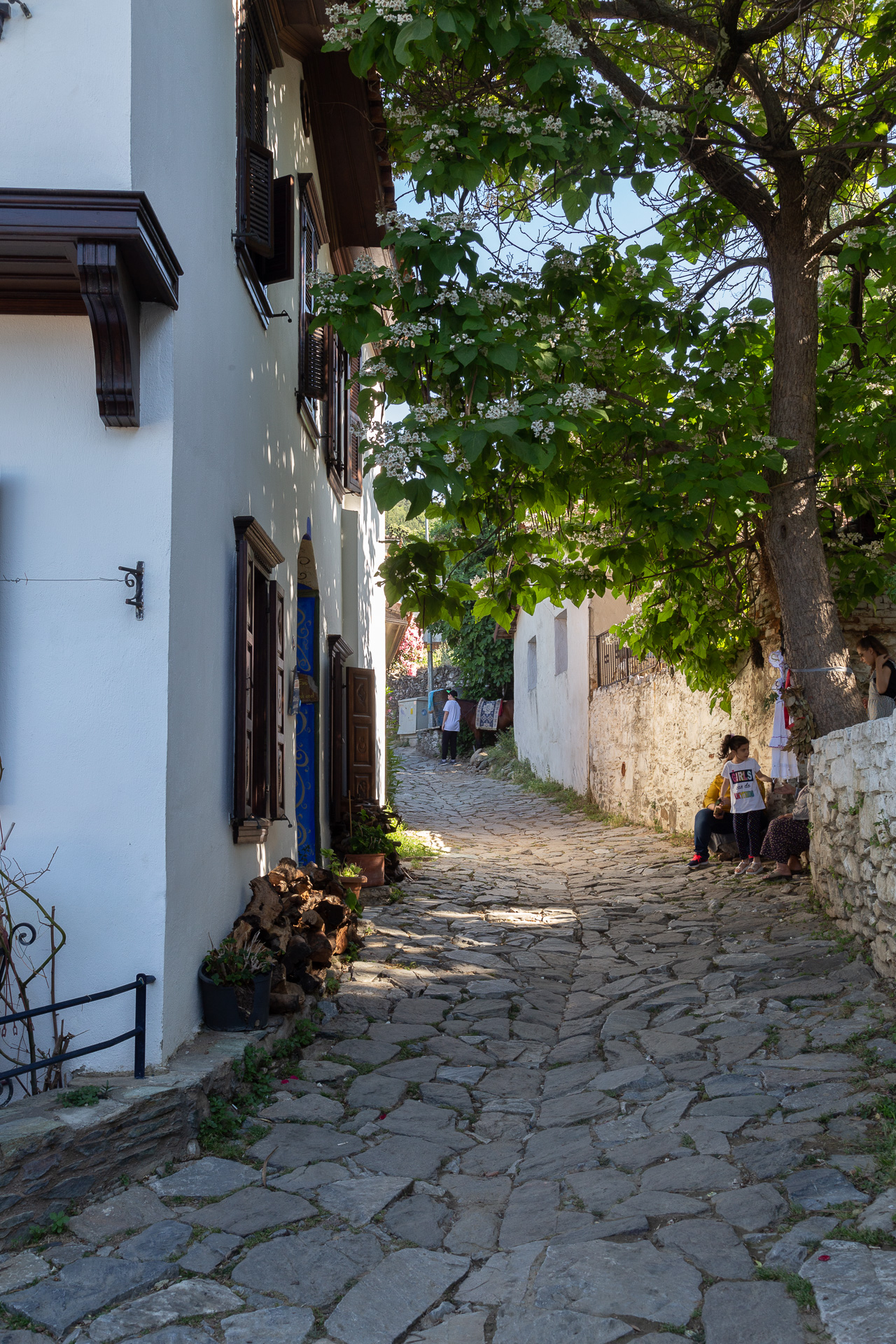
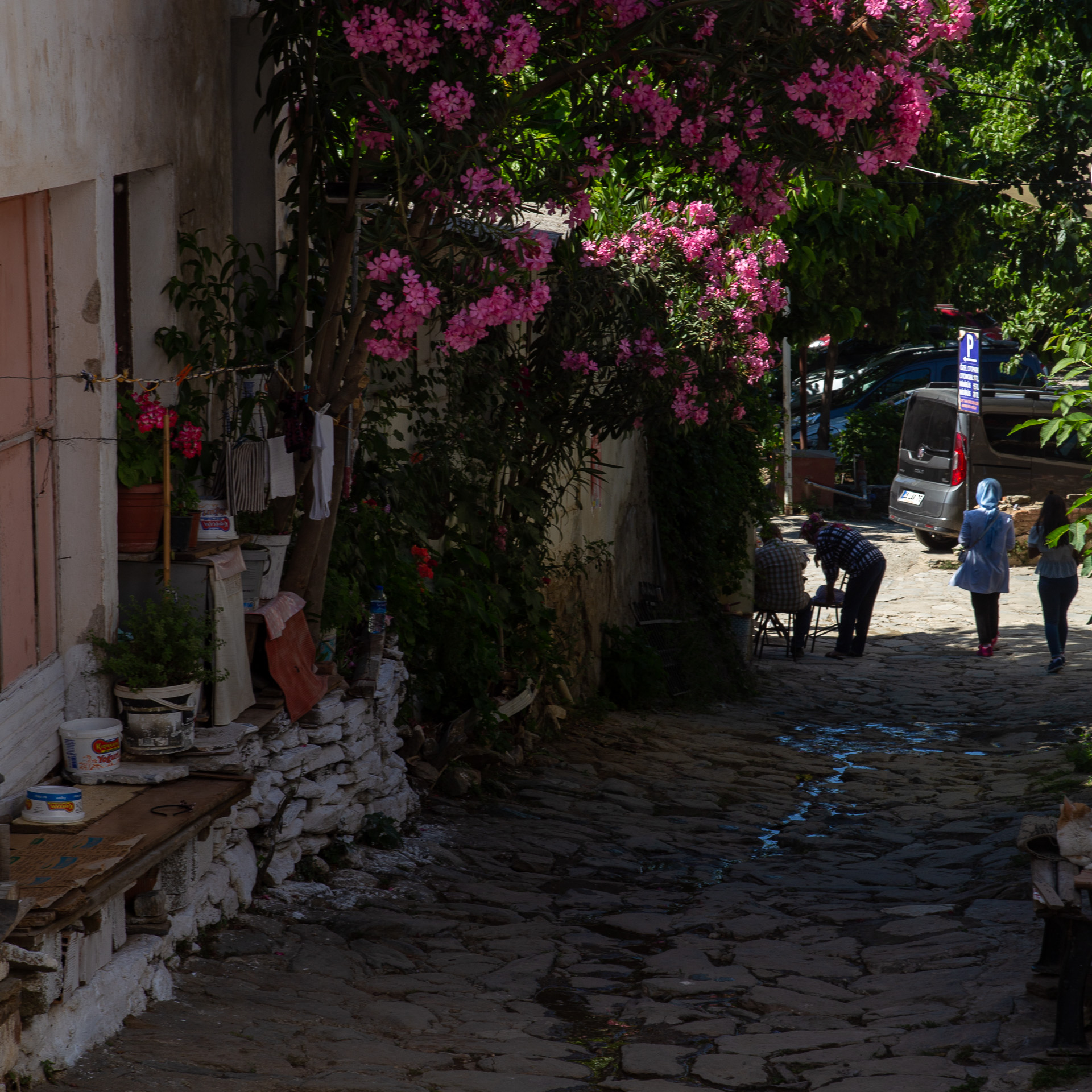
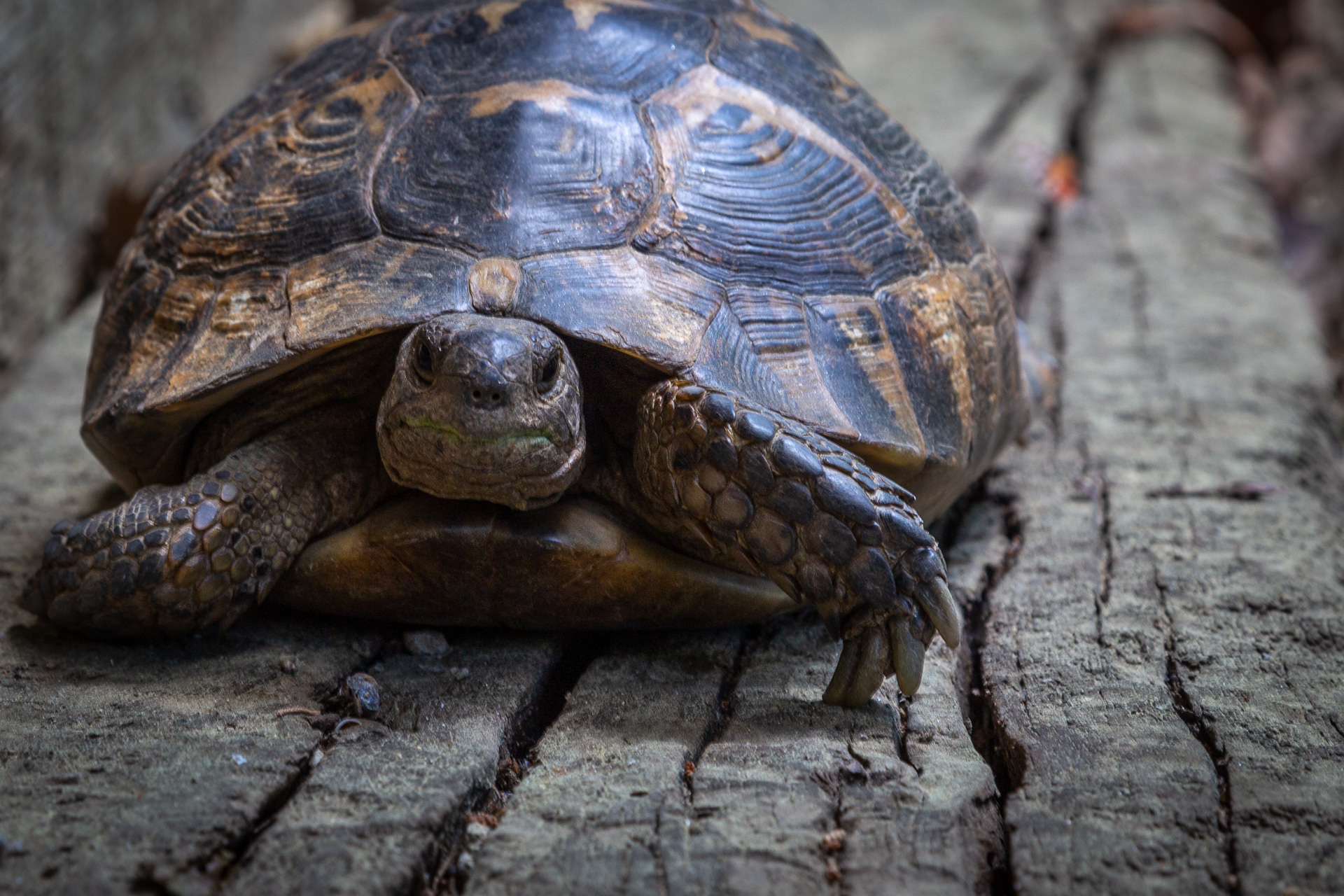

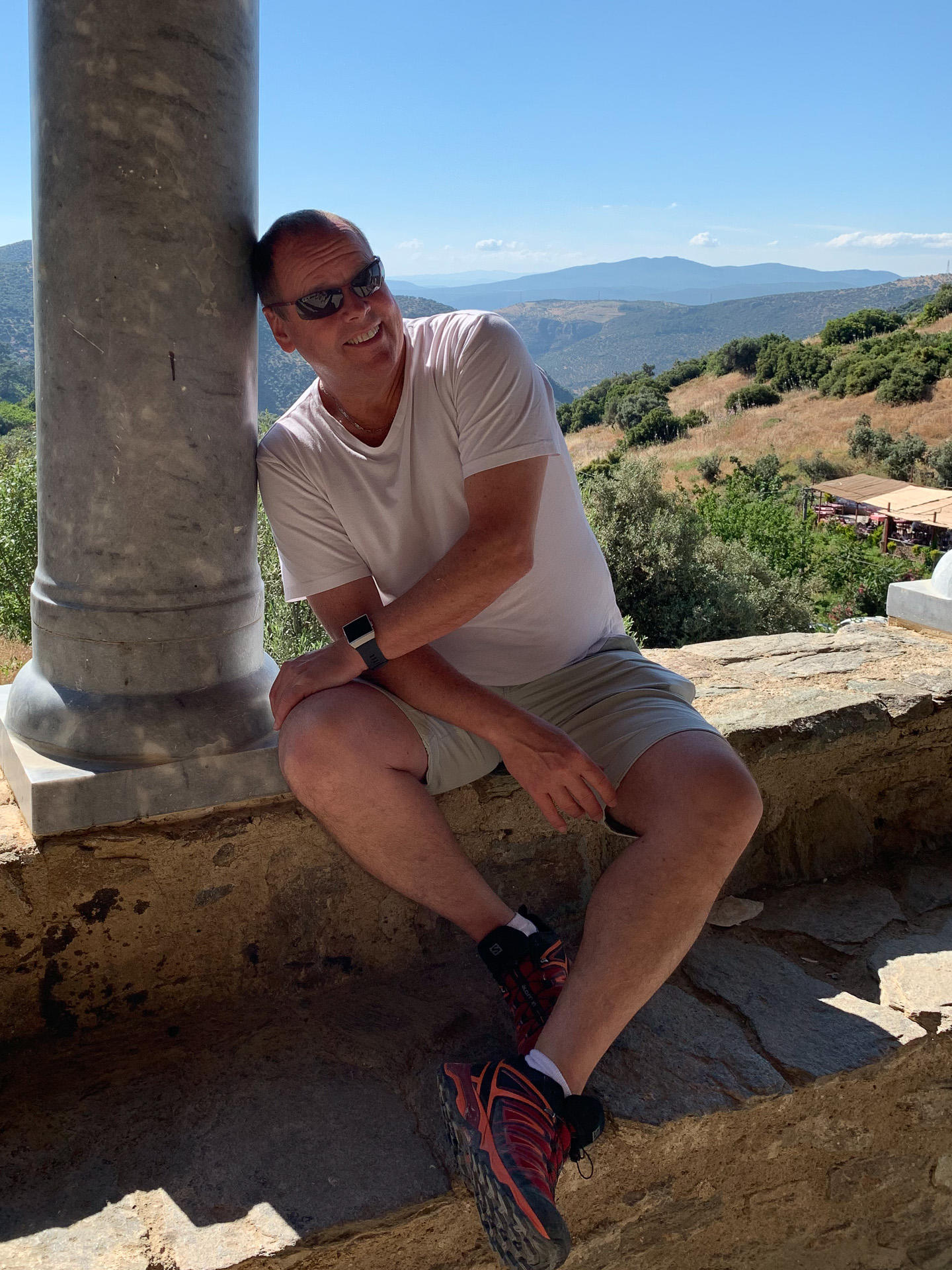
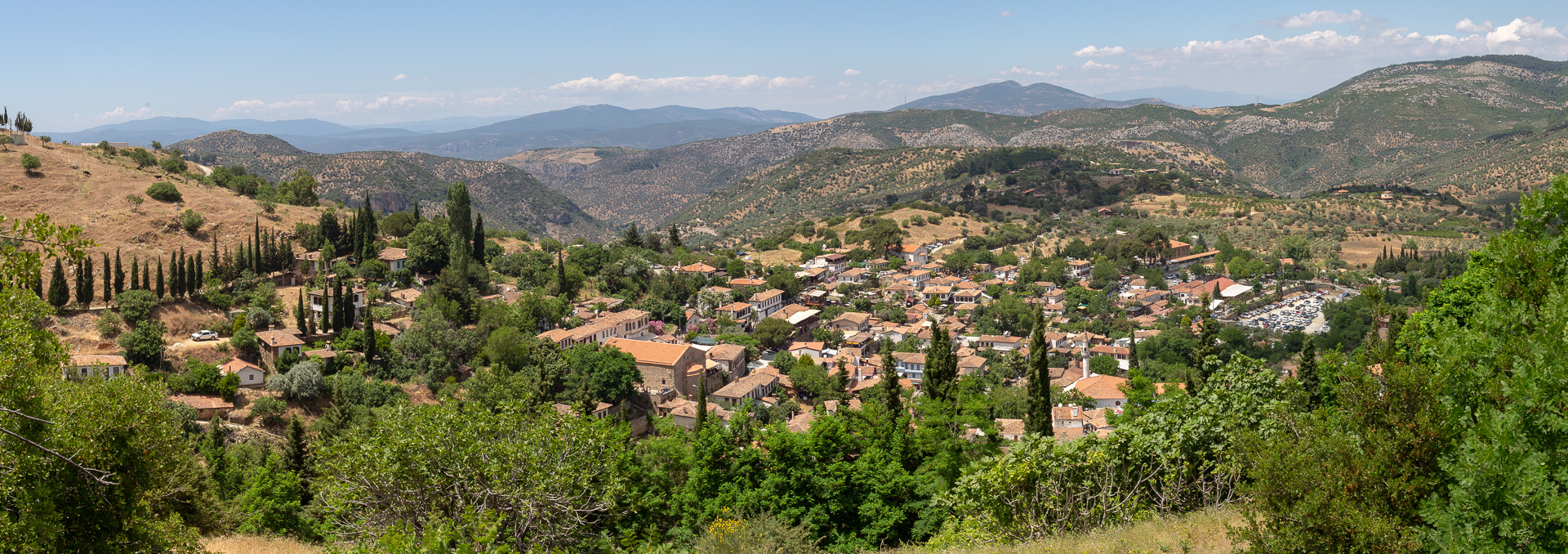
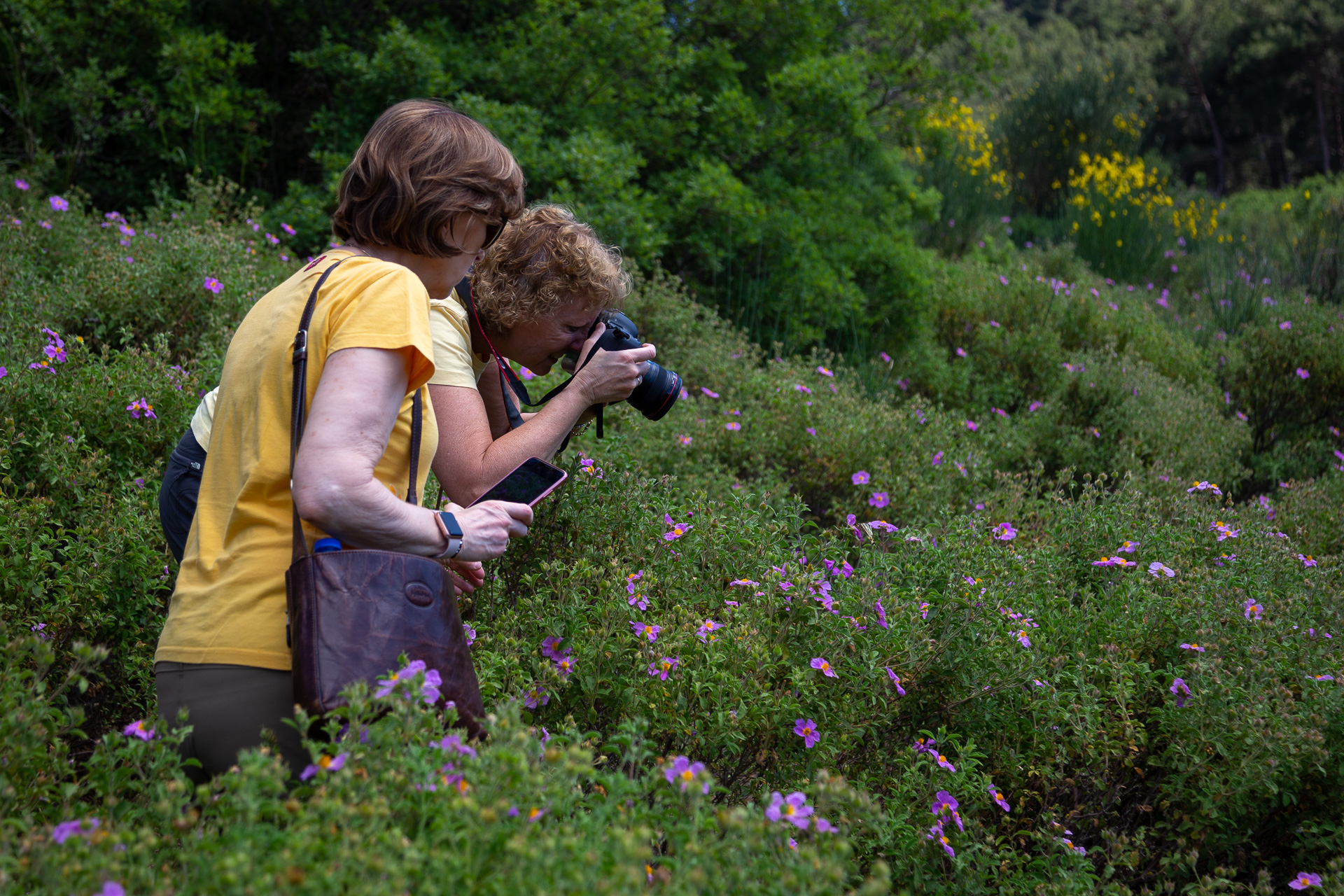
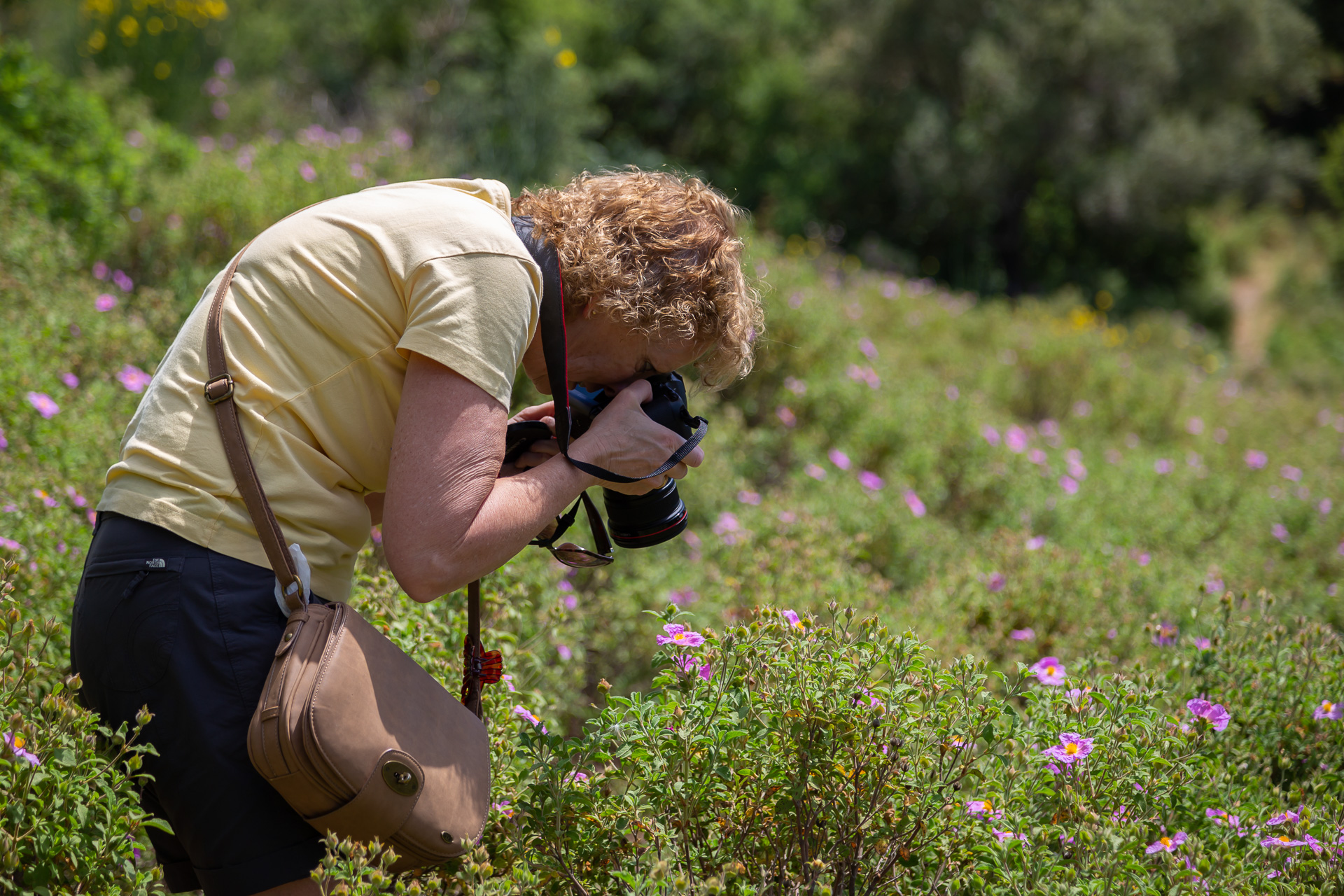
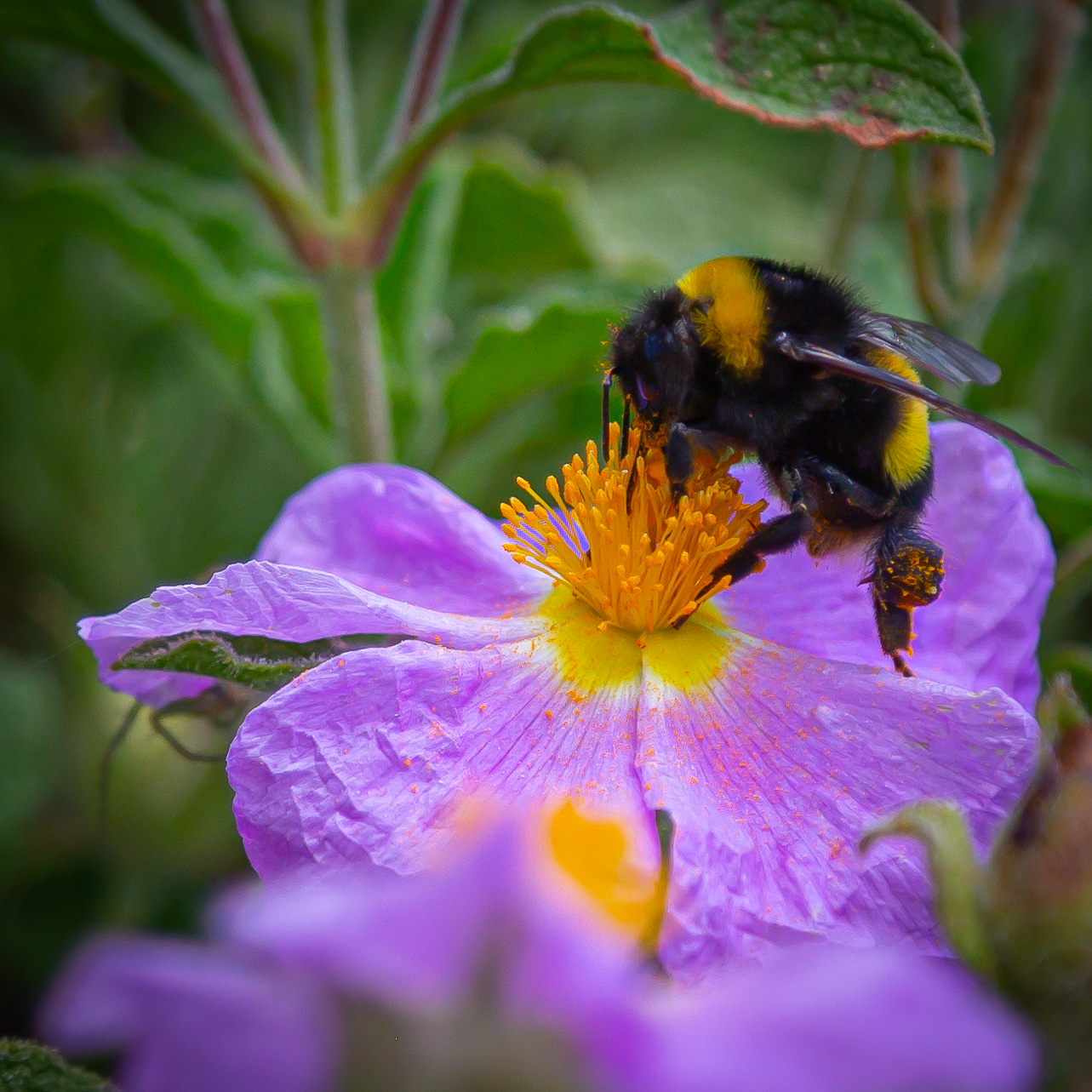
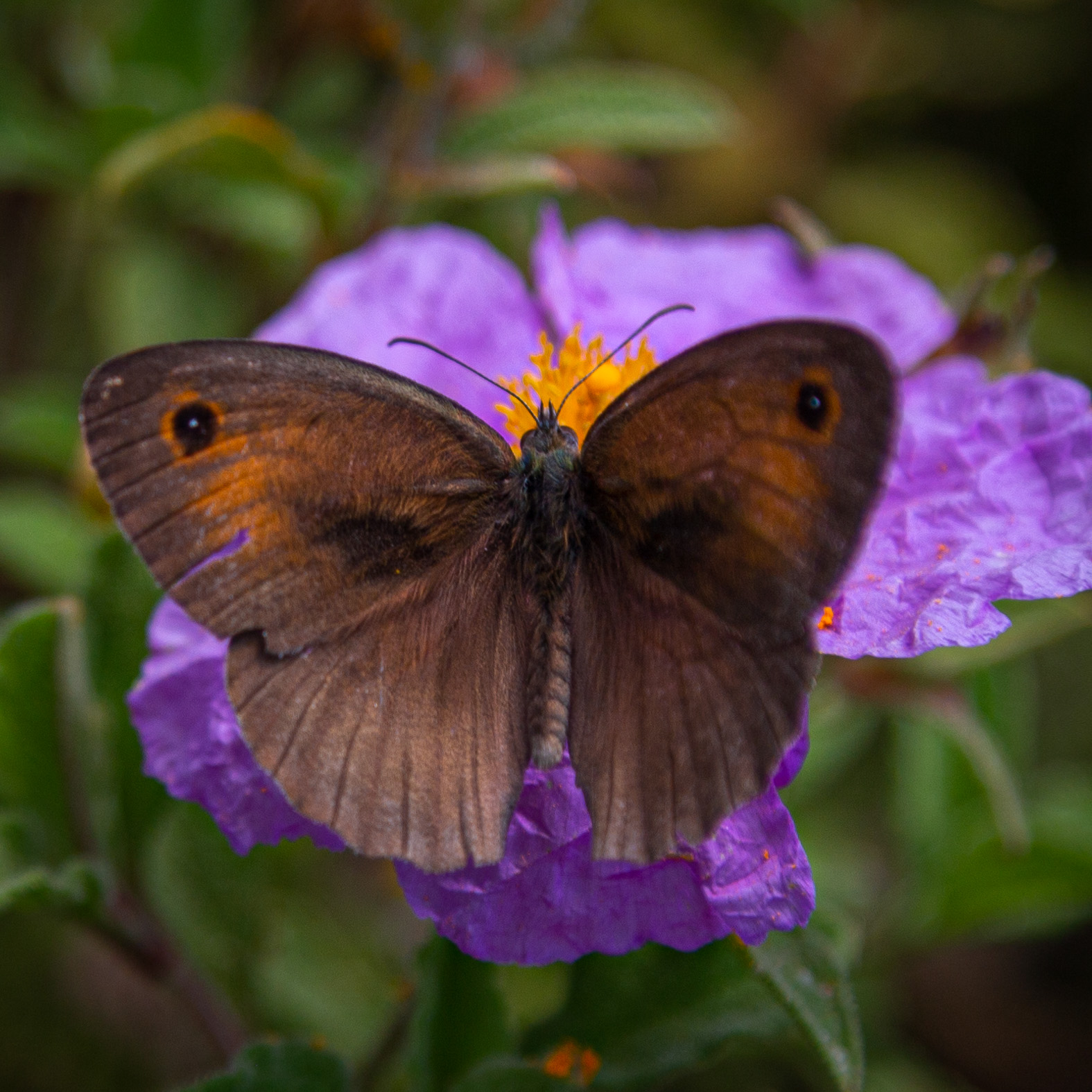
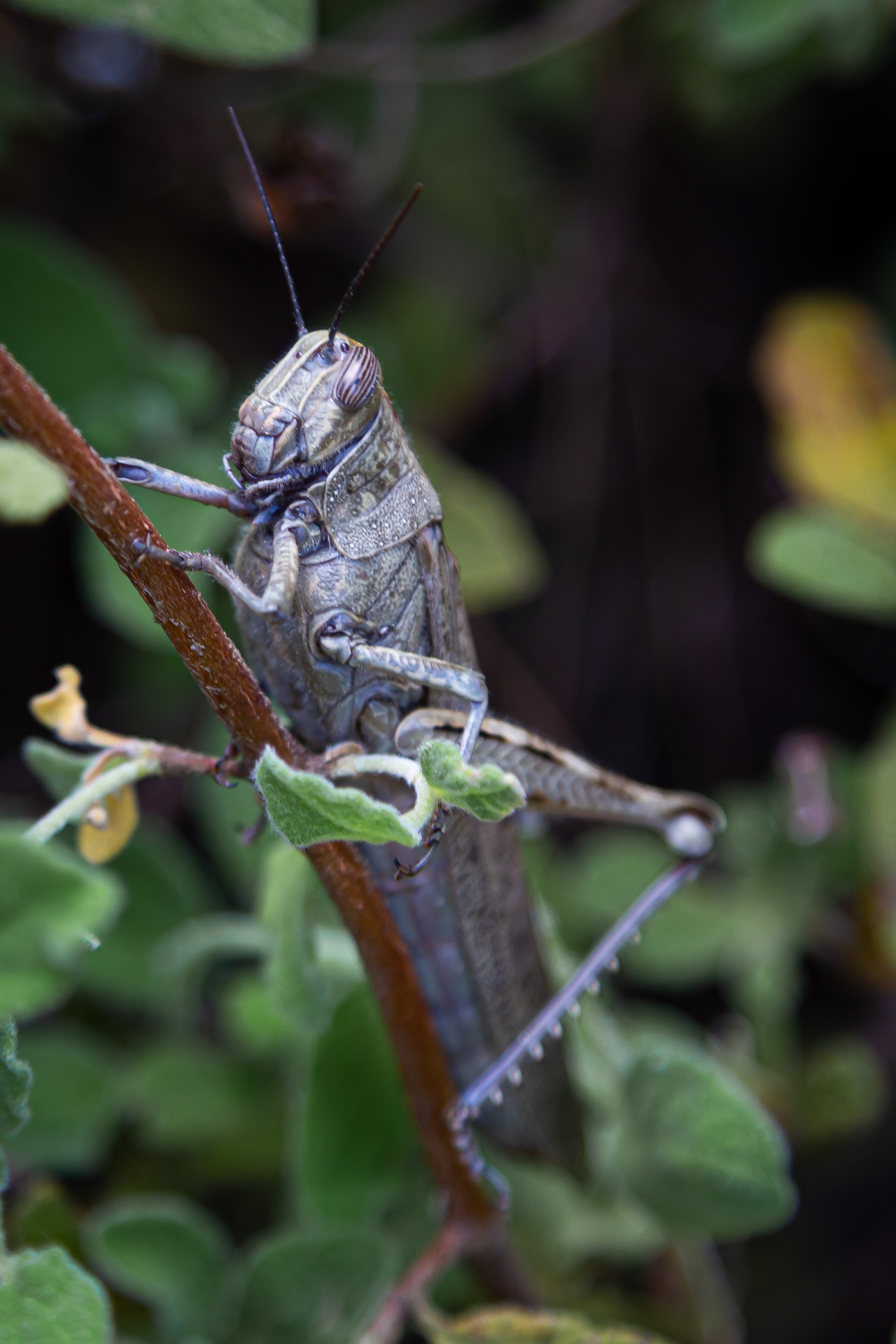
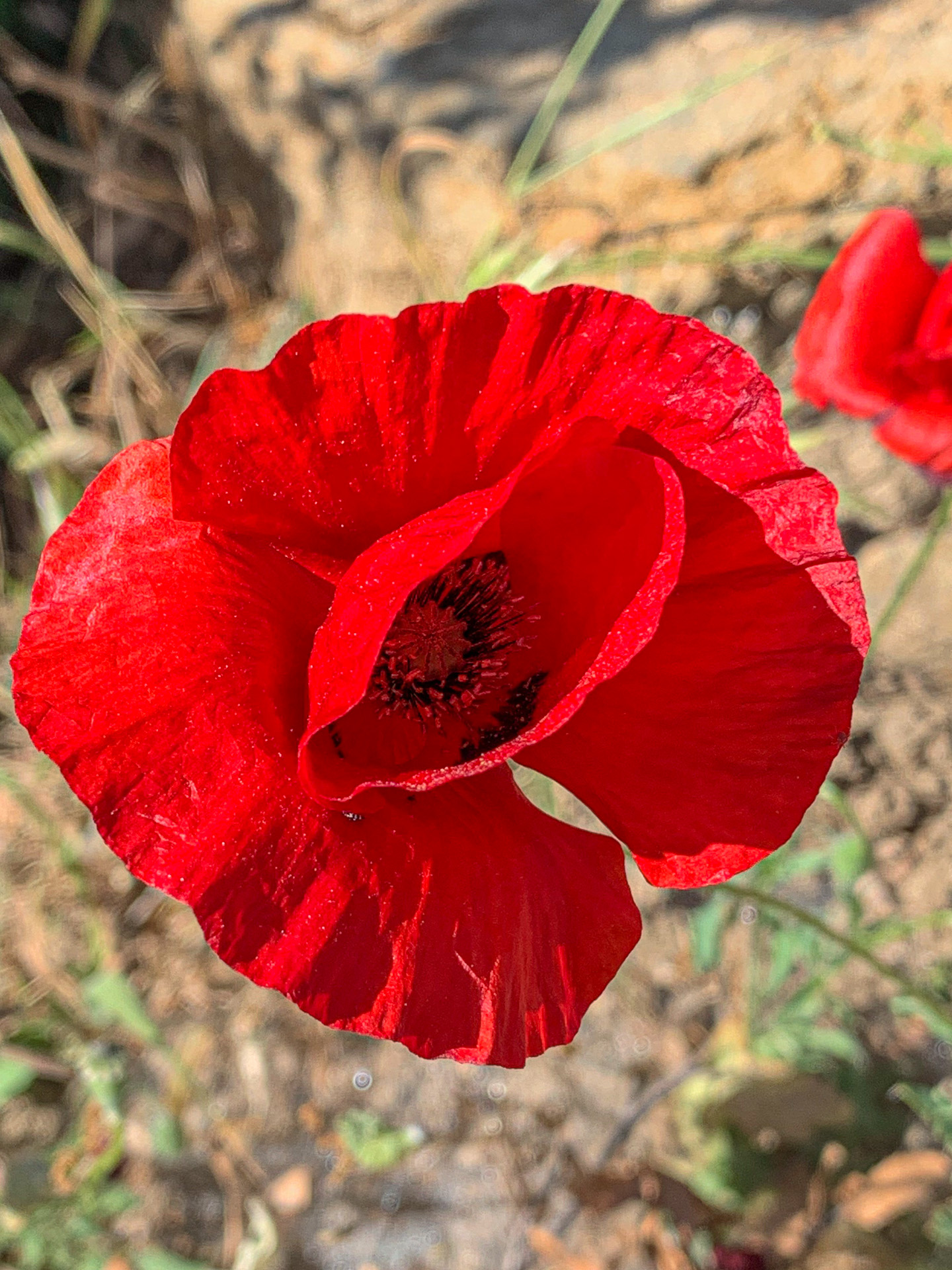
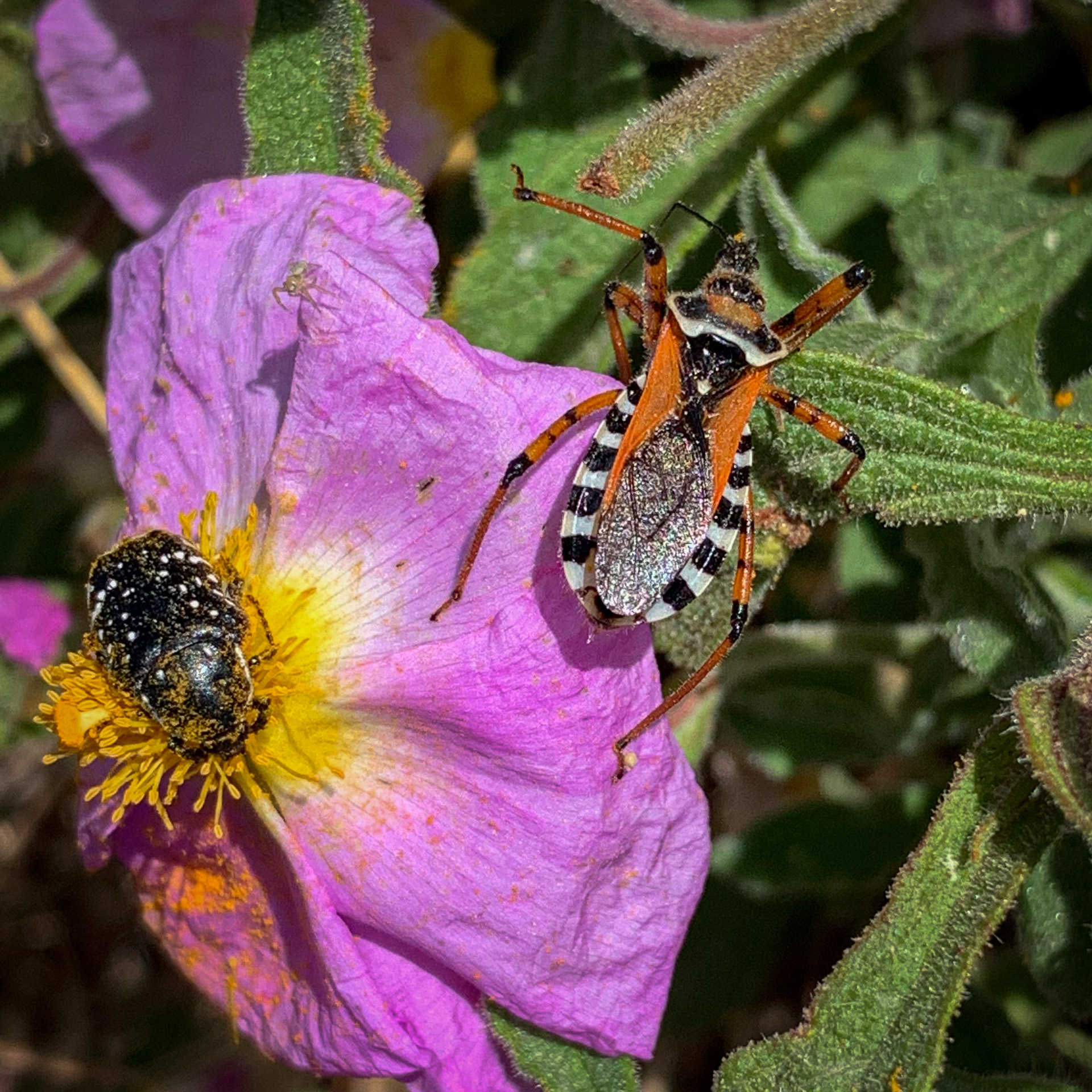
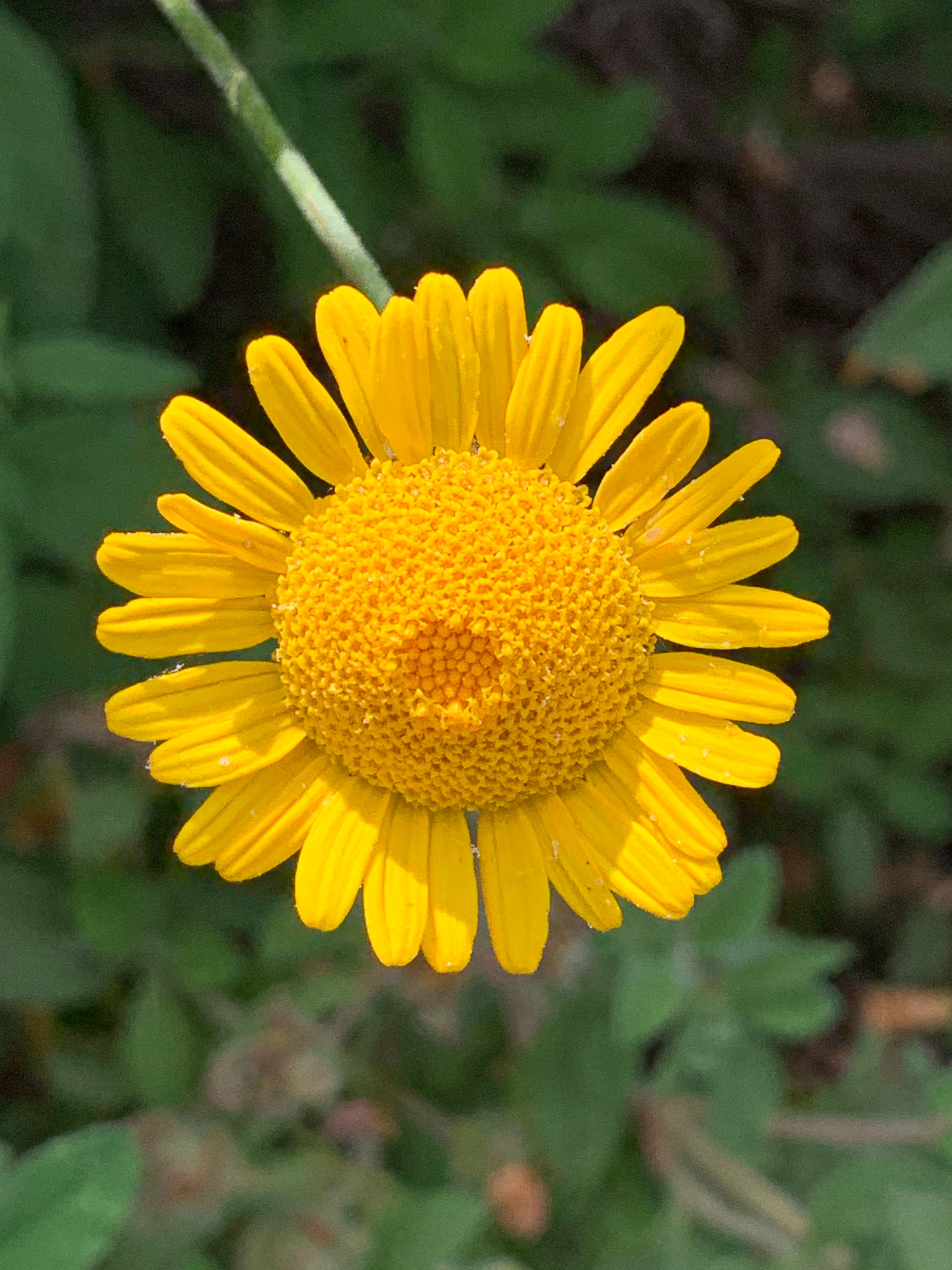
We spent several hours following paths in the hills above Şirince. Not spectacular, iconic scenery just really pleasant and relaxing. We got sidetracked photographing flowers, butterflies and bugs.

 Weather is lovely, wish you were here