Corfu (13 – 29 May)
Our planned exit from Abu Dhabi suffered a couple of setbacks as direct flights to London were cancelled and the UAE remained on the UK’s red list of COVID countries from which travellers needed to arrange quarantine isolation in an approved hotel. Our stay in the apartment was extended twice as two booked flights were cancelled at the last minute.
Once Sue had finished teaching and marking exams we felt that we could start looking for less conventional routes to the UK. Preferably one in which we could avoid the £2,400 cost of hotel isolation. Our solution was to spend 16 days on Corfu. Greece was on the UK’s amber list meaning that as long as we were there for more than 10 days we could travel directly to London and simply complete 10 nights of ‘home isolation’ with COVID testing on days 2 and 8.
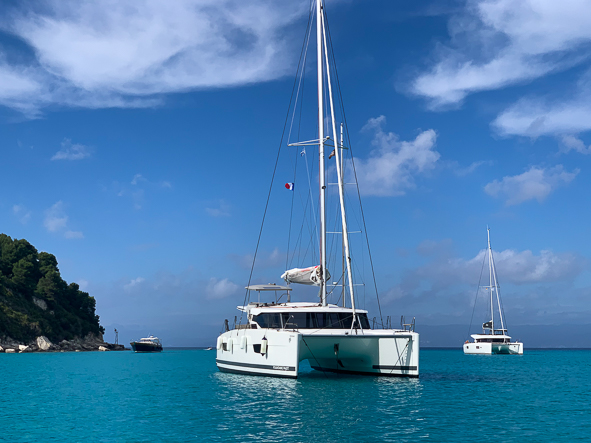
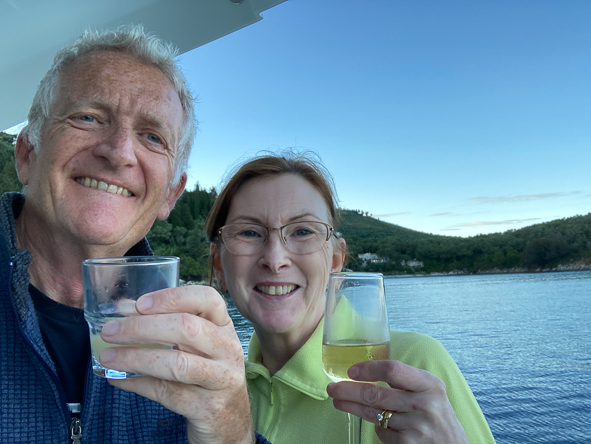
Once that decision was made and flights confirmed we started looking for accommodation and Nigel couldn’t resist looking at charter yachts. Since this was the very start of the season and with COVID restrictions keeping people away, there were a few deals to be had. We secured a week on a 40 foot catamaran. Two of us on a boat designed to sleep 6 was a bit overkill but lots of fun.
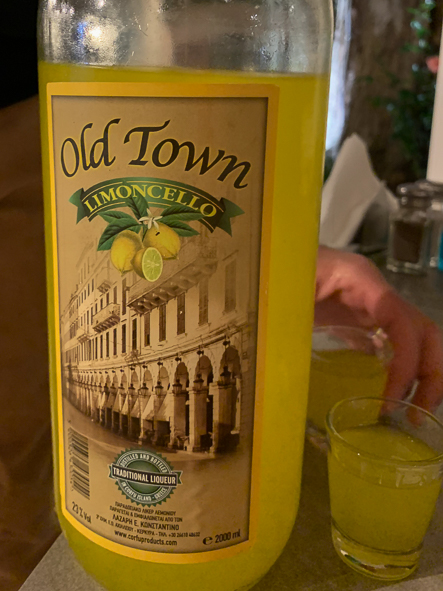
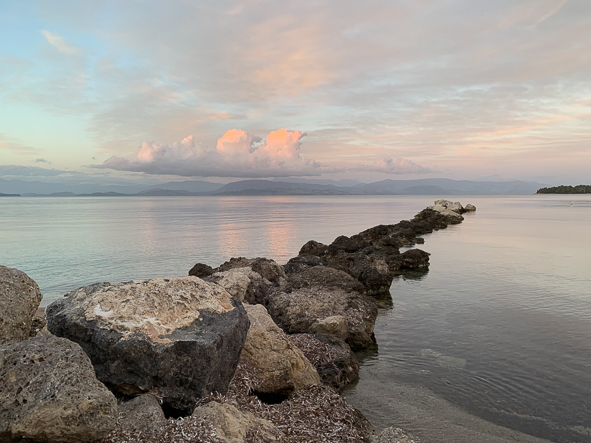
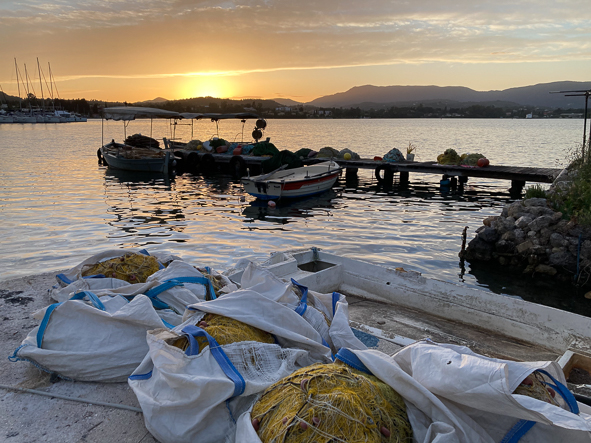
Finally, on Thursday 13th May, after two months in a studio apartment that was supposed to be our base for just three weeks, and after 18 months without leaving Abu Dhabi, we took a five hour flight to Athens and then another one hour hop onto Corfu. Here we settled in for two nights in quirky old apartment near the marina, enjoyed the first of many Corfu sunsets and acquired a taste for Corfu limoncello (made with a different type of lemon and using different process to the Italian stuff and therefore much nicer IMHO).
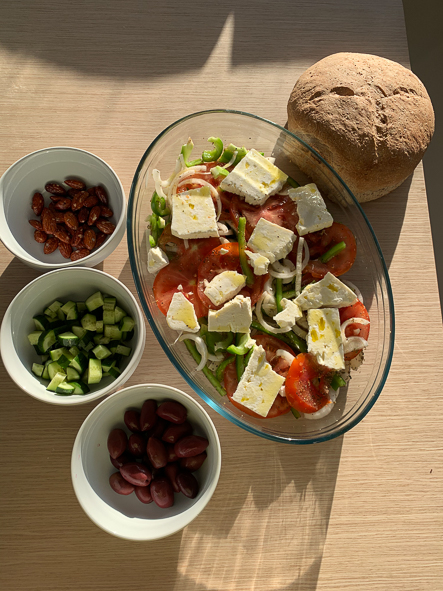
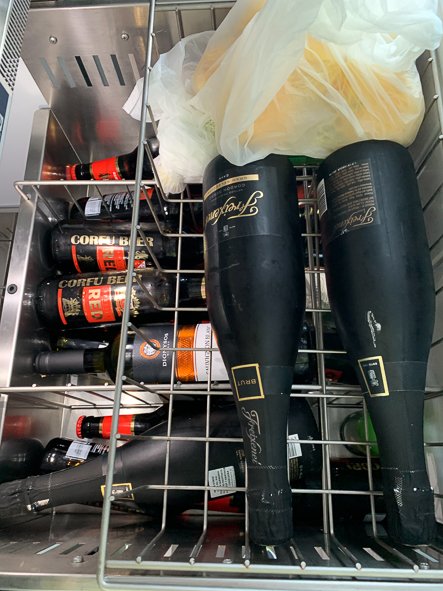
With the forecast predicting rain, the Dream Yacht Charter staff suggested that we provisioned the boat and had our familiarisation tour on Friday. So it was after a very easy going, stress free, Saturday morning, with lunch in a local cafe while we waited for the rain to pass, that we finally left the dock and sailed from Gouvia Marina to a quiet anchorage at Akra Agni on the north-east coast of Corfu.
We had the bay to ourselves and could see that the tavernas were not yet ready for customers. Tables were still stacked and there was clearly cleaning and maintenance taking place. Something that we witnessed at many hotels, cafes and tavernas that we passed during our time here.

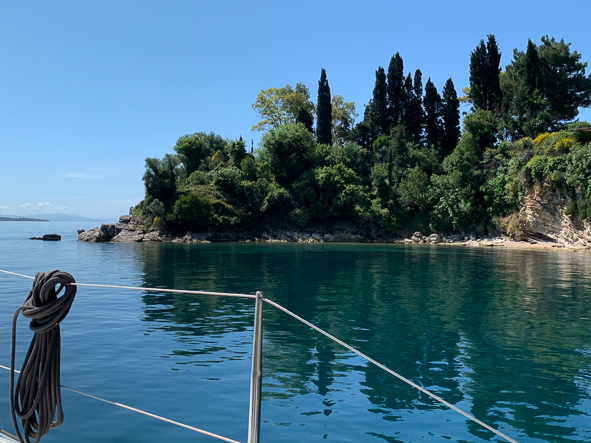
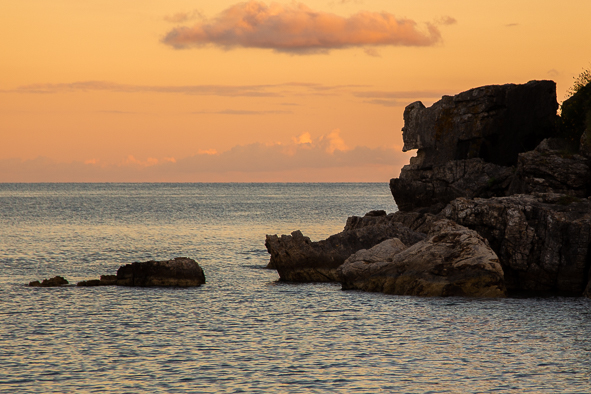
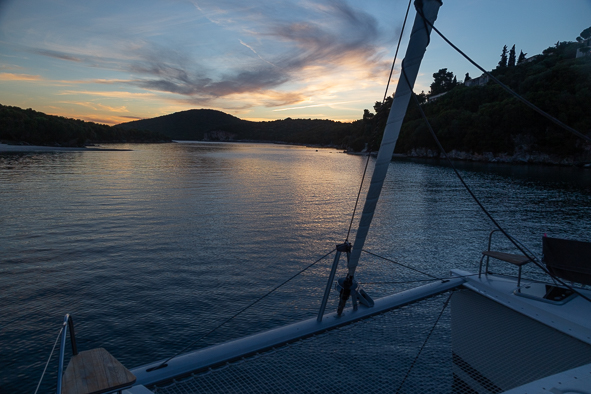
Sunday gave us a peaceful downwind sail across to the Greek mainland to the fishing village of Syvota. Once again we had a shallow, sheltered anchorage all to ourselves.
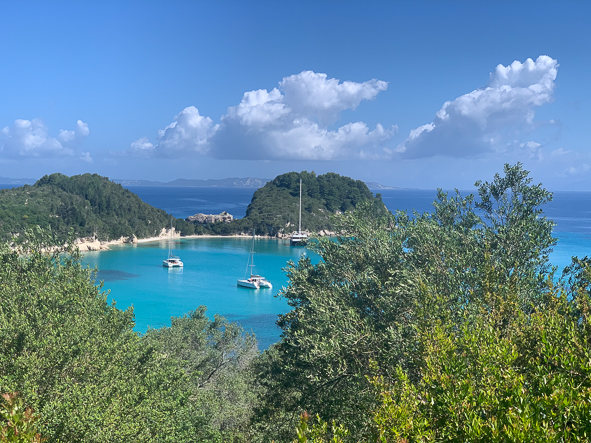
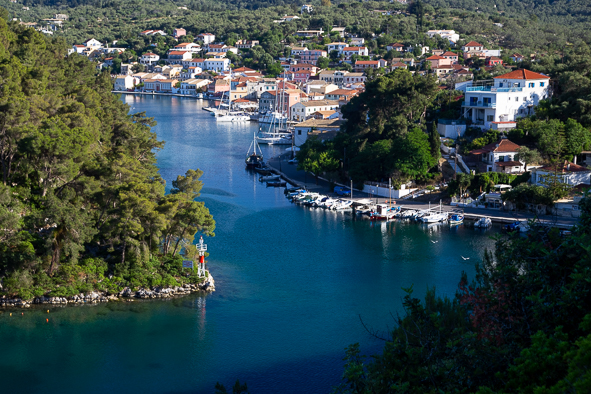
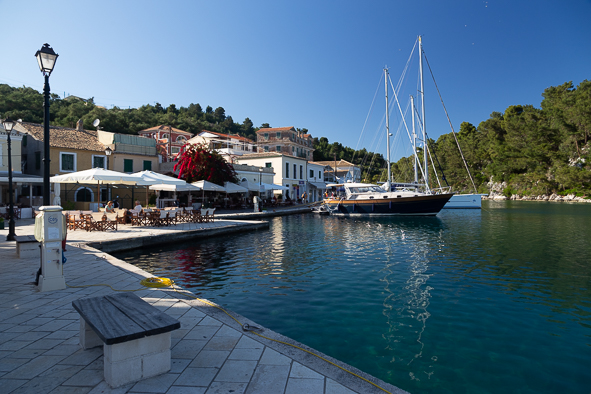
Stronger winds on Tuesday gave us some lively sailing as we crossed back from Greece to the the beautiful island of Paxos off the souther tip of Corfu. The sheltered harbour of Lakka was so picturesque, with impossibly turquoise water, that we stayed there for two nights and enjoyed exploring the old village and the hills around it.
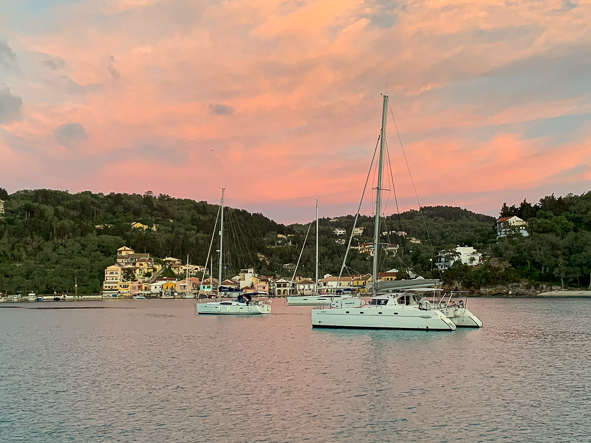
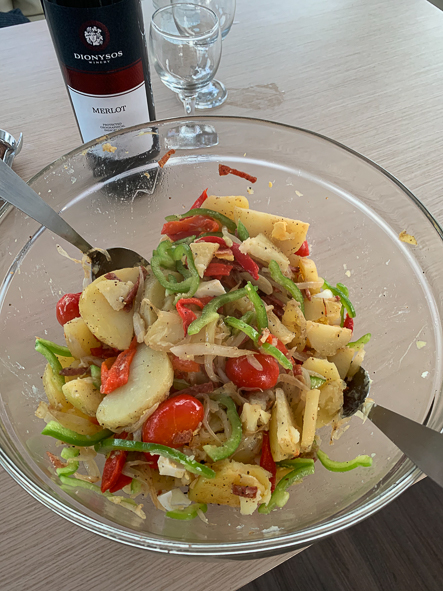
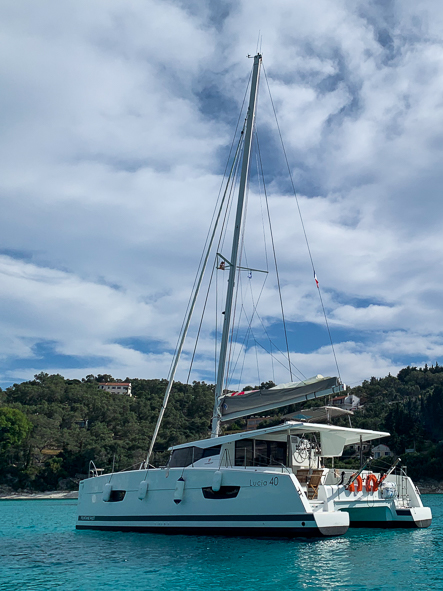
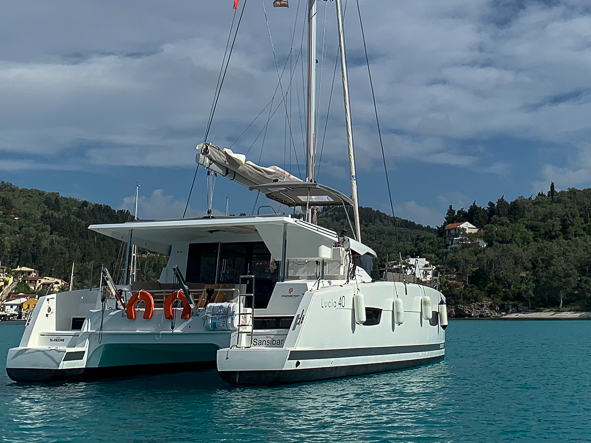
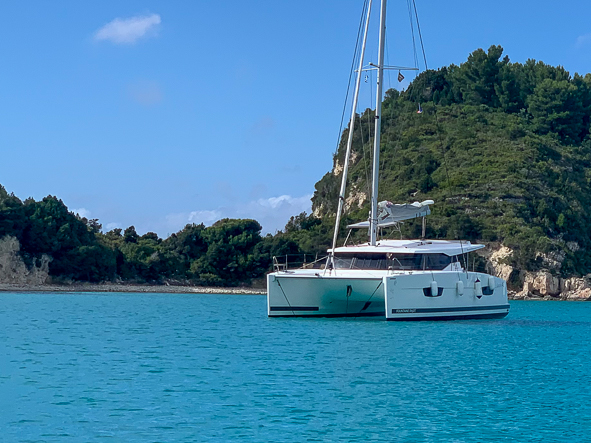
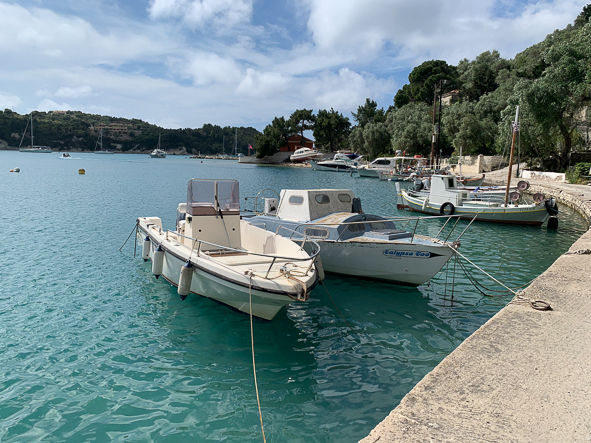
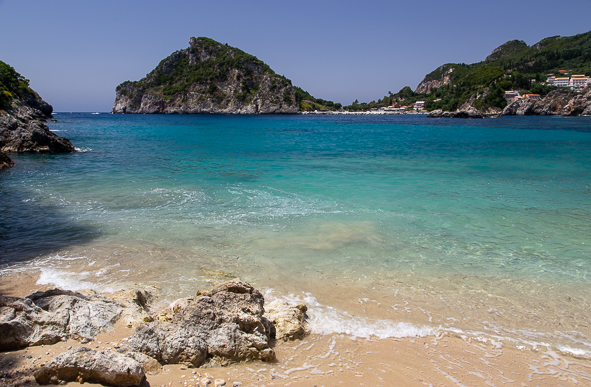
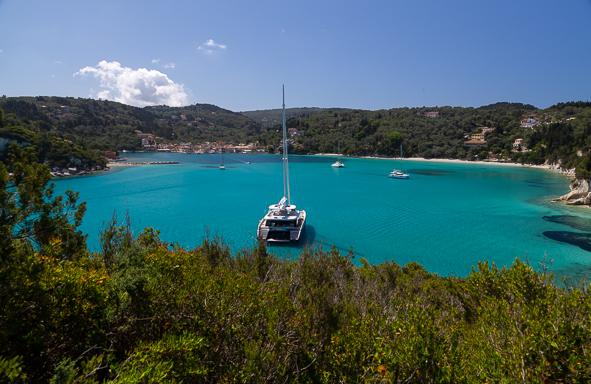
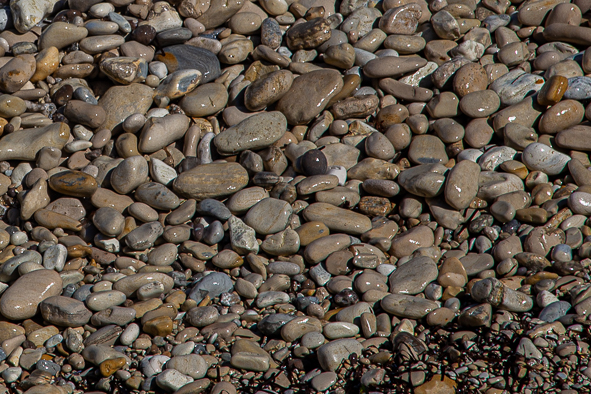

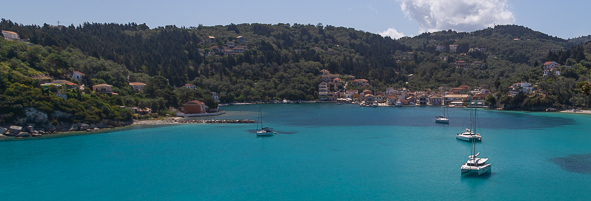
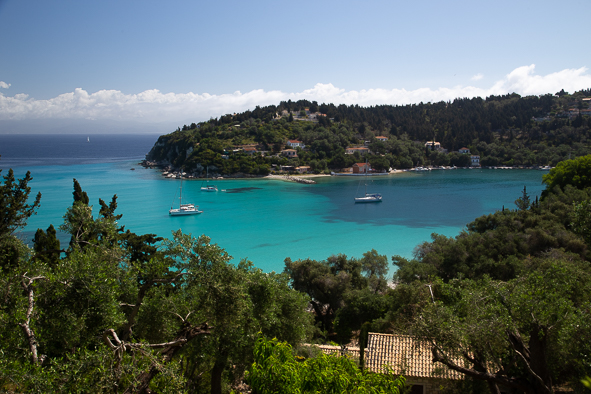
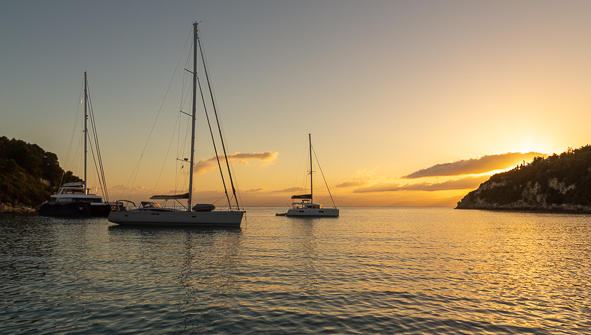
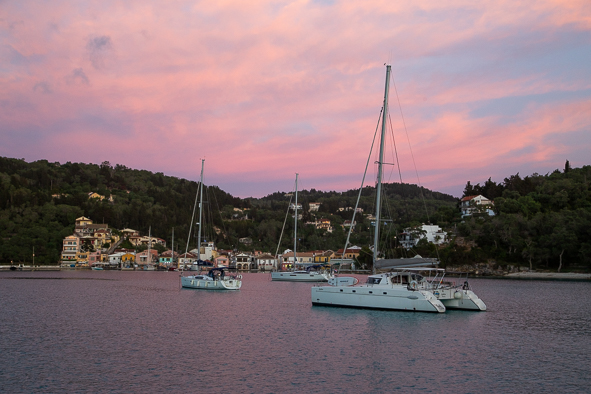
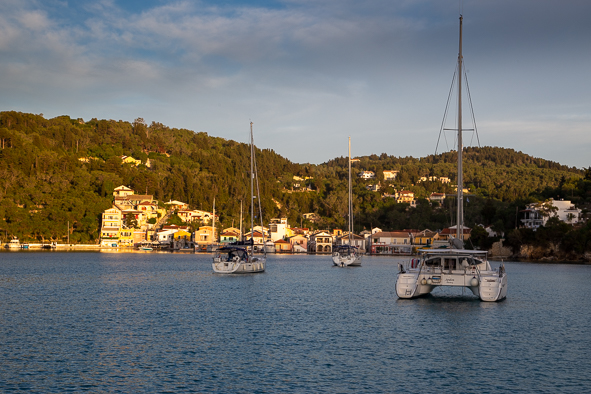
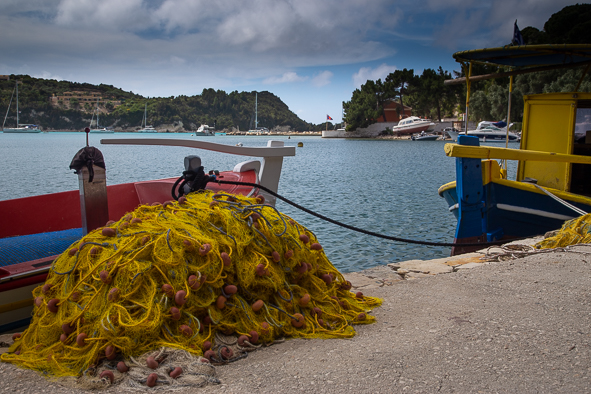

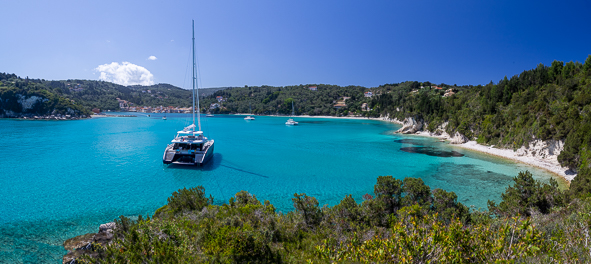
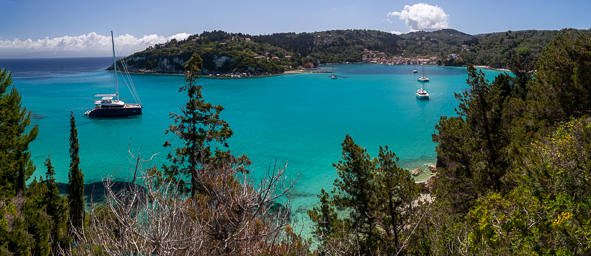
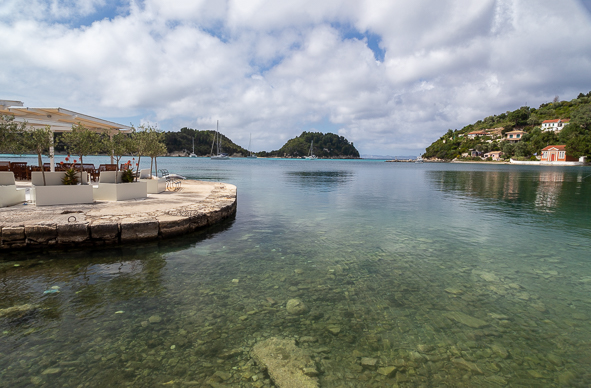
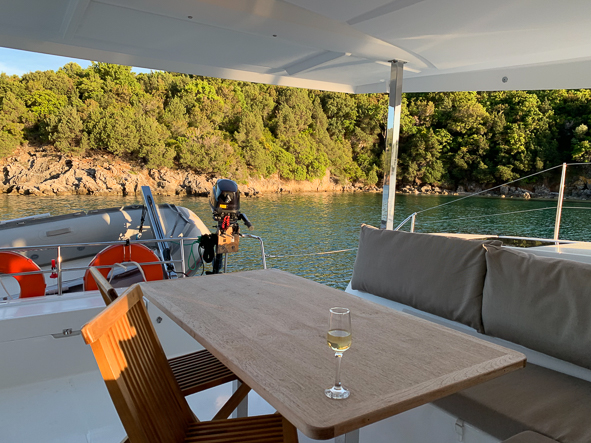
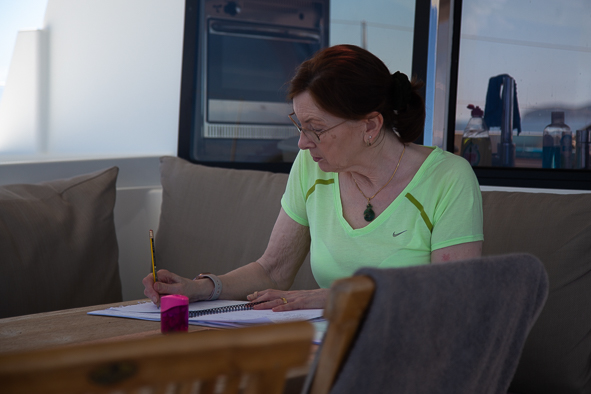
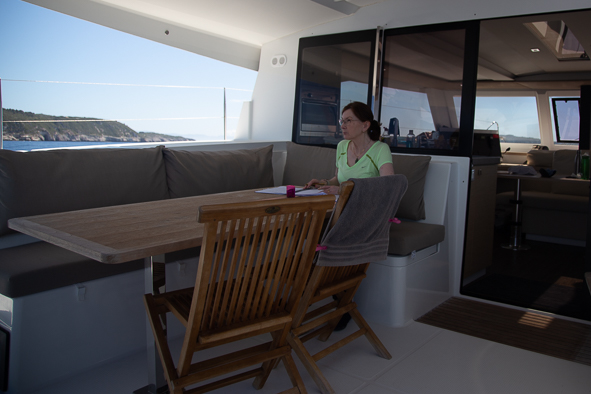
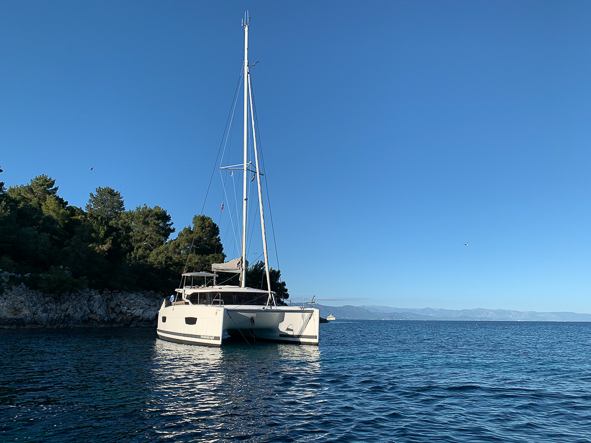
On Wednesday we dragged ourselves away from Lakka with the promise of even more spectacular scenery along the western coast of Paxos and around its smaller, southern neighbour, Antipaxos. We were not disappointed. A total lack of wind meant that we motored all day, enjoying the sights and stopping for lunch and a swim in a deserted inlet on the exposed western coast of Antipaxos. Throughout the trip Sue still has university work to do but as offices go, the Fountaine Pajot Lucia is not such a bad space and certainly the views are good.
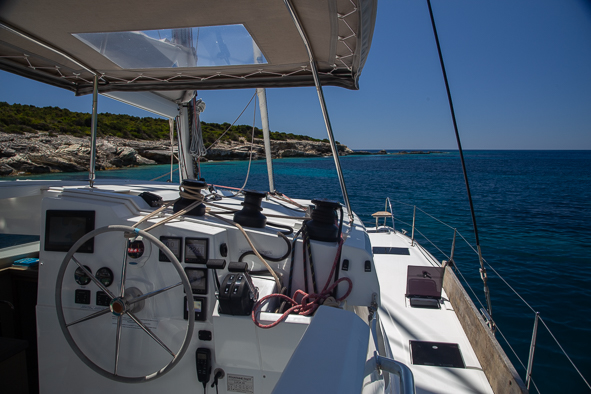
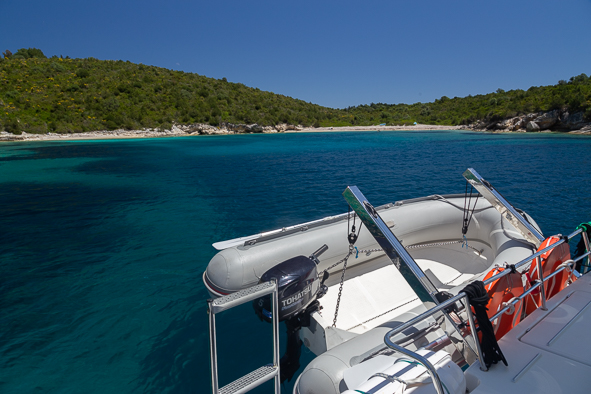
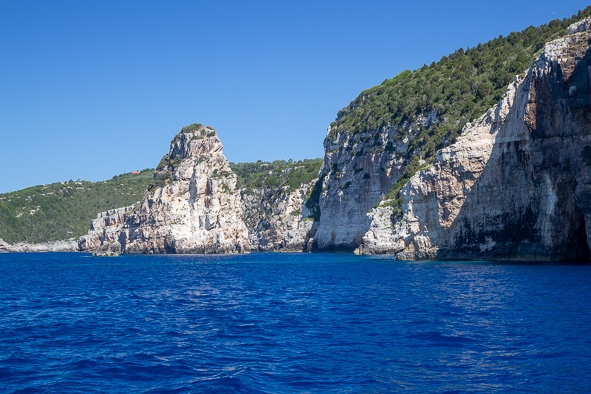
We circumnavigated Antipaxos and spent the night in a sheltered cove just outside the port of Gaios on the sheltered eastern coast of Paxos. A dinghy ride ashore allowed us a decent walk and gave some good views over the town.
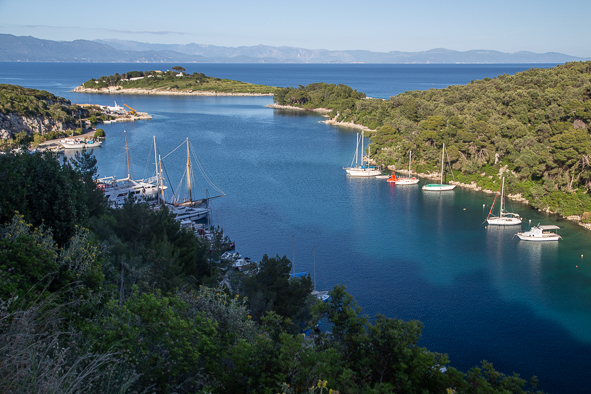
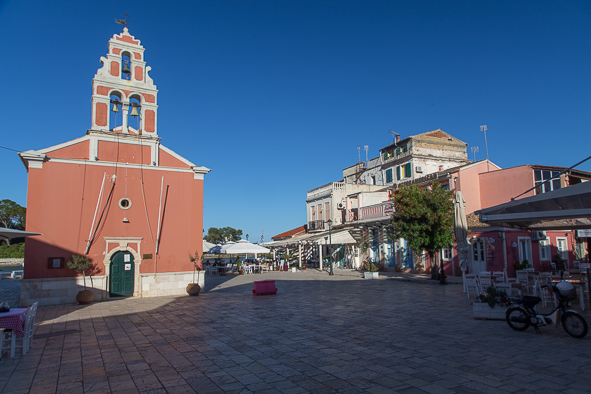
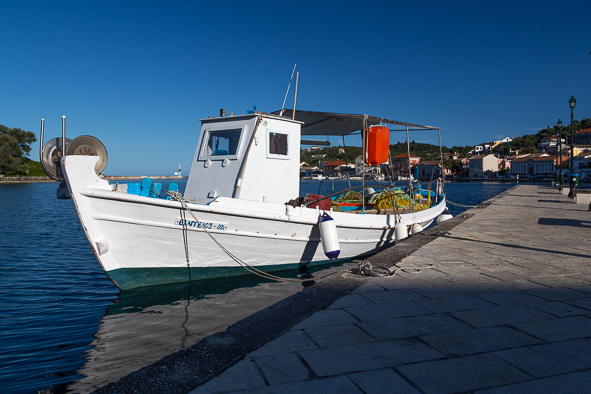
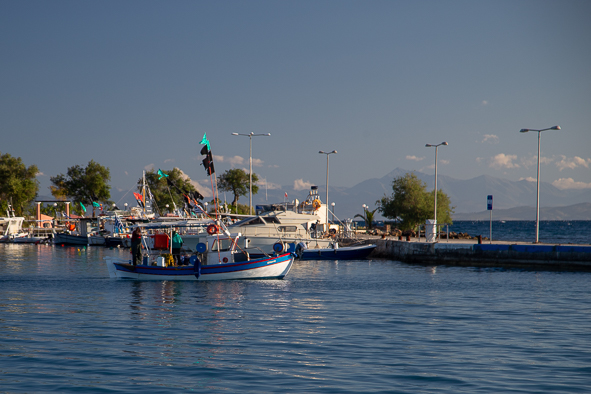
Thursday was the day we needed to head north and get back to Corfu. Naturally the wind picked up from the north and we spent the day tacking back and forth between Paxos, and then Corfu, and the Greek mainland before finally starting the engine and motor sailing into the tiny sheltered haven of Petrites – a little fishing port with a handful of tavernas waiting for the tourists to arrive.
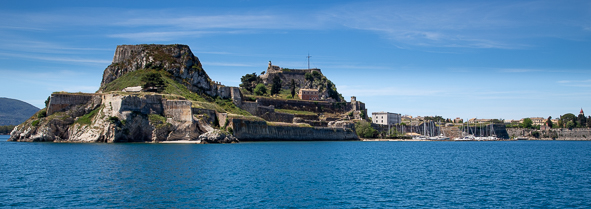
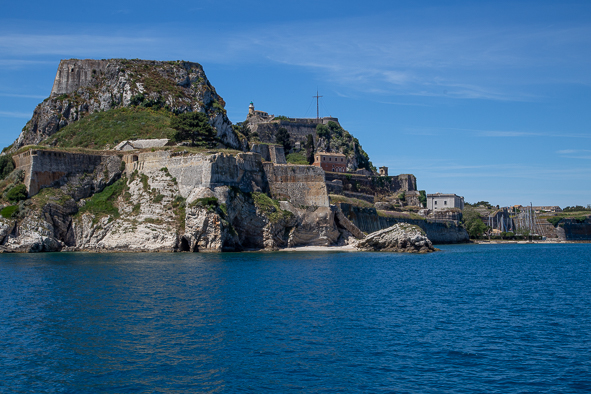
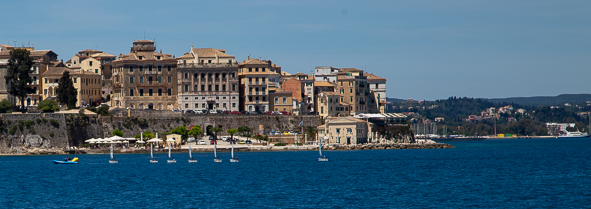
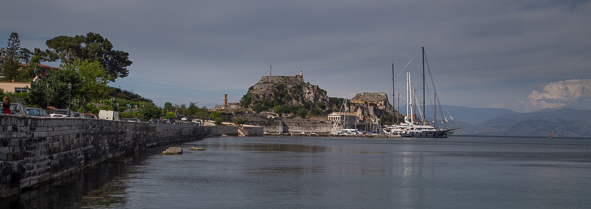
By late Friday afternoon we needed to be back at the marina. So with the wind still blowing from the north we did not even hoist the sails. Instead we motored directly into the wind for the shortest route back to Gouvia Marina past the old town of Corfu. This gave us time to refuel while the fuel dock was quiet and Sue could practice coming alongside in a 12 tonne, 40 foot boat – she handled it like a pro! We still had time for lunch in another quiet bay before heading into the marina for our last night on board.

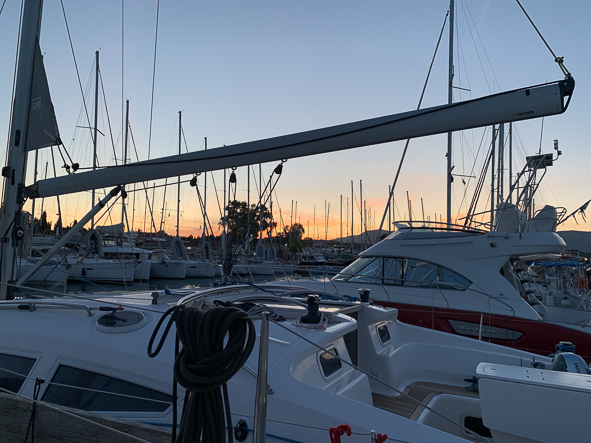
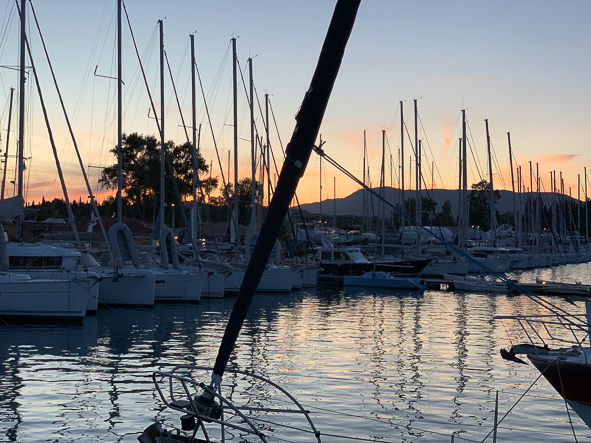
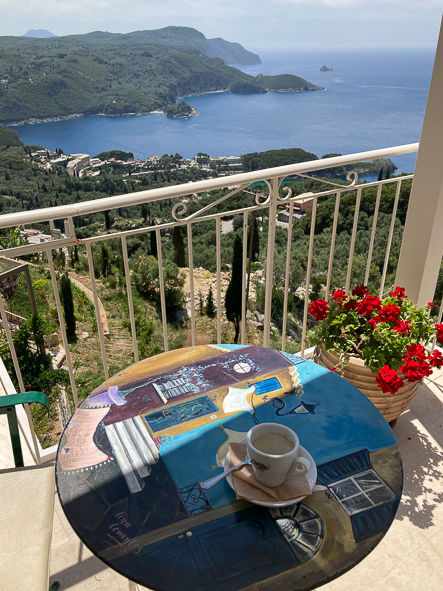
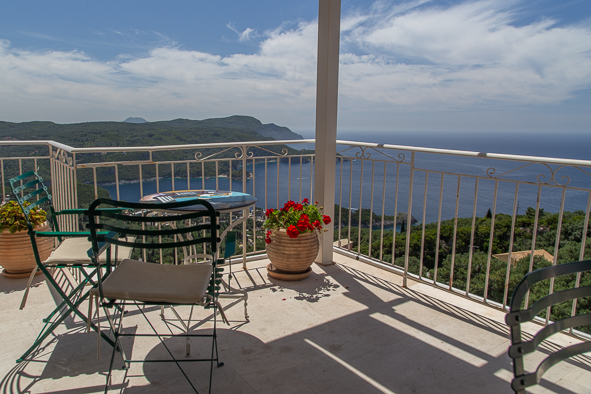
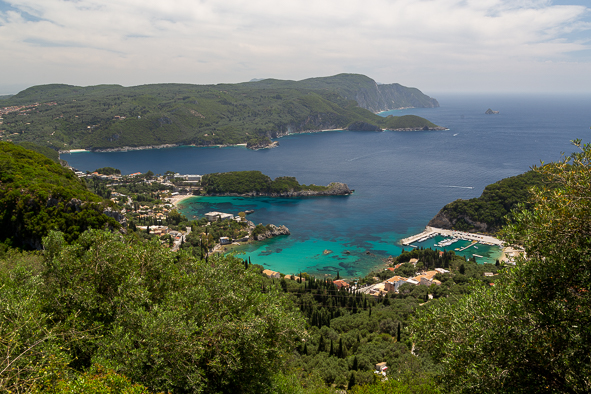
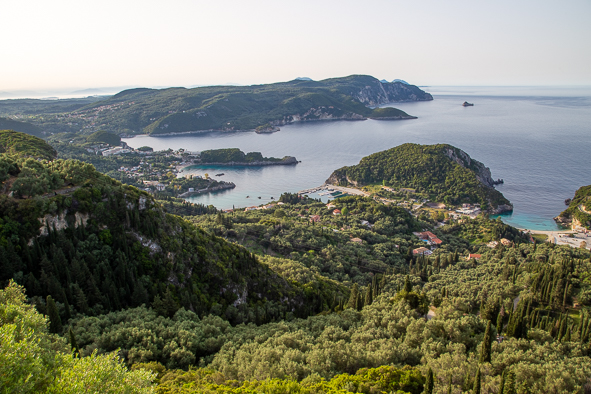
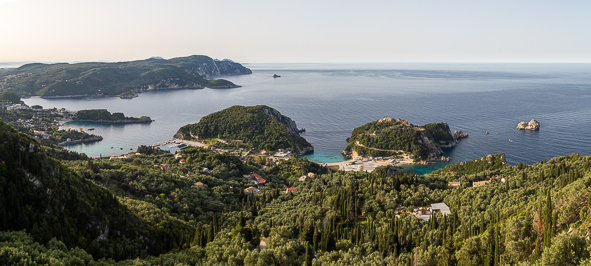
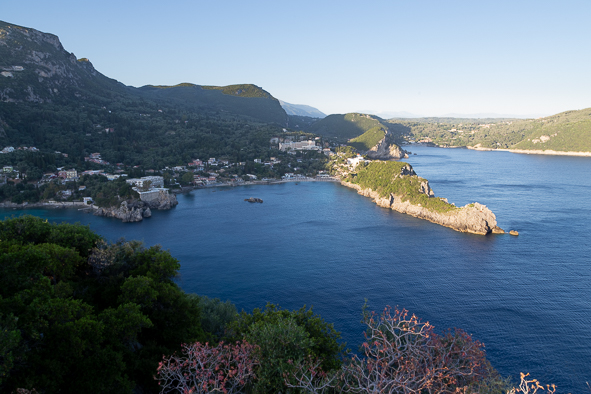
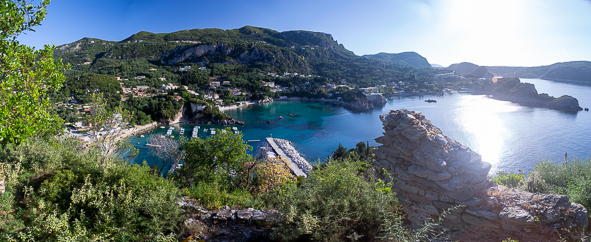
Saturday again. The last week had flown by. Instead of the usual hurried exit from the sailing boat so that it could be prepared for the next charter, we were told to take our time and stay as long as we liked. There was no charter the following week and so the boat clean-up could wait. So it was after a leisurely breakfast and several cups of coffee that we finally loaded our hire car and headed across Corfu to the beautiful village of Paleokastritsa and the delightful little apartment that was to be home for the next week. Below are the views from the apartment balcony. To think that we could have spent two weeks isolating in a Heathrow Airport hotel. This trip was a very good decision.

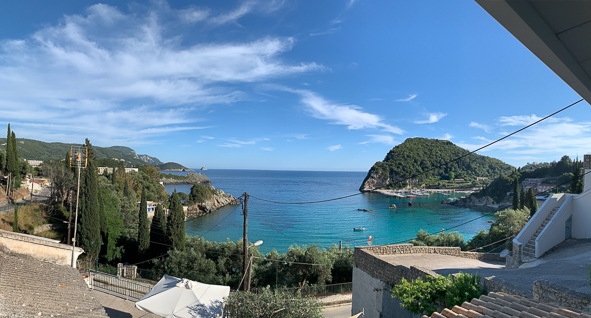
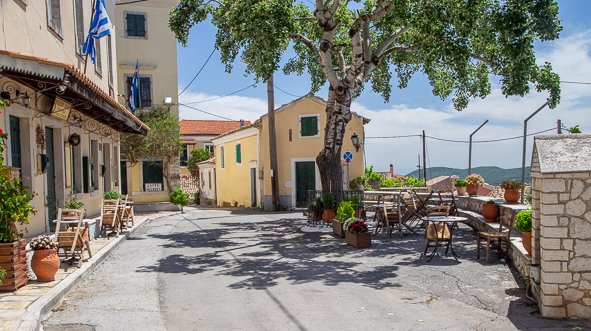
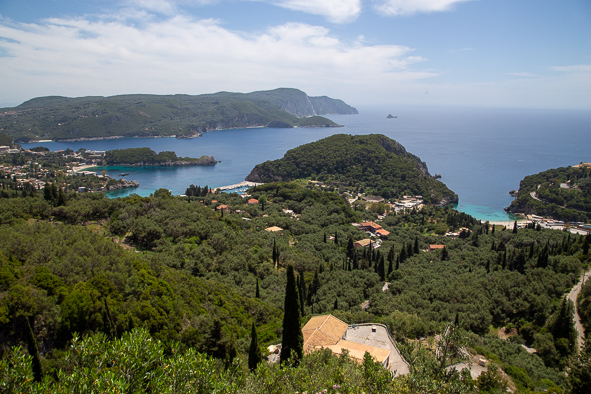
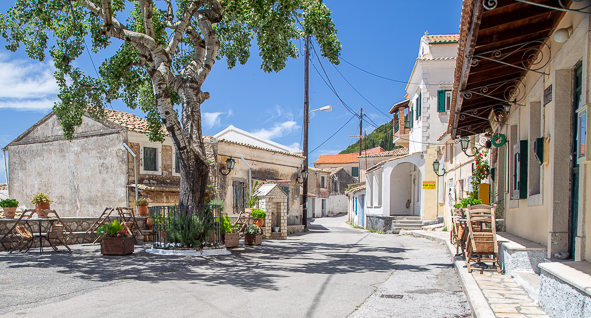
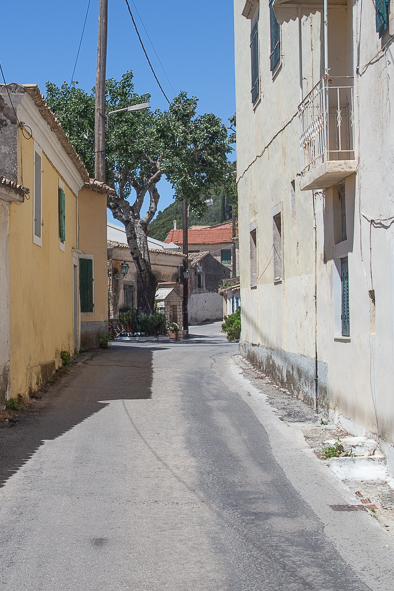
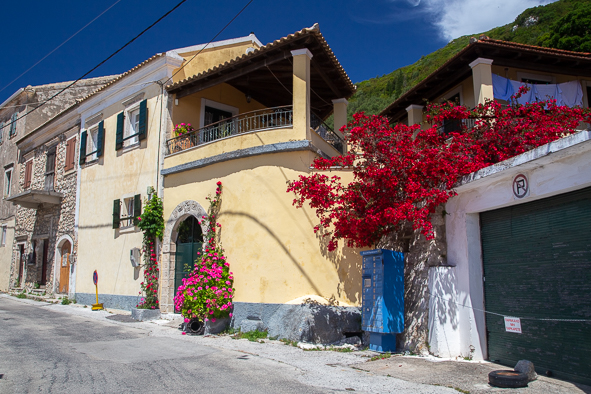
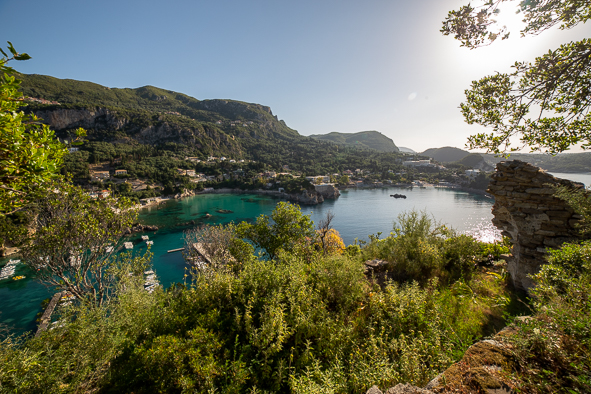
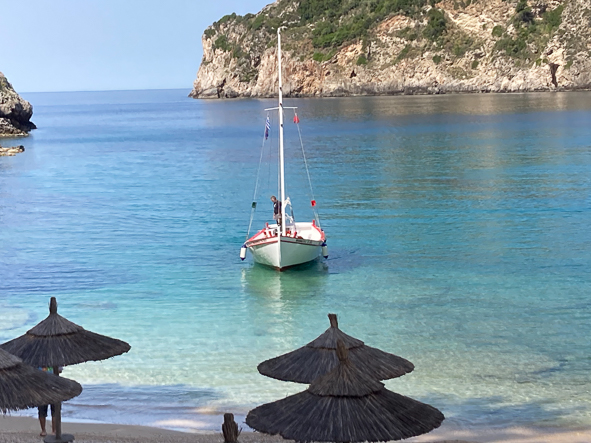
This old fishing port is now totally reliant on tourism and so has suffered significantly during the COVID crisis. As we had witnessed elsewhere, the hotels, restaurants, and tavernas were just gearing up for a new season and were all hoping for an influx of visitors. For us it was fabulous to find the place so peaceful and we thoroughly enjoyed exploring the picturesque bays, the hilltop monastery and the charming little port.
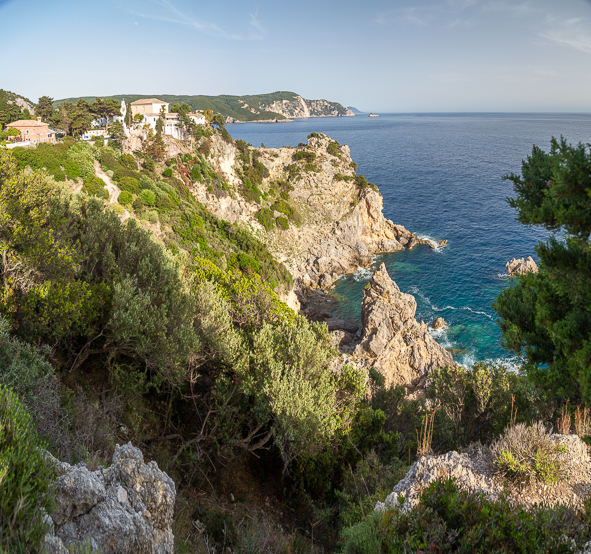
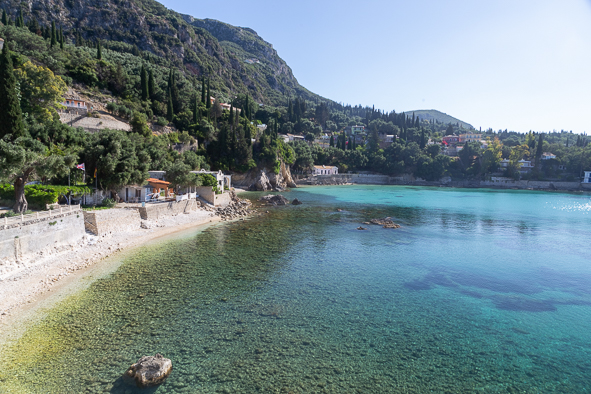
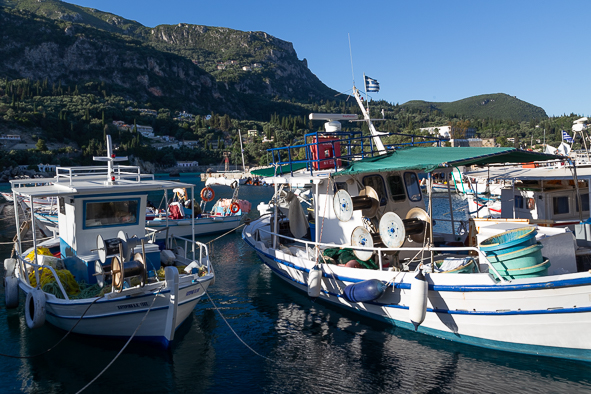
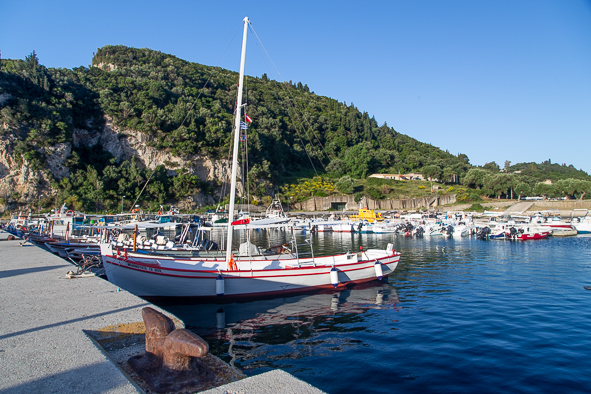
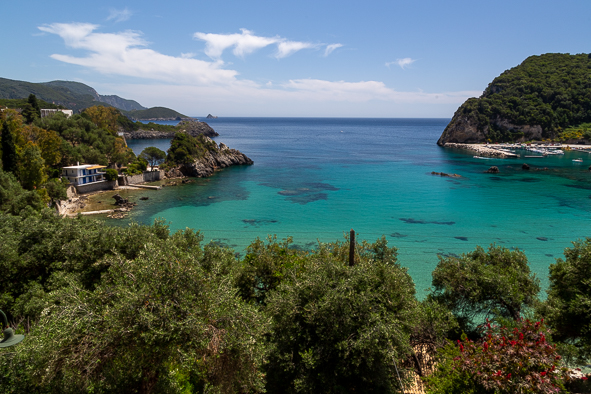
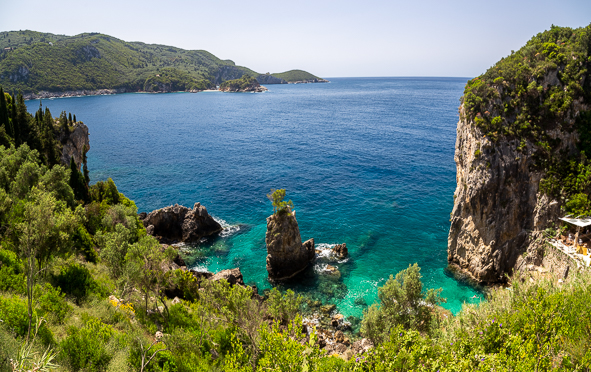
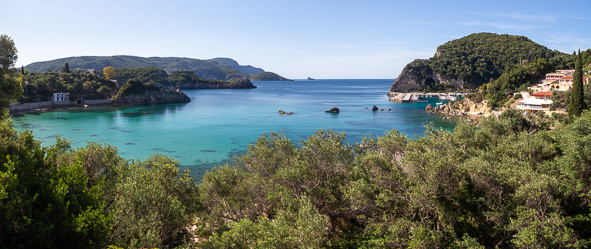
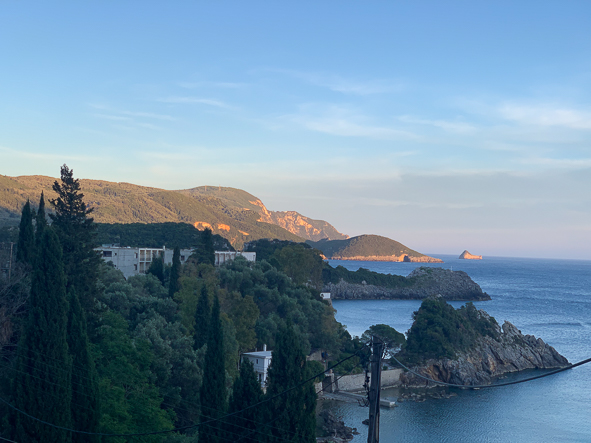
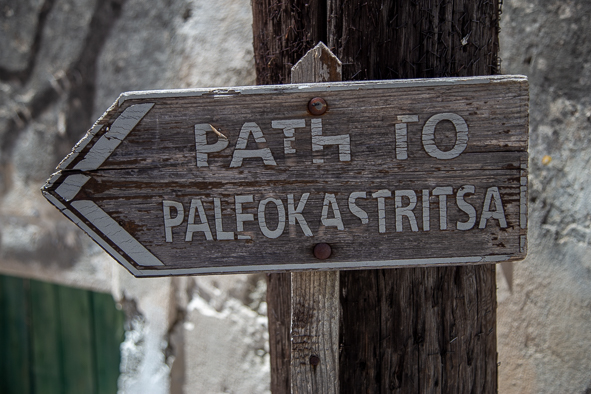
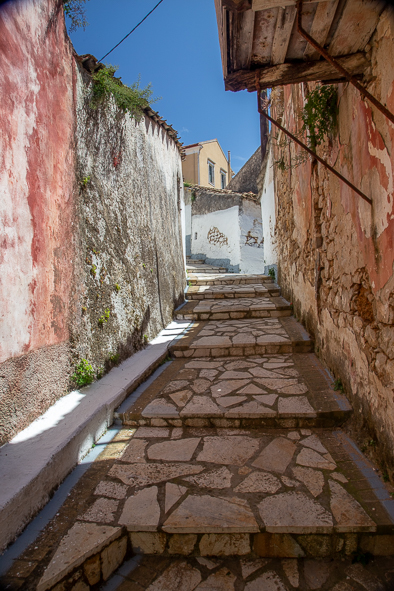
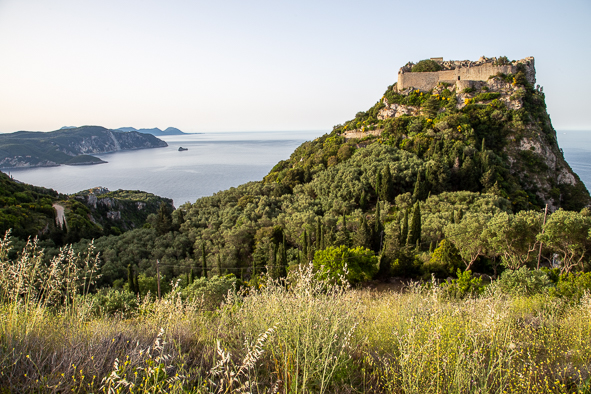
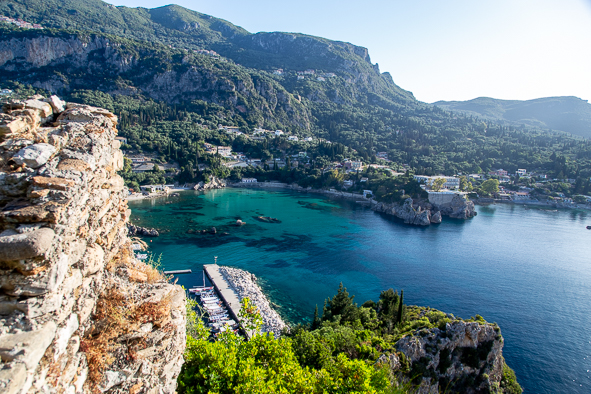
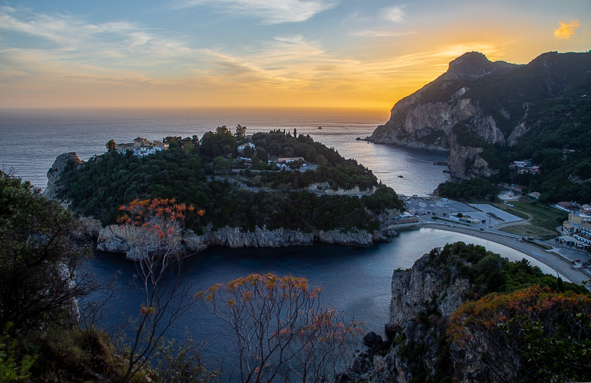
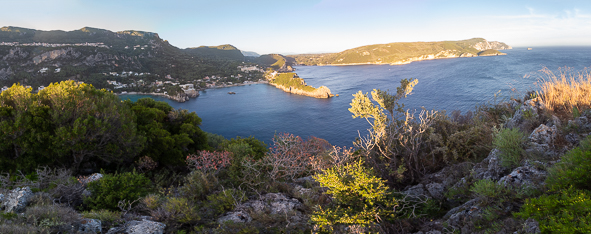
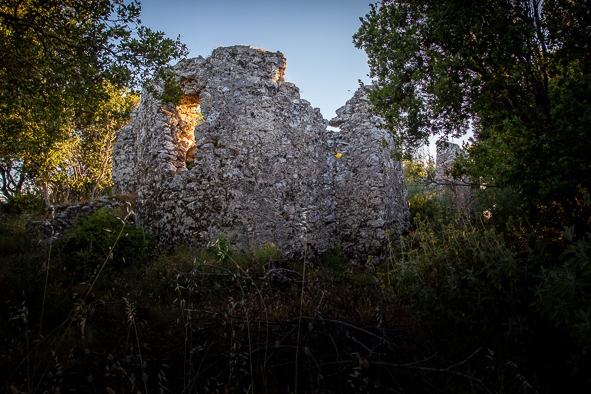
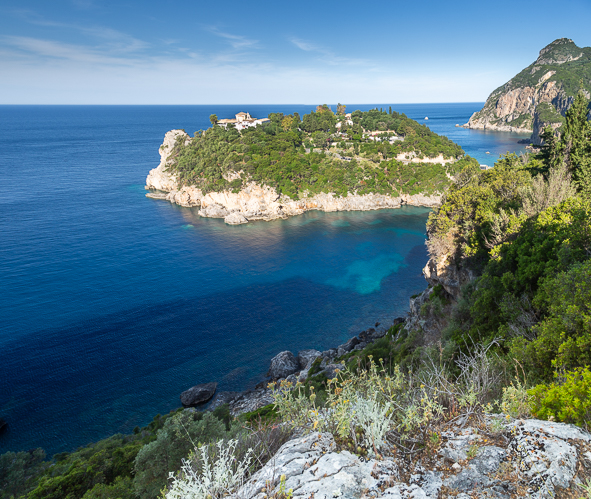
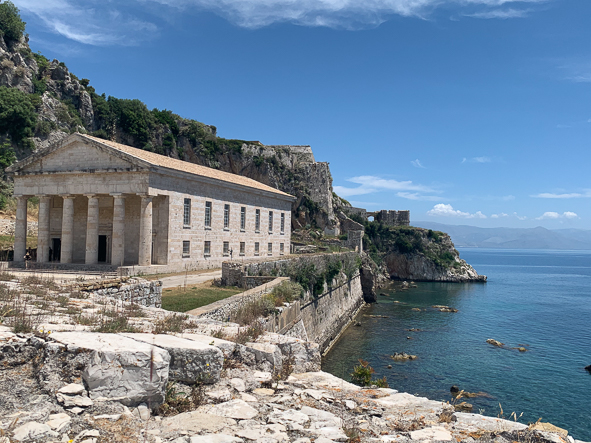
While Sue completed more university work Nigel explored a little further afield. The donkey trail marked on Google Maps led to the mountain village of Lakones and some amazing views over Paleokastritsa while enjoying coffee on the taverna terrace. The Agios Georgios old Church, also found on Google Maps revealed clifftop views and sunset scenes – paid for with multiple scratches, scrapes and pulled muscles from scrambling through overgrown trails. Totally worth it.





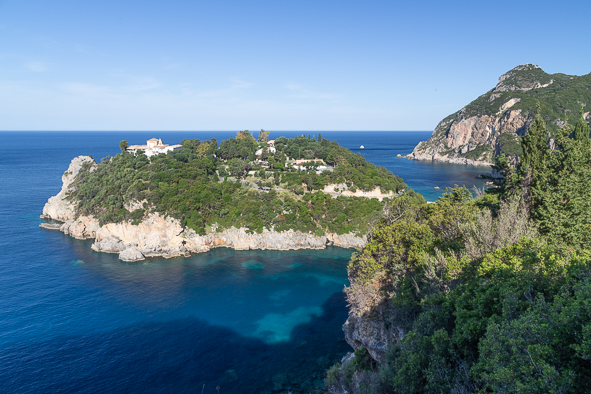


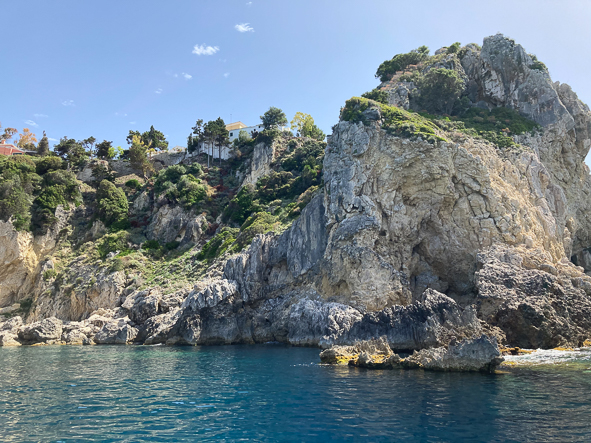
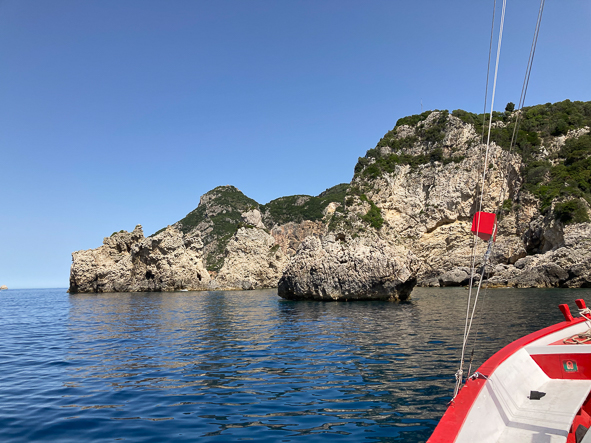
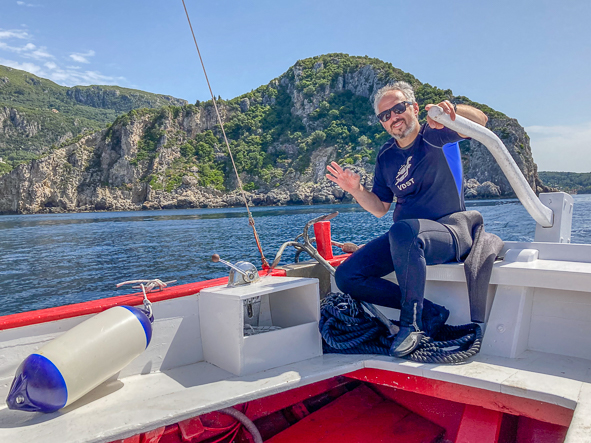
Another day of Nigel’s generous, self-imposed exiles from the apartment to allow Sue some peace and quiet to get on with her work, was spent diving in caves and blow-holes typical of limestone coastlines. The local diving operator dived from a 1968 open wooden fishing boat. It was fabulous. Nigel persuaded them that he was qualified and experienced despite having no evidence to prove this. He also made it very clear that under no circumstances was he to be treated like a novice and taken on a ‘familiarisation’ shallow water dive. The result was a private dive trip with the lead instructor to explore the deep caves and arches in the waters below the monastery. Very clear water, spectacular underwater scenery and caves filled with dense clouds of shrimp made for a great first dive.
For the second dive we were joined by two other divers who had completed their familiarisation dive. This had been deemed necessary as they were inexperienced and had not dived for 18 months. Somehow Nigel had neglected to mention that he had not dived since we had been to the Maldives in 2016!
After entering through an underwater cave we surfaced in a steeply sided blowhole with light filtering through the vegetation 60 metres above. The light played on the mineral colours in the stalagmites, stalactites and flowstone giving the place a very ‘lost world’ feel and the fresh water springs flowing into the salt water of the cave gave a shimmering optical distortion underwater. A most unusual and memorable dive.
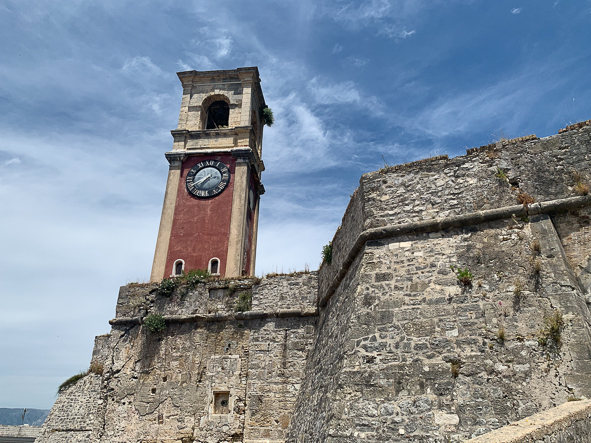
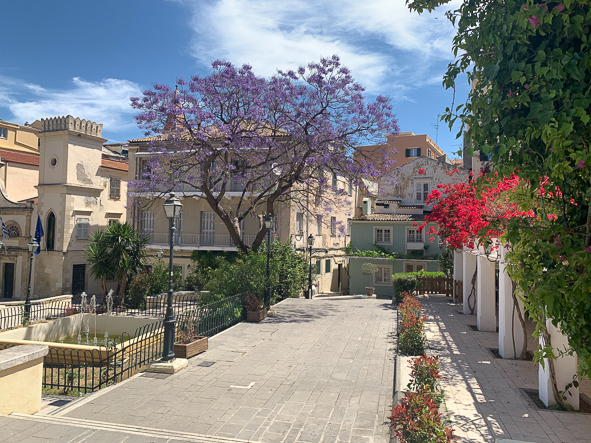
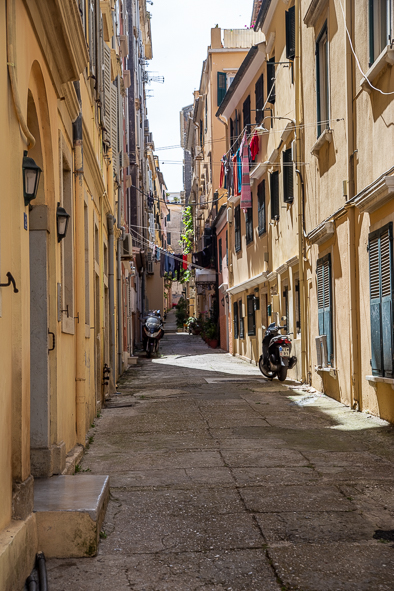
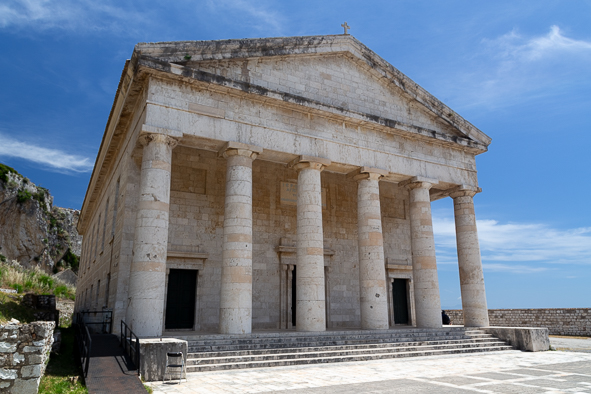
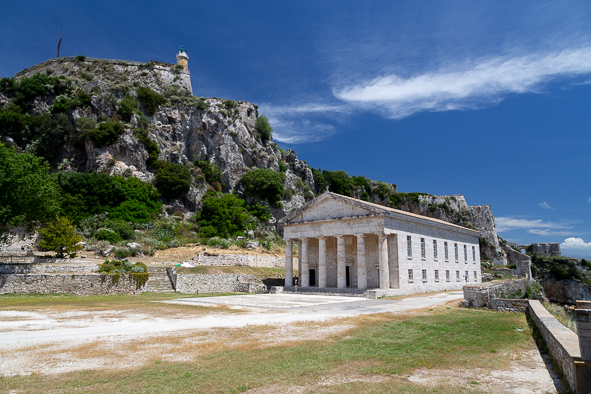
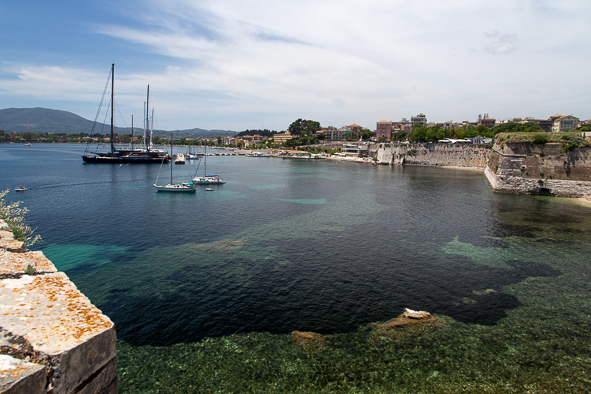
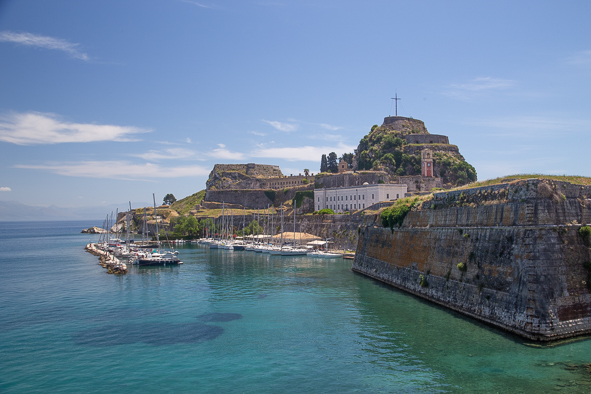
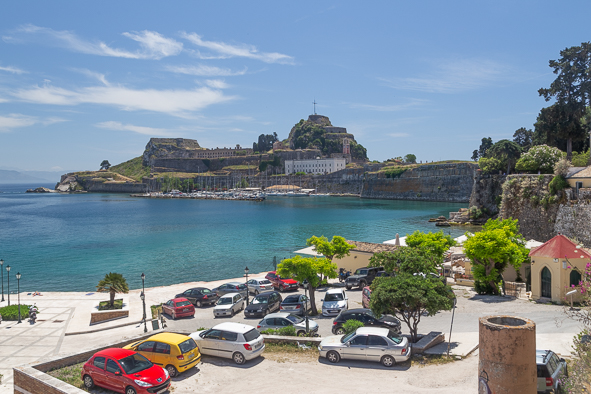
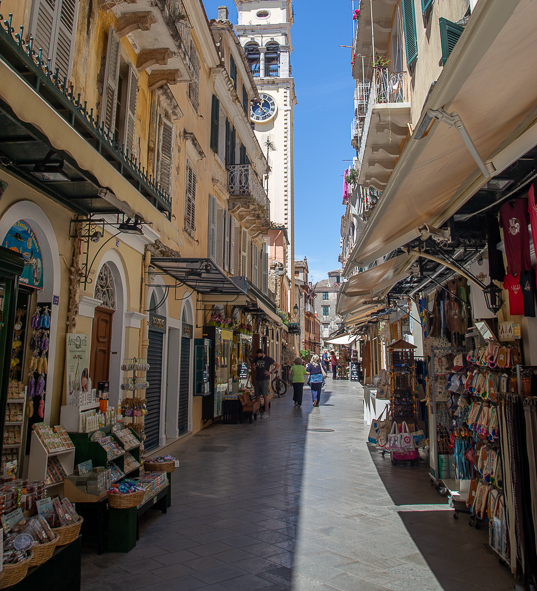
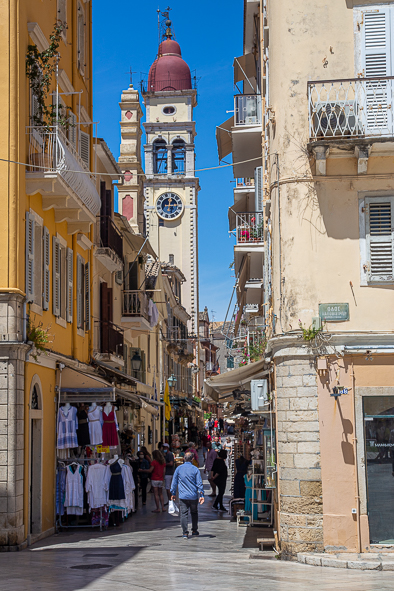
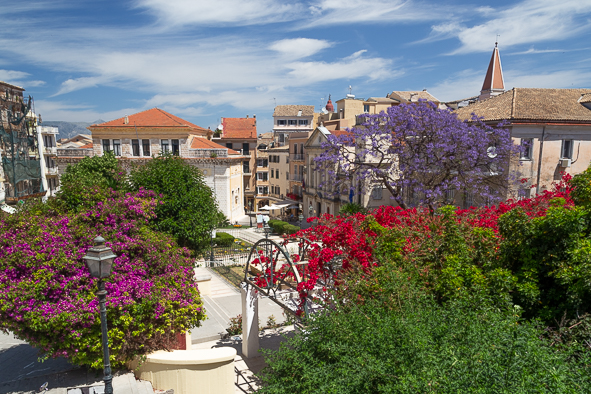
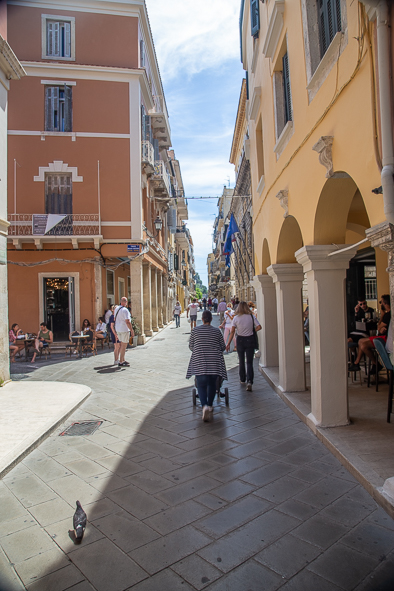
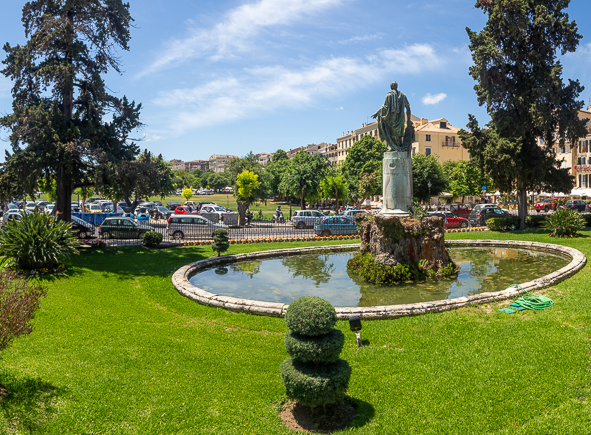
We combined our compulsory covid testing prior to flying with a trip into Corfu Old Town. Once again we had managed to stumble upon another UNESCO World Heritage Site.
“The urban and port ensemble of Corfu, dominated by its fortresses of Venetian origin, constitutes an architectural example of outstanding universal value in both its authenticity and its integrity.”
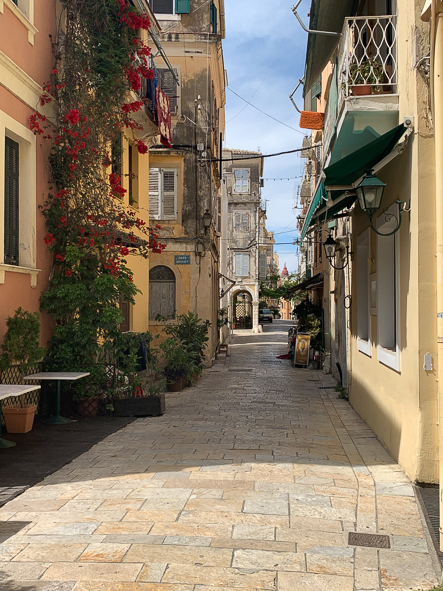
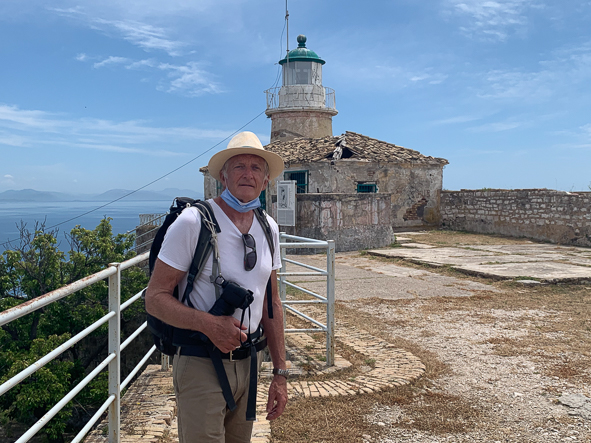
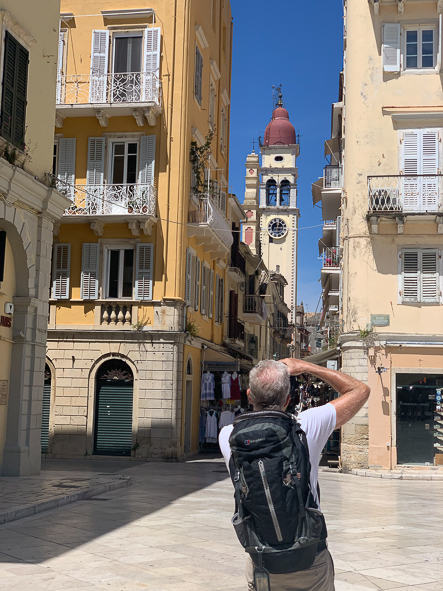
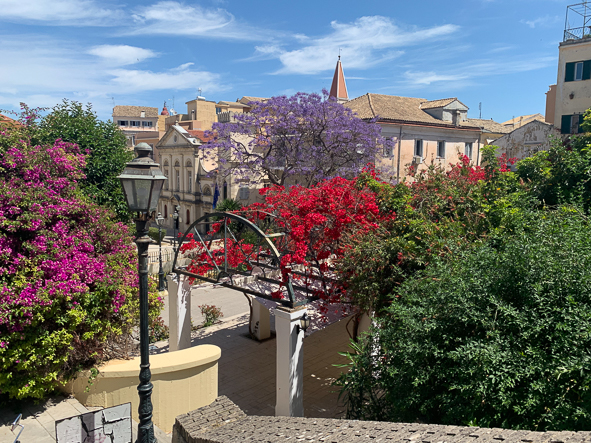
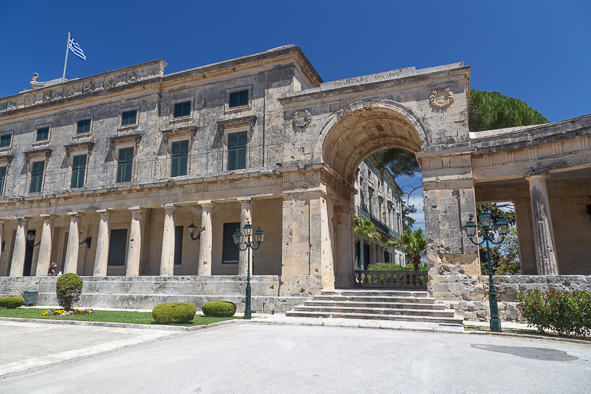
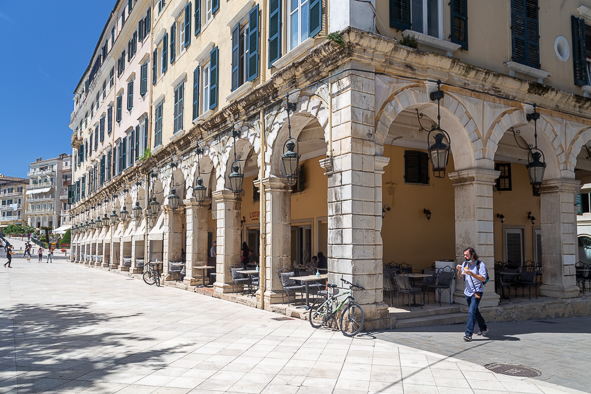
We simply wandered through the narrow streets, visited the fortresses, admired the Palace of St Michael and St George and had lunch in one of the many cafes lining The Liston, an elegant promenade dating back to Venetian times but given a Parisian feel during one of the brief French occupations of Corfu.




We thoroughly recommend Corfu as a holiday destination. We would definitely avoid the heat and the crowds in July and August and visit again in May. Alternatively, an end of season visit in late September or October could be good. Locals that we spoke to said that even into November the sea will be warm and the weather lovely.
The reason for our trip was to gain access to the UK without hotel quarantine. So the mission was a success. We are currently doing our 10 days home isolation at Claire and Jonathans’ lovely home in Dorset. The weather is glorious and we are just hoping they it remains like this in a weeks’ time when we can finally get out into the wonderful Dorset countryside and coastline.
 Weather is lovely, wish you were here