
Notice that the title says “Five nights on the boat” rather than five days away. So…
Sunday 5 February
The plan was to spend Sunday getting the boat ready in a very leisurely sort of a way and then spend the night just around the corner in Smugglers Bay so that we could have a nice early start on Monday. But in the words of Robert Burns “The best laid schemes o’ Mice an’ Men. Gang aft agley”.
The planning issue only became apparent when Nigel went to turn the gas on for us to cook dinner. He then realised that gas hose he had removed to get a replacement was in fact needed to prevent gas escaping from a cut off switch. So a slight change in the menu for dinner meant that we could still spend the night in Smugglers but we did need to head home the next day to collect the hose.
Monday 6 February
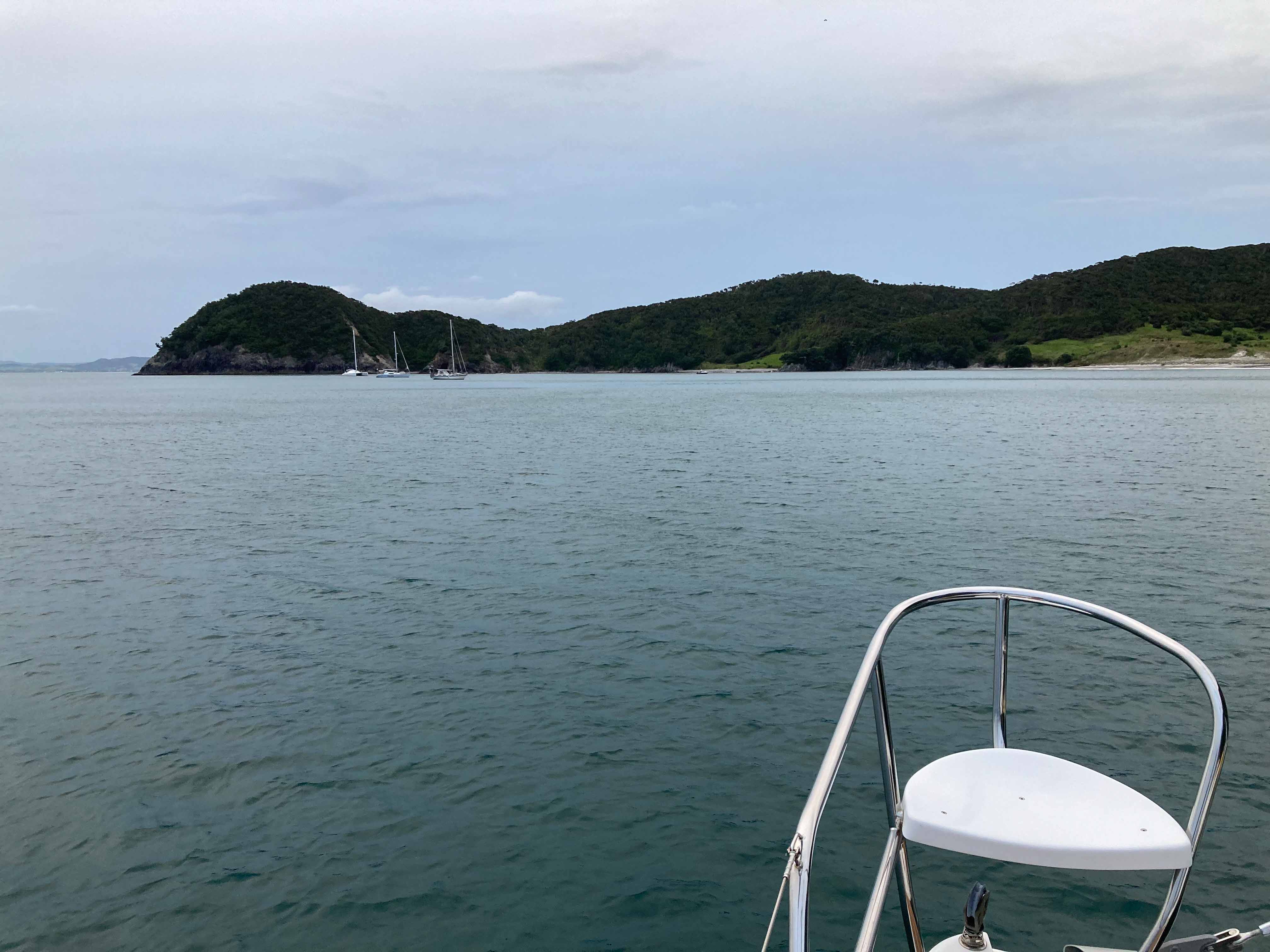
Gotta love serendipity! As we motored home the next day Sue got a message from a former student of Forest View High School (the school we taught at when we first arrived in New Zealand). We had not seen Michael Eaddy since he left school in 1992. He now works in Melbourne. His sister, Nichola, and her husband, Keith, recently bought a bach a few hundred metres from where we used to live in One Tree Point. New Zealand is such a small place! Michael was visiting his sister and wanted to know if he could visit us today. Since we were heading home anyway it was a perfect chance to catch up. Michael and Keith sailed across the harbour and we spent a very pleasant few hours reminiscing and finding out what some of our former pupils had been getting up to.
With the offending gas hose now returned to its rightful place we opted to spend the night on the boat just on the mooring so that we could once again try for an early start. We had also brought a small induction hob (a legacy of Sue’s hotel life in Al Ain) to try and see if we could manage without gas cooking. As it turned out, we could. So future modifications to the boat might well see the gas hob and oven replaced with an induction hob and combination oven/microwave.
Tuesday 7 February
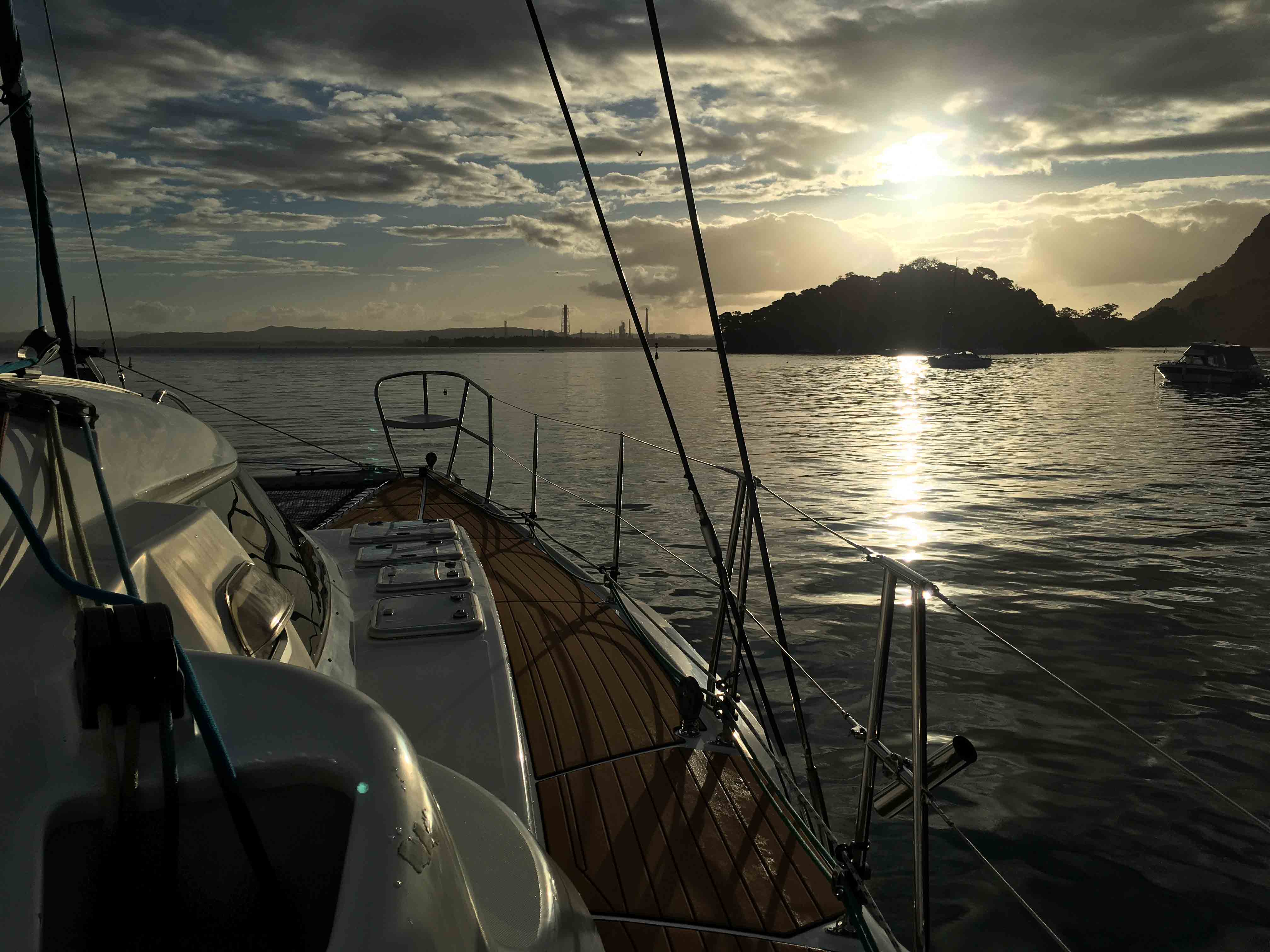
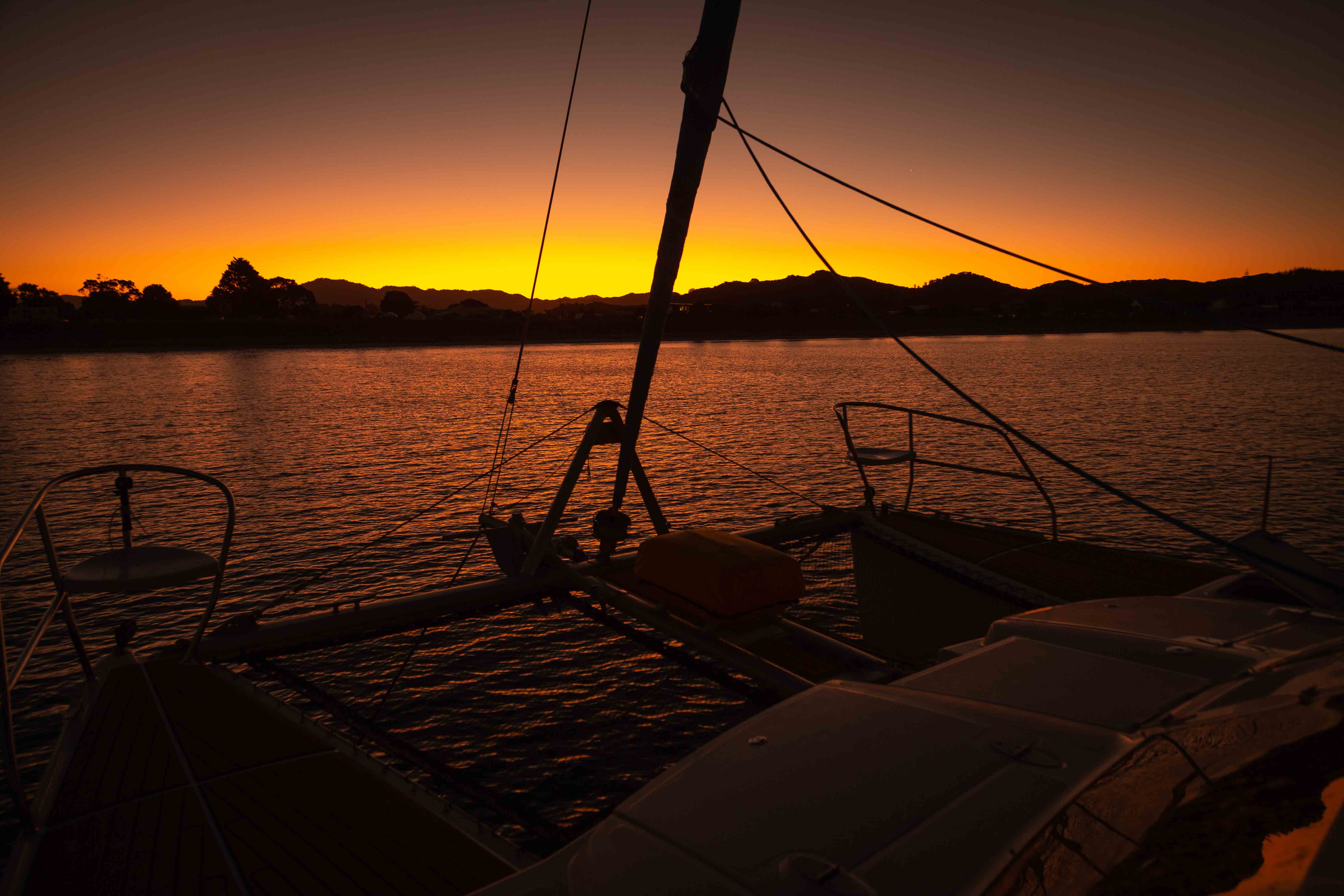
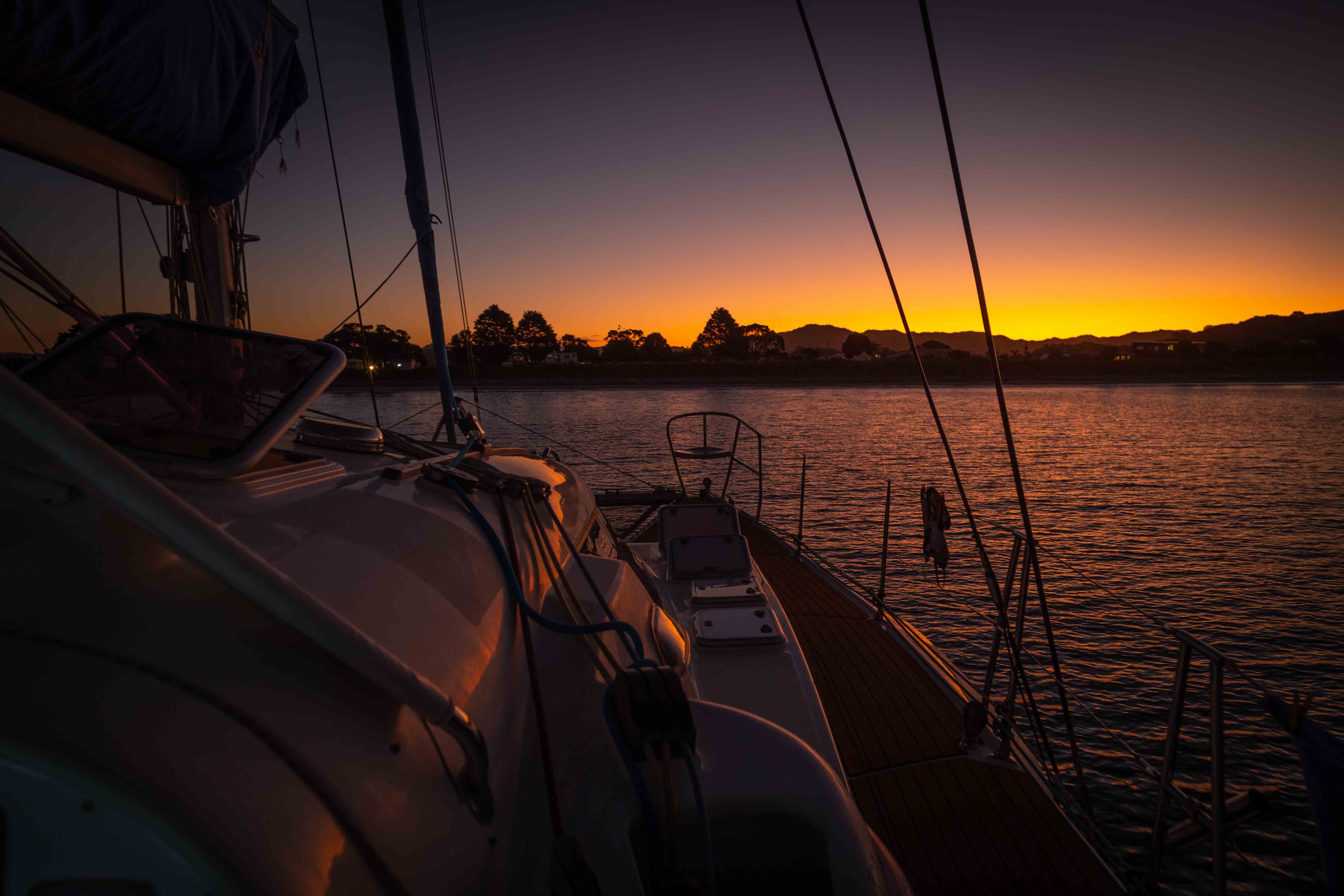
While Sue slept, Nigel slipped the mooring and headed out into a glorious sunrise.
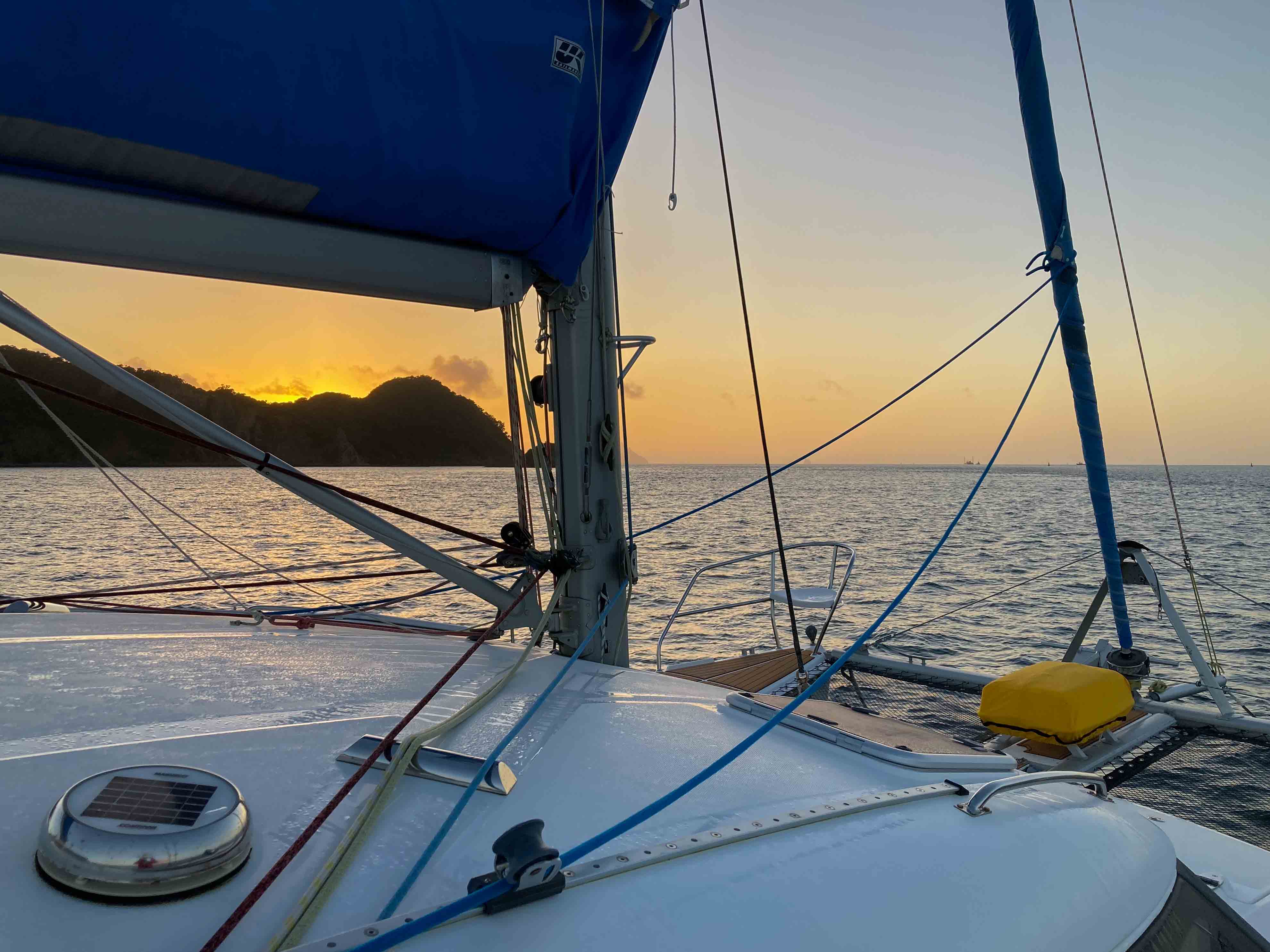
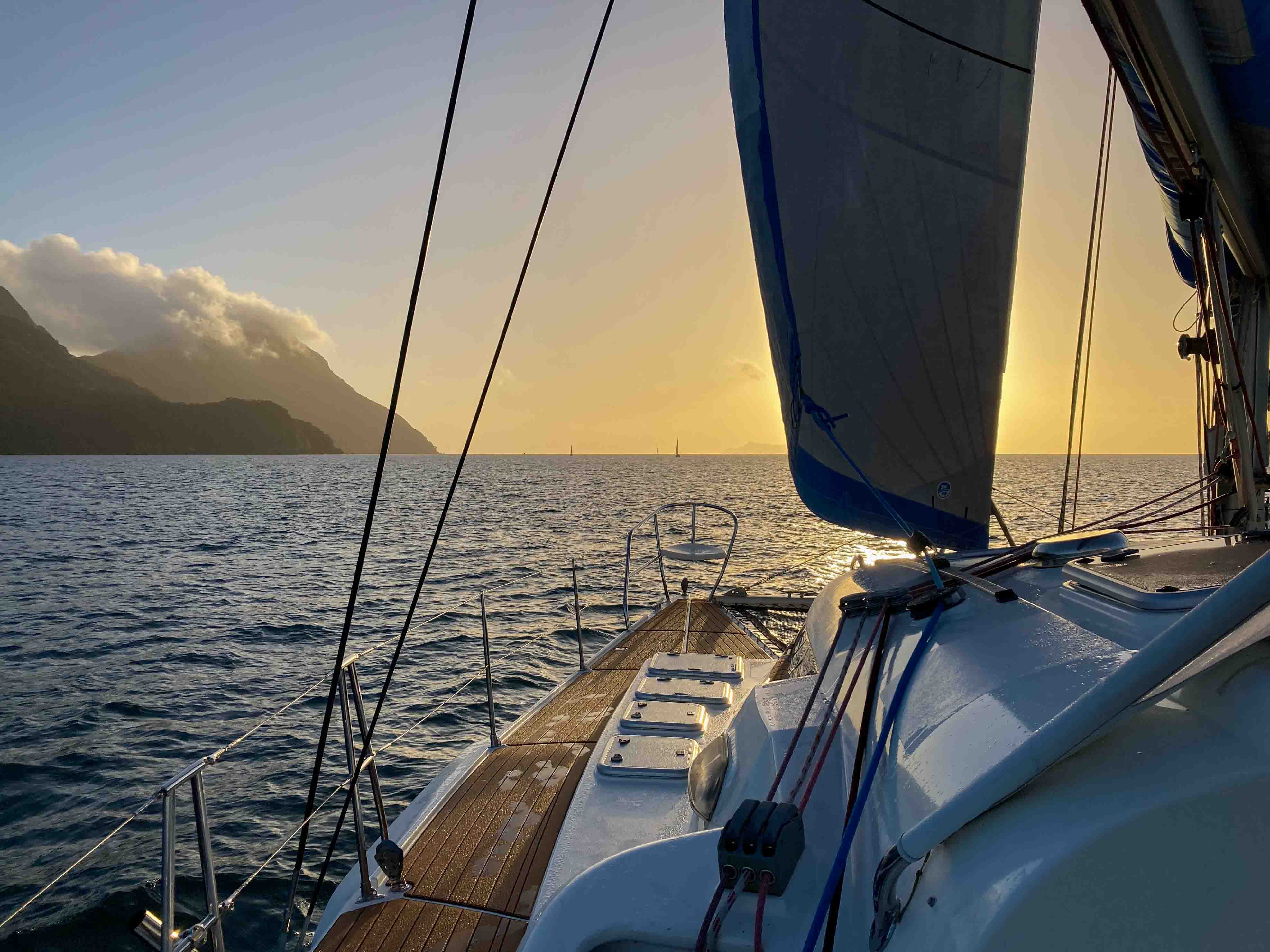
We knew that the winds would be light today so the goal was to catch what little breeze was forecasted for early in the day to take us north to Bland Bay. By 8am Sue was out of bed to help hoist the spinnaker so that we could enjoy 3 hours of very gentle sailing under our glorious bright yellow asymmetric spinnaker.


Once the wind died completely we opted to motor for an hour or so rather than just wallow. When the wind returned, it was no longer behind us but the light breeze gave us the opportunity to fly our Code 0. This is a light wind sail that requires its own continuous furling system that we had not been brave enough to try before today. It all went up successfully and gave us another couple of knots over the smaller and heavier genoa. (Hope you are impressed with all this sailing jargon we are throwing in here). Before the sails went back up we managed to catch one kahawai, dinner sorted!


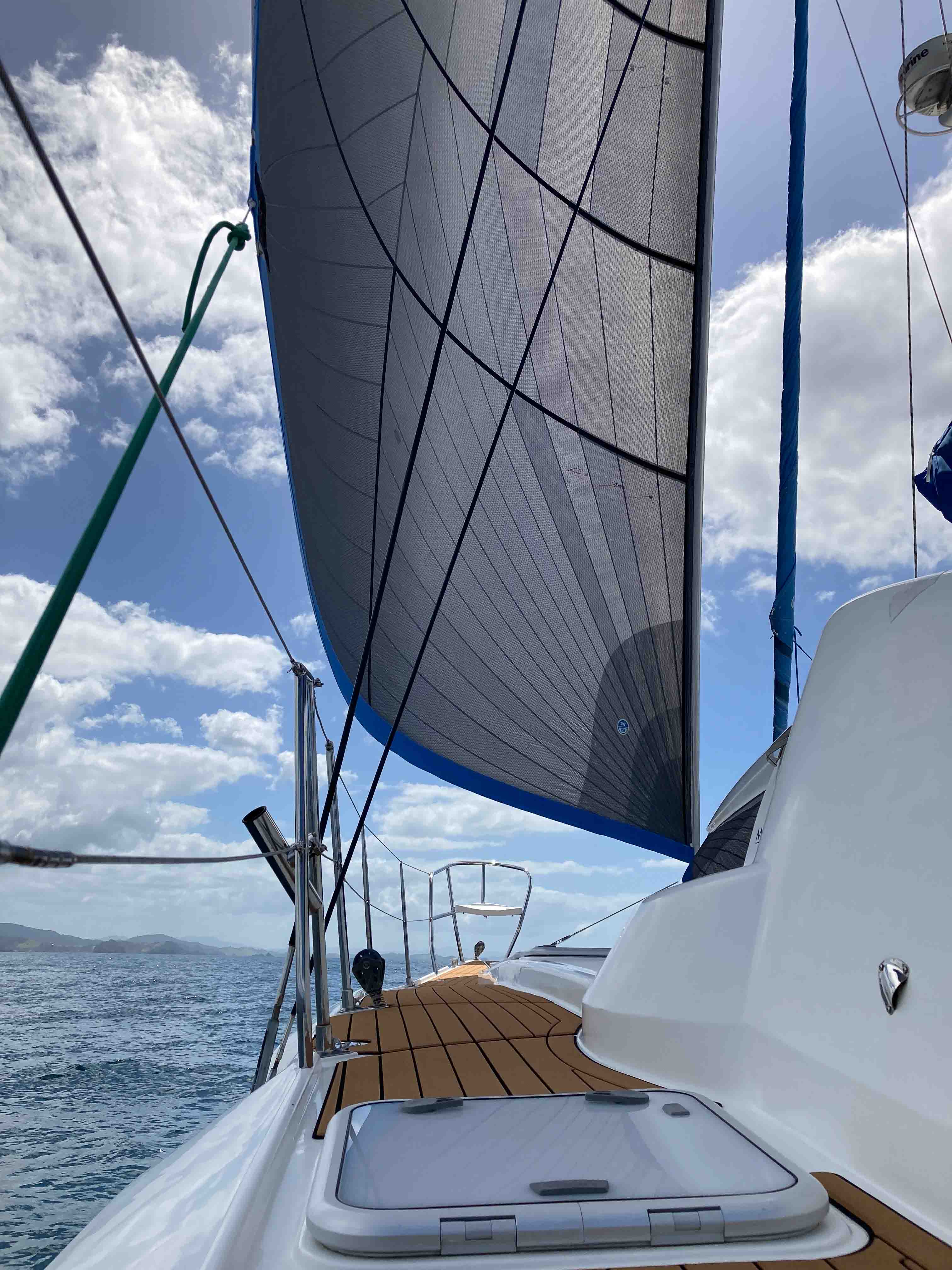
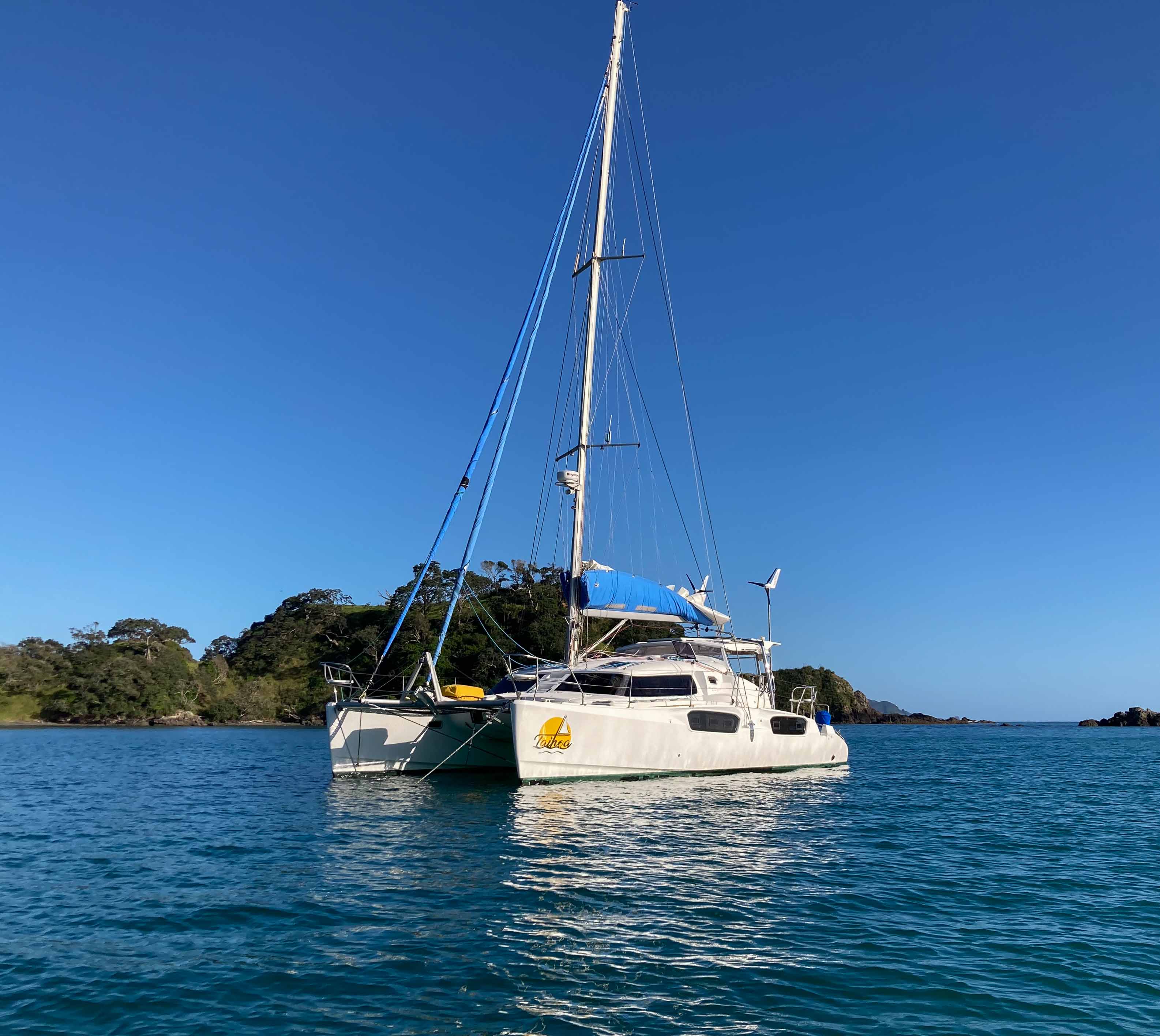
Even with our go faster Code 0 we were really going too slowly to make it to Bland Bay so we opted to head into Mimiwhangata instead. It was beautiful. We headed into the north west side of the bay where a small island gave shelter from the easterly swell and settled in for a lovely calm evening in which to enjoy sundowners lounging on the the trampoline.


Wednesday 8 February
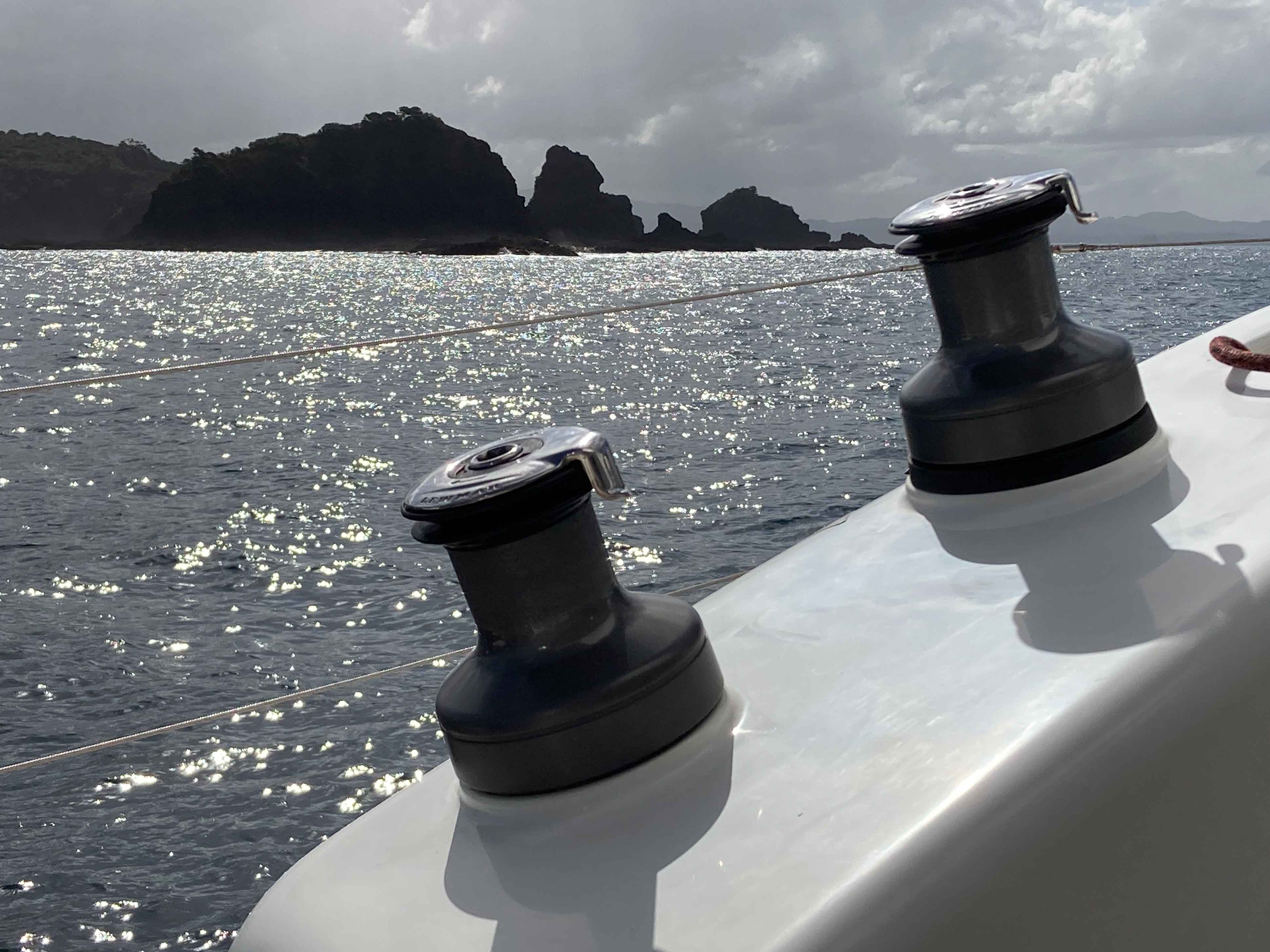
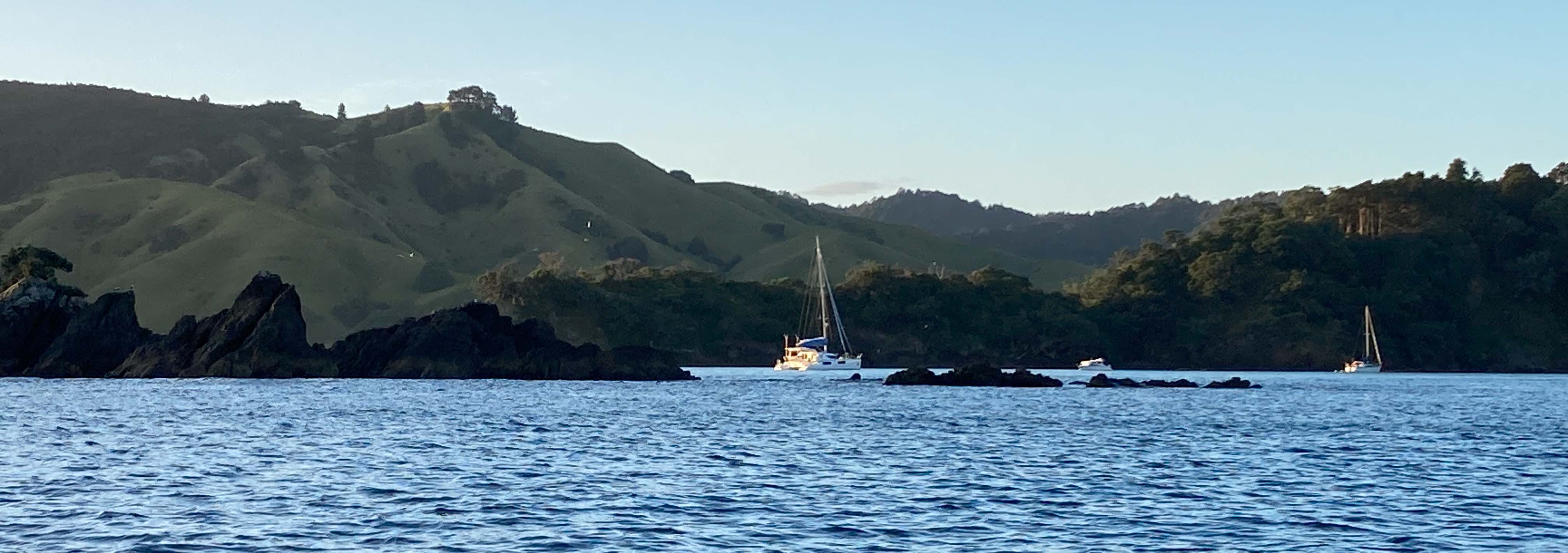
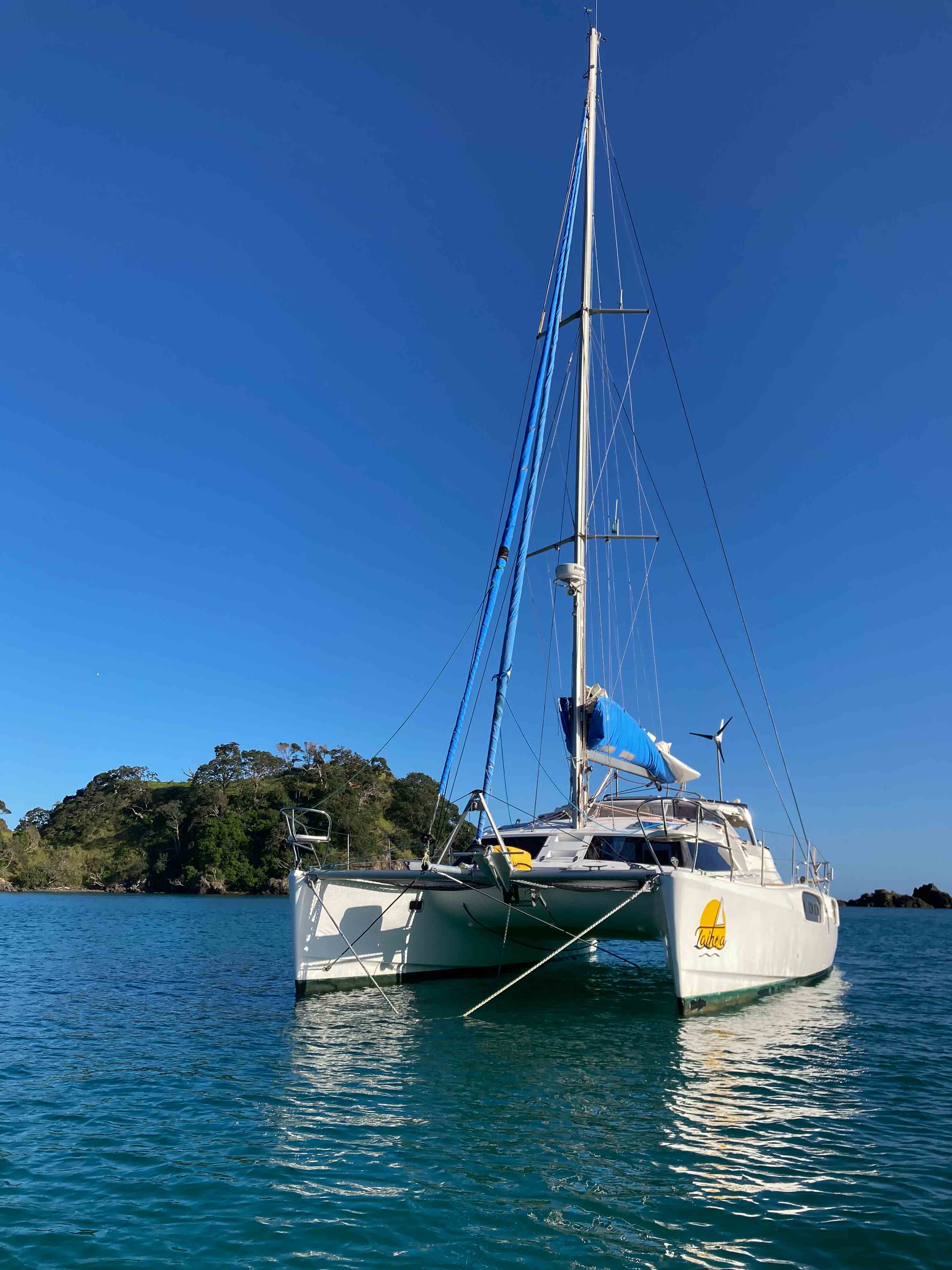
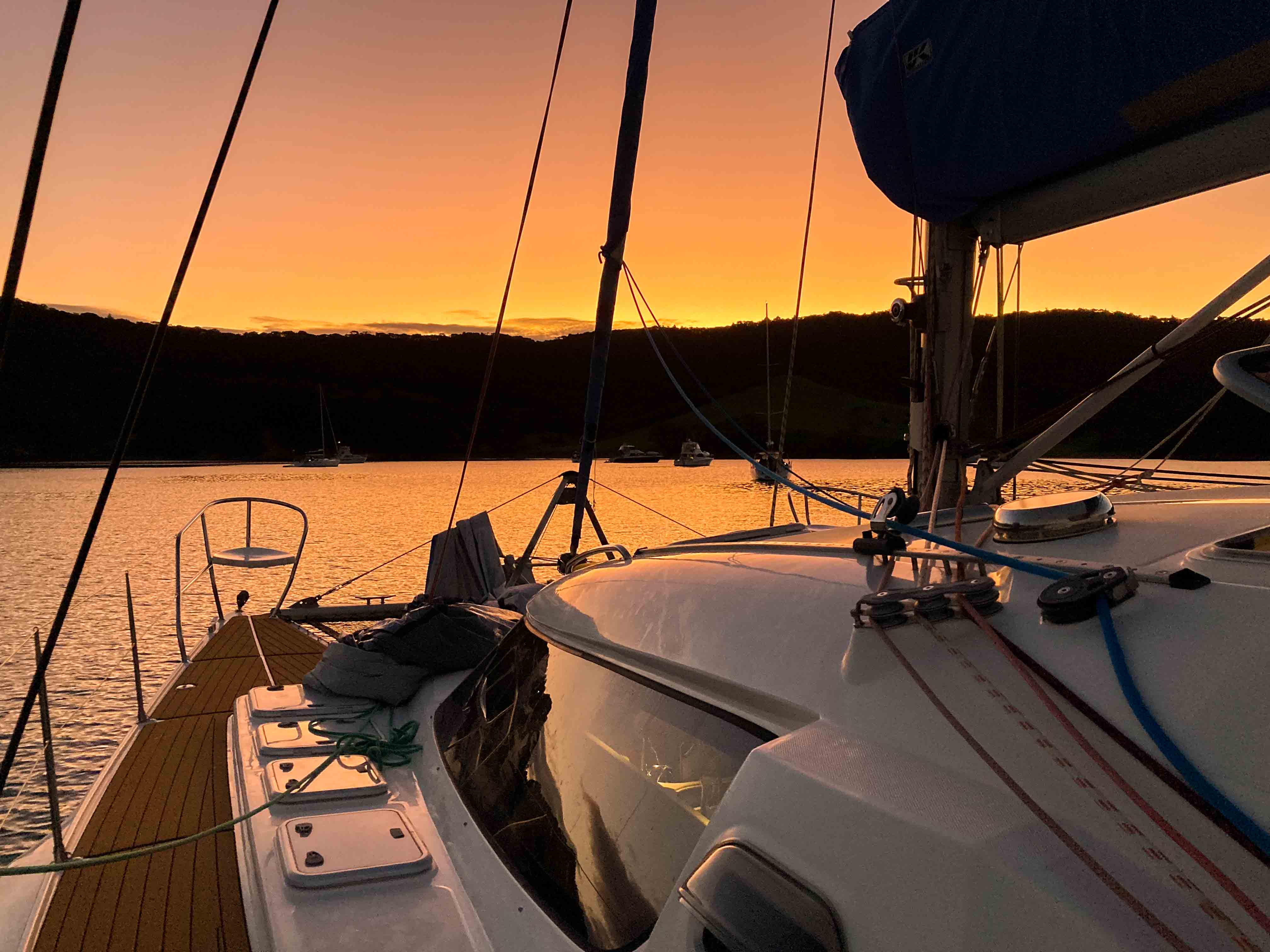
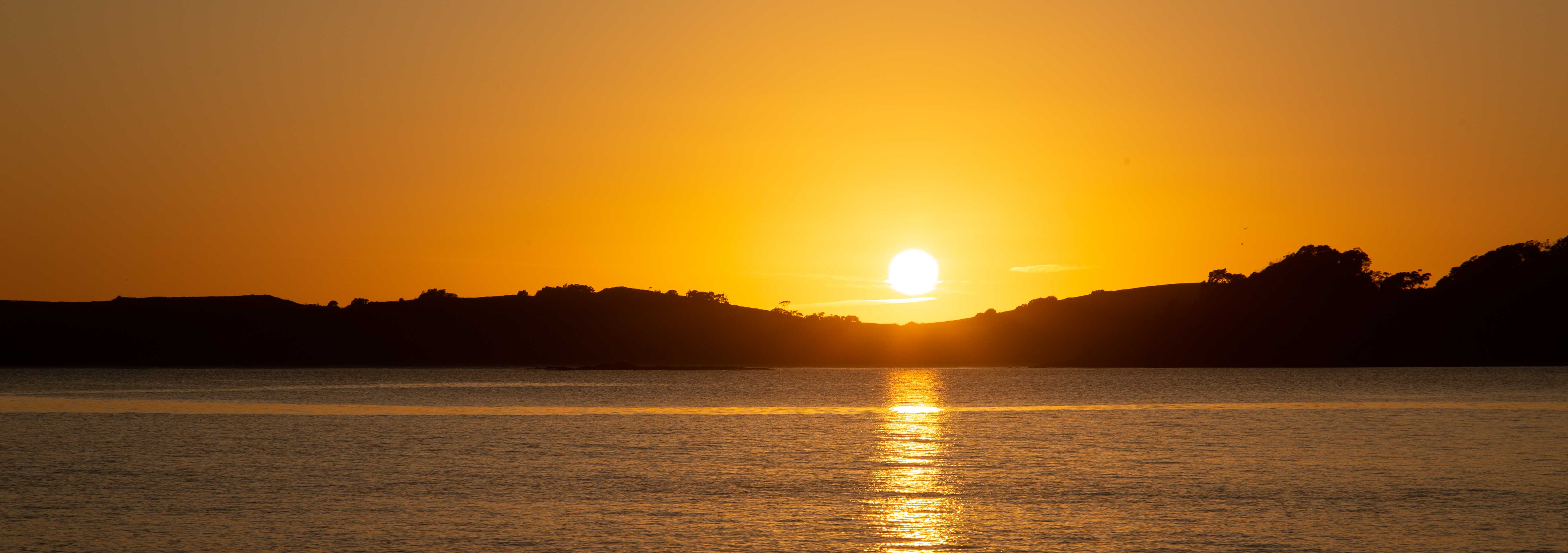
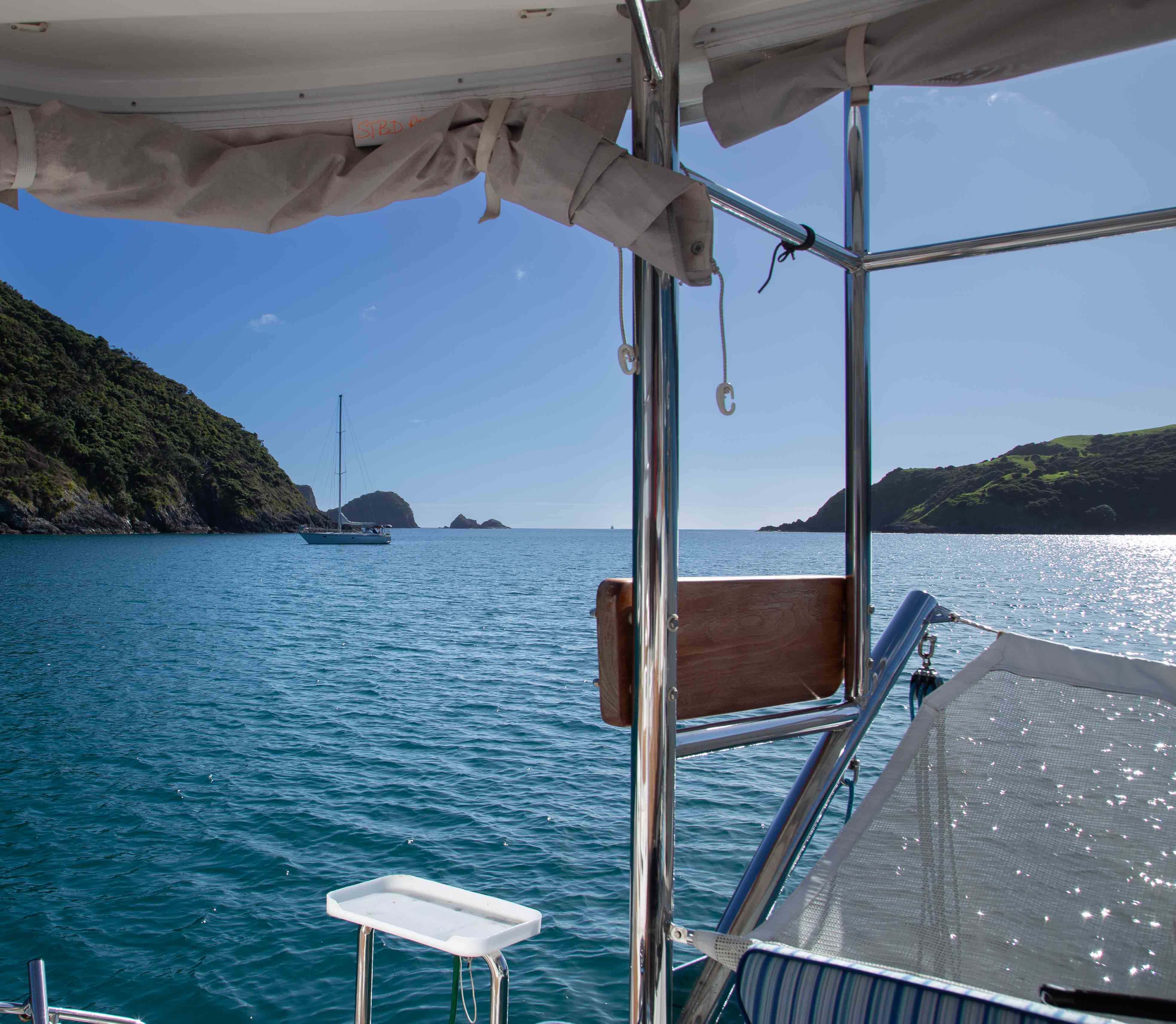
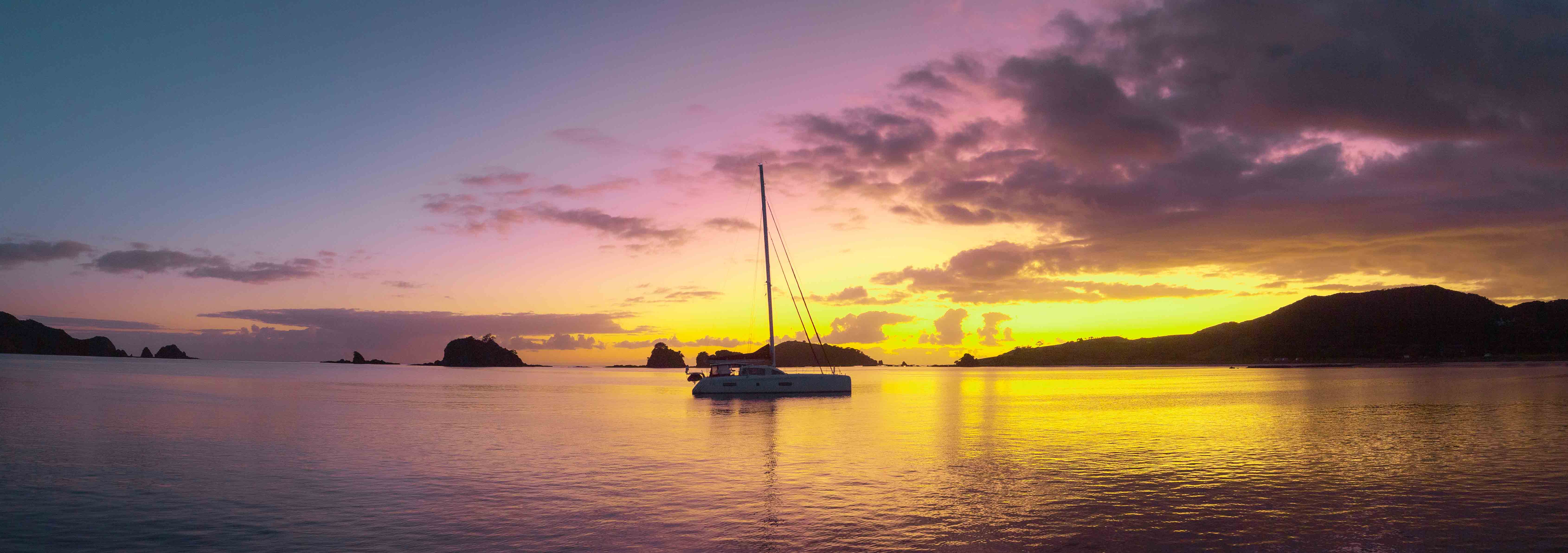
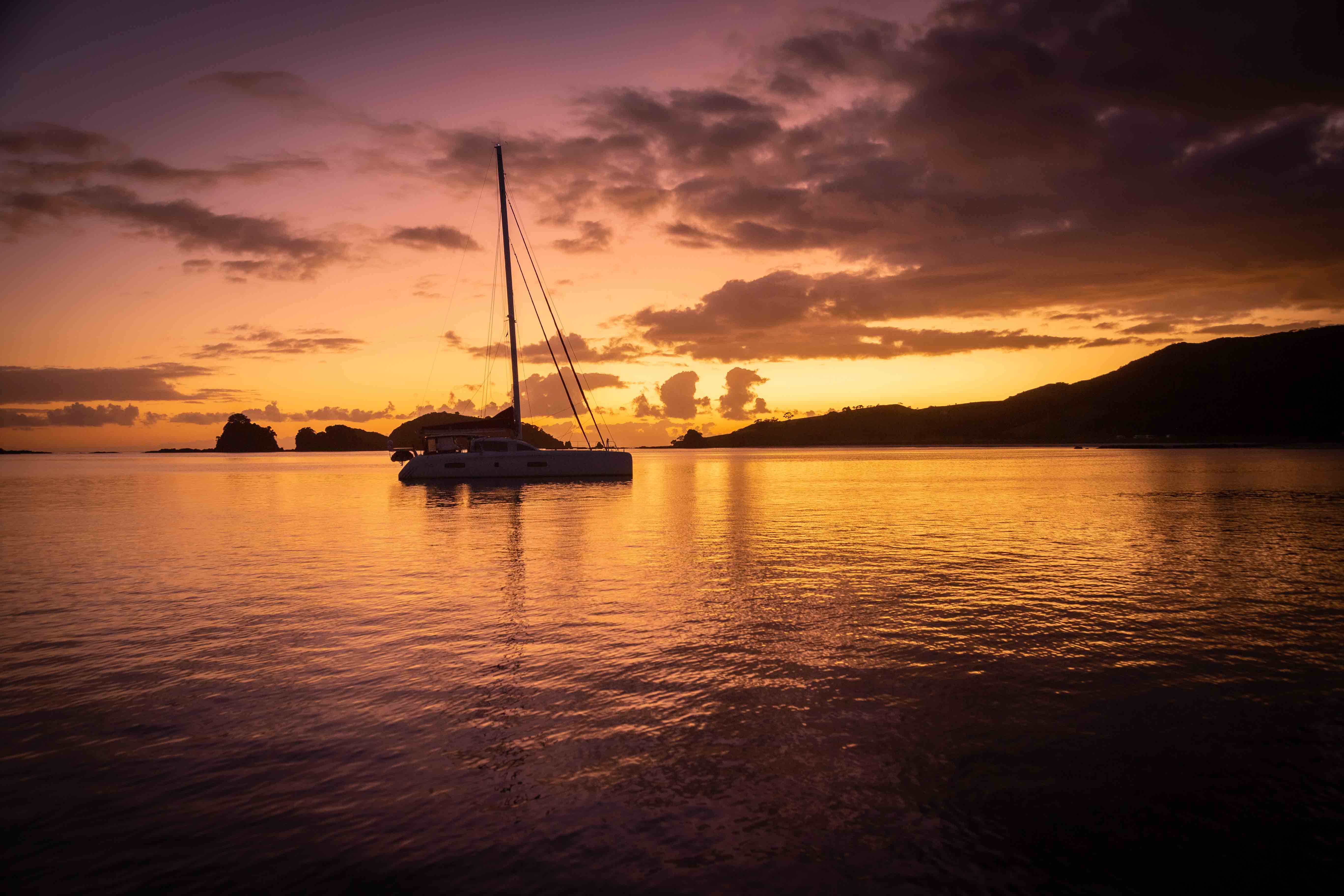
An early morning fishing expedition for Nigel did not yield any fish but did reveal a glorious sunrise followed by the boat photos that you can see above.

Our copy of the Royal Akarana Yachtclub Coastal Cruising Guide suggested that a walk up the headland by our anchorage would reveal some worthwhile views. So up we went. Great views along the coast to Helena Bay and beyond and some much needed exercise.
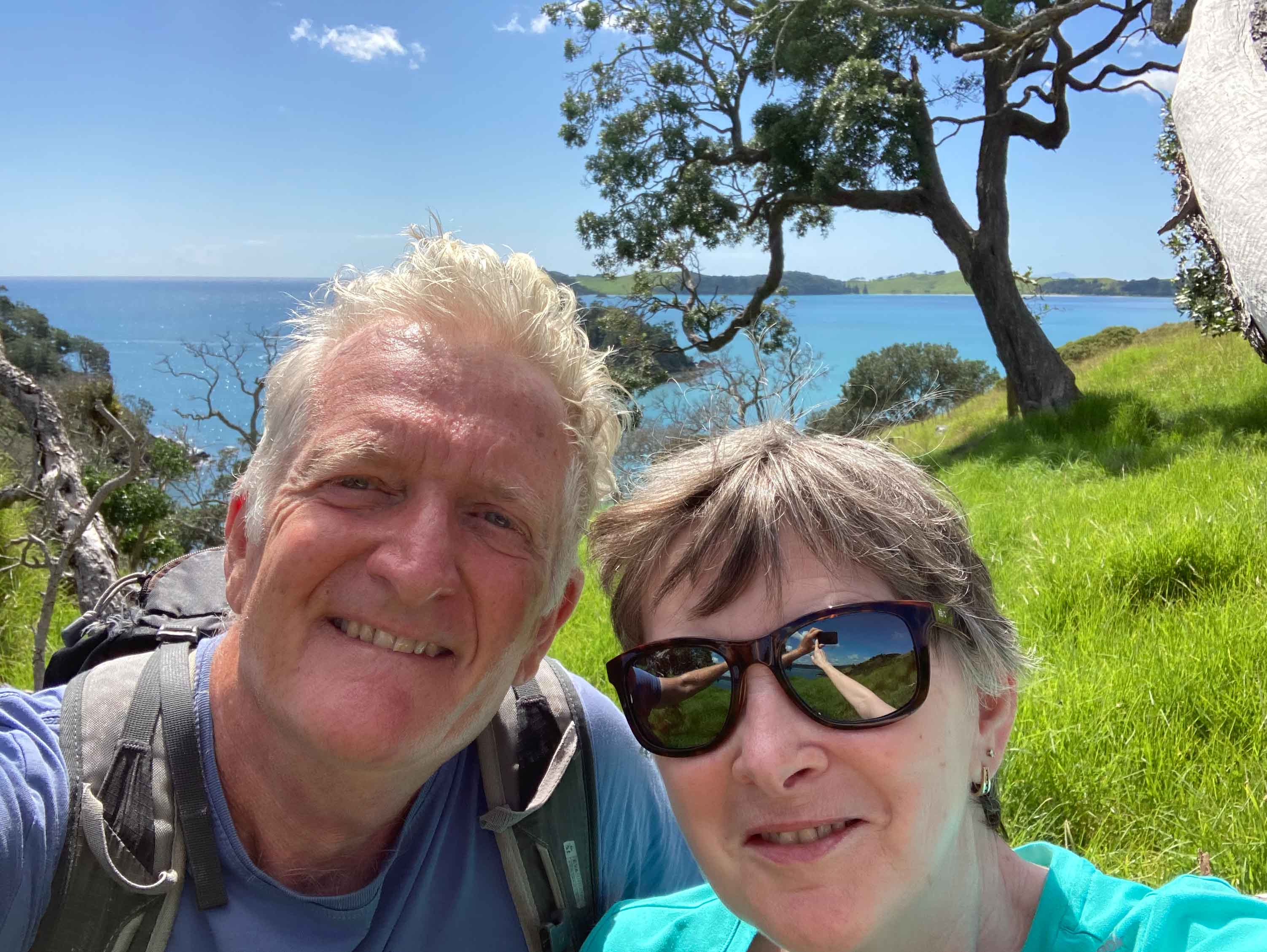

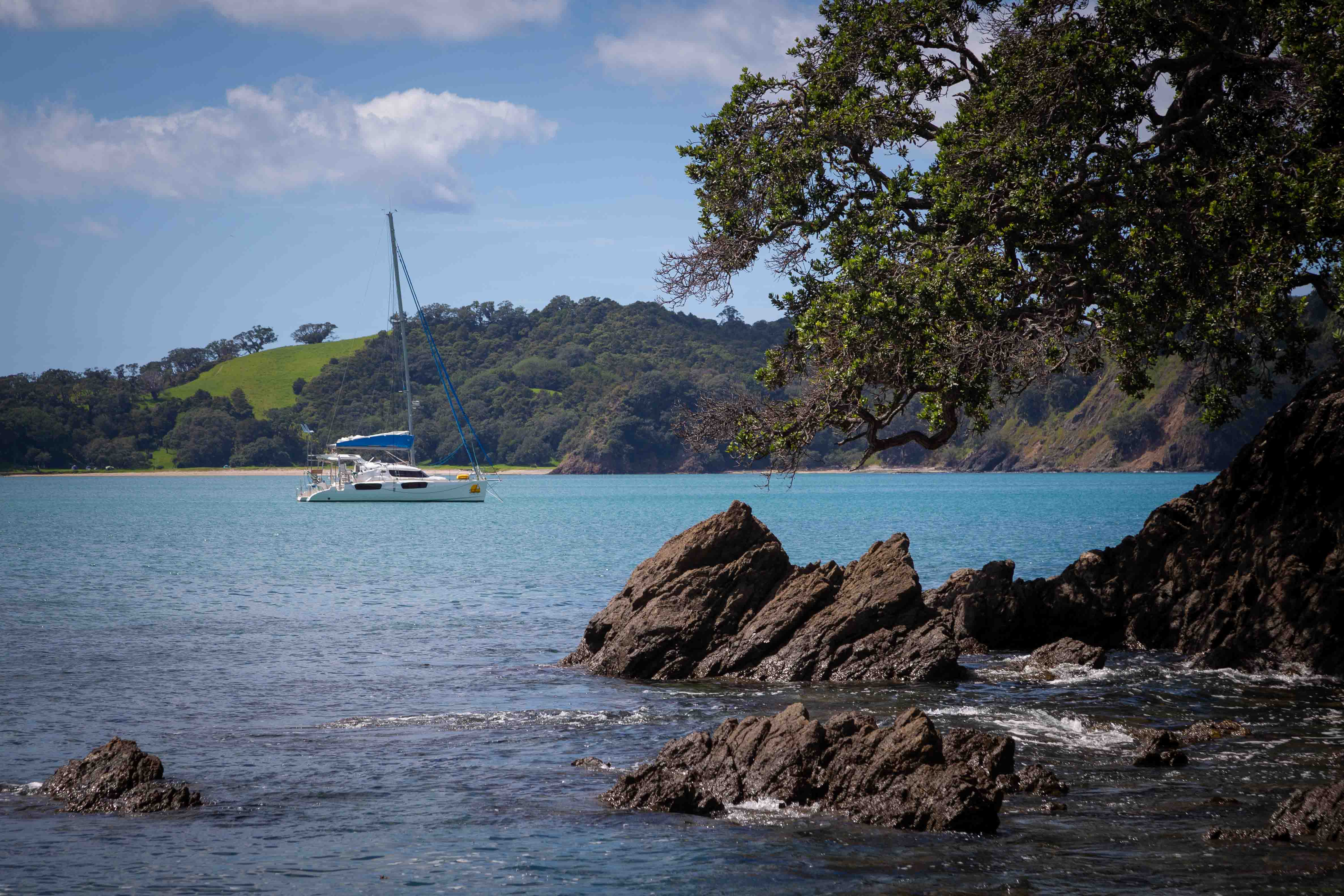

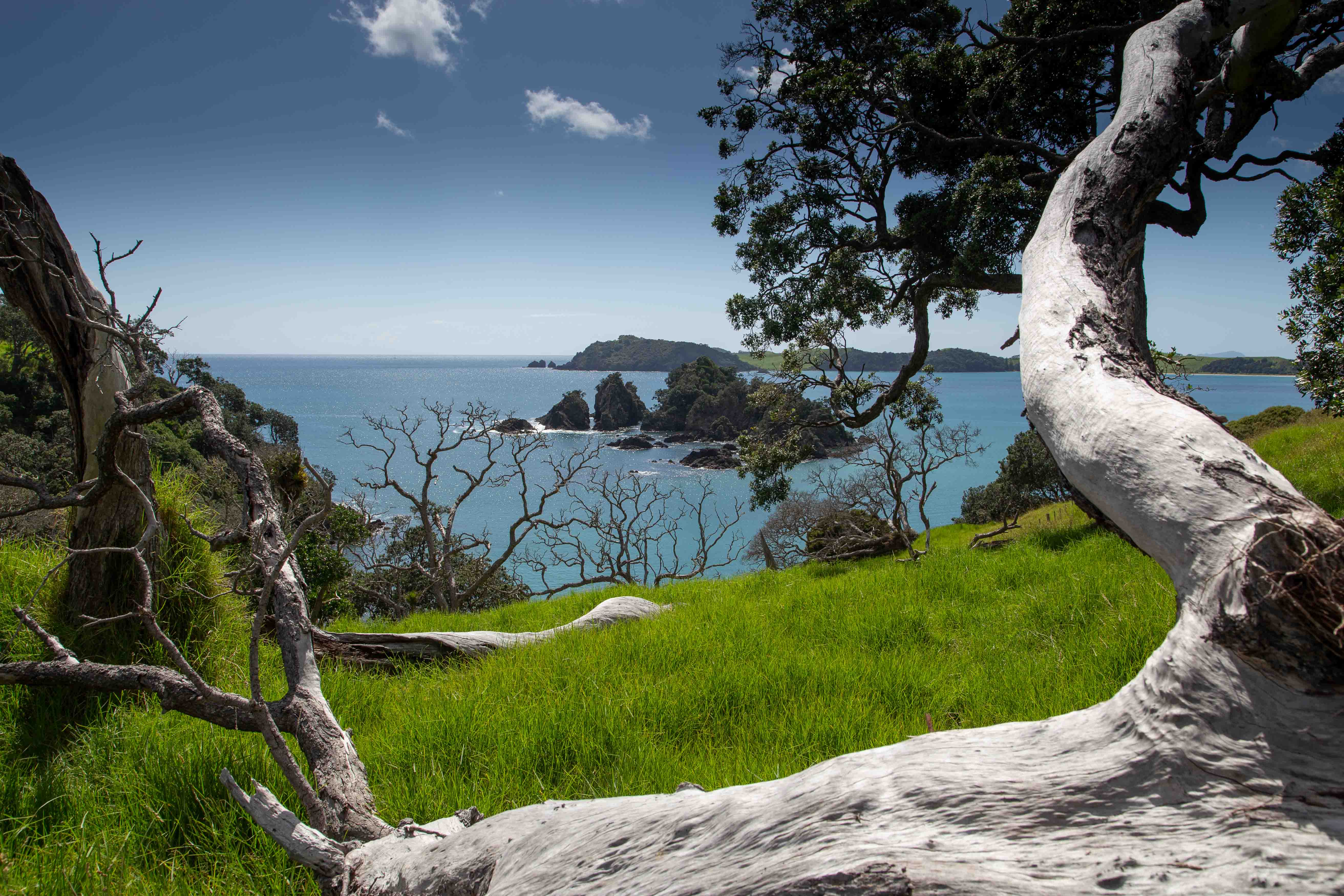
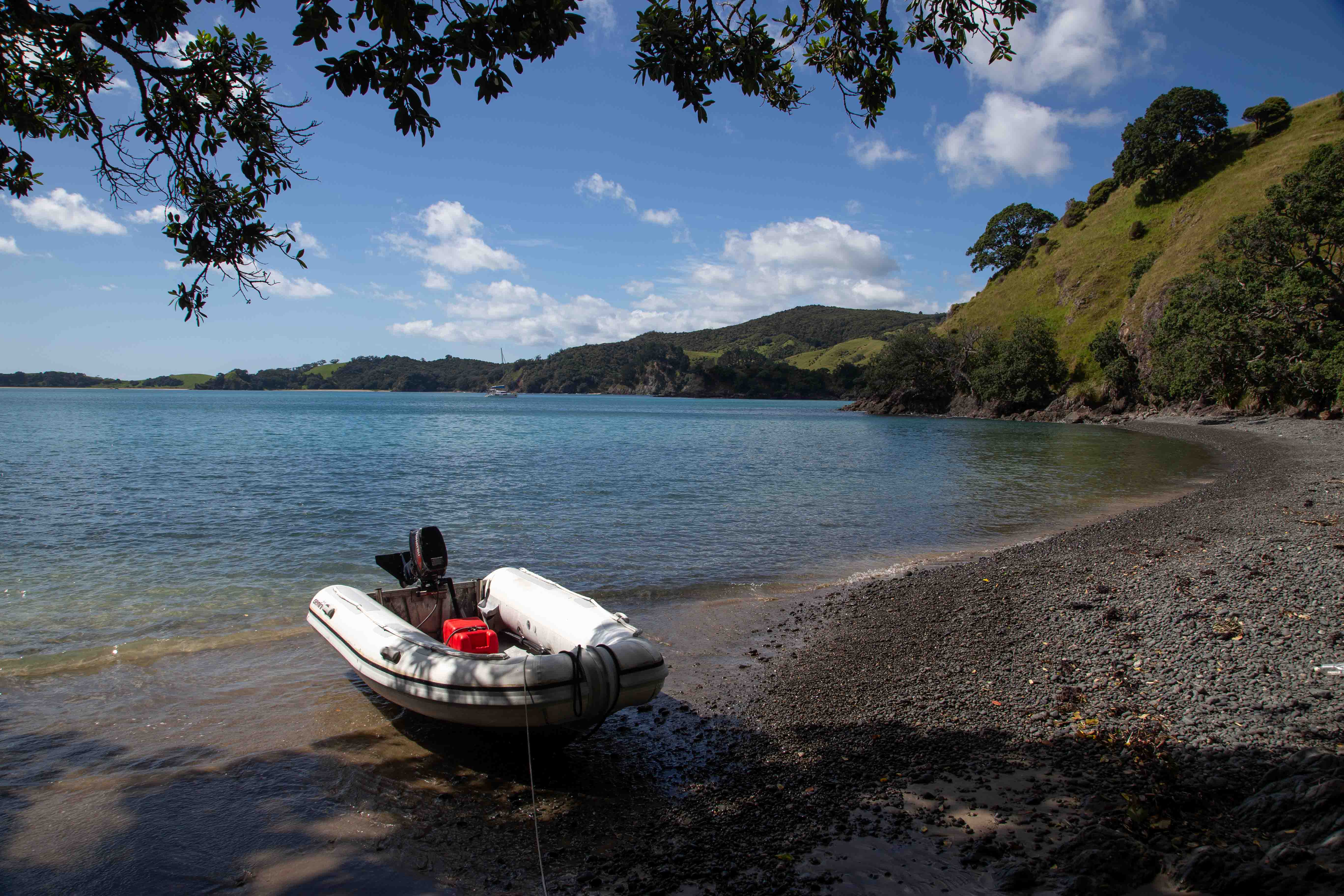
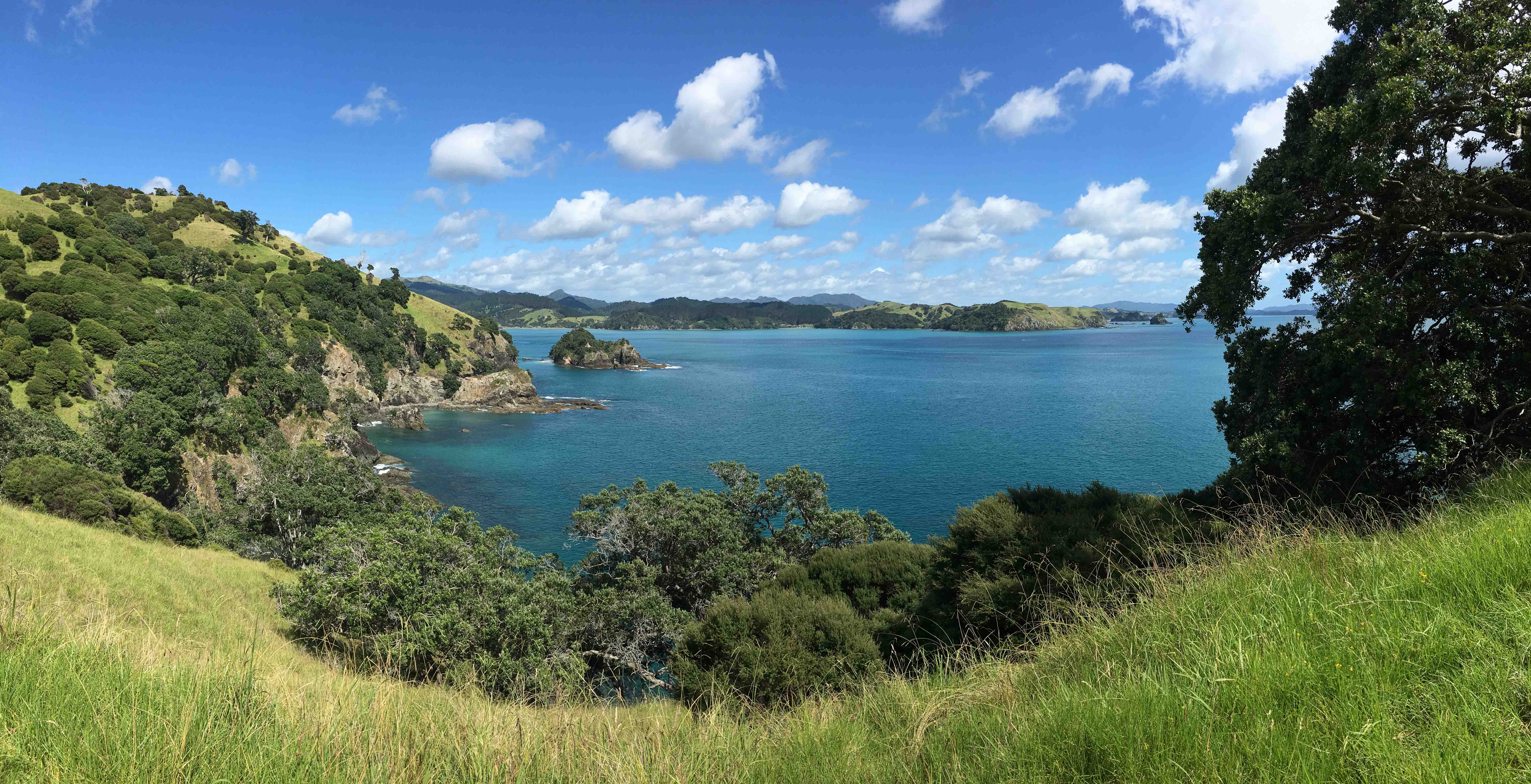
Note to self: Remove sunglasses before taking selfie!
Next stop Whangamumu and we were determined to fly our Code 0 once again. Sue noticed that some of the ropes on it were decidedly worn but Nigel assured her that they were made from dynema which is stronger that steel and so would be fine. 20 minutes later a loud bang indicated that Sue was right to be concerned. The stronger than steel, dynema line holding the tack of the sail had given up and the sail was now making its way higher and higher up the torque rope and beginning to flap alarmingly. We had only just learned how to make our auto pilot follow a wind angle rather than a course so that new skill was put to good use as the boat was able to stay head into the wind while we quickly dropped the sail and bundled it on deck to deal with later. Back to the trusty genoa.
Before we had a chance to get at all despondent our spirits were lifted by the arrival of a huge pod of dolphins. Taihoa definitely seems to be a magnet for dolphins who frequently join us to play off the bow wave. This was probably the largest pod we have seen and even though they seemed to be feeding they still took time off to come and play. Long enough for us to capture it on video.
Eventually the wind deserted us completely and we were forced to motor into the beautiful Whangamumu Harbour where we used the rest of the daylight to make emergency repairs to the dynema fixings and get the Code 0 back onto its furling line ready to be packed away tomorrow. We will sort out some new dynema another day.
Thursday 9 February
Another early fishing trip for Nigel yielded one snapper for dinner then it was time to explore the harbour.
Whangamumu was an active whaling station until the Second World War. The Department of Conservation Website has this to say about it;
“Whangamumu Harbour acted as a base for a shore whaling station in the 1800s and early 1900s.
The Whangamumu Whaling Station was the only one in the world that caught whales with nets, and it was Northland’s longest running and most successful station (Prickett 2002:151).
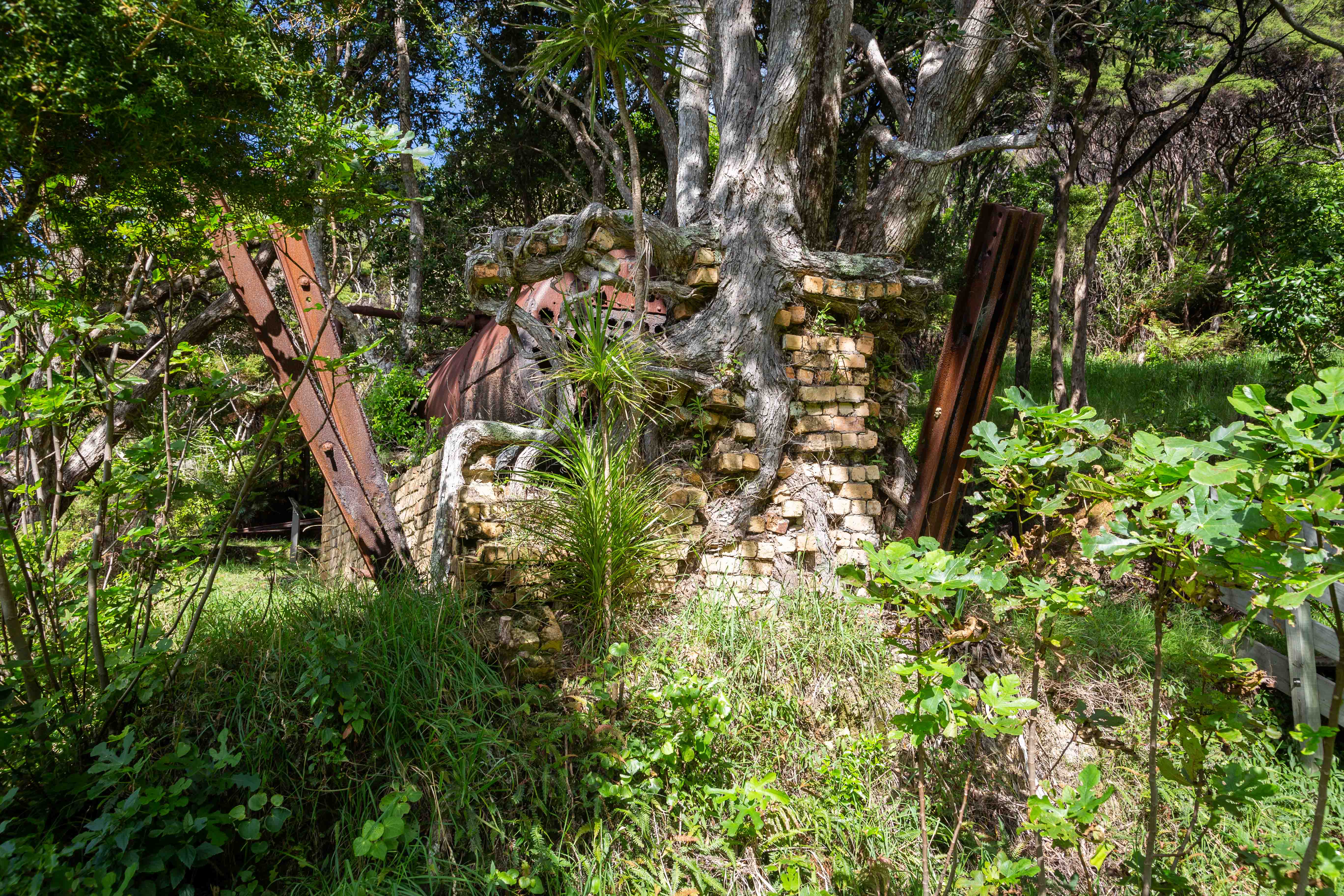
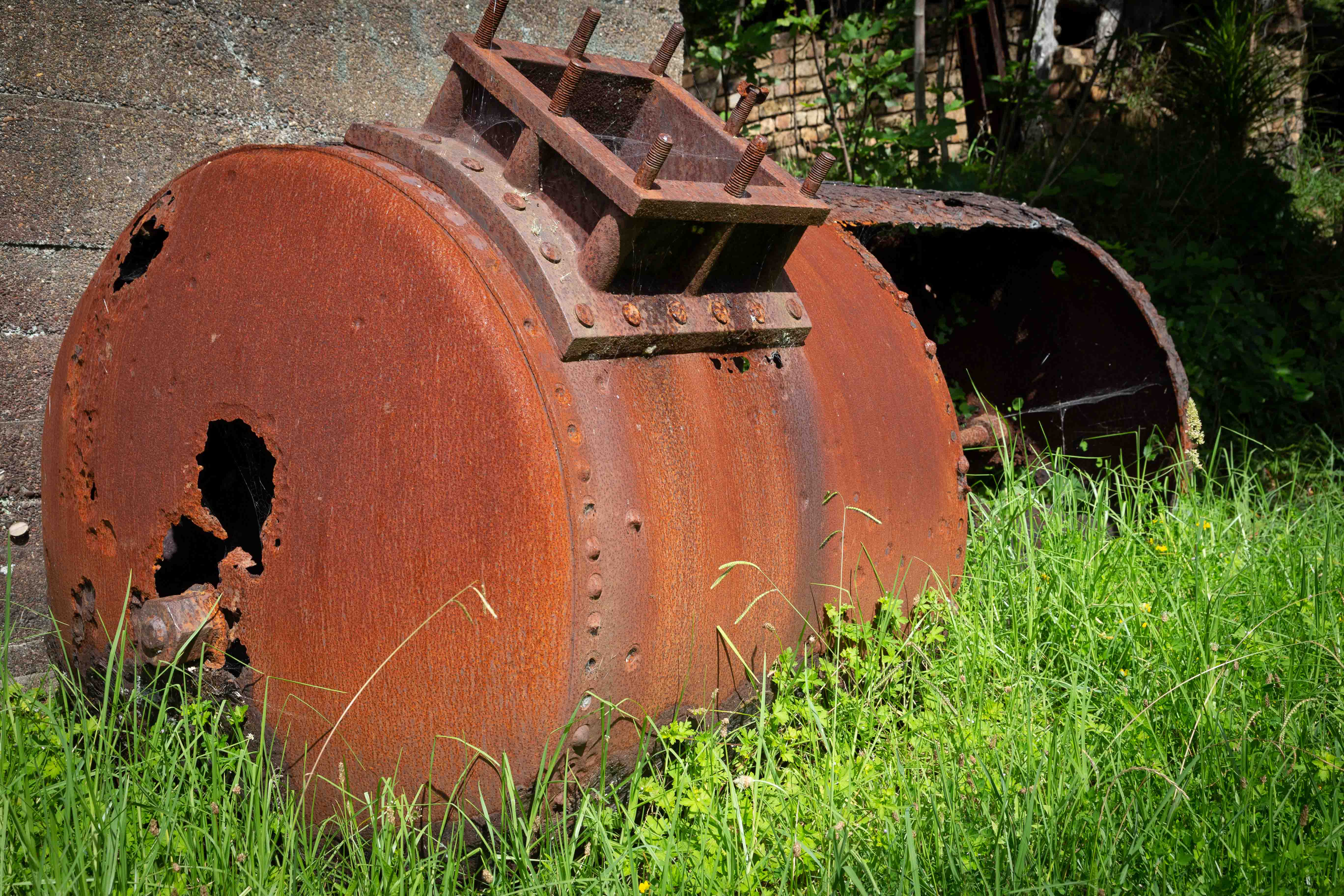
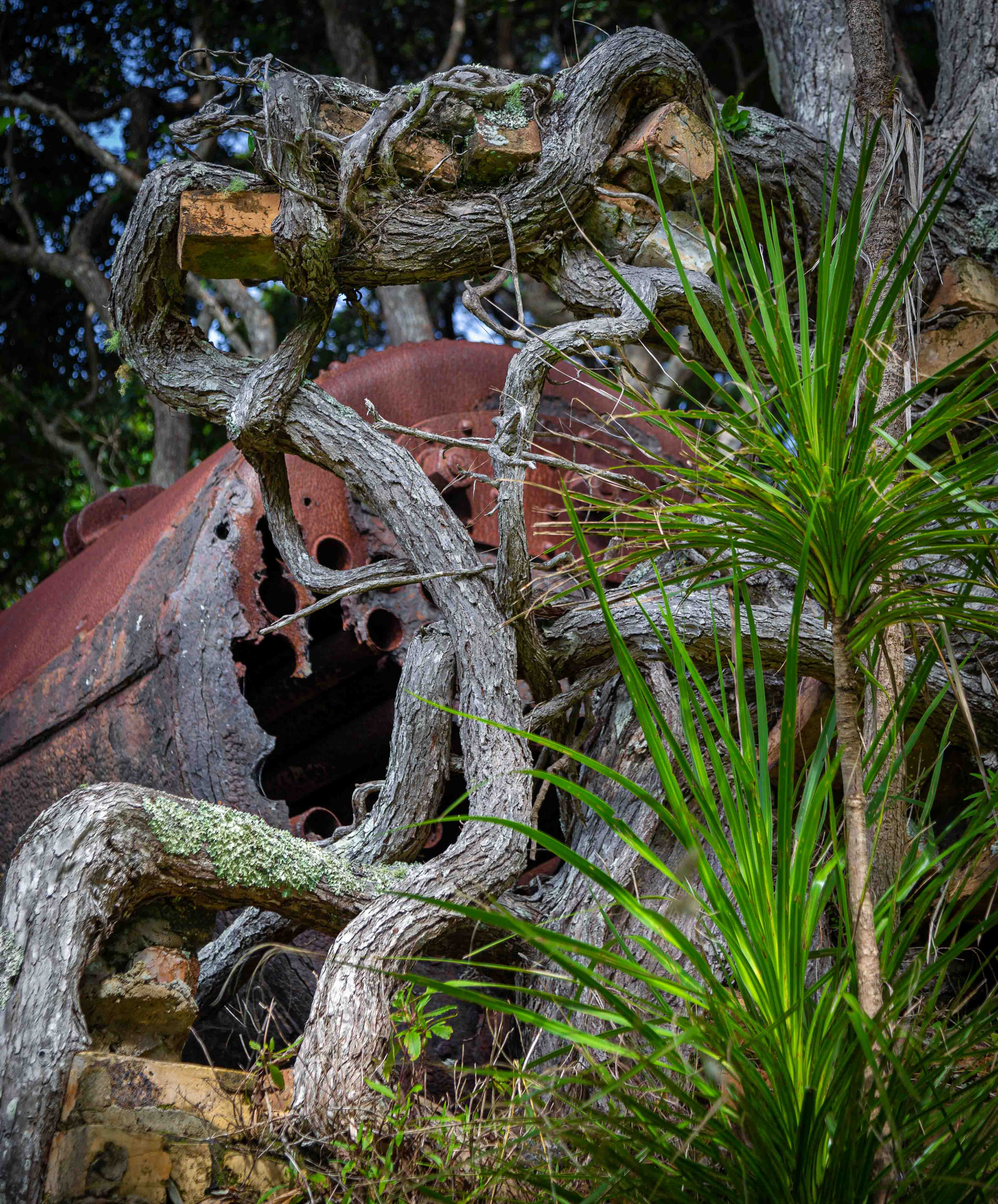
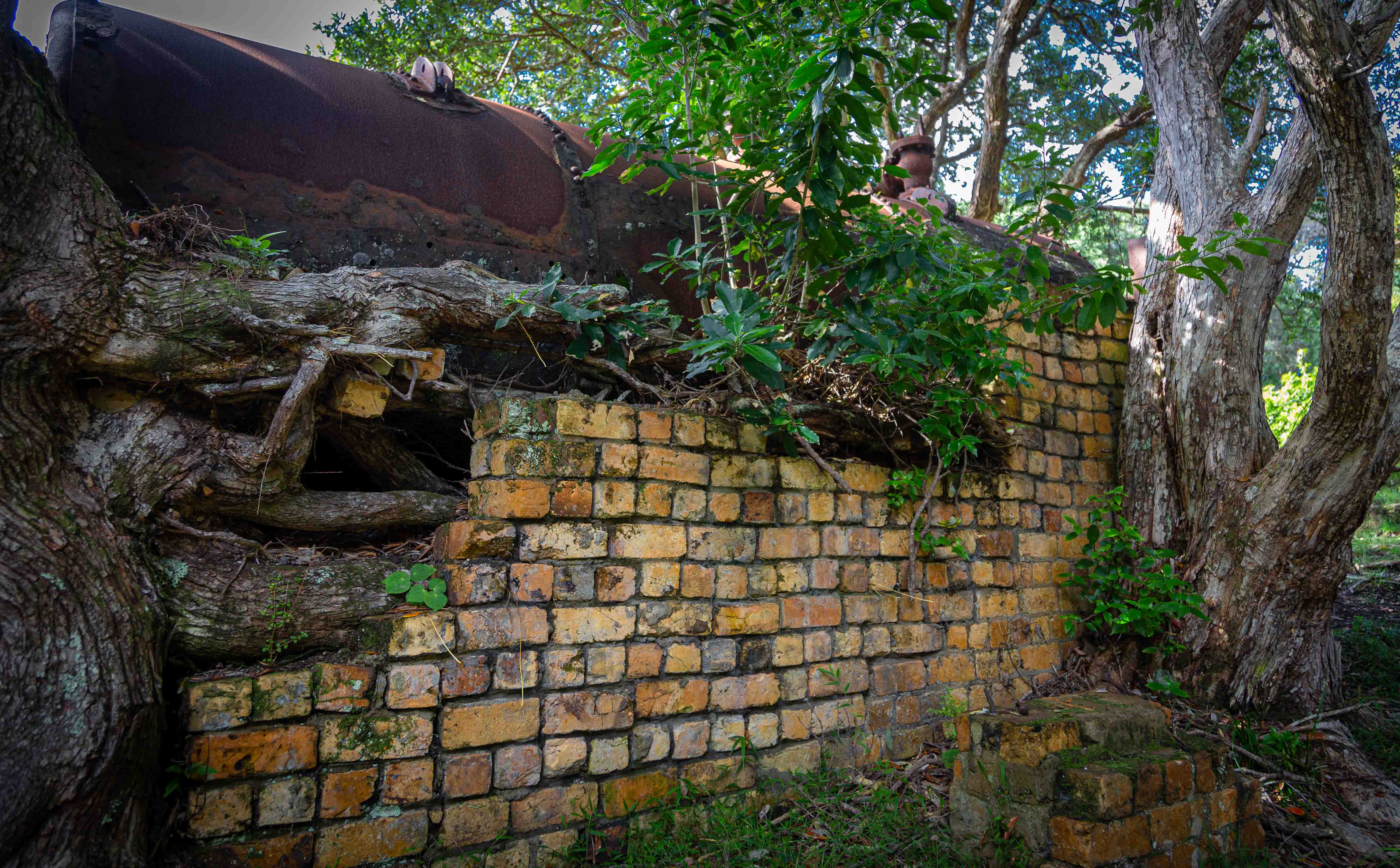
Today the physical remains at Whangamumu represent the last factory based whaling station Northland. The remaining historic structures include vats or tanks that held whale oil, the slipway on the beach front, and the old boiler.
This historic whaling station is nestled into one of Northland’s most picturesque harbours, a safe boat anchorage and only a one-hour walk from the road.
You can access the station by private boat or the Whangamumu Track on Rawhiti Road.
History of the whaling station
Whaling from Whangamumu reportedly began in 1844 by John Johnson and Andrew Gibson. The exact location of the operations and its successes if any is unknown (Weekly News).
The better-known whaling history of Whangamumu began in 1893 when the Cook brothers George, William and Herbert shifted whaling operations from Outu Bay, on the Raukaumangamanga peninsula to Whangamumu harbour (Boese 1977:372-378).
During the late 1800s at Whangamumu 16 to 20 whales was a fair season’s catch, each whale being worth £100. By 1901, the number of whales caught began to increase with the purchase of a steam launch Waiwiri (Boese 1977:36).
In 1910, the station was transformed into an extensive factory under the name of Messrs Jagger and Cook. That same year the Hananui was purchased, and the netting method was abandoned (Cawthorn 2000:10). This steam powered boat had a harpoon fitted to it and substantially increased the whale catch rate.
The gradual decline of the station had reportedly begun in the 1930s. The depression had affected the market price for oil and the station could not dispose of its previous years catch (Pickmere 1969:29).
After temporary periods of opening and closure, the final episode of the station came in 1940 when the station was extensively rebuilt and reopened however the industry never picked as expected by the new owners.
The whaling station was finally closed down and abandoned when the Niagara sunk and left a crude oil slip in the vicinity of Whangamumu causing the humpbacks to avoid their old route (Boese 1977:377).”
We spent a few hours ashore exploring the ruins and marvelling at the way nature is reclaiming the site. A pohutakawa tree, in particular, is doing a great job of dismantling the brick wall surrounding the old boiler.

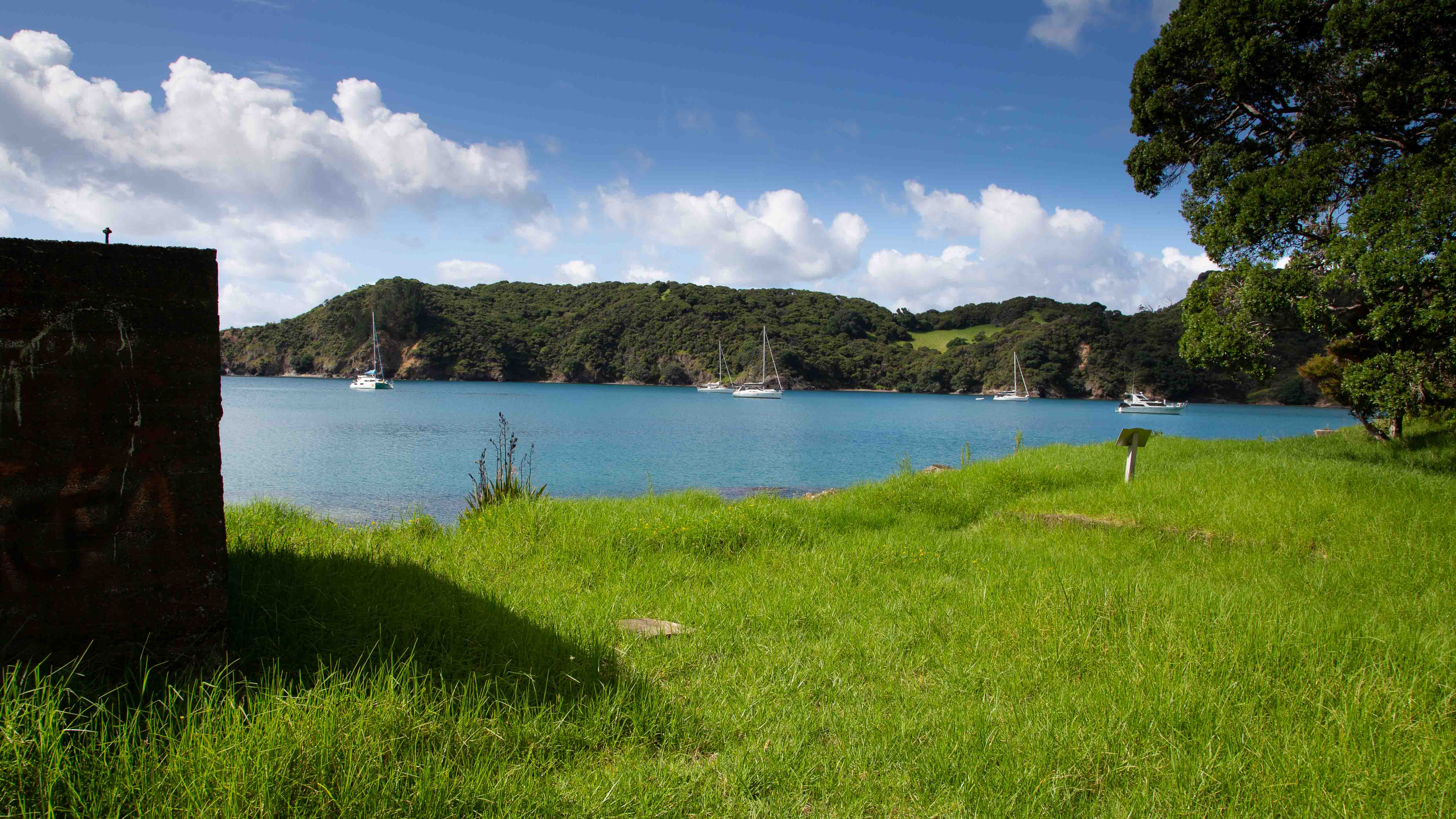


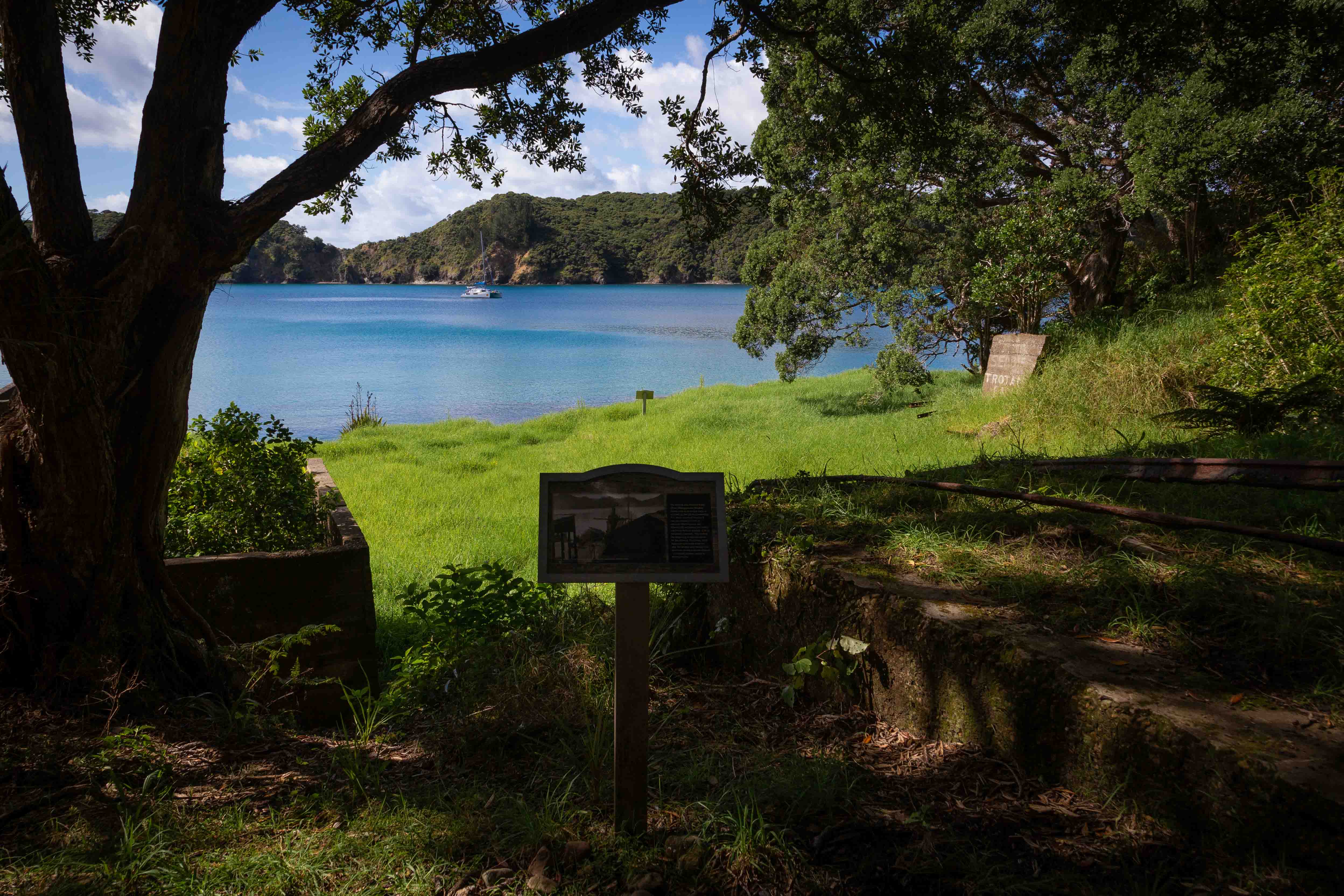


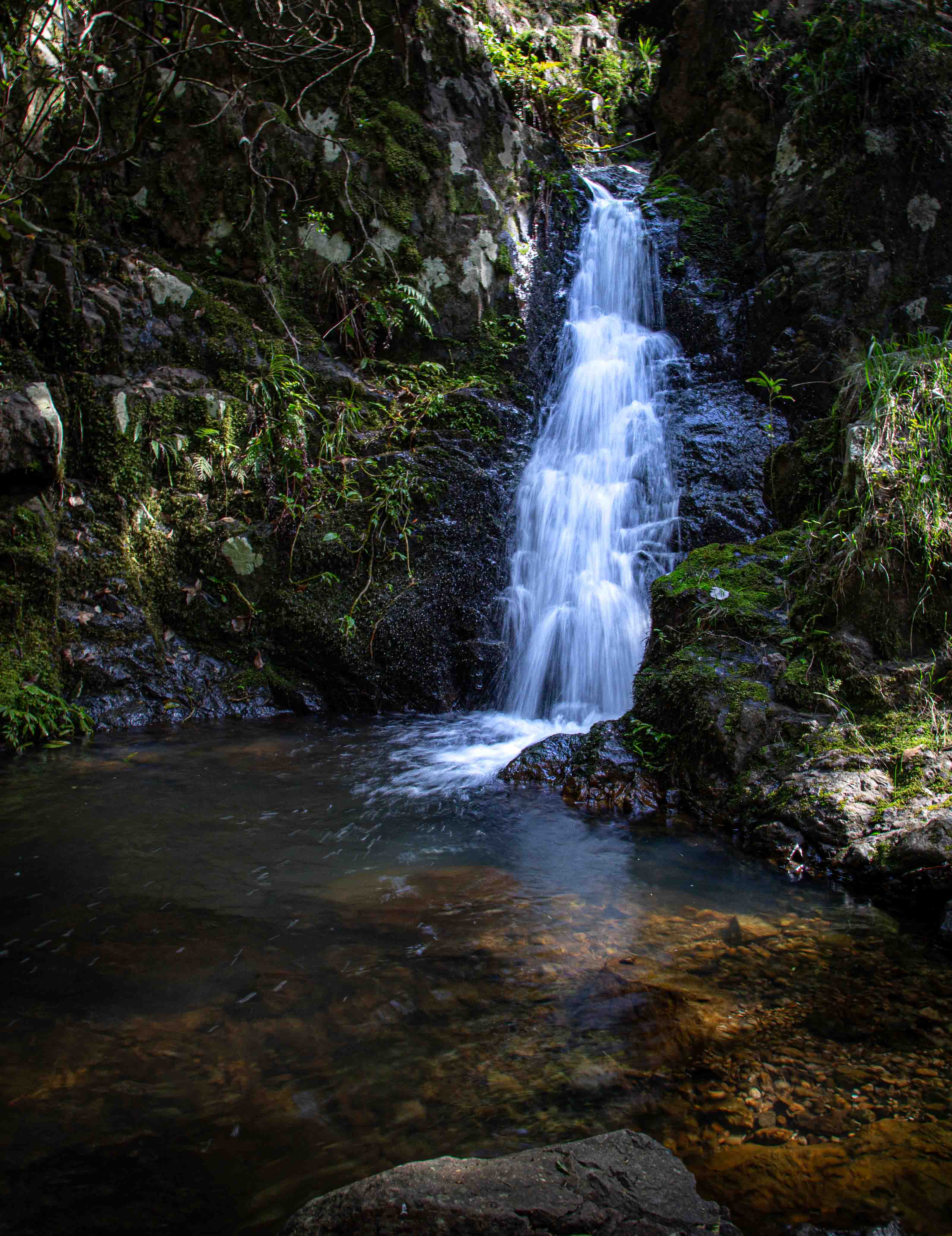
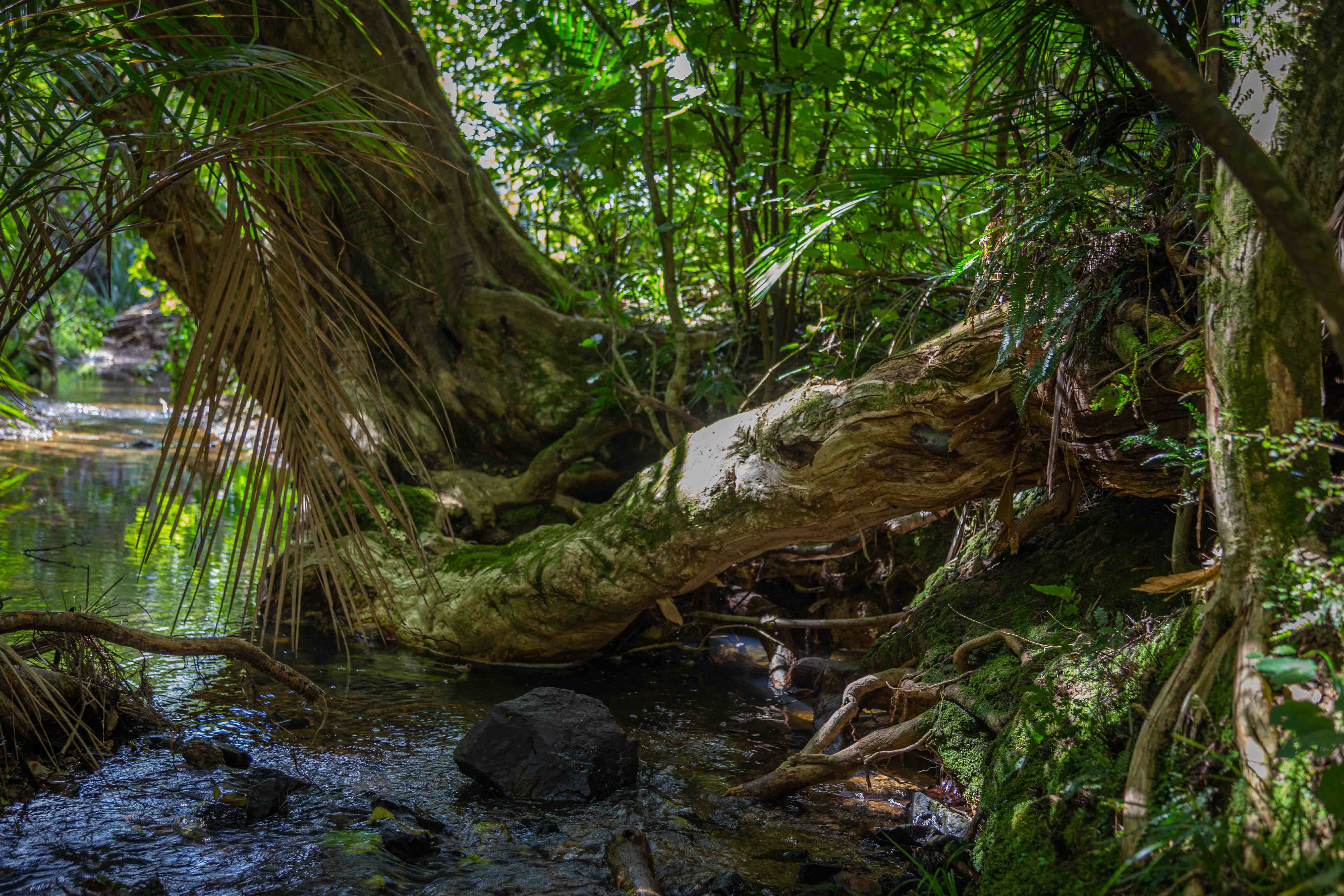
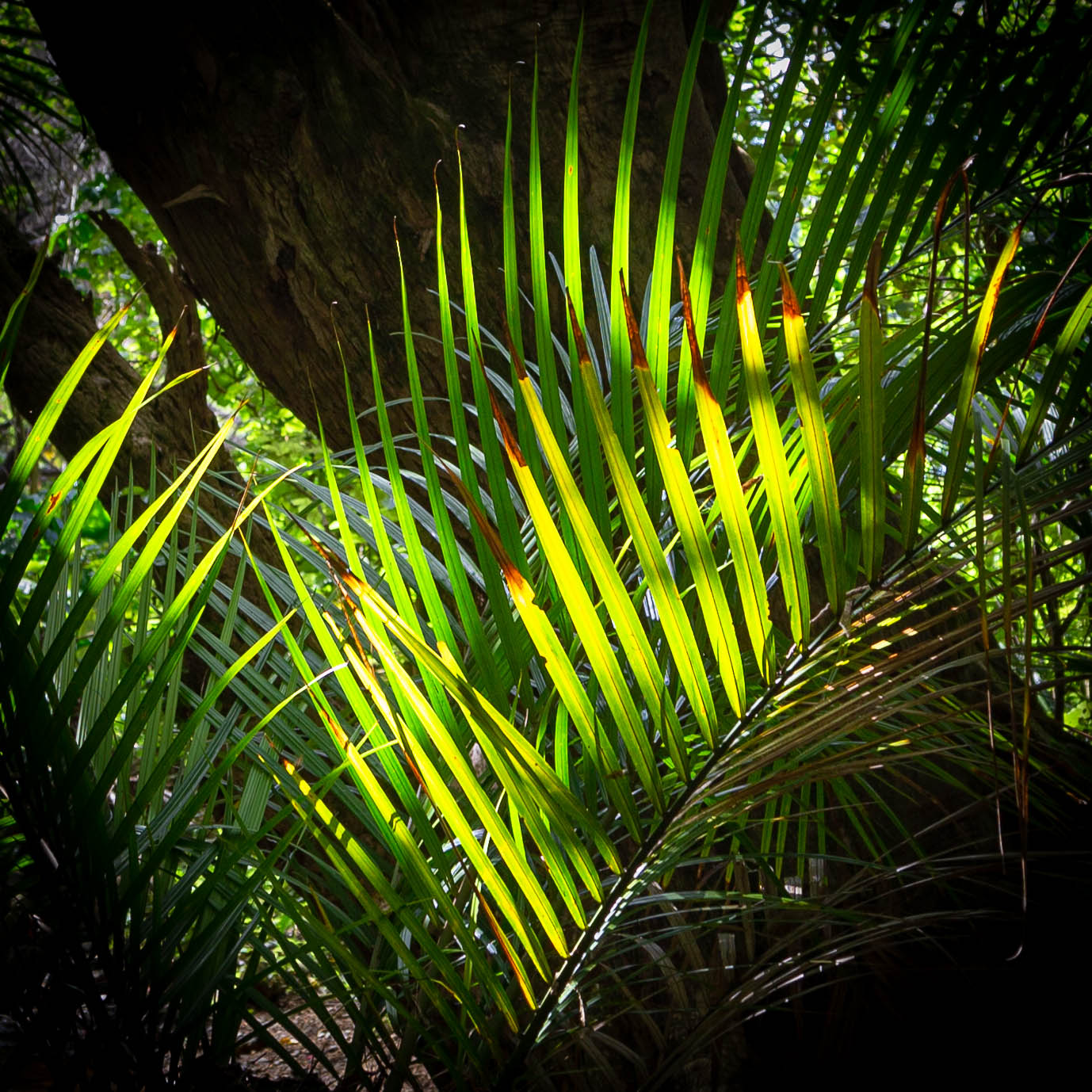
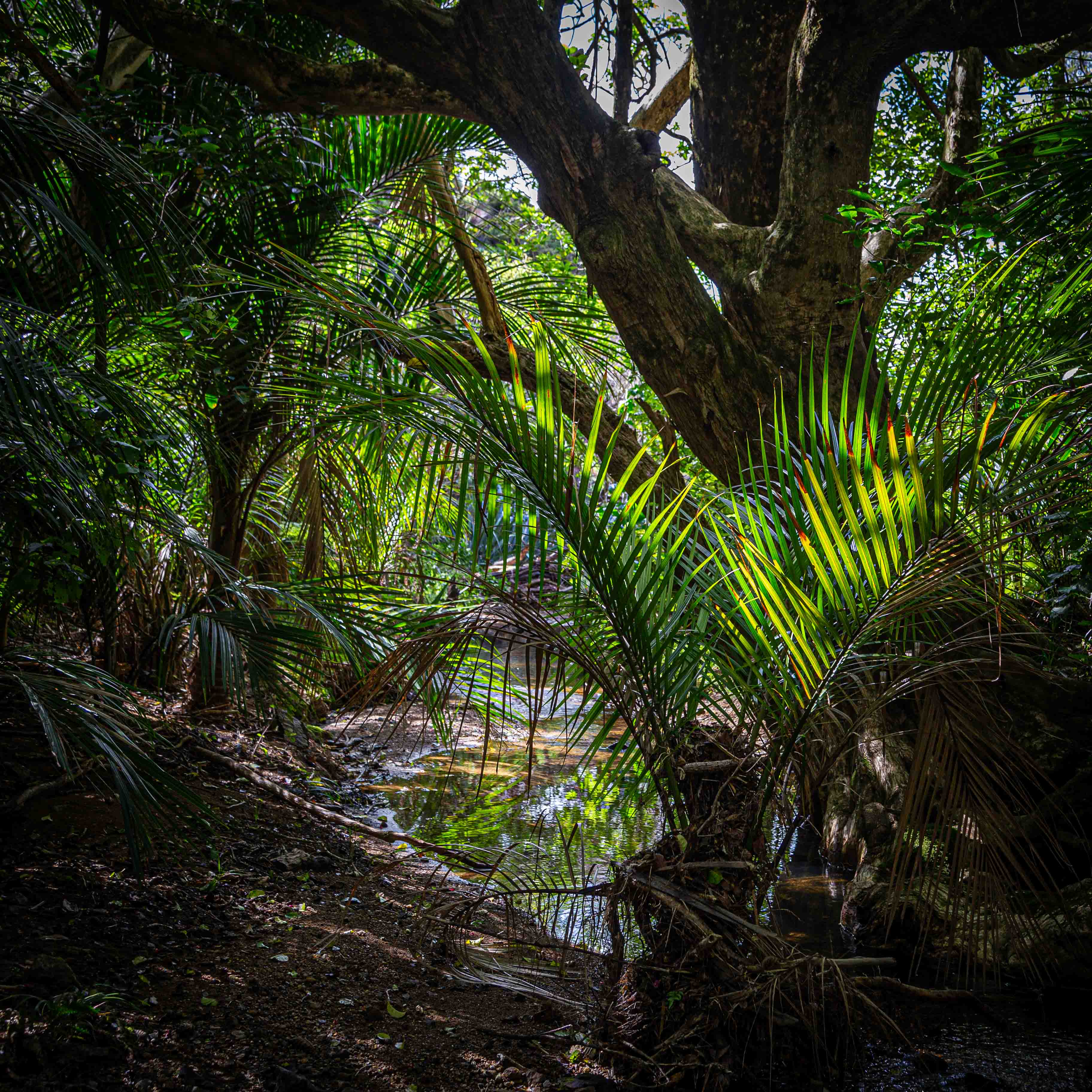
Whangamumu Harbour is beautiful and we could easily have spent several days here. Unfortunately Cyclone Gabrielle was on its way and we had to keep moving. Next stop Bland Bay. This was our planned destination on the way here but light winds led to our diversion to Mimiwhangata – which were were not in the least bit upset by! So we will stop in Bland Bay on our return trip. It is only about an 8 mile trip from Whangamumu so we knew we would have plenty of time to get anchored and enjoys sundowners.
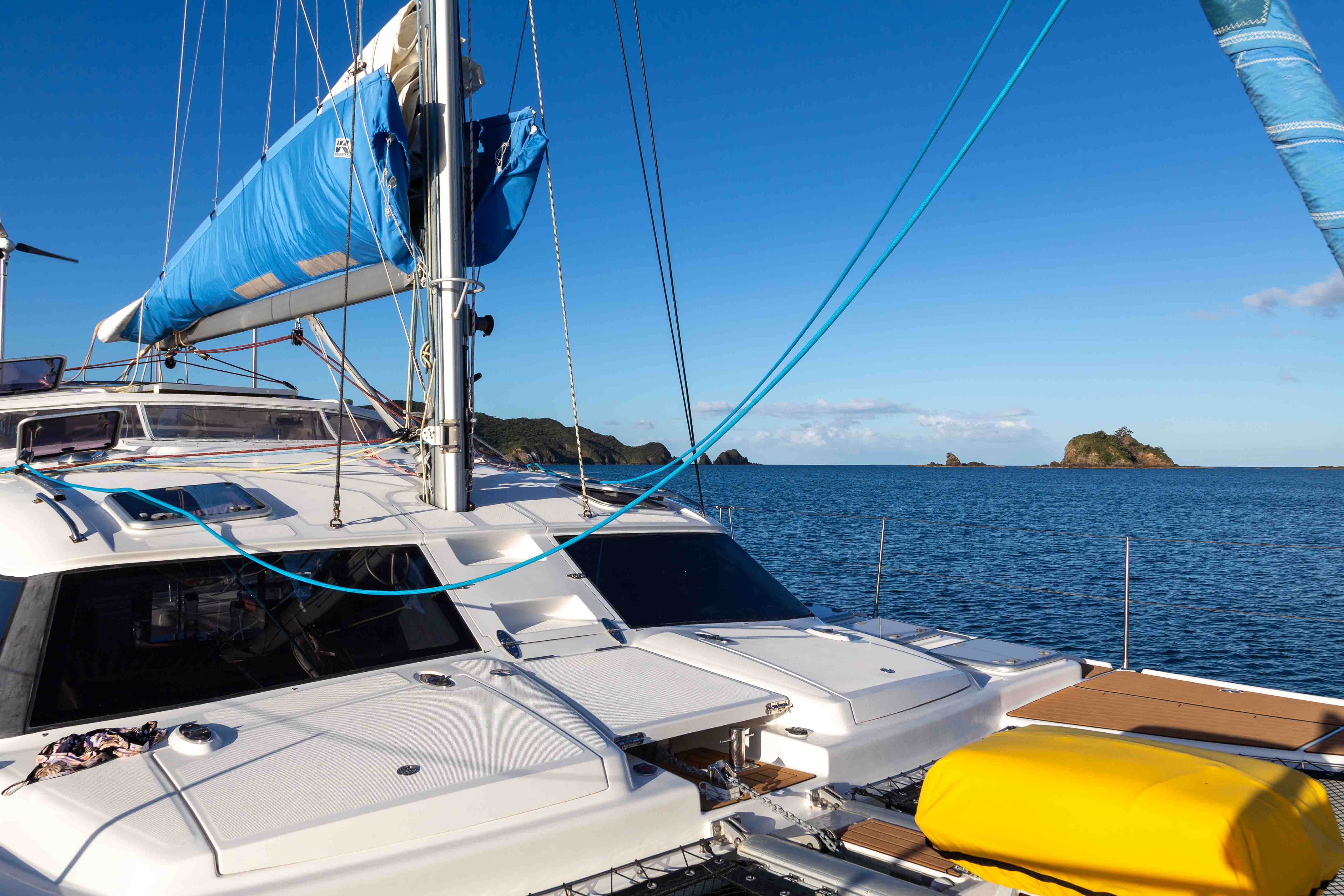
Only one slight issue. Sue had noticed a slight chaffing on the sheath covering the main halyard. As usual Nigel thought ‘she’ll be right’. As we hoisted the main, the halyard sheath tore completely so that we had a delicate job to feed the line through various blocks and jammers. Eventually the sail was up but we knew there would be a few issues when we came to drop it. But that was several hours away so we simply enjoyed the sail.
By the time the inevitable moment to lower the mainsail arrived, Nigel had learned how to tie a rolling hitch and his new knot tying prowess was utilised to take the strain off the halyard while the worn piece was carefully threaded back through the jammer. We’ll worry about what to do tomorrow when it arrives.

Friday 10 February
Another fabulously calm anchorage and Sue was very happy to stay in bed again the next morning while Nigel raised anchor and got us on our way back to Taurikura while witnessing yet another glorious sunrise.


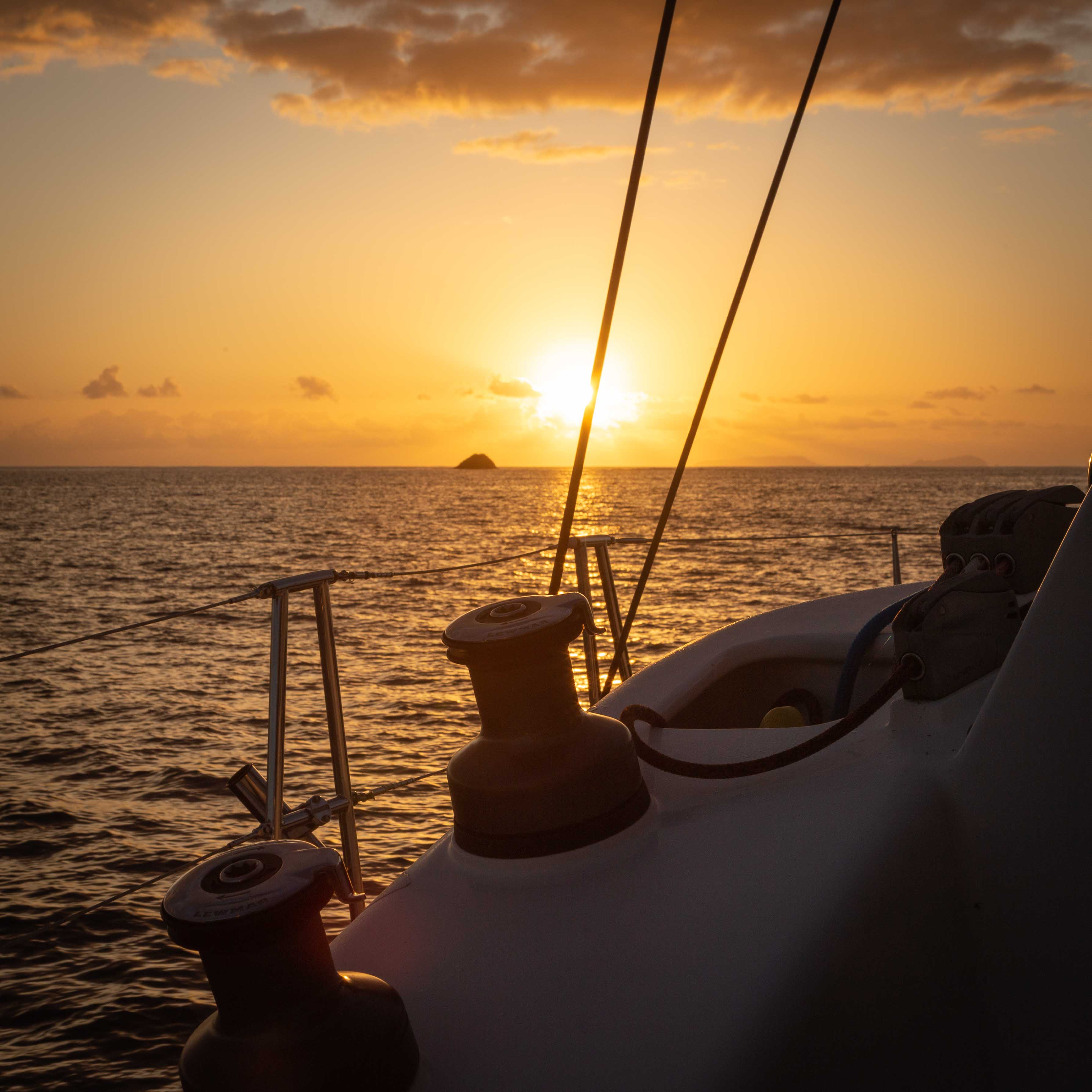
We were heading directly into a southerly which meant a long tedious day of tacking backwards and forwards or simply motoring directly home. With our mainsail halyard needing to be replaced we started the diesels and took the direct route.
The only interruption on the return journey was a very welcome one. Another kahawai took our lure and will be heading home for the smoker.
Finally as we rounded Bream Head, the southerly wind was now on our beam- we unfurled the genoa for wind assisted final leg into Whangarei Harbour.
A fabulous few days and we are already planning the next trip.
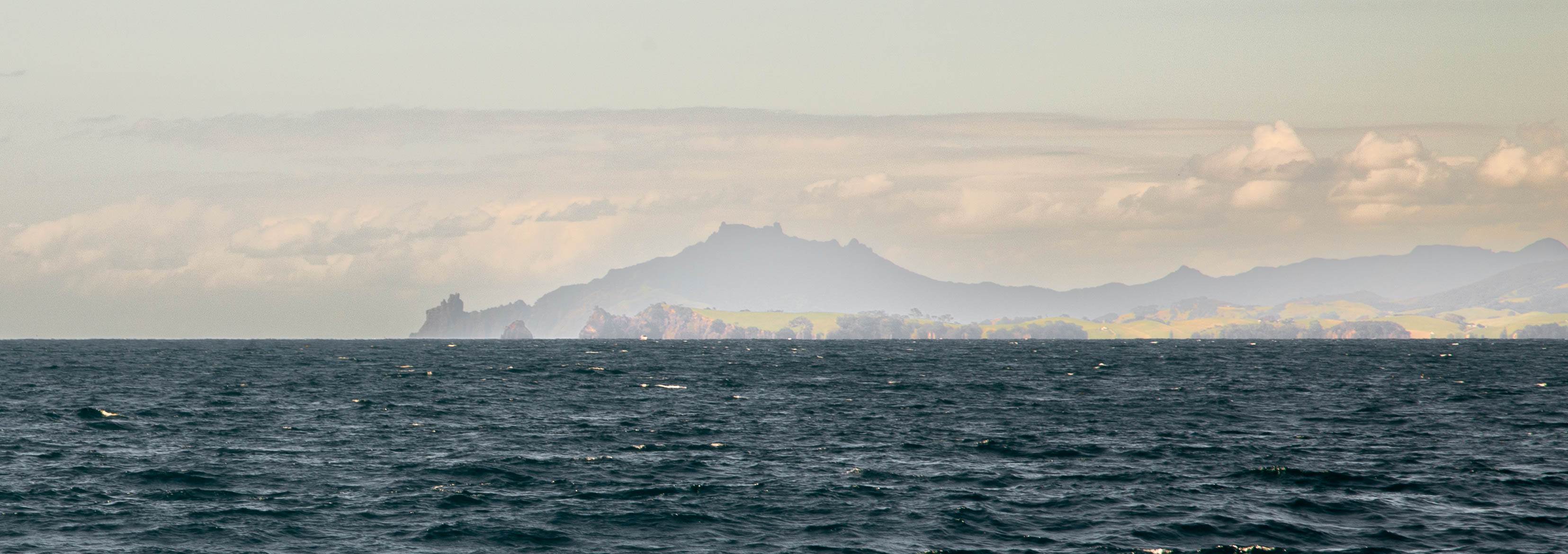
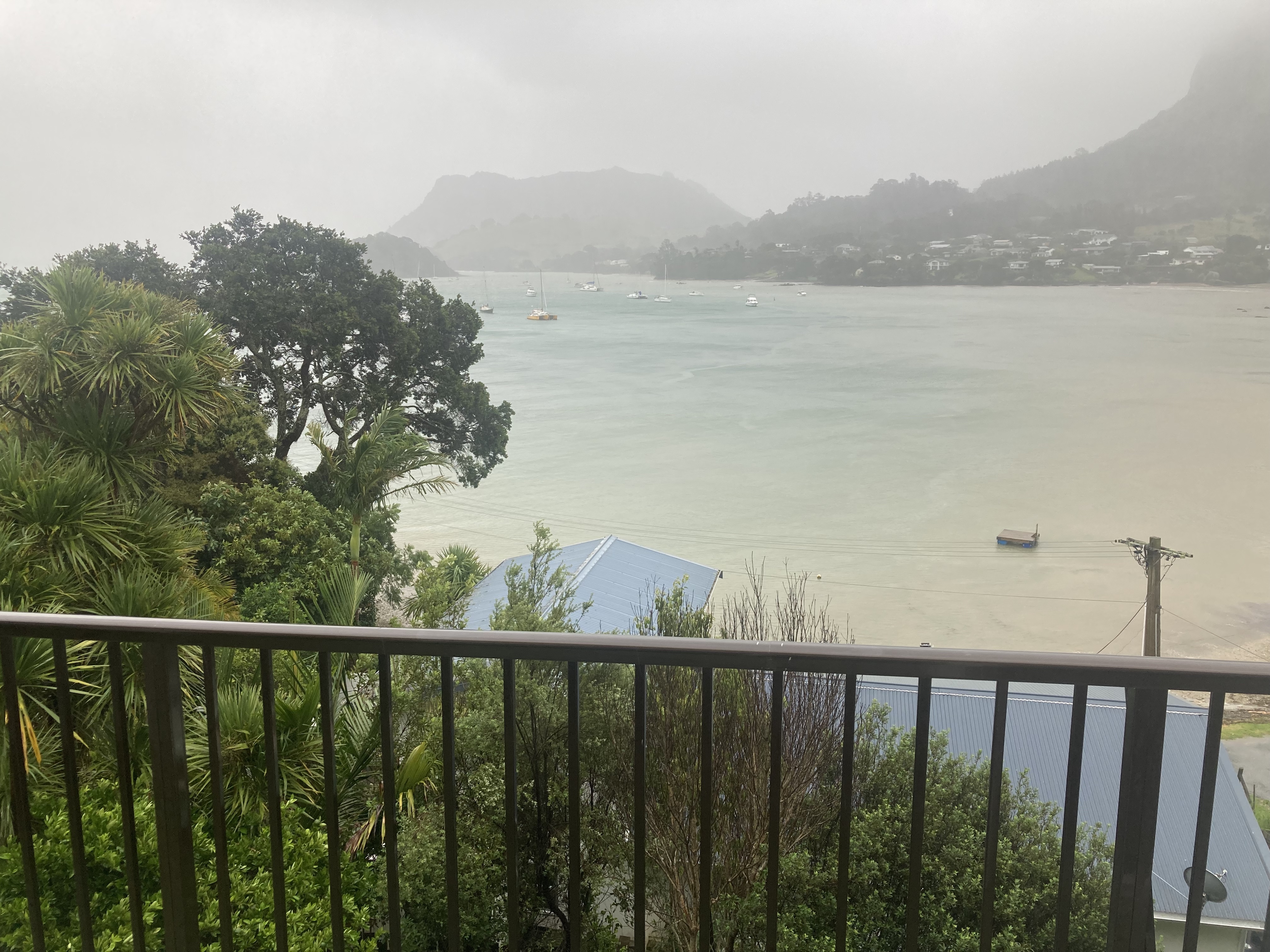
As a write this the view from our window across Taurikura Bay is pretty dismal. Cyclone Gabrielle is making its presence felt with heavy rain and strong gusts of wind. We have had notification from Civil Defence that a state of emergency has been declared for Northland. The power went off about an hour ago and I have just brought the candles from downstairs in anticipation of it staying off for some time. The worst of the storm has yet to hit us. Fortunately, the kahawai caught on Friday was smoked on Saturday and in the fridge waiting for us tonight. Looks like we are having cold smoked fish and salad for dinner.
 Weather is lovely, wish you were here
Keep safe ! Your trip pre: Gabriel
LikeLike
All good here Kay. Just waiting for the power to come back on
LikeLike